





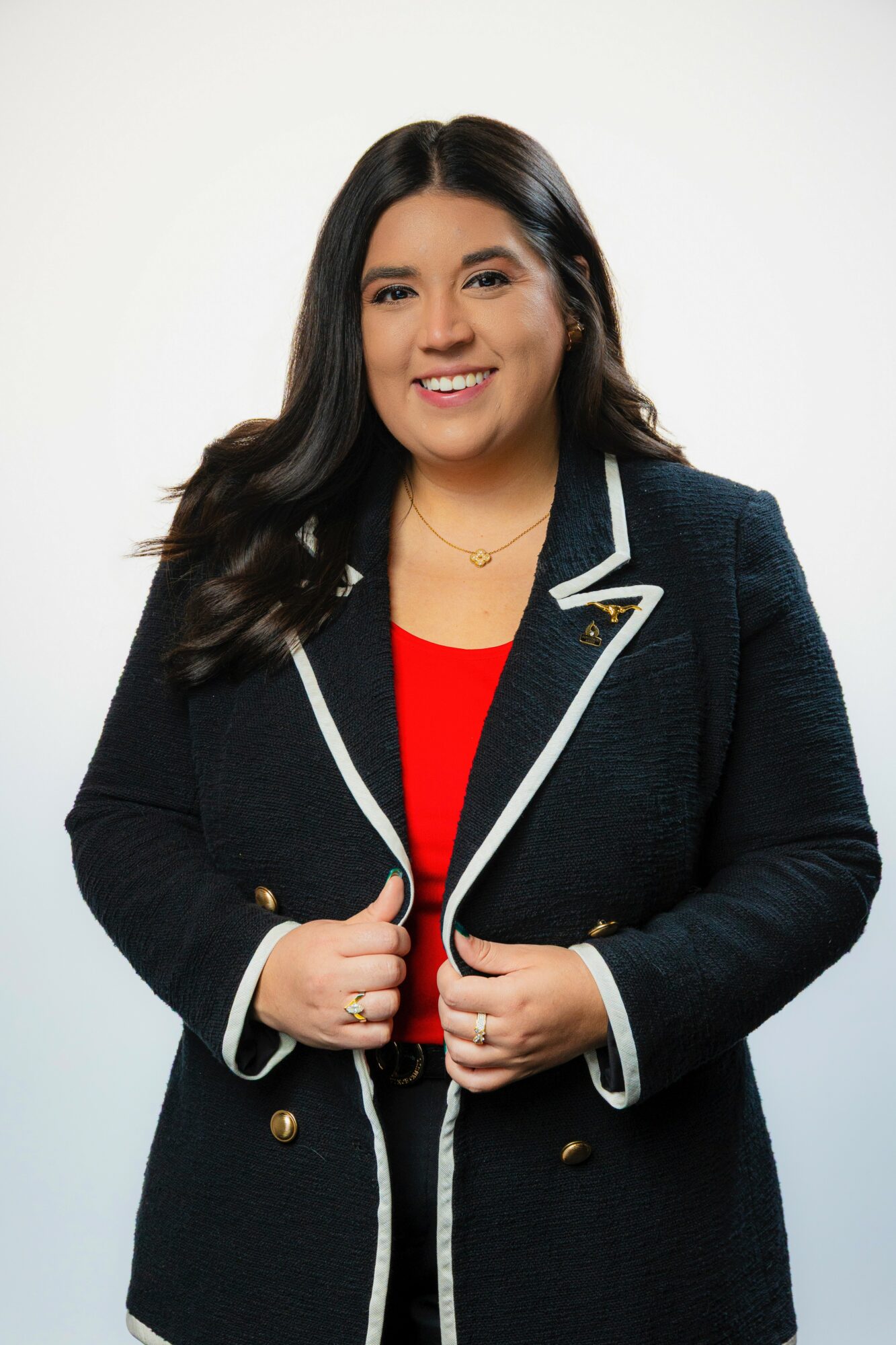
Sarina Lora Davidson shared their story and experiences with us recently and you can find our conversation below.
Good morning Sarina Lora, we’re so happy to have you here with us and we’d love to explore your story and how you think about life and legacy and so much more. So let’s start with a question we often ask: Who are you learning from right now?
I’m learning from everyone right now.
From peers and mentors to family, friends, the youth I serve, business owners, and executive leaders. I learn from the people I work alongside and from the quiet moments in between, even during something as ordinary as running errands or standing in line at the grocery store.
I believe learning happens everywhere if you’re paying attention. I’m actively listening, actively learning, and constantly refining how I show up so I can be better and do better each day. Growth, to me, isn’t passive. It’s earned through presence, humility, and the willingness to learn from every experience and every person.
Can you briefly introduce yourself and share what makes you or your brand unique?
I’m Sarina Lora Davidson, a fundraiser, strategist, and community builder who believes deeply in the power of relationships to drive lasting change. I currently serve as Director of Fund Development for The YouthVantage Alliance, where I work across multiple organizations to strengthen funding, partnerships, and systems that support youth development, mentorship, and future-ready opportunities.
My work is shaped by both lived experience and legacy. I grew up watching my late mother advocate fiercely for small businesses and Hispanic communities across Texas, and that example continues to guide how I lead today. In her honor, I founded Ramos-Davidson Rising Group, a consulting practice focused on equity-driven partnerships and community-centered growth. Whether I am building funding strategies or advising organizations through moments of transition, I am motivated by one core belief: leadership should always leave people and systems stronger than we found them.
Great, so let’s dive into your journey a bit more. Who saw you clearly before you could see yourself?
My mom, Cindy Ramos-Davidson, saw me clearly before I ever learned how to see myself.
She recognized my leadership, my voice, and my sense of responsibility long before I had the confidence or language to name those qualities as strengths. When I doubted myself, she never did. When I questioned whether I was ready, capable, or enough, she reminded me that preparation is built through showing up, not waiting to feel fearless.
She saw patterns in me that I could not yet connect. She understood that my instinct to organize, advocate, and protect was not accidental, but purposeful. Even early on, she could see that I was drawn to building structure where there was chaos, asking hard questions, and caring deeply about people and systems. What I once experienced as pressure or over-responsibility, she helped me understand as leadership in formation.
At times when I felt overwhelmed by expectations or unsure of my place professionally, she grounded me. She taught me that leadership is not about titles or visibility, but about responsibility, integrity, and service. That belief now shapes how I lead organizations, build partnerships, and approach my work. It is the foundation of how I operate in business and community alike.
What makes her belief so meaningful is that it was never abstract. She modeled it daily through her own work, her advocacy, and the way she carried herself in community. She showed me that leadership can be both strong and compassionate, strategic and human. She taught me that you do not lead to be seen, but so others can be supported, protected, and elevated.
Even now, her voice guides the decisions I make. When I face difficult moments, high-stakes choices, or uncertainty, I return to the standard she set. Lead with intention. Do the work thoroughly. Take care of people. Leave things better than you found them.
Her belief in me became my foundation. Her clarity became the lens through which I learned to step into my own leadership. I am who I am today because she saw me clearly first — and she never let me forget who I was becoming.
Was there ever a time you almost gave up?
Yes. There was a time I almost gave up — and it was 2025.
On March 1, my mom was diagnosed with pancreatic cancer. She couldn’t even say the words out loud. A few weeks later, she was hospitalized again and we learned she also had colon cancer. She underwent an ostomy surgery to prolong her life, and watching someone you love live in constant pain changes you in ways you don’t fully recover from.
For months, I lived between two worlds — traveling back and forth between Fort Worth and El Paso, serving as a caretaker Thursday through Monday, then returning to lead professionally the rest of the week. I constantly felt like I was failing everyone, no matter how hard I tried.
In May, I was at a gala when my intuition told me something was wrong. The next morning, I got a call that my mom was being rushed to the ER. My dad couldn’t explain what was happening — I had to speak directly to the paramedic. He told me, “Get here as fast as you can.” When I arrived, my mom had suffered multiple strokes. The woman I knew was still there physically, but she wasn’t her. That moment stays with me.
She went on hospice on May 21 and passed away on June 1.
What followed didn’t slow down. My dad had surgery one month later. Two days after that, I helped save my aunt’s life after a medical emergency that landed her in the ICU and months of rehab. My uncle later passed away from a heart attack. We held my mom’s very public funeral on August 1 and 2. Shortly after, I had to make an impossible choice between family and career — and I chose family. That decision left me unemployed from September through December.
I was grieving, financially uncertain, and still in graduate school — at real risk of not completing my program when my original internship placement fell through mid-semester.
There were moments I wanted to run from it all. I joked with friends about numbing the pain, but I knew it wouldn’t help. Giving up wouldn’t bring my mom back. It wouldn’t protect my family. And it wouldn’t honor the values she spent her life teaching me.
So I didn’t quit — even when I wanted to.
What I learned is this: resilience isn’t about being strong all the time. It’s about choosing to keep going when strength feels unavailable. I didn’t come out of that year unchanged — but I came out clearer, more grounded, and deeply committed to living with purpose, compassion, and intention.
Sure, so let’s go deeper into your values and how you think. Is the public version of you the real you?
Yes — the public version of me is real.
My life is fairly public. You can Google my name and a lot comes up. What people see is authentic but it’s also curated. I choose to share a highlight reel, not because the hard or painful moments aren’t real, but because I’m intentional about what I carry in public spaces.
I choose to inspire. I choose to move forward. And I choose to lead with purpose even when doing that in the public eye is heavy.
I often hear, “I saw that,” or “I follow you,” and truthfully, I don’t always know exactly what people are seeing. But I do know this: what’s out there is honest, aligned, and true to who I am.
The parts I don’t always share — the grief, the fear, the quiet moments — don’t make the public version less real. They make it human. My public self is still me; it’s just the version that’s carrying hope, resilience, and forward motion.
Authenticity doesn’t require full access. It requires alignment. And what I share publicly is aligned with my values, my lived experiences, and the woman I continue to become.
Thank you so much for all of your openness so far. Maybe we can close with a future oriented question. What do you understand deeply that most people don’t?
My background spans the criminal justice system, chambers of commerce, and higher education. Working across those spaces taught me that no system operates in isolation, yet we often design solutions as if they do.
In chambers of commerce, I saw how economic opportunity is created and how access to information, networks, and capital determines who gets to participate. In higher education, I saw how education is positioned as the great equalizer, while many students still struggle to navigate institutions that weren’t built with their realities in mind. In criminal justice, I saw the consequences when those gaps compound, when missed opportunities upstream turn into system involvement downstream.
That perspective now drives both my nonprofit leadership and my business work. In nonprofit spaces, I focus on building partnerships, funding strategies, and programs that close gaps before they become crises. In my business work, I help organizations identify structural barriers, optimize systems, and align resources so impact is intentional, scalable, and sustainable.
Because of that, I naturally look for points of friction, where a student loses momentum, where a business owner lacks access, where policy unintentionally creates barriers instead of pathways. I am always asking how we optimize systems, break down silos, and redesign processes so opportunity isn’t accidental or reserved for those who already know how to navigate it.
Once you understand how these systems connect and where they fail to connect, you stop seeing problems as isolated issues and start seeing them as solvable design challenges.
That perspective shapes everything I do.
Contact Info:
- Website: https://ramosdavidsonrising.com
- Instagram: https://www.instagram.com/sarinaloradavidson
- Linkedin: https://www.linkedin.com/in/sarinaloradavidson/
- Facebook: https://www.facebook.com/sarinaloradavidson
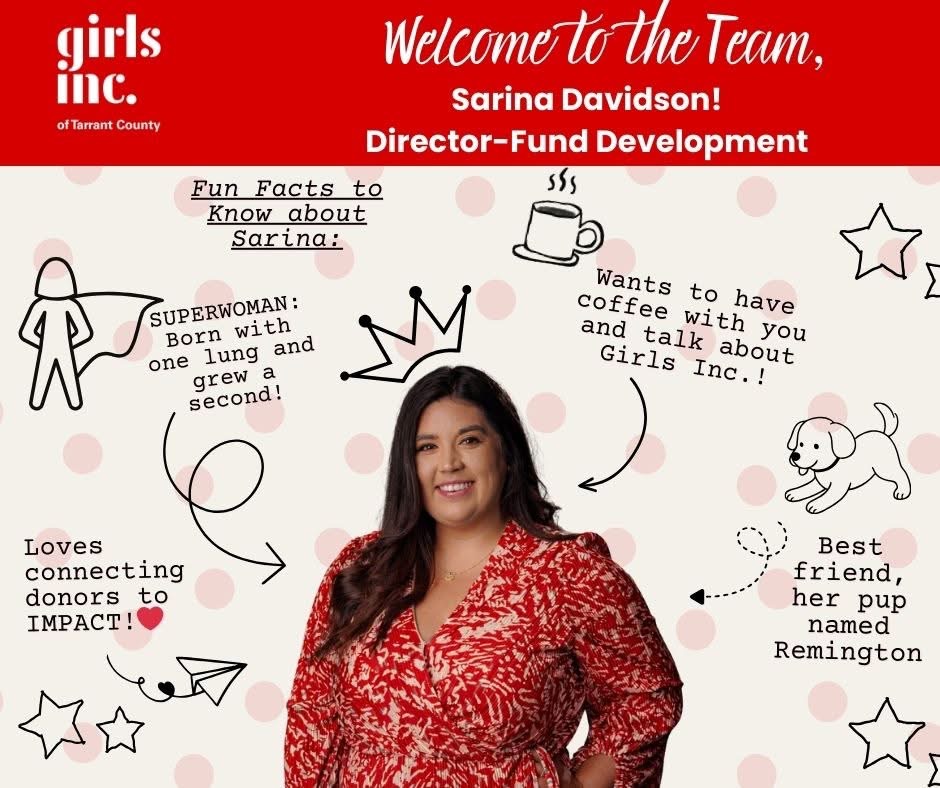
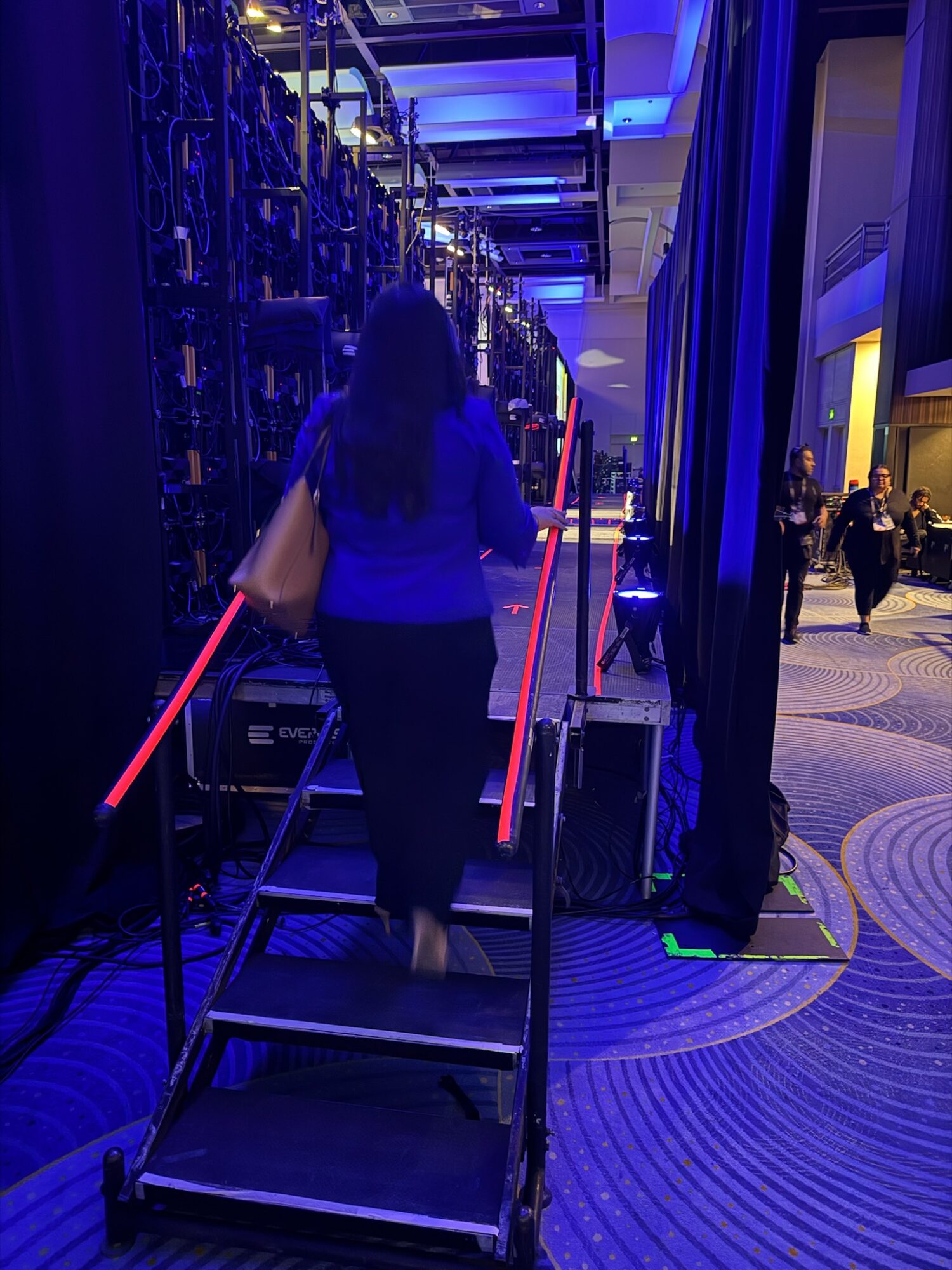
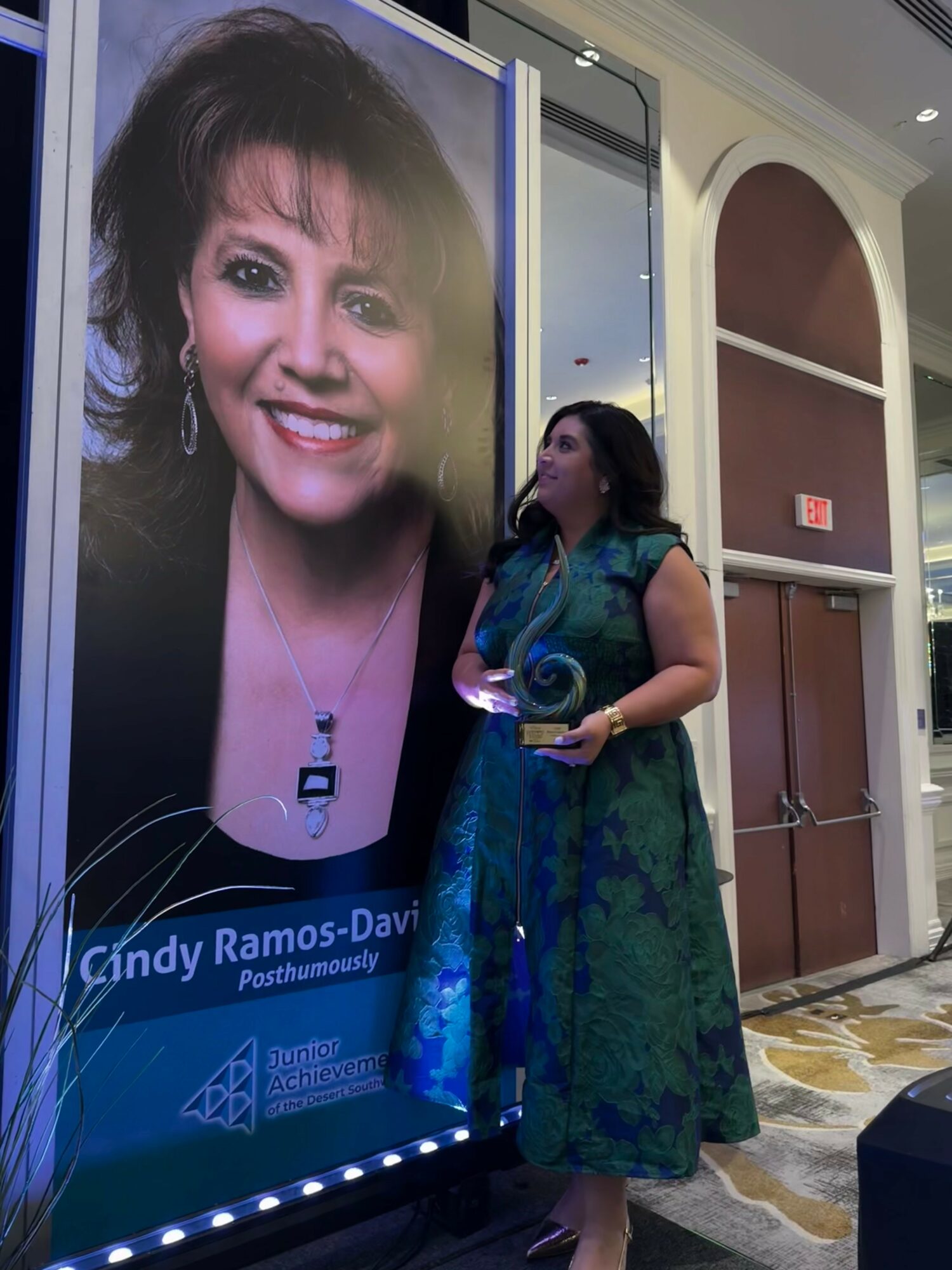
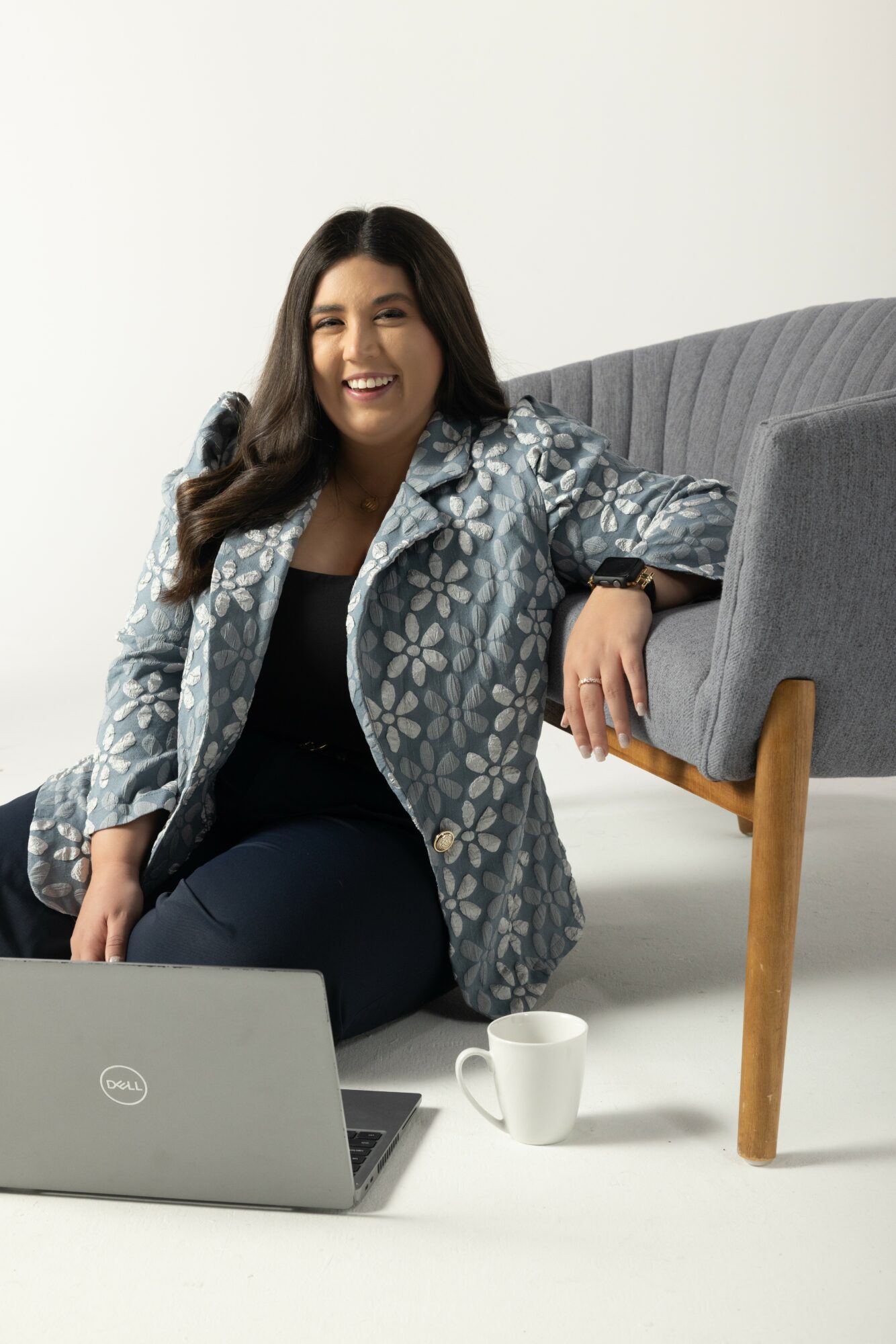
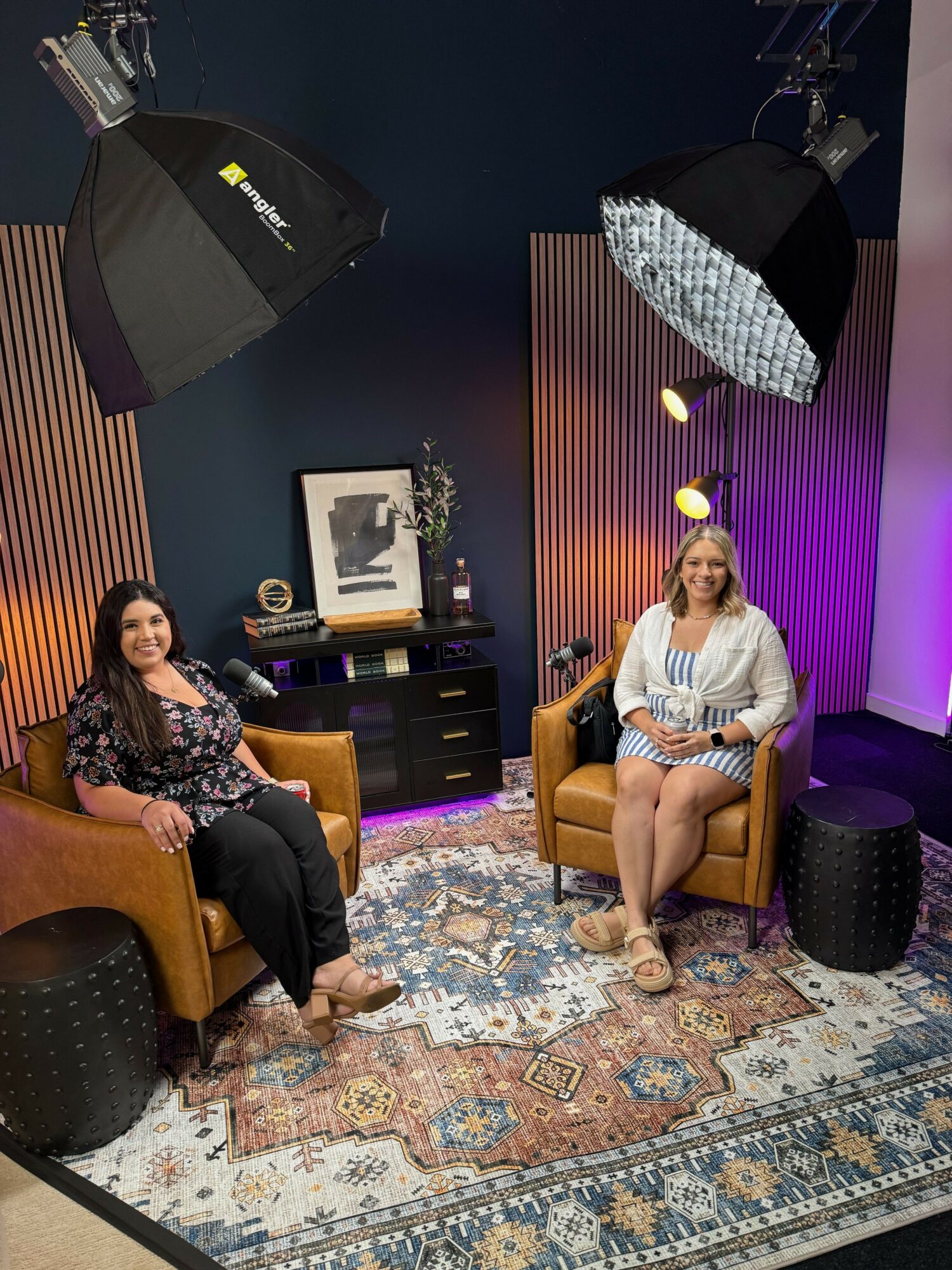
Image Credits
All professionals photo are credited to Arcpoint Studios with George Apodaca & Austin Young.