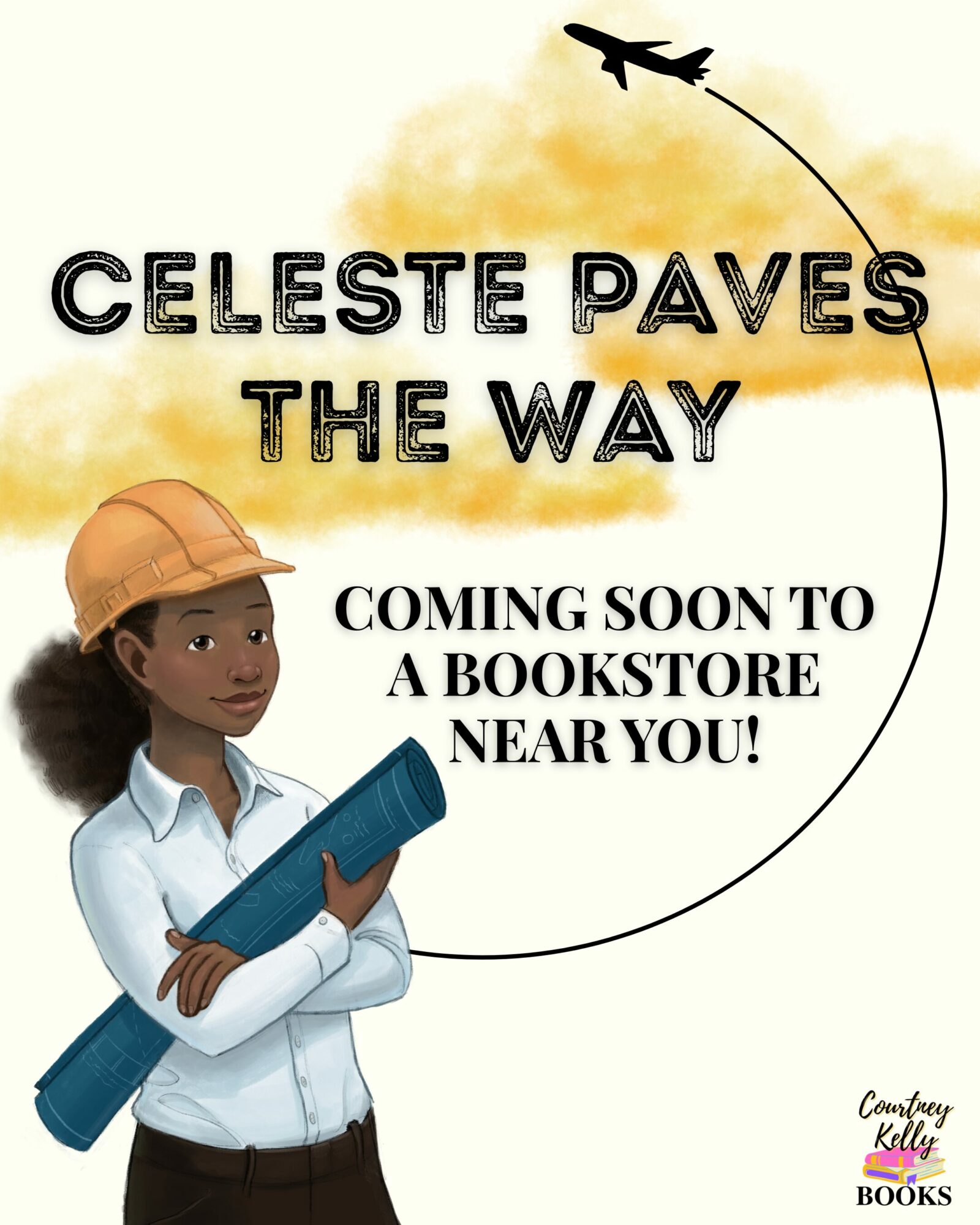






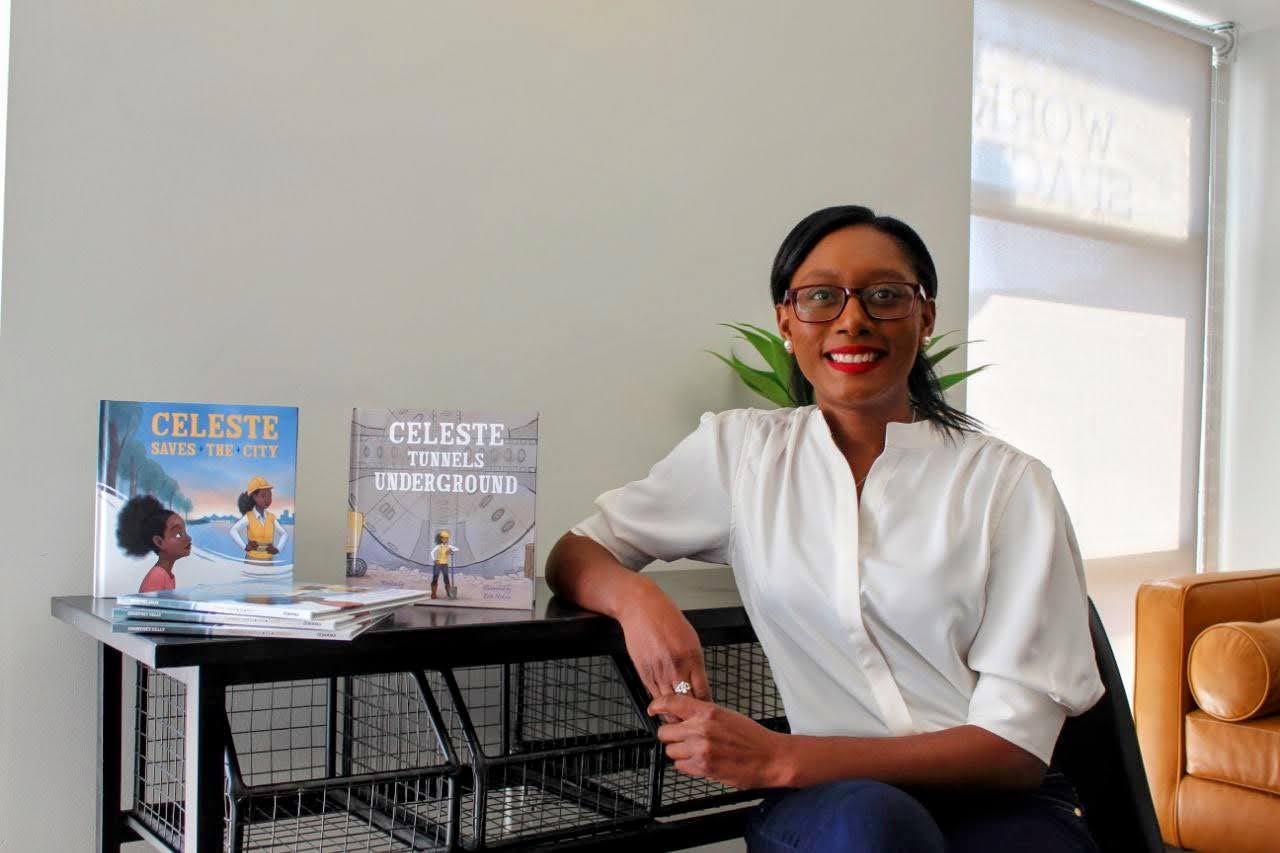
With the upcoming release of Celeste Paves the Way, engineer and author Courtney Kelly continues her mission of introducing young readers to the hidden worlds behind everyday infrastructure. Inspired by her work on projects at major airports and her experiences traveling the globe, Kelly crafted a story that explores the complex teamwork behind aviation construction—from civil engineers designing runways to crews ensuring safety on the airfield. As the newest installment in the Celeste series, following Celeste Saves the City and Celeste Tunnels Underground, the book highlights lesser‑known careers that keep airports running while encouraging girls and other young readers to imagine themselves in STEM roles. For Kelly, the goal is simple but powerful: spark curiosity today so the next generation of engineers, builders, and innovators can help shape the infrastructure of tomorrow.
Courtney, congratulations on the upcoming release of Celeste Paves the Way. What inspired you to continue the Celeste series and focus this book specifically on aviation and civil engineering?
Thanks so much! After releasing my first two titles, Celeste Saves the City and Celeste Tunnels Underground, I started to think about the desired impact for the next book in the collection. My experiences working on various projects at Dallas-Fort Worth International Airport and Love Field Airport coupled with the joy of traveling across the world made me want to write about aviation for the next release. When it comes to construction, airports are a really unique environment that requires an intense amount of planning, coordination, and of course safety of the teams, airport personnel, and travelers is paramount. The projects that I’ve been a part of were challenging, but rewarding, and there’s an immense sense of pride whenever I get to revisit my work if I’m flying out of Dallas. As a result of my time on the airfield, I was also able to have a behind-the-scenes look at the hard work that goes into making airports run smoothly. Celeste Paves the Way was created to celebrate all of the people who allow this to happen across the board.
This book offers a rare behind-the-scenes look at how airports are designed and built. Why was it important to you to spotlight the many careers — and people — that make aviation infrastructure possible?
When you travel through an airport, there are some jobs that are instantly recognizable, like the roles of pilots, flight attendants, and baggage handlers, so I saw an opportunity in this book to offer a glimpse into other careers that may be less well-known. This starts with a focus on civil engineers who design the layout of the airport and develop the material types and thicknesses needed for pavement in different areas. As they debate whether asphalt or concrete would provide the best surface, Celeste ventures to a materials testing lab to perform experiments that will provide the needed information. While the design is being finalized and preparations are underway, she visits an airplane mechanic who tells her more about the conditions that could make it difficult for planes to fly. This leads her to participate in a walk with the “FOD SQUAD” to look for foreign object debris. This crucial task consists of checking the ground for small rocks or trash that may be sucked into the engines of planes and can cause major damage. Once construction starts, members of the team are seen placing rebar, operating large pieces of paving equipment, and vibrating the concrete in place to ensure that no voids are present. All of these operations are important aspects of paving, but additional care must be taken once you consider that planes will be landing on it.
Representation is a strong theme throughout the Celeste collection. How do you hope young readers, especially girls interested in STEM, see themselves reflected in this story?
I hope that when a kid picks up any of my books, they find a way to relate to Celeste or the images of the other people seen in the stories. This is especially important for girls because studies have shown that they lose their sense of confidence in STEM subjects as they get older. The Celeste collection gives them a touchpoint to continue to believe in themselves. When they get to the end of the story, they turn the page and realize that I’m paving the way for them, so they shouldn’t give up. Additionally, I’ve included a special tribute to aviation pioneers of the past. It’s really meaningful to look back and appreciate those who have broken barriers and to be inspired by them too.
With aviation travel increasing worldwide and infrastructure facing major challenges, how do you see books like Celeste Paves the Way playing a role in shaping the next generation of engineers and builders?
One of the beauties of aviation is that it connects people across the world. I see Celeste Paves the Way as a means of adding to that connectivity by providing a spark that will create or reinforce curiosity about aviation and civil engineering in the next generation. There may be a kid who’s never been on a plane before but reads the book and builds a desire to strive towards a career in aviation. Another may be fascinated by the paving operation and go on to design the next iteration of equipment that allows us to build in a unique way. The possibilities are endless when I think of the touchpoints that could come about as a result of young minds engaging with the text and the images throughout the book.
Looking ahead, what do you hope readers — both kids and adults — take away from this third installment, and what’s next for the Celeste series?
For this book in particular, I hope it makes readers look at the world of aviation a little differently. Right now, when someone thinks of an airport, certain images come to mind. After reading it, I hope that image has expanded to include a broader perspective of what it took to build the elements that were needed and the people who played a role then as well as those who continue to play a role as it operates. What’s next? Well, I’ll let you in on the secret – Celeste will be building a bridge. Physically, she will take part in designing and constructing it, but this bridge will also serve a symbolic purpose as it unites communities that had been previously separated.
Links:
- Press Release – Kids Book Inspires Aviation and Engineering Careers
- Preorder Listing – Celeste Paves the Way