






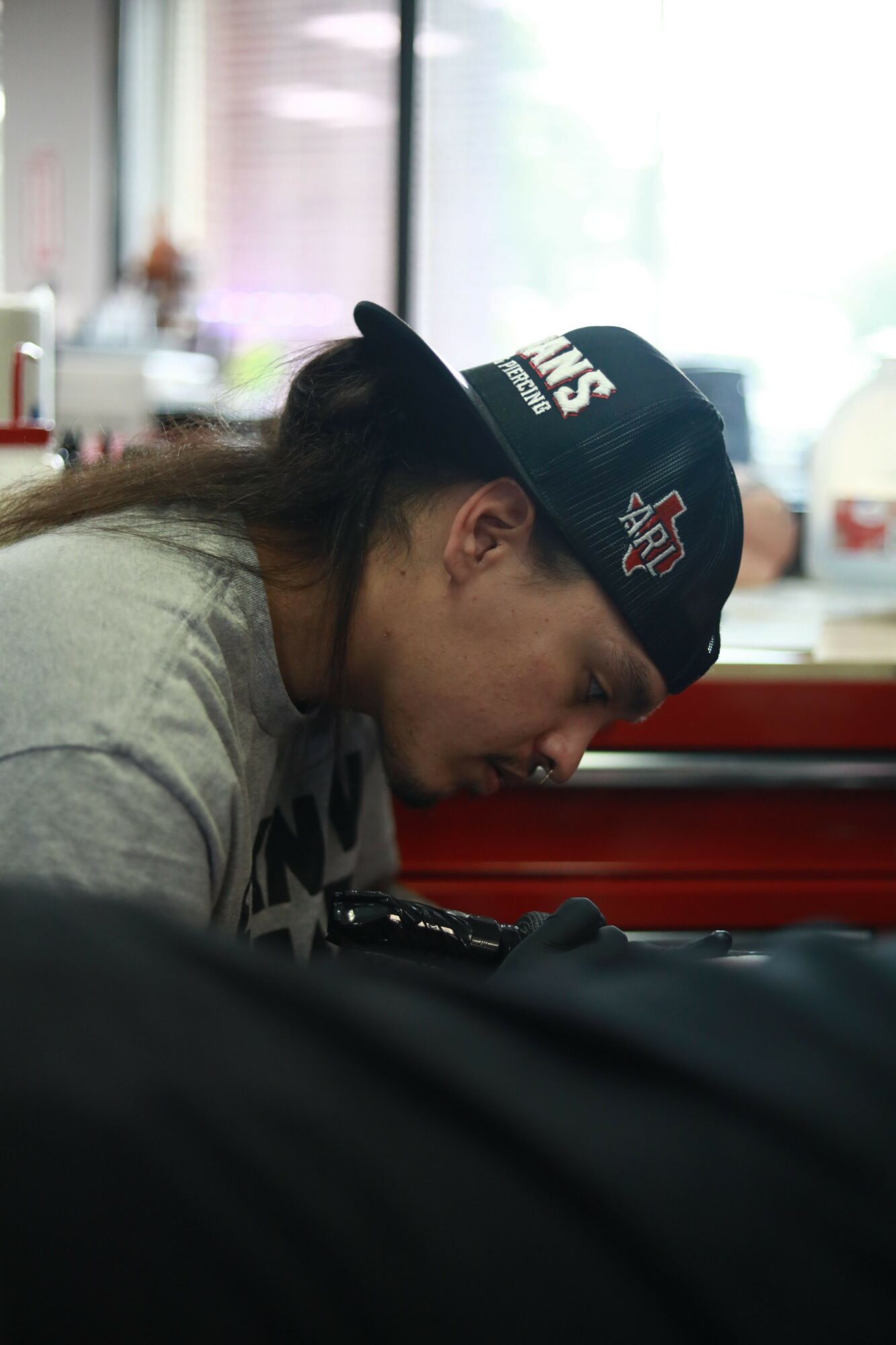
Today we’d like to introduce you to Elijah Wells.
Hi Elijah, so excited to have you with us today. What can you tell us about your story?
I was born and raised in Hawai‘i, and from early on, I was surrounded by the raw, DIY spirit of tattoo culture. I remember watching my mom give herself stick-and-poke tattoos, and seeing the neighborhood homies tattooing each other on porches and in garages. That energy stuck with me.
By the time I was in 11th grade, I was already known as “the artist” in school. Friends would hand me their planners to decorate with custom drawings, and soon those doodles turned into tattoo designs. A few of my friends even took those sketches straight to a tattoo shop—and came back inked. They kept telling me, “You should be doing this. You’d be good at it.”
That was the spark. I started going around to tattoo shops across O‘ahu, hoping to land an apprenticeship, but no one was taking on new artists. Instead of giving up, I took matters into my own hands. I completed my BBP certification, got my blood work done, submitted everything to the health department, and got licensed. Then I my girlfriend at the time bought my first tattoo kit.
At the time, I didn’t realize how risky that route could be—but I was determined. I had friends and family who trusted me enough to let me practice on them. That’s how I began honing my skills, one tattoo at a time.
If I’m honest, I do wish I had a traditional apprenticeship. I know it could’ve fast-tracked my growth. But the path I took—unconventional and gritty—made me appreciate every bit of the grind. It taught me to hustle, stay humble, and never stop evolving.
Alright, so let’s dig a little deeper into the story – has it been an easy path overall and if not, what were the challenges you’ve had to overcome?
The journey definitely wasn’t smooth—it was the hardest path I could’ve taken, and I took it head-on. When I started, there wasn’t much accessible information about tattooing. No tips, no tricks, no mentors—just me, trying to figure it all out through trial and error.
In the beginning, I wasn’t charging anyone. I knew I was still learning, and I wanted to earn my stripes the right way. But bills don’t wait, so I held down a job at The Cheesecake Factory in Hawai‘i while tattooing on the side. There were plenty of people who told me to quit and get a “real job,” but I never let that discourage me.
Some nights I’d be tattooing until 4 in the morning—eyes tired, hands sore—but I didn’t care. I was locked in. Every late night, every mistake, every win was part of building something I truly believed in. I wasn’t just learning how to tattoo—I was learning how to bet on myself.
As you know, we’re big fans of you and your work. For our readers who might not be as familiar what can you tell them about what you do?
I’m a tattoo artist currently based in Texas, specializing in custom lettering and known for my fine line work. Originally from Hawai‘i, I grew up surrounded by Polynesian tribal art—a style deeply rooted in geometric patterns and precision. That early exposure naturally shaped my approach to fine lines and detail-oriented design.
Today, I’m recognized for my fine line, calligraphy, and black-and-gray work. But what truly sets me apart is my versatility. While those are my signature styles, I take pride in being able to adapt across a wide range of artistic approaches—and make each one look just as strong.
The journey to get here wasn’t easy, but every challenge helped mold me into the artist I am today. And I wouldn’t trade that process for anything.
In terms of your work and the industry, what are some of the changes you are expecting to see over the next five to ten years?
One major shift I see happening in the tattoo industry is the growing saturation—it’s more crowded now than ever, and it’s only going to keep increasing. Along with that, there’s a noticeable divide forming within the tattoo community. It used to be a tight-knit scene, where artists had each other’s backs. Now, that sense of unity feels like it’s fading.
I also see the economy playing a big role in shaping the future of tattooing. If there’s a major downturn or collapse, it could serve as a reset. It’ll separate those who are truly passionate about the craft from those who are in it just for the money. At the end of the day, only the ones who really love tattooing will stick it out when things get tough.
Pricing:
- Shop minimum-$100
- For larger tattoos will need a consultation. It’s like asking how much a cart of groceries cost. Depends on what you put into the cart.
Contact Info:
- Instagram: https://www.instagram.com/elijahajwells?igsh=MXg4MTQzcXpycWVuNA%3D%3D&utm_source=qr
- Facebook: https://www.facebook.com/elijah.wells.56?mibextid=LQQJ4d
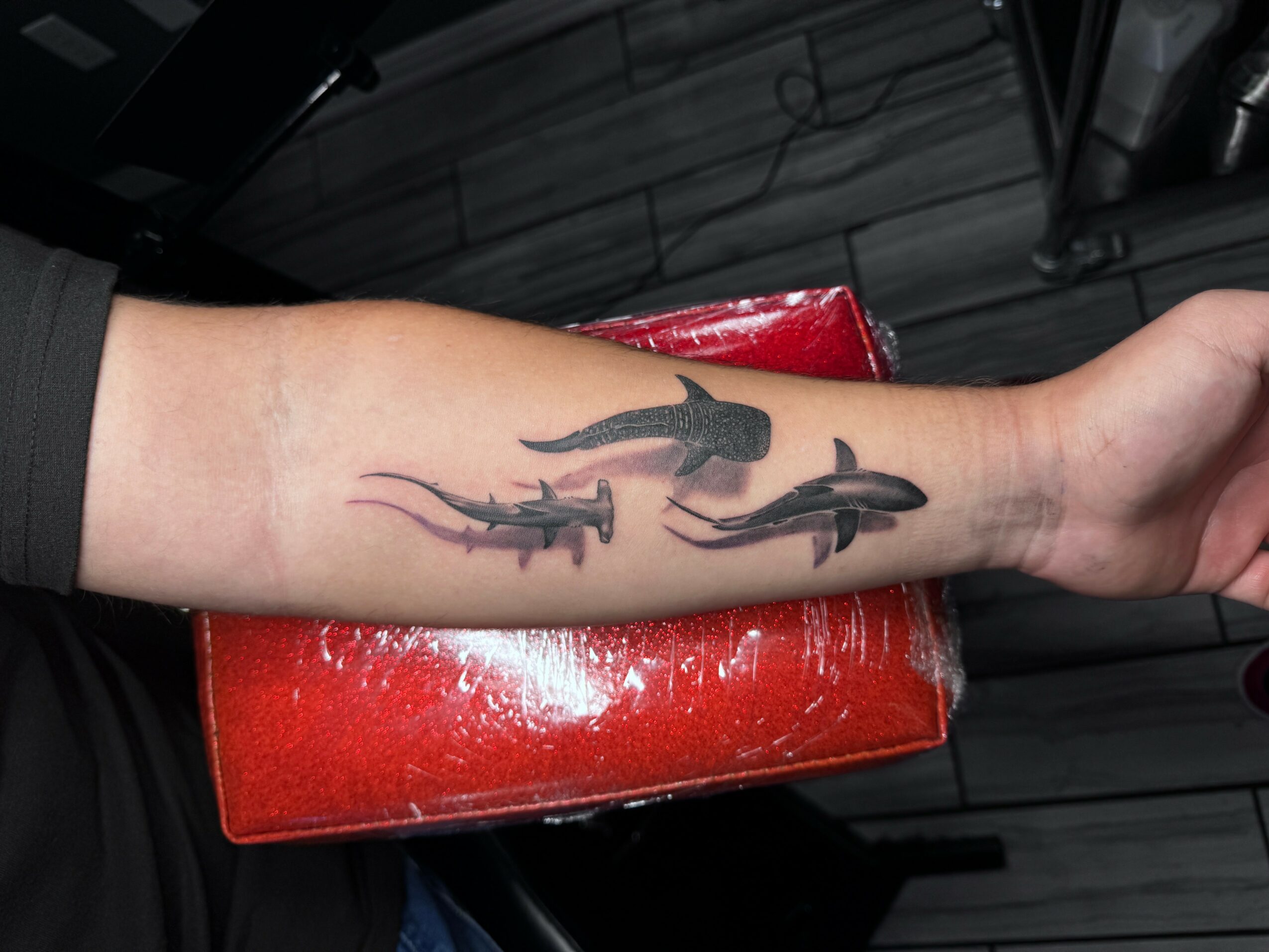
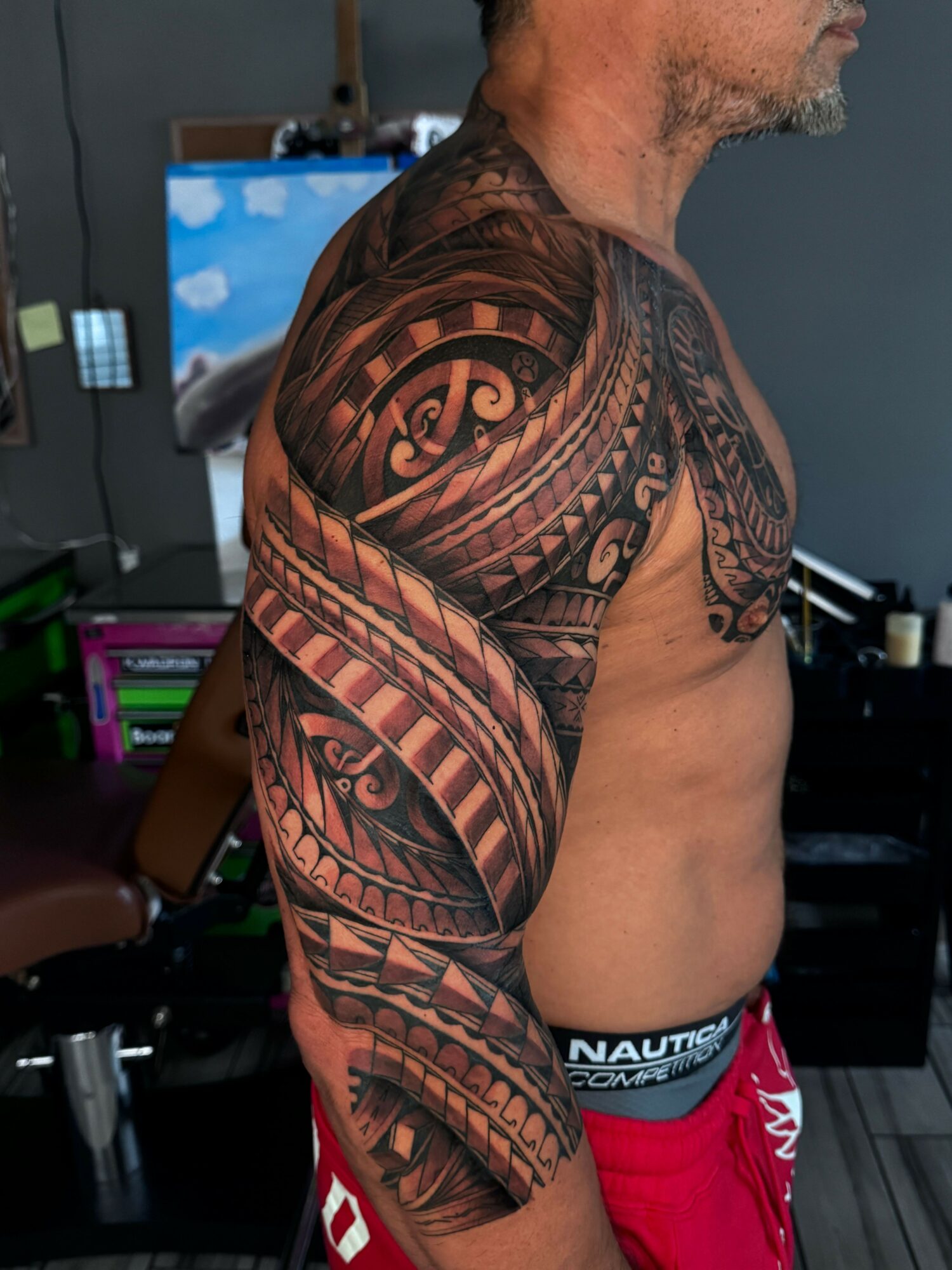
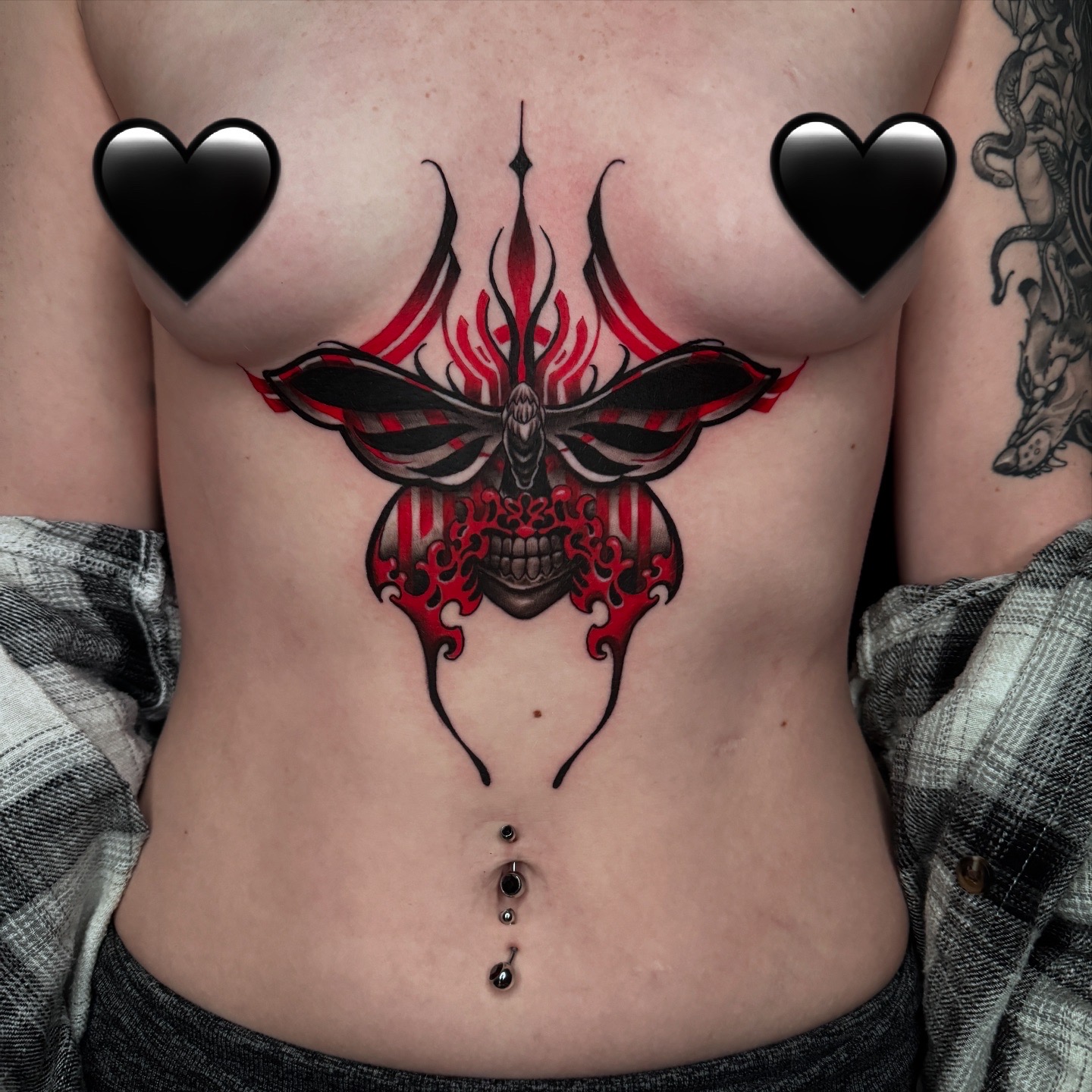
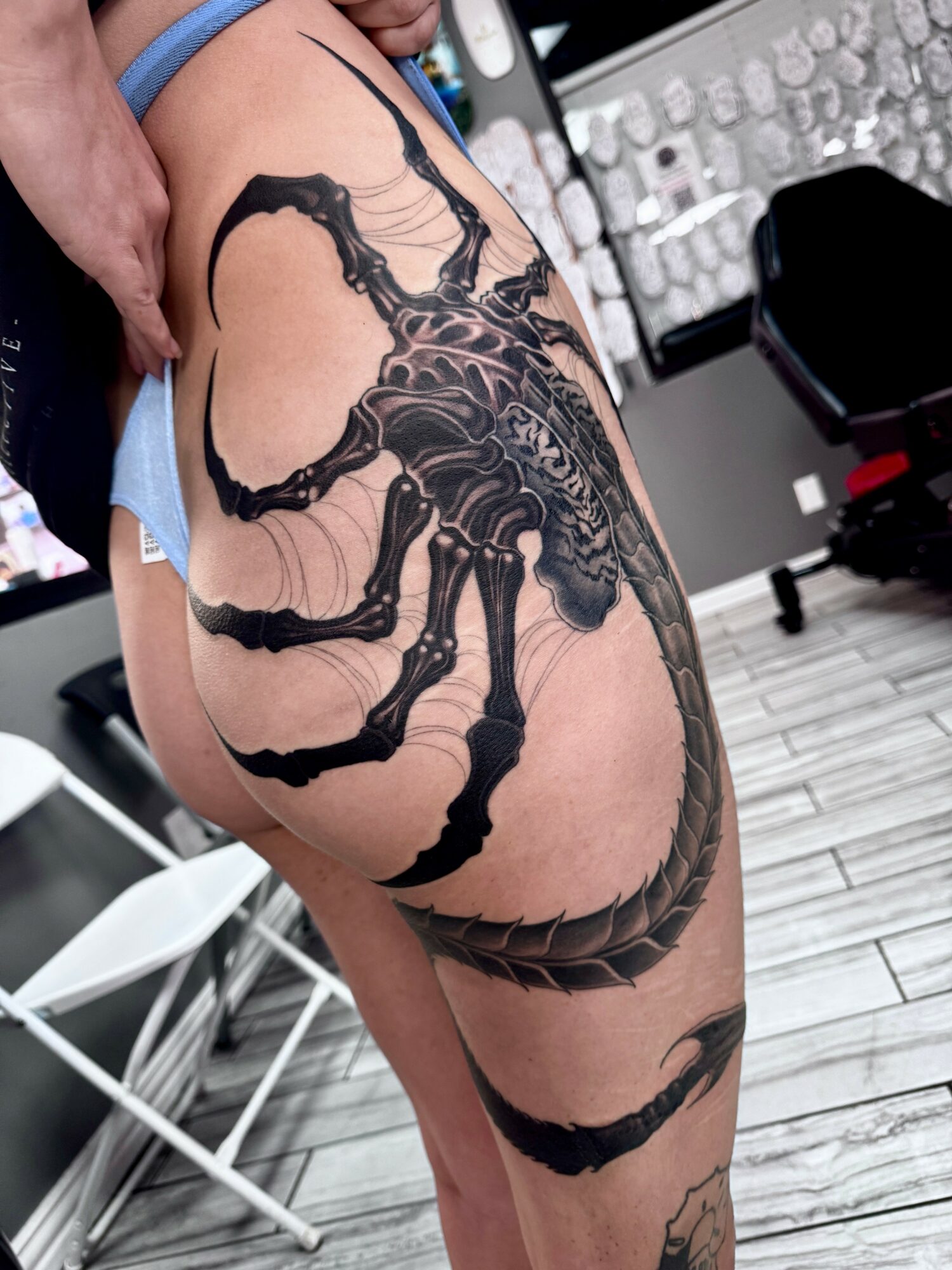
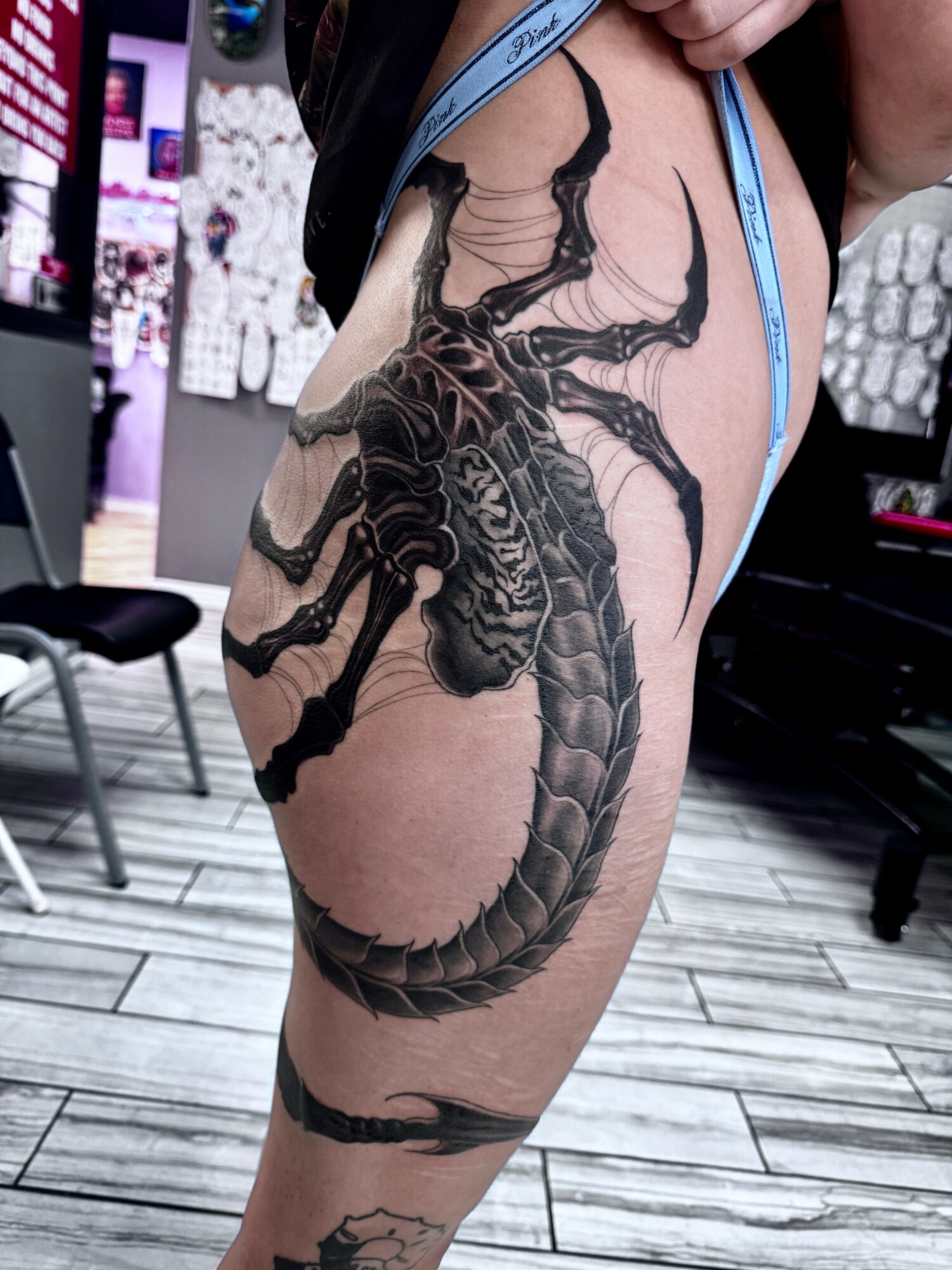
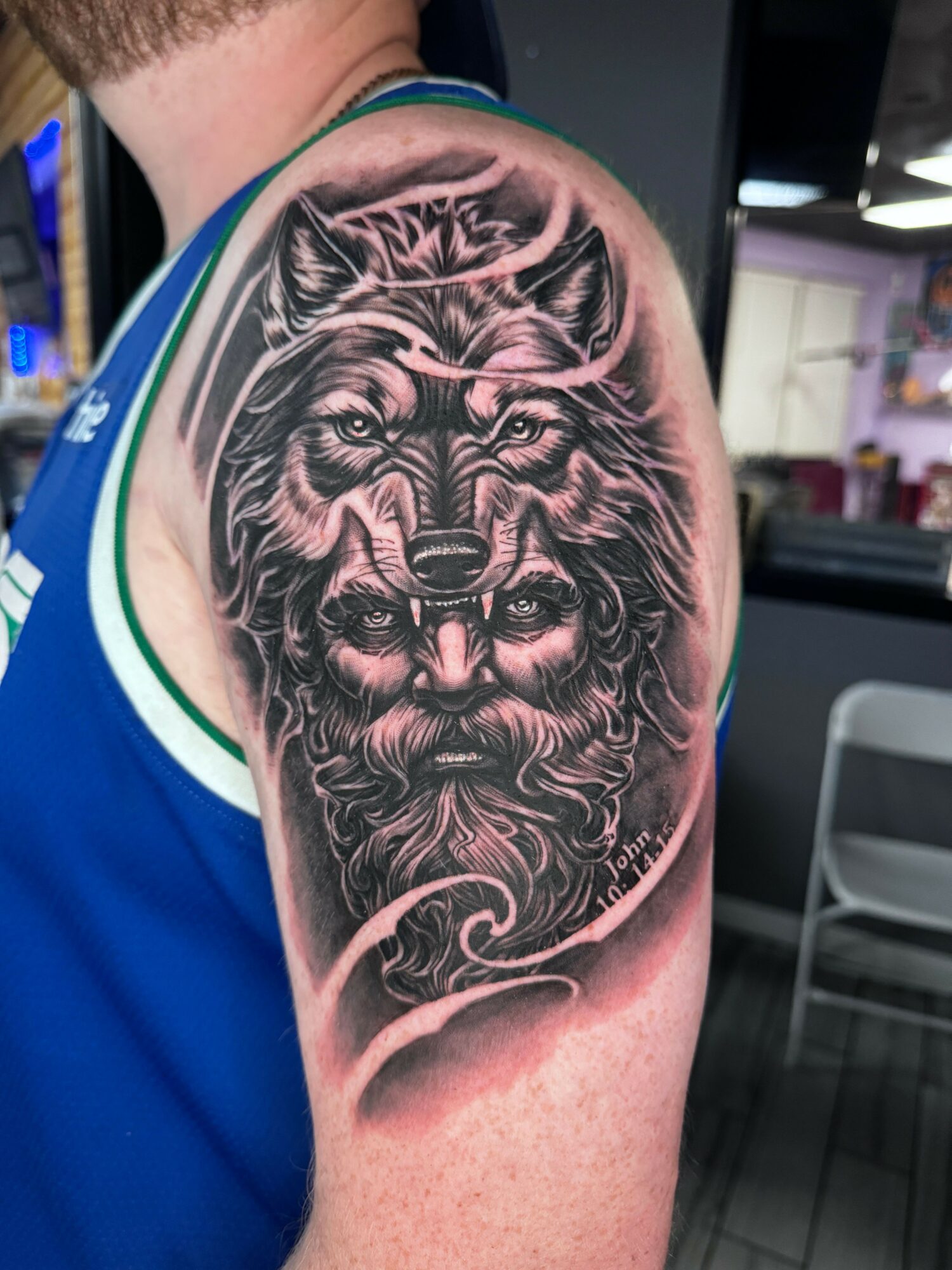
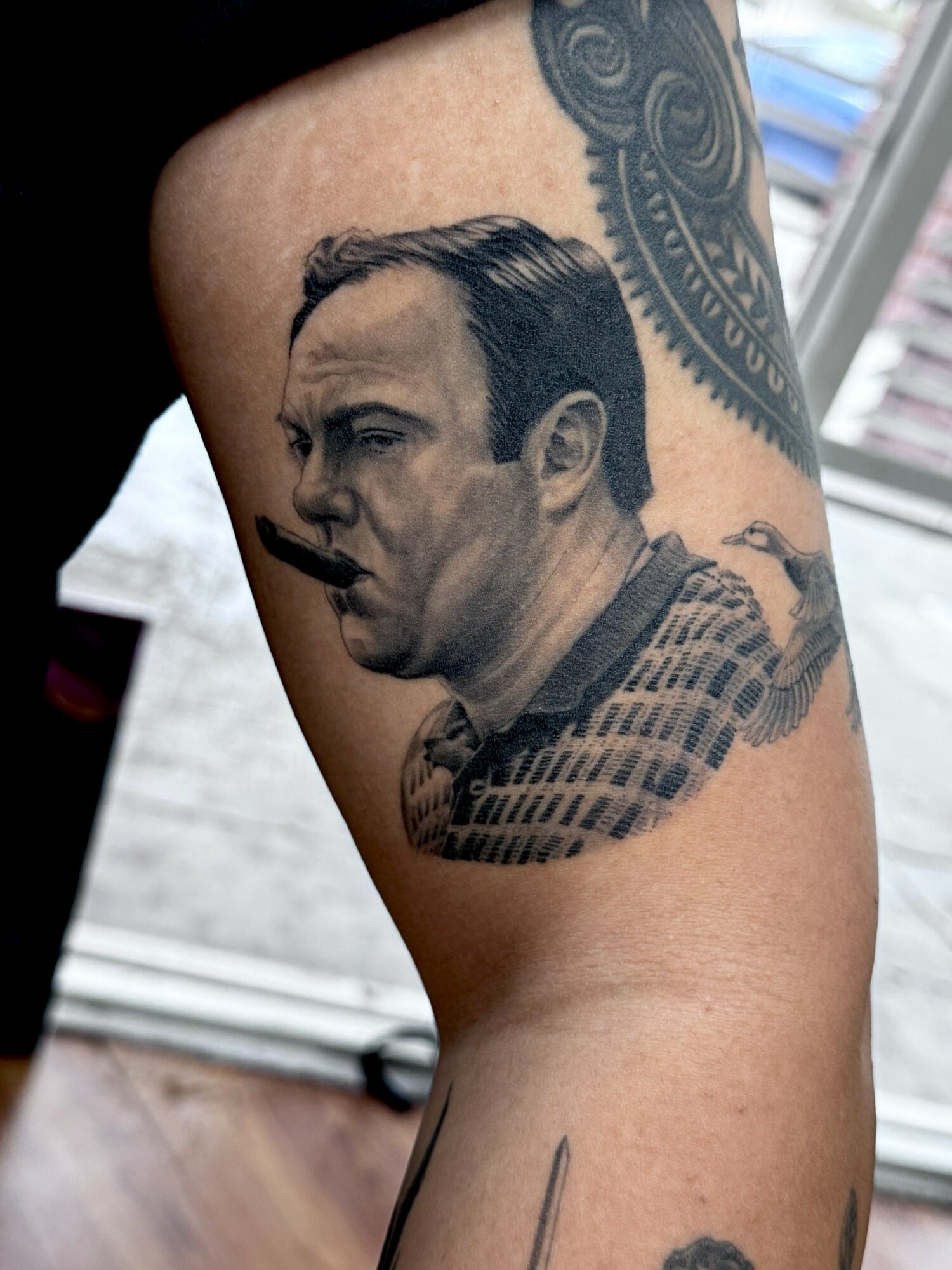
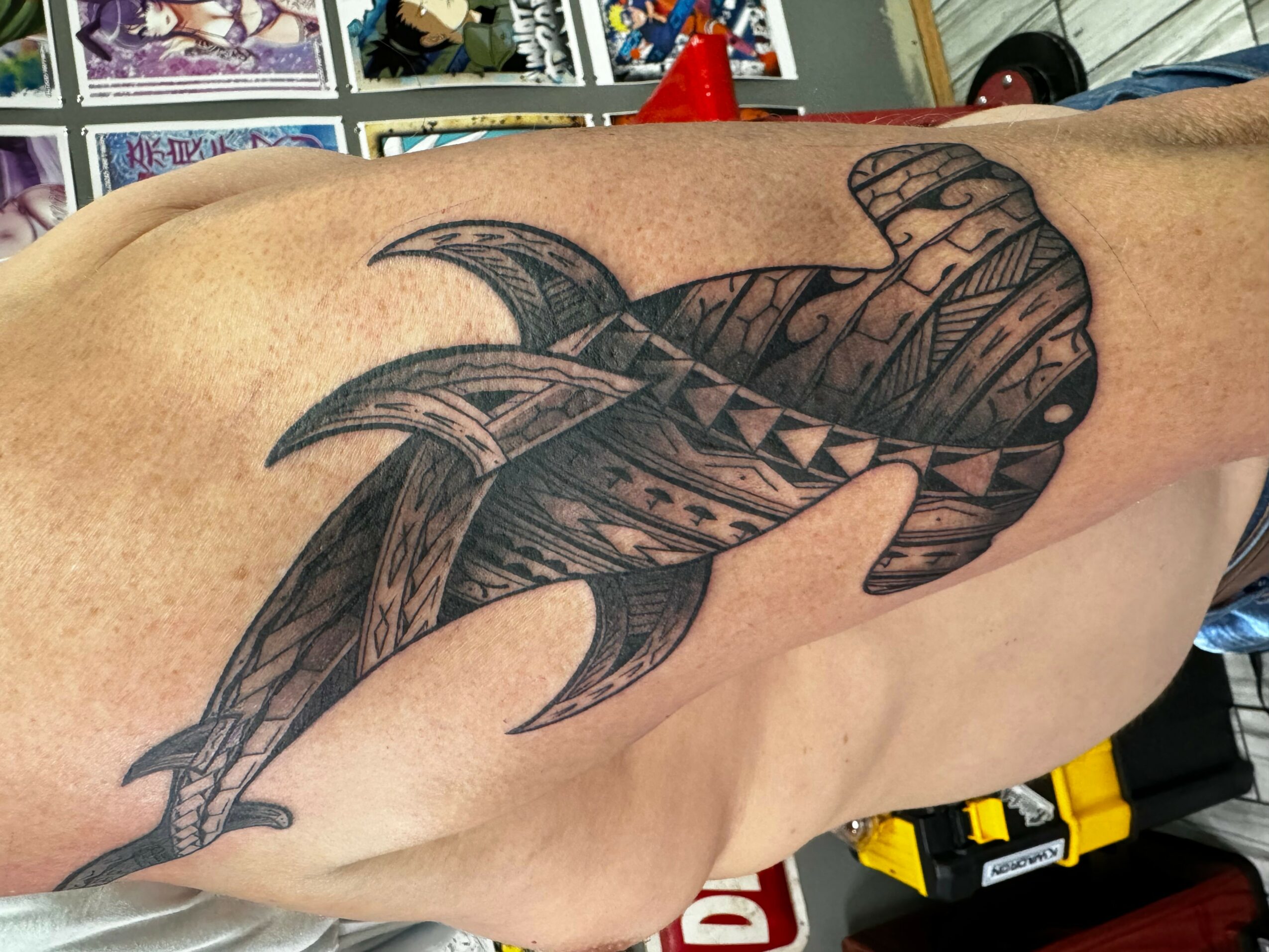
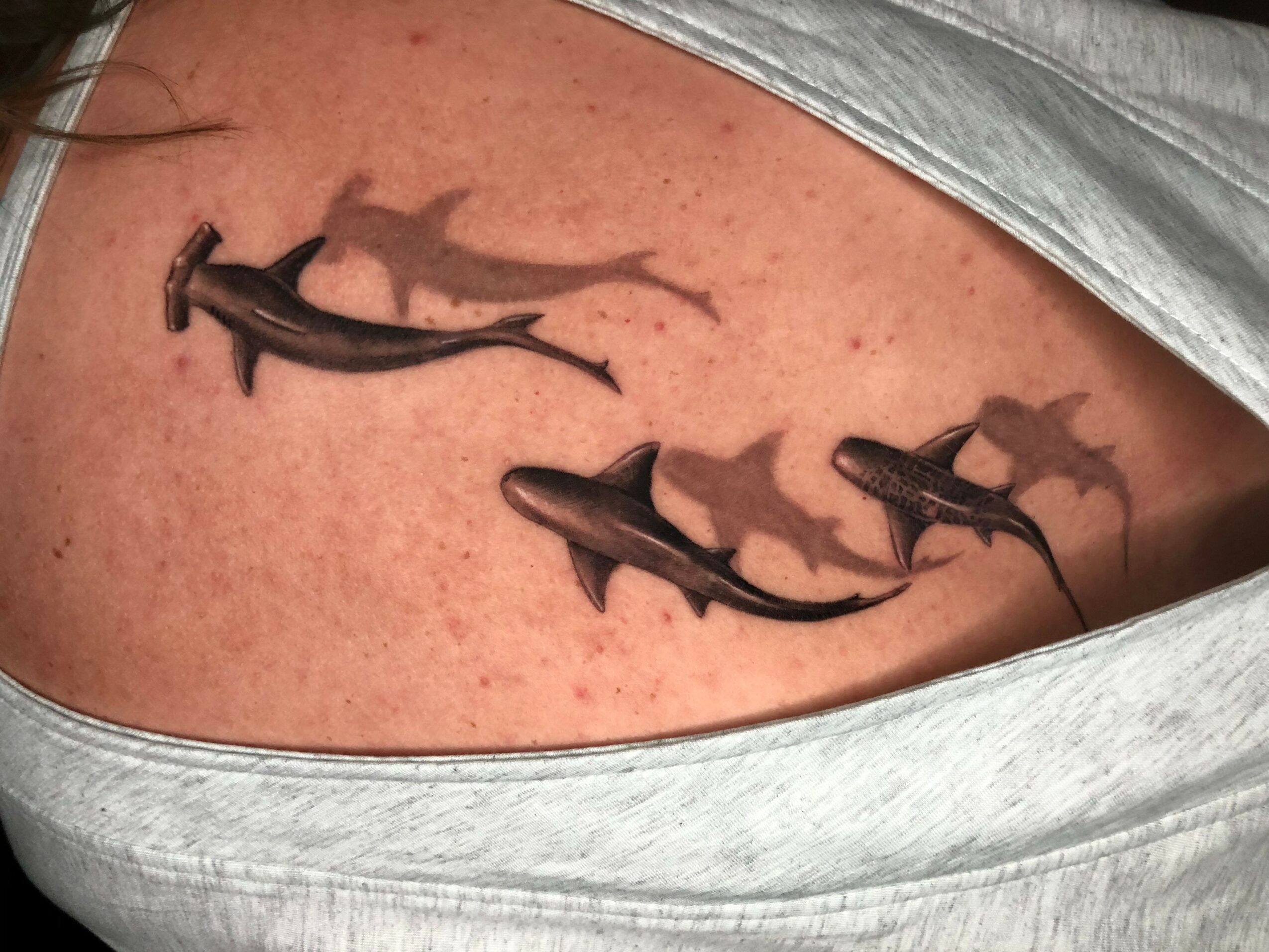
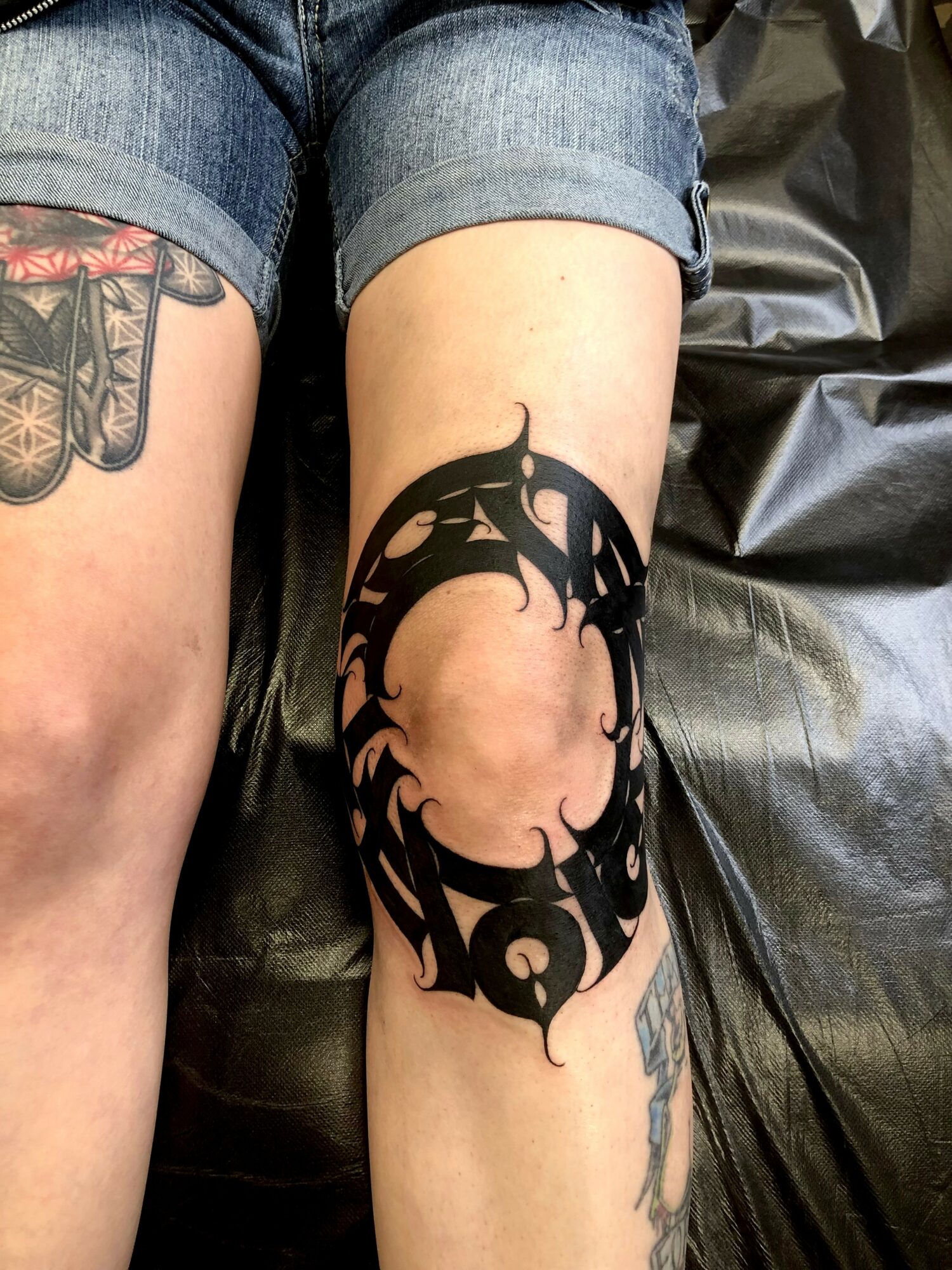
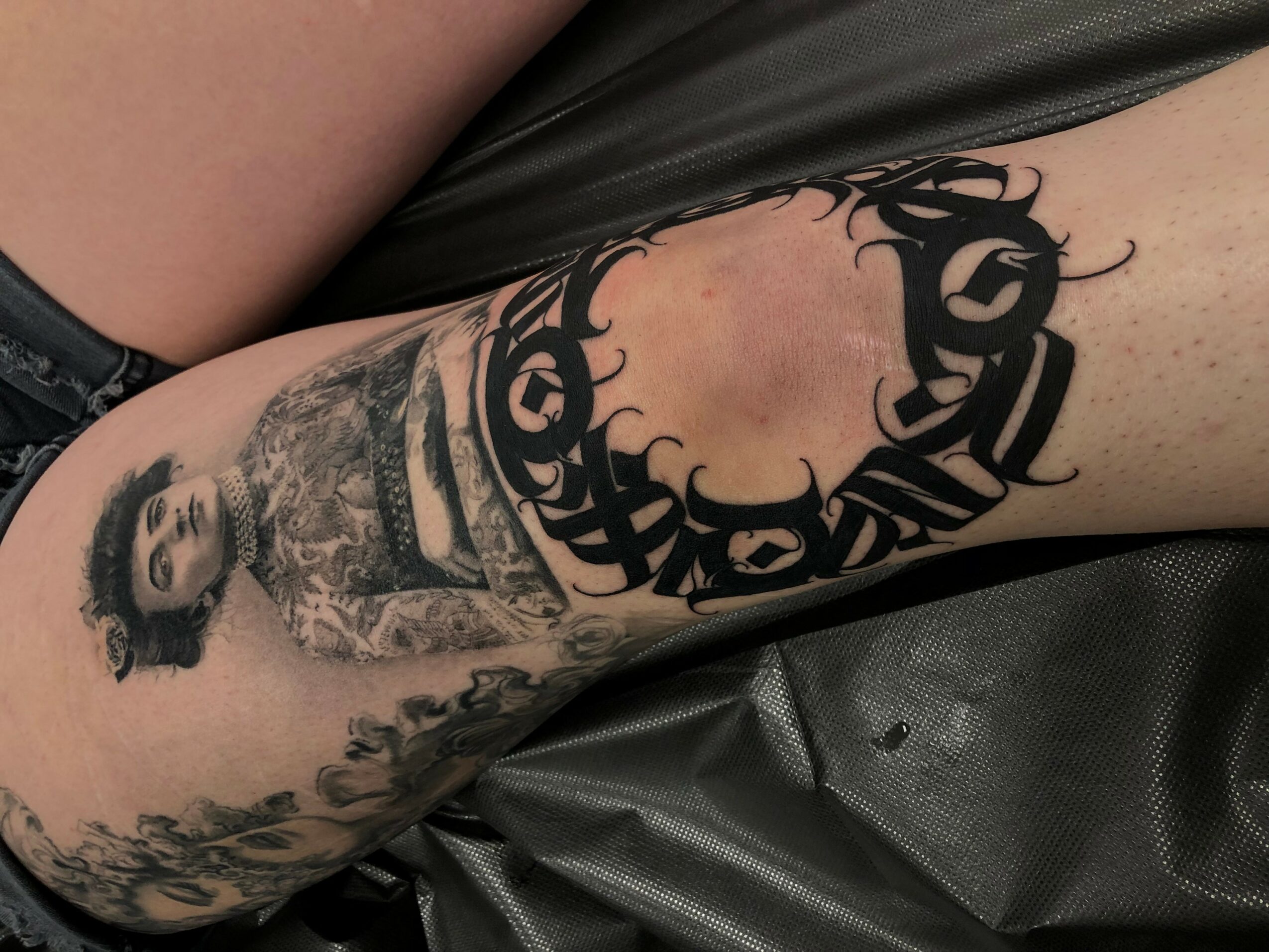
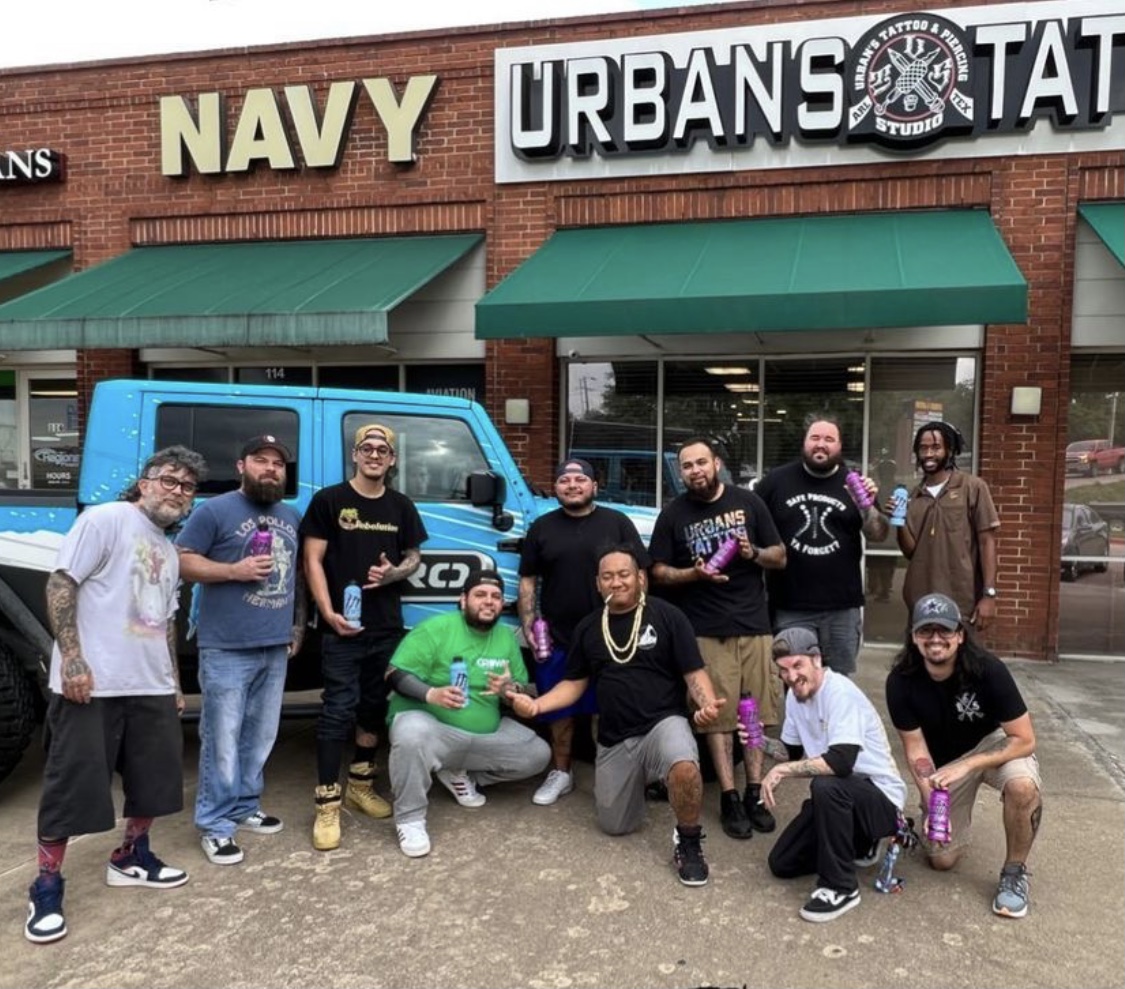
Image Credits
Myself and Jr