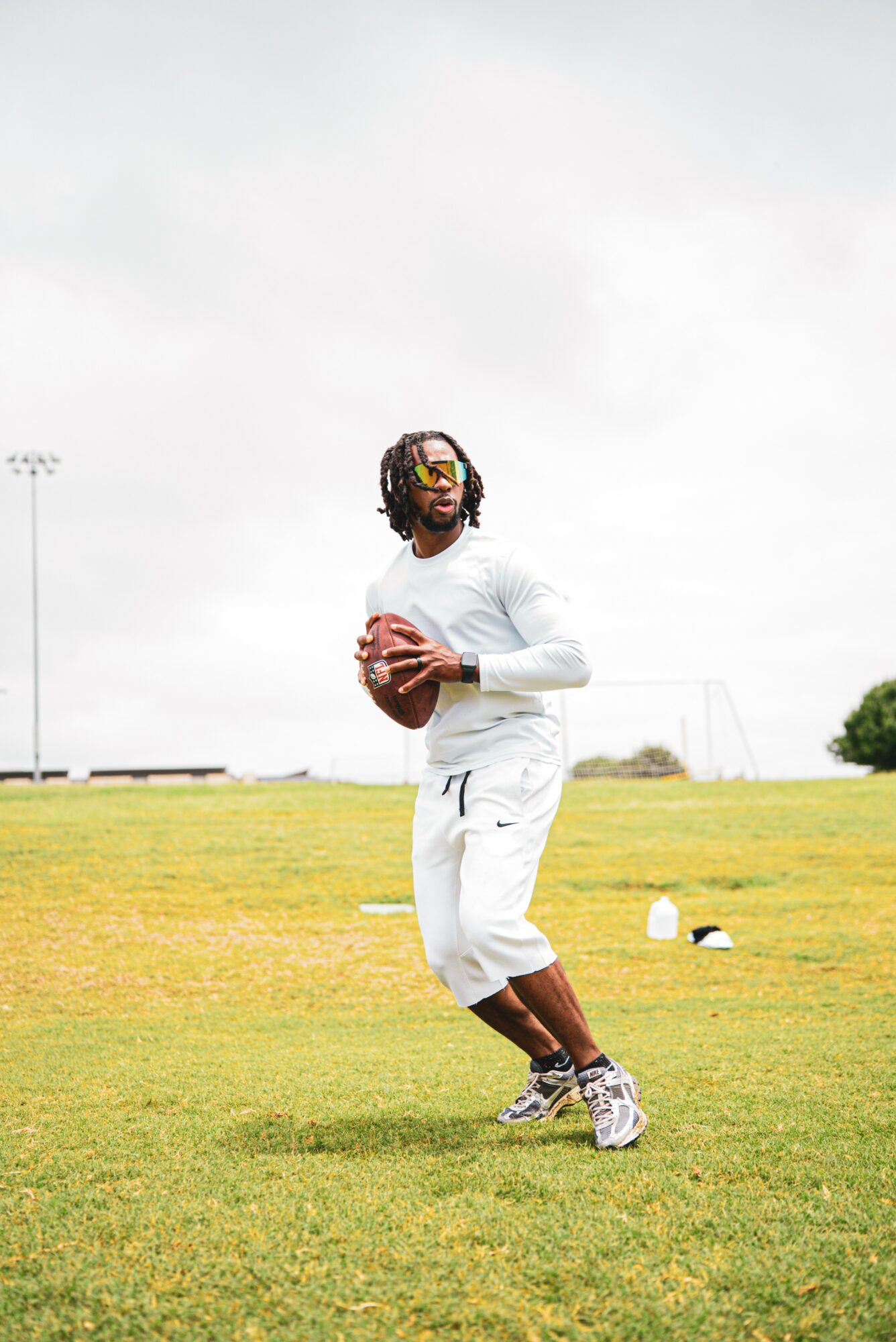






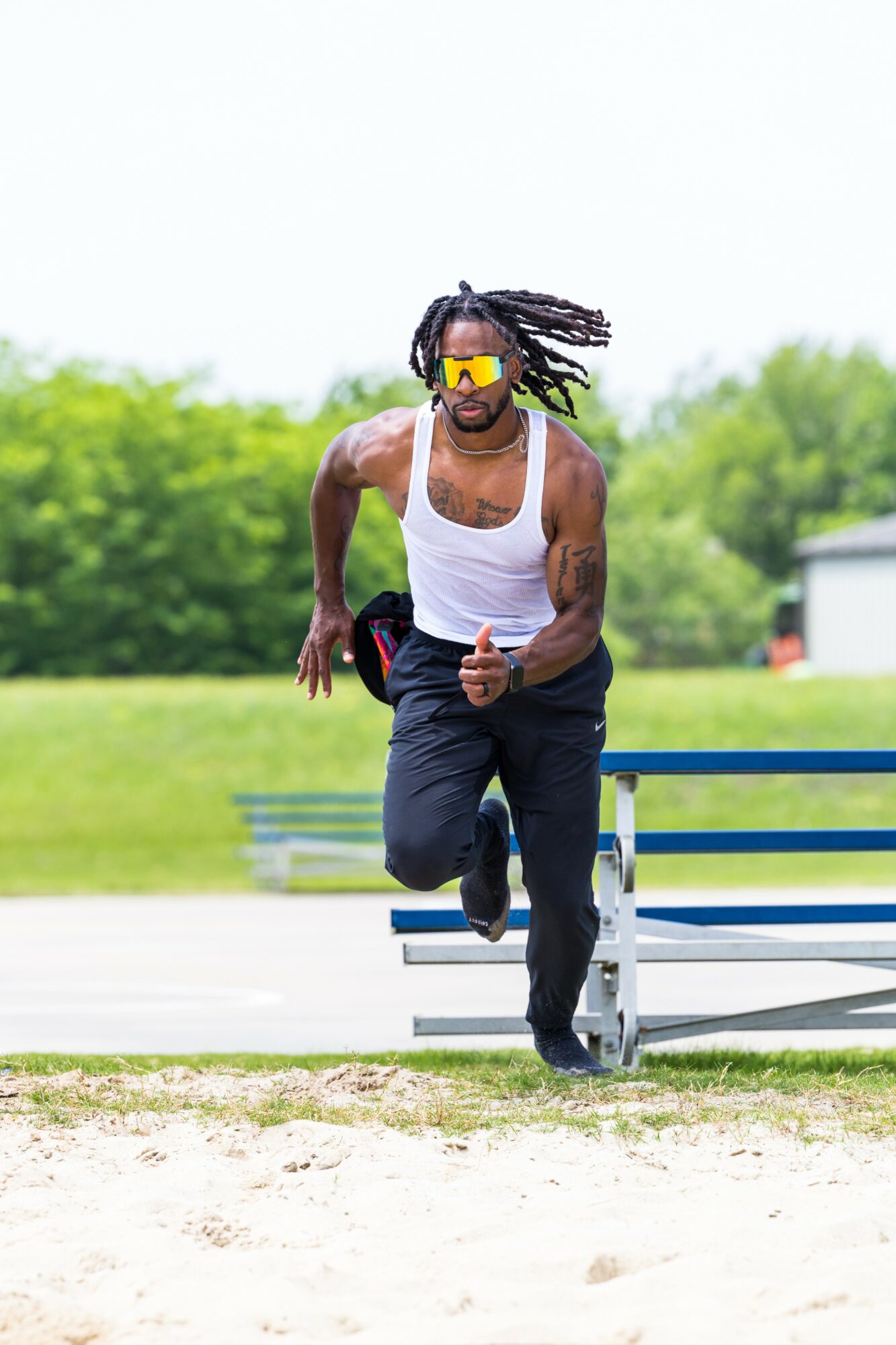
Today we’d like to introduce you to Ephraim Kitchen.
Hi Ephraim, thanks for sharing your story with us. To start, maybe you can tell our readers some of your backstory.
My Story
Sports have been a part of my life for as long as I can remember. Growing up, I played baseball, basketball, track, and football, but by high school my focus became track and football. I was fortunate to earn scholarship offers from dozens of schools and was rated as one of the top defensive backs in Mississippi. Like many young athletes, my dream was to make it to the NFL.
I committed to Louisiana Tech, and as a true freshman I earned playing time immediately. Going into the third game of the season, I was told I would be making my first collegiate start. During our Sunday walkthrough, I jumped for an interception and suddenly felt a pop in my groin. I had torn my muscle and suffered a sports hernia, ending what I thought would be a breakout season.
The following spring I came back stronger than ever, but just as things were looking up, I tore the sports hernia on the opposite side. Instead of shutting it down, I fought through the pain and played in 8–9 games, earning All-Freshman Team honors before having surgery after the season.
After another successful recovery, I entered fall camp believing my best football was ahead of me. Then I broke my ankle. While trying to play through it, I tore my ACL, forcing me to miss another season. Over the next few years, I continued battling soft tissue injuries that limited my opportunities and left me mostly contributing on special teams.
Those years weren’t just physically challenging—they were mentally exhausting. I struggled with depression and even found myself on academic probation three different times. There were moments when I questioned everything, but I refused to quit. I fought my way back academically, graduated from Louisiana Tech in March 2020, and transferred to Georgia Southern for my final season.
Unfortunately, adversity followed me there as well. Three weeks before our first game, I contracted COVID-19 and lost nearly 15 pounds. I was projected to be a starter, but I never fully recovered physically during that season.
Looking back, my injuries became one of the greatest blessings in disguise. Spending so much time on the sidelines gave me a different perspective. I learned how coaches prepared athletes, how details separated good players from great ones, and how much athletes needed someone who genuinely understood what they were going through.
I always knew I wanted to coach, but college made me realize I wanted something bigger—I wanted to build my own gym and train athletes my own way.
Instead of taking the traditional coaching route, I pursued becoming a performance coach and athlete trainer. After Georgia Southern, I gave professional football one more shot, playing arena football for a season before fully committing to training athletes.
I started with almost nothing in Statesboro, Georgia. I walked neighborhoods handing out flyers, introduced myself to anyone willing to listen, and often trained athletes for free or for just $5 to $15 a session. Financially, it wasn’t smart, but I believed I was building something much bigger than money.
Eventually, life forced another major change. After an eviction, my wife, our four-month-old daughter, and I used our tax refund to move to Texas in search of a better opportunity.
My first athlete in Texas was Malik Muhammad, who was a defensive back at the University of Texas. From there, word began to spread. More athletes trusted me, my reputation grew, and new opportunities opened up.
Not long after, we faced another setback and were evicted again. Around that time, I was hired by D1 Training. I didn’t even have a car. I Ubered to work every day, walked to private sessions, and spent hundreds of dollars each week just trying to keep my dream alive.
In the summer of 2025, I finally bought a car. My client base continued to grow, my income improved, and my family was able to move to Frisco—the place we had always hoped to call home.
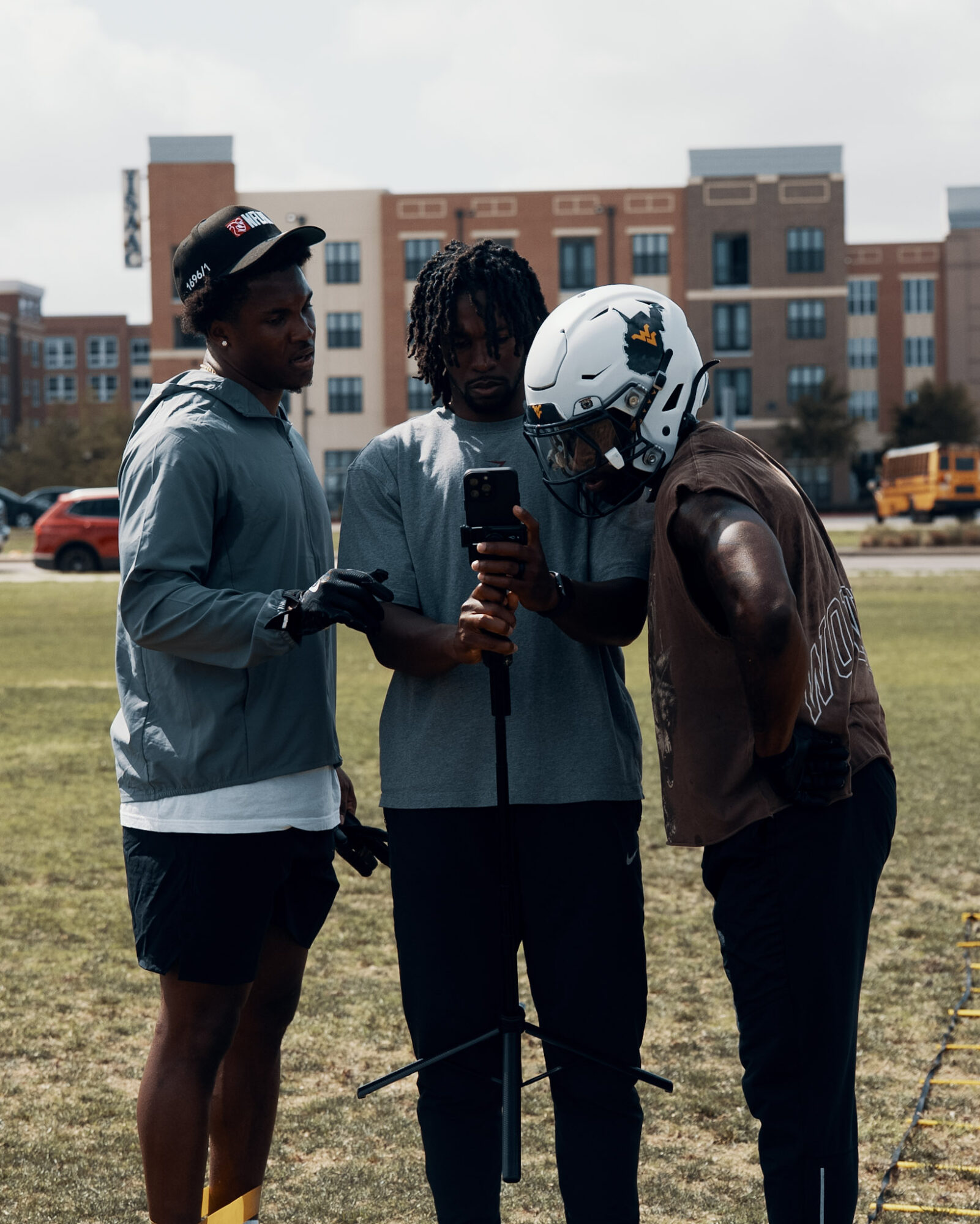
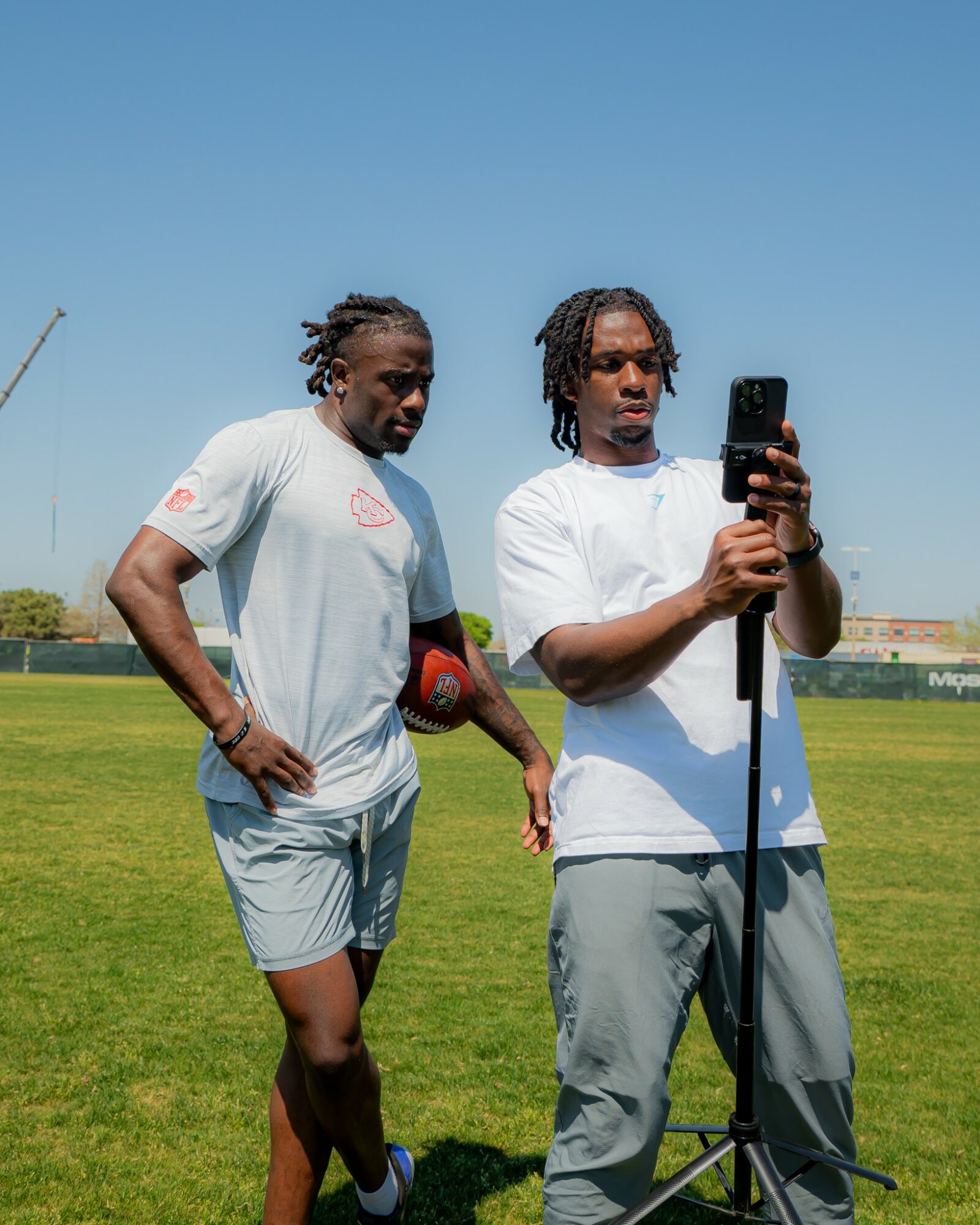
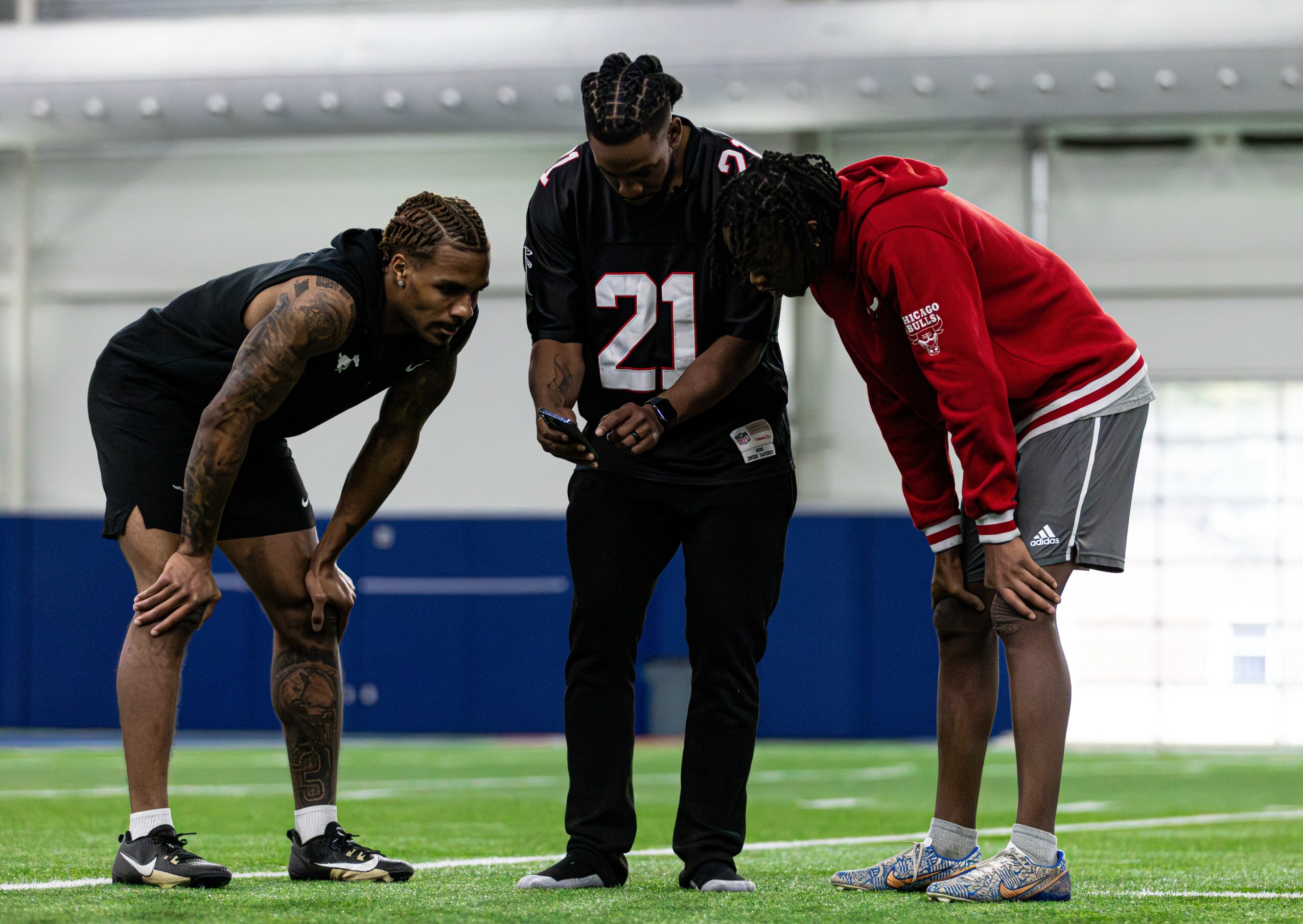
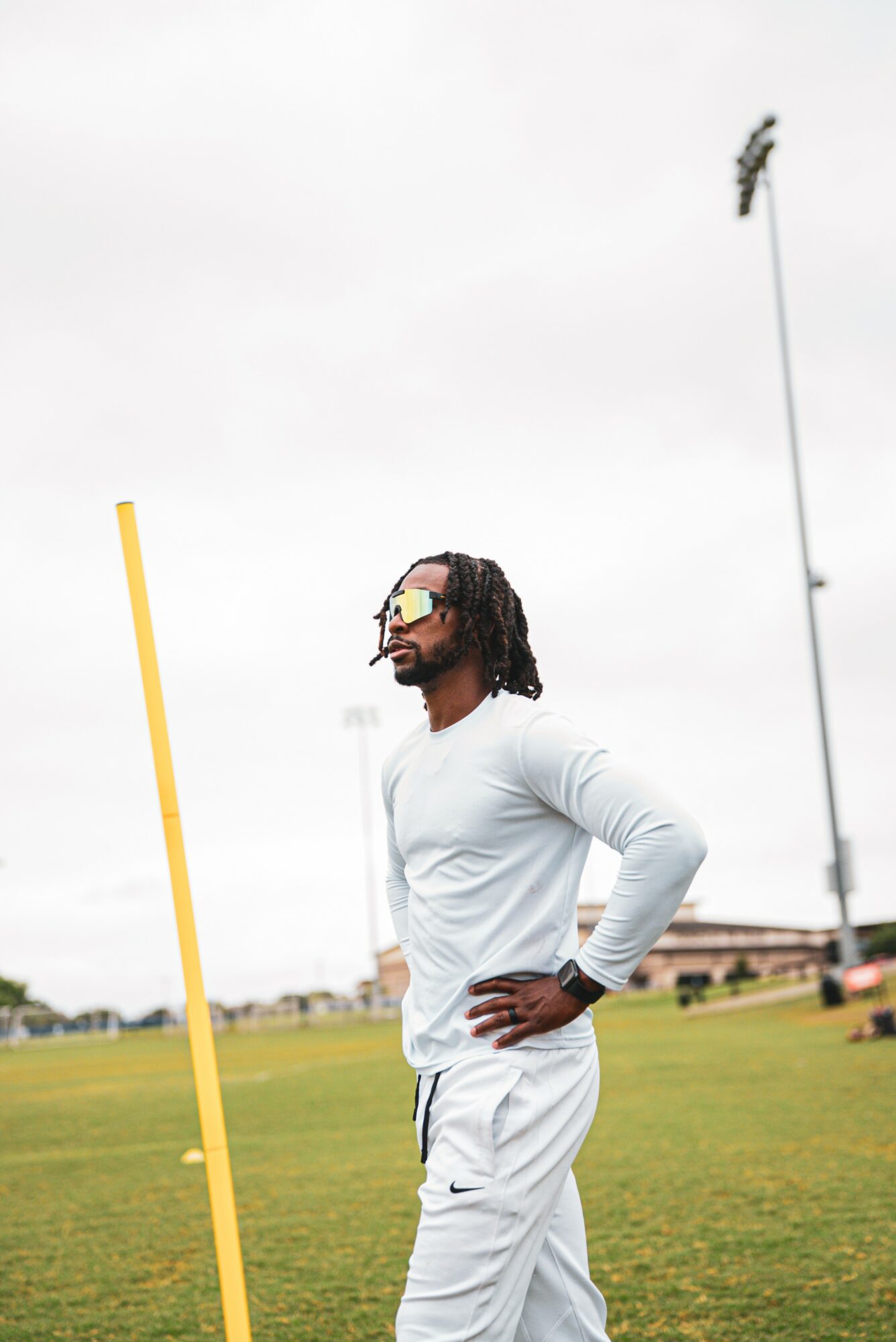
Today, I coach athletes every day, both in person and online, helping everyone from youth athletes to college and professional players maximize their potential. My mission is simple: to give athletes the guidance, preparation, and confidence that I wish I had throughout my own journey.
Every setback I experienced became part of my purpose. My story isn’t about the injuries I suffered—it’s about the impact I’m determined to make because of them.
Can you talk to us a bit about the challenges and lessons you’ve learned along the way. Looking back would you say it’s been easy or smooth in retrospect?
No, it definitely hasn’t been a smooth road. The injuries were tough—I dealt with two sports hernias, a broken ankle, a torn ACL, and several other setbacks throughout college. But honestly, the hardest part wasn’t football.
The biggest challenge was watching my family go through two evictions while I was chasing a dream that hadn’t paid off yet. There were times I got discouraged and questioned if it was all worth it. What kept me going was my faith, my wife believing in me even when things were difficult, and knowing I had a bigger vision. Those experiences taught me resilience and gave me a greater appreciation for every opportunity I have today.
As you know, we’re big fans of you and your work. For our readers who might not be as familiar what can you tell them about what you do?
I’m a sports performance coach who helps athletes become stronger, faster, quicker, and more explosive. While a lot of people know me as a defensive back trainer, I coach much more than that. I’ve worked with quarterbacks, running backs, wide receivers, linebackers, and athletes from sports like soccer, tennis, volleyball, cricket, track, and more.
What sets me apart is my attention to detail. I study movement, identify weaknesses, and build drills that directly translate to making the game easier and improving performance. I’m always looking for ways to turn an athlete’s weaknesses into strengths.
What I’m most proud of is building my business from the ground up and earning the trust of athletes at every level—from youth athletes to college and professional players.
What has been the most important lesson you’ve learned along your journey?
The biggest lesson I’ve learned is the value of patience. Early on, I always wanted results immediately, but I’ve learned that real growth takes time. I’ve also realized how important it is to take care of my body—not just physically, but mentally and emotionally as well. As an athlete and now as a coach, I’ve learned that consistency, discipline, and taking care of yourself are what allow you to perform at your best over the long term.
Contact Info: