




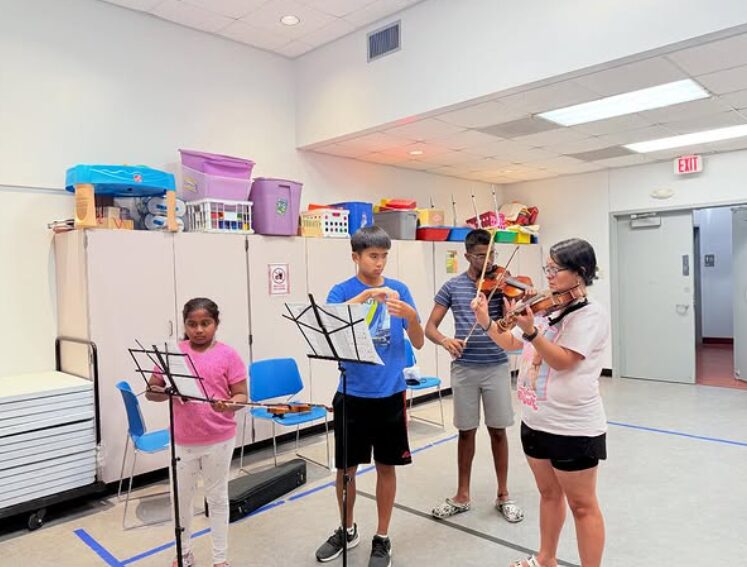
Today we’d like to introduce you to Music No Boundaries.
Alright, so thank you so much for sharing your story and insight with our readers. To kick things off, can you tell us a bit about how you got started?
I started Music No Boundaries because music has been such a meaningful part of my life, and I realized that not every child has the same opportunity to learn an instrument. Growing up, I saw how music builds confidence, discipline, creativity, and joy, but lessons and instruments can be expensive and inaccessible for many families. That made me want to create something that could make music education more available.
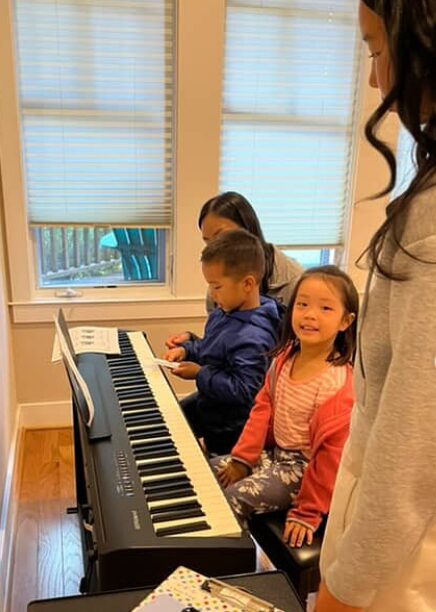
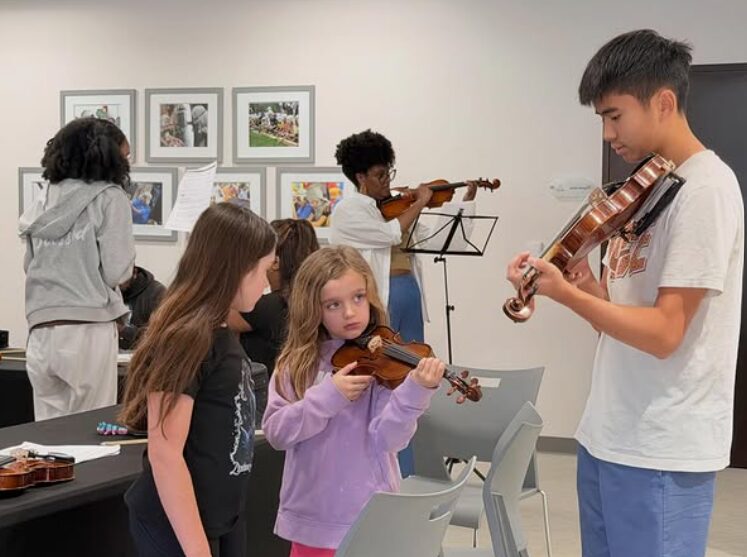
With that in mind, my brother and I founded Music No Boundaries, a student-led nonprofit that provides fully funded music instruction for children. We wanted it to be more than just lessons. We wanted it to be a way for students to discover their potential, express themselves, and feel supported while learning something beautiful and challenging.
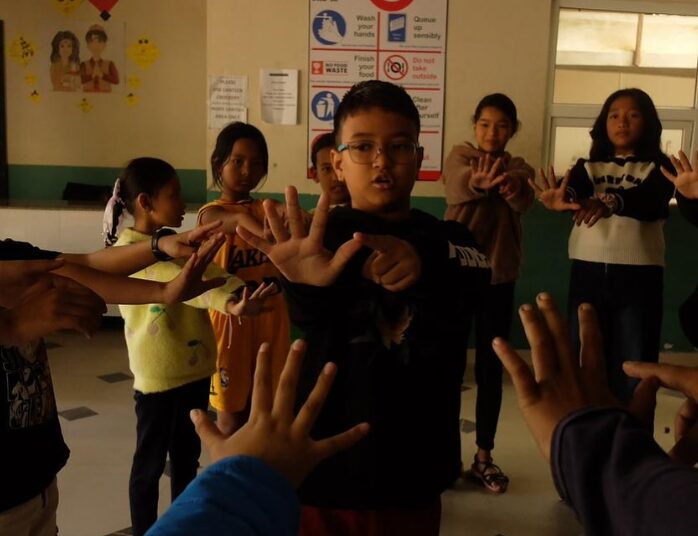
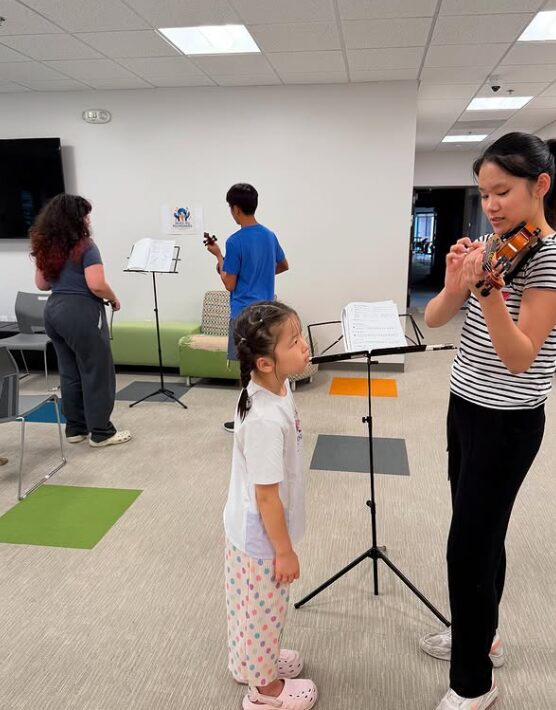
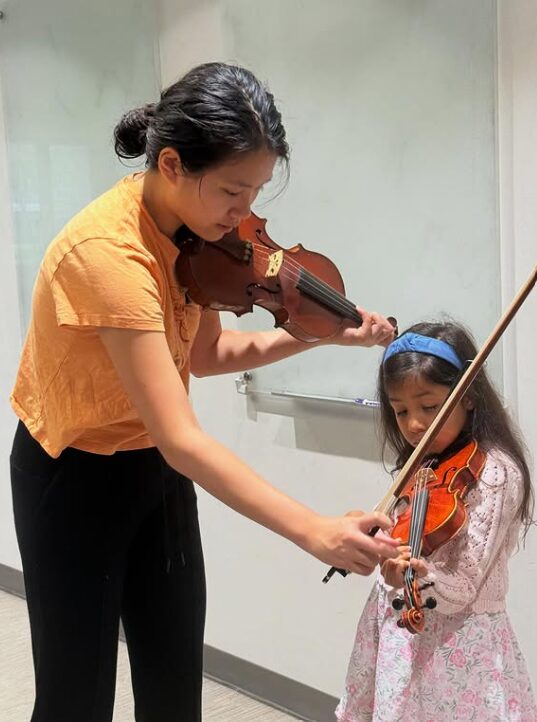
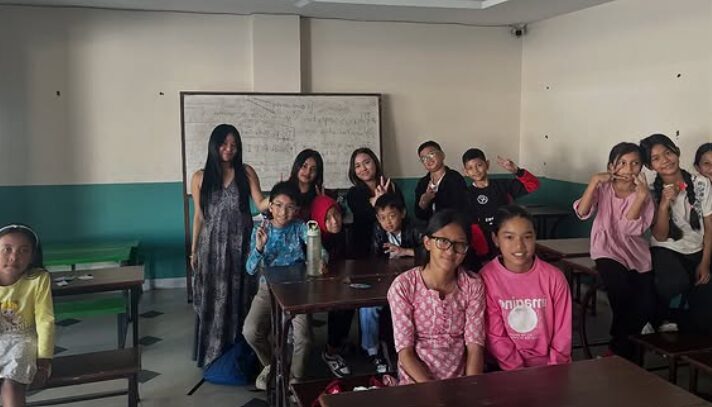
Since starting, we have worked to expand our reach by building local chapters and encouraging student musicians to teach in their own schools and communities. Through that model, students can take on leadership roles, earn service hours, and make a direct impact by teaching instruments, music theory, or voice. What began as an idea to help a few students has grown into a larger mission of making music education more accessible and community-driven.
Today, Music No Boundaries is where I get to combine leadership, service, and my love for music. It has shown me how powerful education can be when it is shared, and it has motivated me to keep growing the organization so that even more children can experience the opportunities music can create.
Alright, so let’s dig a little deeper into the story – has it been an easy path overall and if not, what were the challenges you’ve had to overcome?
Not completely. The mission has always been meaningful, but building something like Music No Boundaries definitely has not been a perfectly smooth road.
One of the biggest challenges has been funding. Because our classes are fully funded, we are not just offering instruction. We are also trying to provide instruments, materials, and other resources students need in order to actually participate. That means every new class requires real support behind the scenes, and making music accessible comes with financial responsibility. A lot of families cannot afford private lessons or instruments on their own, so if we want to remove those barriers, we have to be intentional about finding the funding to do that.
Another struggle has been building the program in a way that is sustainable. It is one thing to care about making music education more accessible, but it is another to organize lessons, find students, support teachers, and make sure each class has what it needs. We have had to think carefully about how to grow without losing quality.
At the same time, those challenges have taught me a lot. They pushed me to become more resourceful, to think seriously about outreach and partnerships, and to understand that impact is not just about having a good idea. It is also about making that idea sustainable. So no, it has not always been smooth, but those struggles have helped shape Music No Boundaries into something stronger and more purposeful.
Can you tell our readers more about what you do and what you think sets you apart from others?
As a creative and nonprofit founder, my work centers on using music as a tool for access, confidence, and community. I am a violinist, and music has shaped a huge part of who I am, so I wanted to take something deeply personal to me and turn it into something that could serve others. That is what led me to co-found Music No Boundaries, a student-led nonprofit that provides fully funded music instruction to children.
What I specialize in is not just teaching music, but building systems that make music education more accessible. Our work is designed to remove the barriers that often keep students from learning, whether that is the cost of lessons, lack of instruments, or limited access to materials. Through Music No Boundaries, we fully provide what students need so they can participate and grow without financial obstacles getting in the way.
What I am most proud of is that this work goes beyond music itself. It gives children the chance to build discipline, confidence, and self-expression, while also creating leadership opportunities for student musicians who want to teach and give back. I am proud that we are building something that is both creative and impactful.
What sets me apart is that I approach music not only as an artist, but also as someone who wants to create broader change through it. I do not just perform or teach. I think about how to make music education sustainable, accessible, and community-driven. For me, creativity is not only about artistry. It is also about building something meaningful that opens doors for other people.
Can you talk to us a bit about happiness and what makes you happy?
What makes me happiest is seeing other people gain confidence through music. There is something really special about watching a student go from feeling unsure or intimidated to realizing they actually can learn, improve, and express themselves. That transformation is incredibly meaningful to me.
It also makes me happy because music has personally shaped so much of my own life. It has taught me discipline, creativity, and resilience, so being able to help someone else experience that same growth feels very fulfilling. Through Music No Boundaries, I get to combine something I love personally with something that can genuinely help others, and that is probably the most rewarding part.
Contact Info:
- Website: https://musicnoboundaries.org
- Instagram: https://www.instagram.com/musicnoboundaries