





Today we’d like to introduce you to Esly Vera.
Hi Esly, so excited to have you with us today. What can you tell us about your story?
I started studying at a university in Mexico City where I was part of only the fourth graduating class, so it was still a very new design school. I studied furniture and product design, and through that I became very focused on learning about materials. After graduating, I got really into ceramics — I even did my thesis in ceramics. At the same time, I had always been very interested in textiles.
Because of that, I moved to Oaxaca and started collaborating with textile and pottery artisans. That’s where I really began developing this collaborative way of working with artisans. I learned much more about materials and how they function, which helped me design things that could realistically be produced through these techniques and processes.
Later, I moved to San Cristóbal de las Casas to coordinate a textile program as part of an NGO. I spent four years traveling through different communities in the Highlands of Chiapas, learning a tremendous amount about the region’s textile traditions — embroidery, brocade techniques, backstrap loom weaving, and pedal loom weaving.
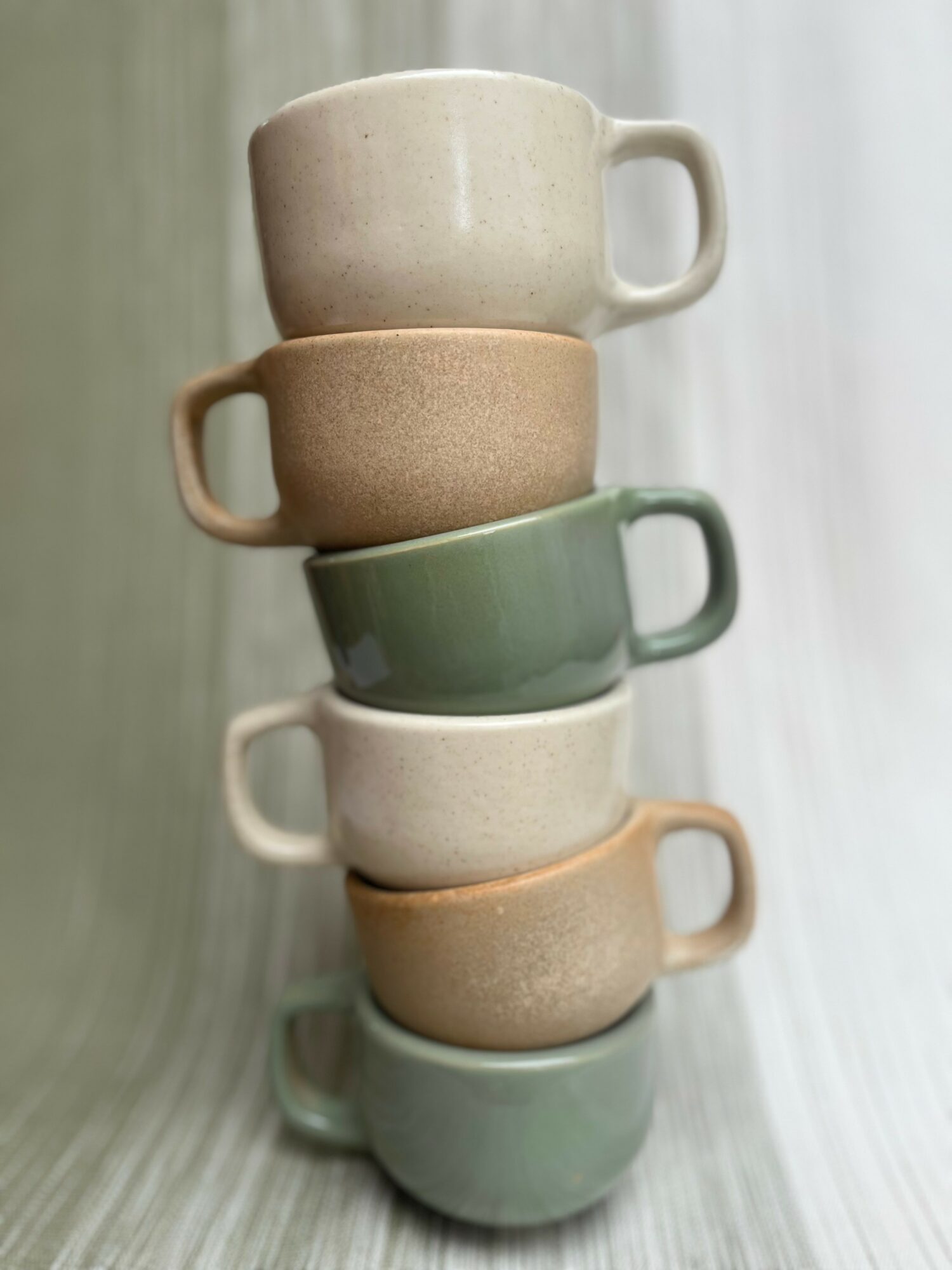
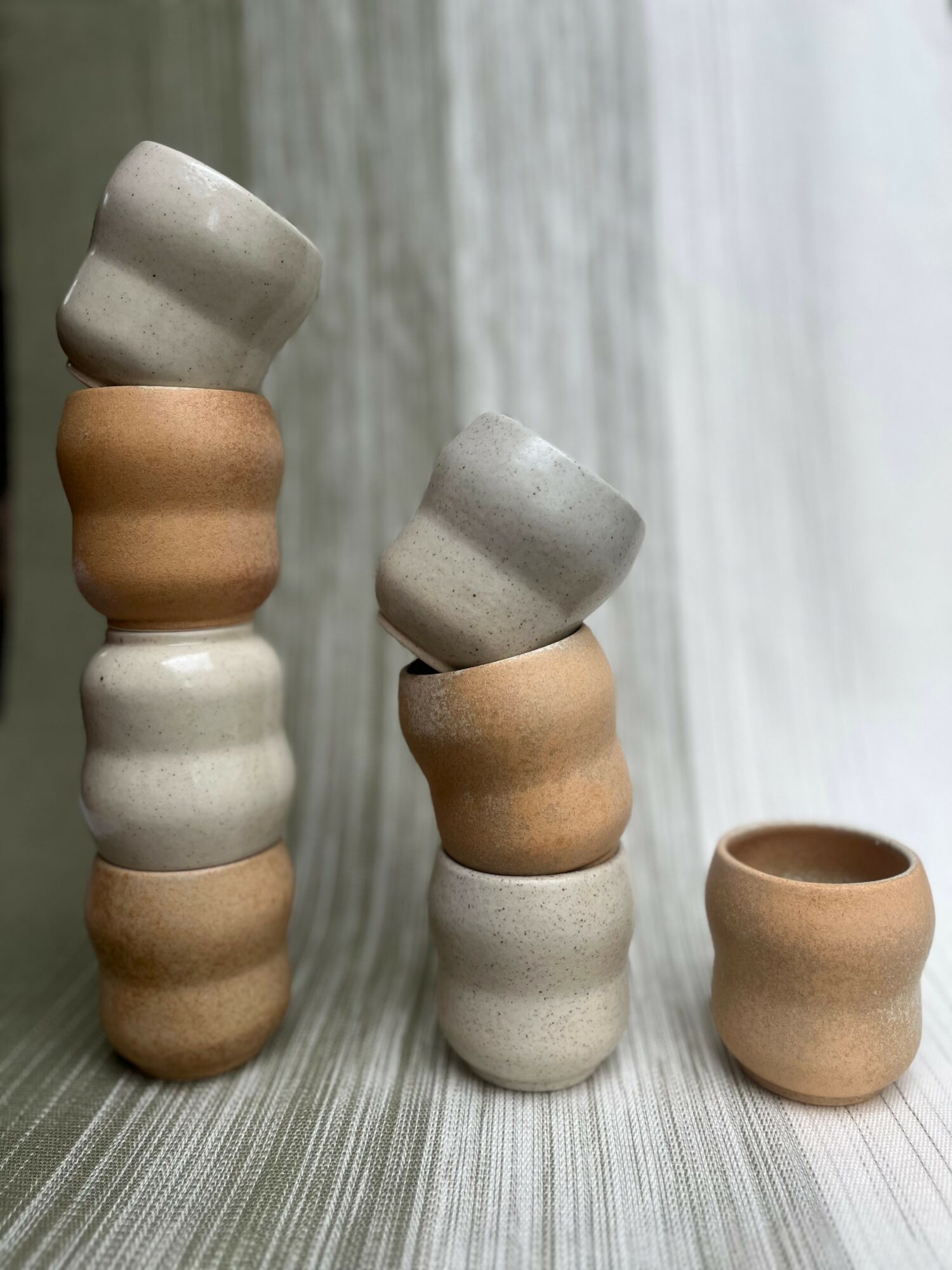
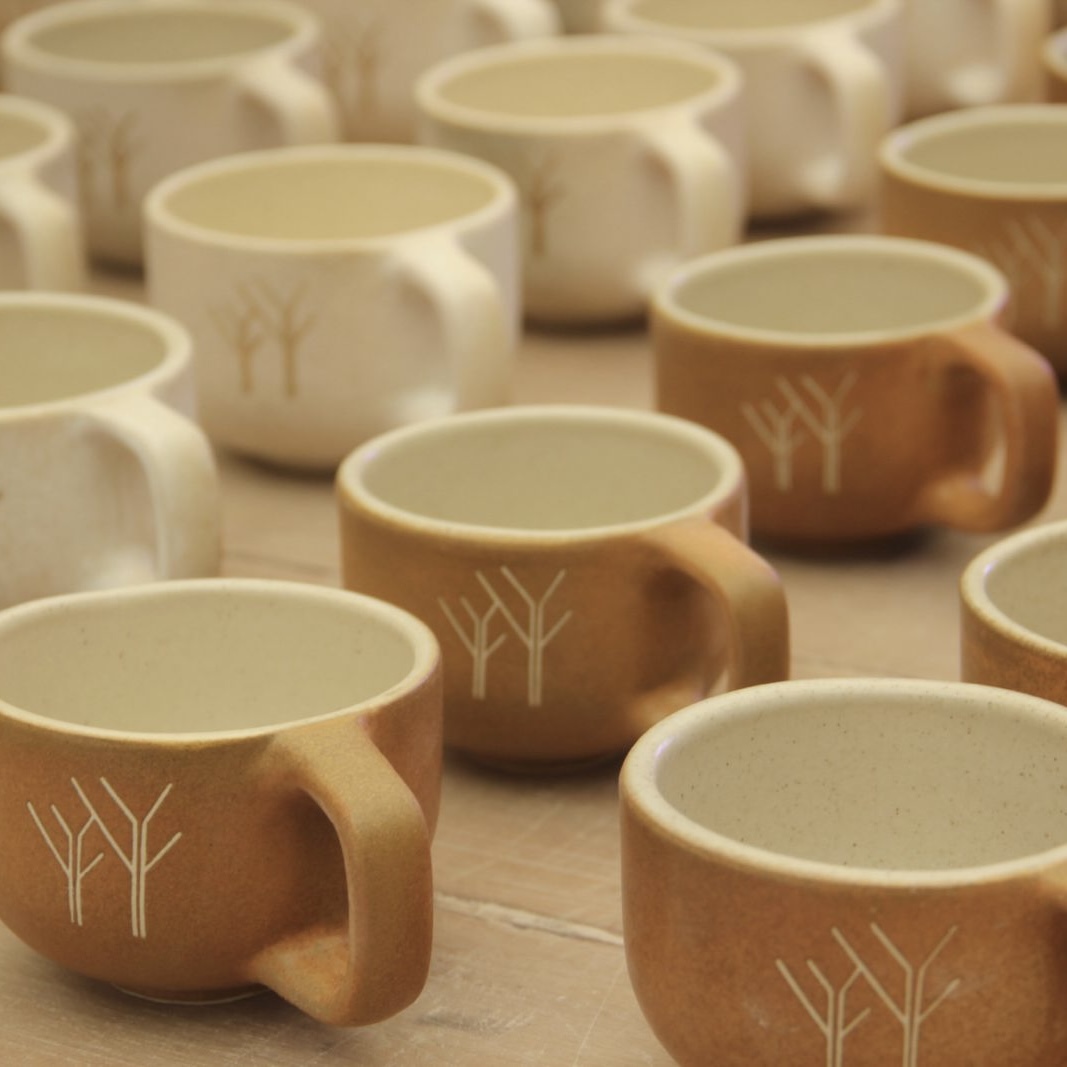
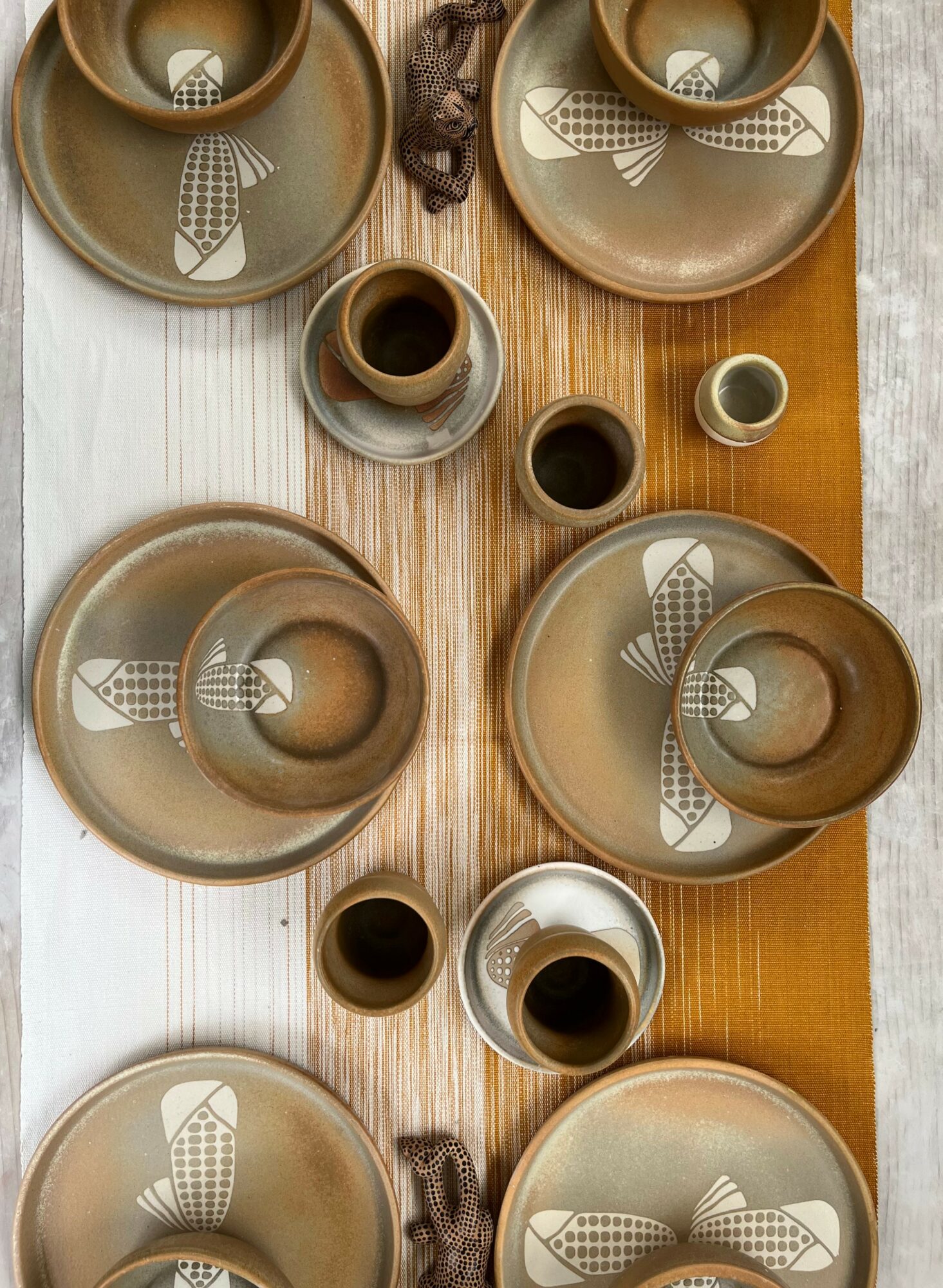
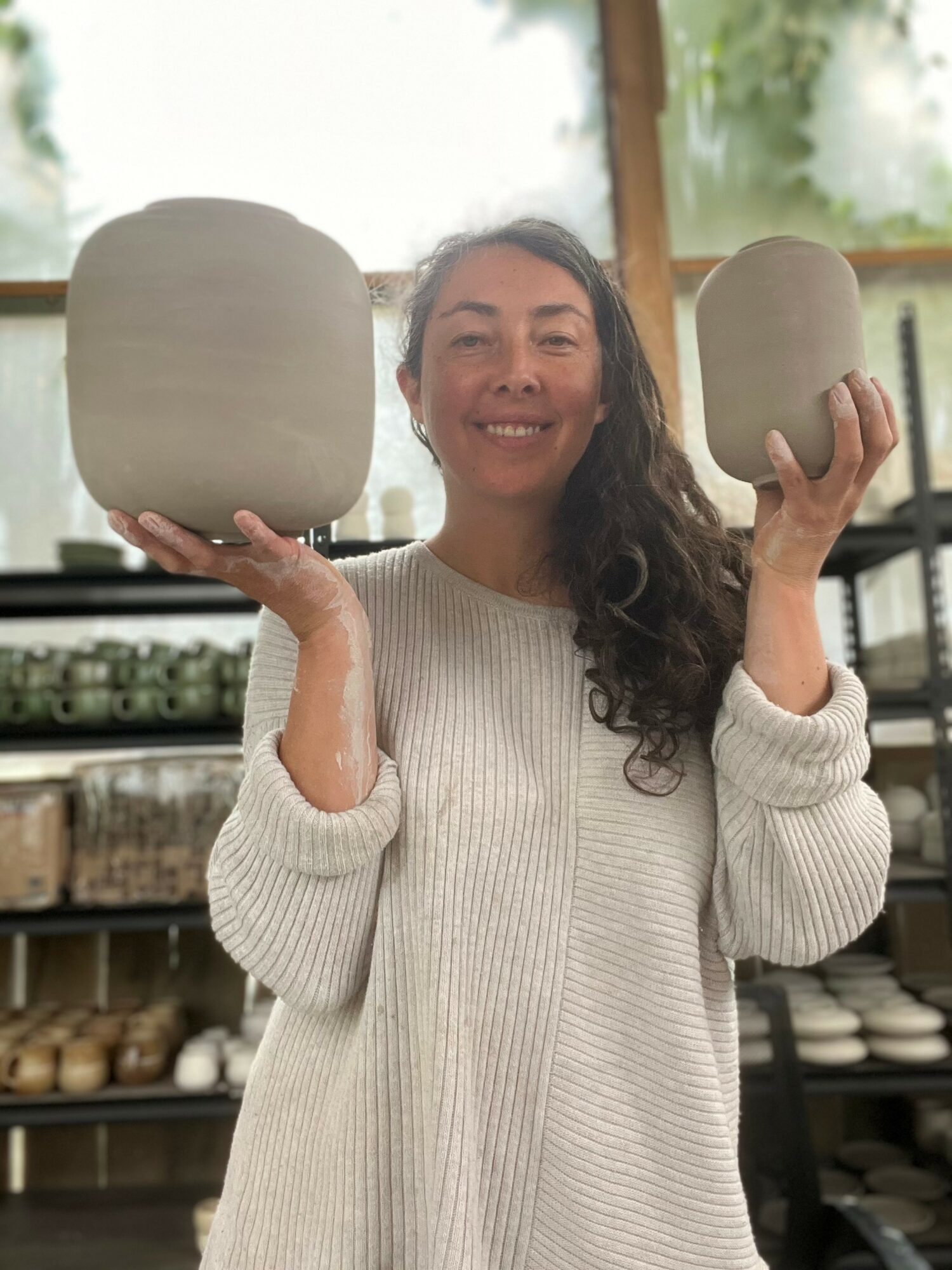
When I left the NGO, I opened my own studio, where I design ceramic and textile products. Then, about two years ago, I started my own ceramics workshop because the need for it naturally led me there. Now I continue working with textiles, but my main focus is really my ceramic studio, where I produce both small- and large-scale utilitarian pieces, ranging from vases to cups and mezcal glasses.
Can you talk to us a bit about the challenges and lessons you’ve learned along the way. Looking back would you say it’s been easy or smooth in retrospect?
I think no career is ever easy — there are always many challenges. For me, the main challenge has always been designing and creating things that are practically unique, because in Mexico you have the opportunity to work with artisans. There are artisans who do embroidery, others who weave, others who work with clay, and others who work with natural fibers.
Working with such small-scale productions meant that sometimes the pieces sold very well in stores, and other times they sold very little. So I think one of the biggest struggles for any designer graduating from school is sales, because they teach you how to design, but they don’t teach you how to sell.
Another major challenge for me has been truly understanding what collaboration with artisans really means — how design and craftsmanship come together. That’s something that took me many years to learn. Spending four years traveling to communities four times a week really helped me understand that it is genuinely collaborative work.
At some point, I realized that if I wanted to grow and sell more, I needed to take control of the production process myself. That was when I decided to open my ceramics workshop. Over time, you grow, you evolve, and you begin to understand things differently. Life also guides you, and you start learning how commercialization and business actually need to work in order to truly make a living from design.
I think becoming a mother was also a huge turning point for me. When I had my son, my whole mindset changed, because suddenly it wasn’t only about supporting myself anymore — it was about supporting another human being as well. Since then, the challenges have changed. I think life and every project will always bring new challenges, and now the challenge is keeping a workshop running and making sure there is always work coming in. That means finding clients, getting commissions, making sure people know your work, because there are salaries to pay. So all of this has really been a constant challenge and learning process.
Alright, so let’s switch gears a bit and talk business. What should we know?
My work is really a combination of design, research, and experimentation — taking everything that exists in my mind and trying to translate it into something tangible, something people can physically touch and experience. The two main mediums I currently work with are textiles and ceramics.
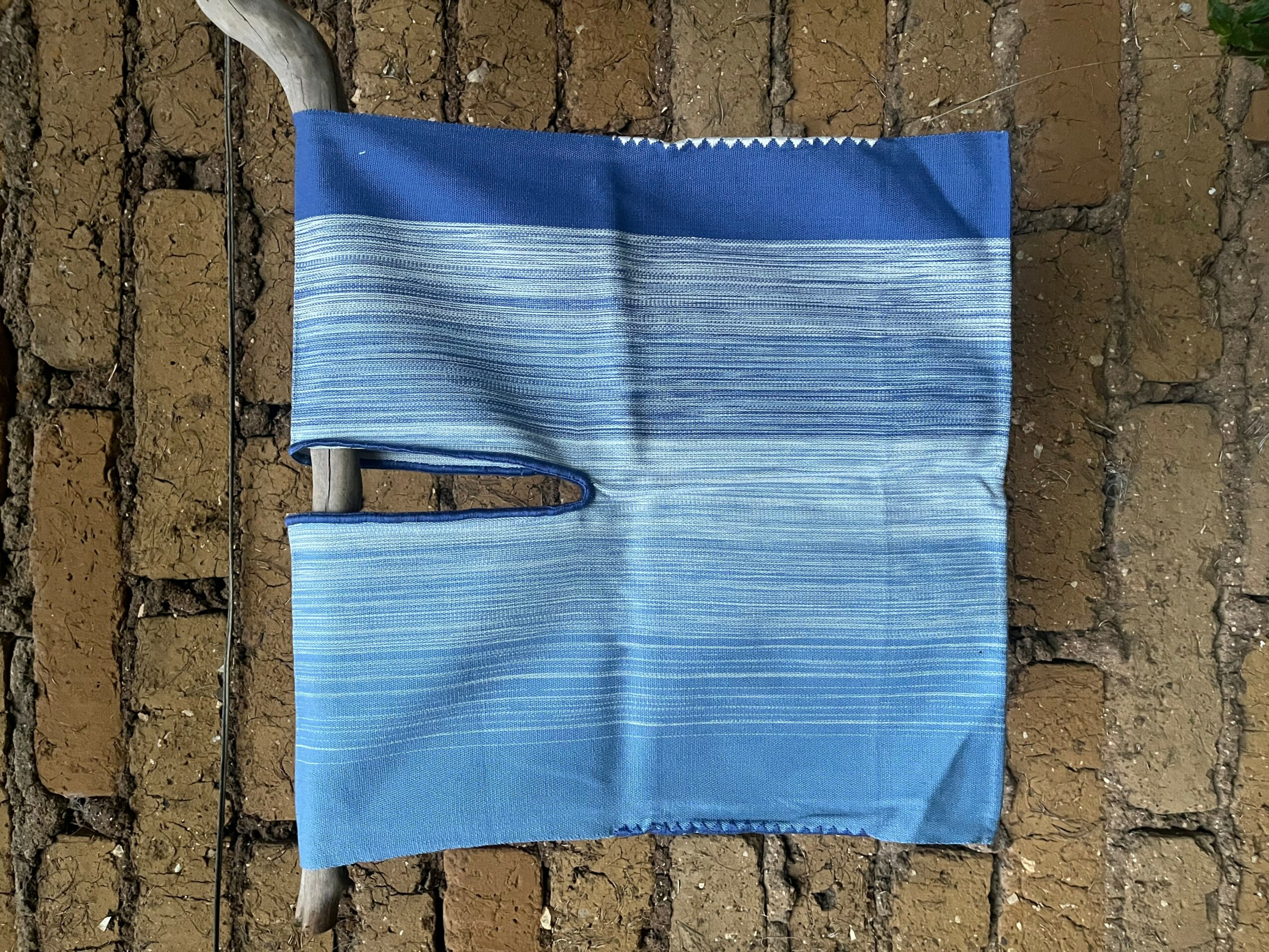
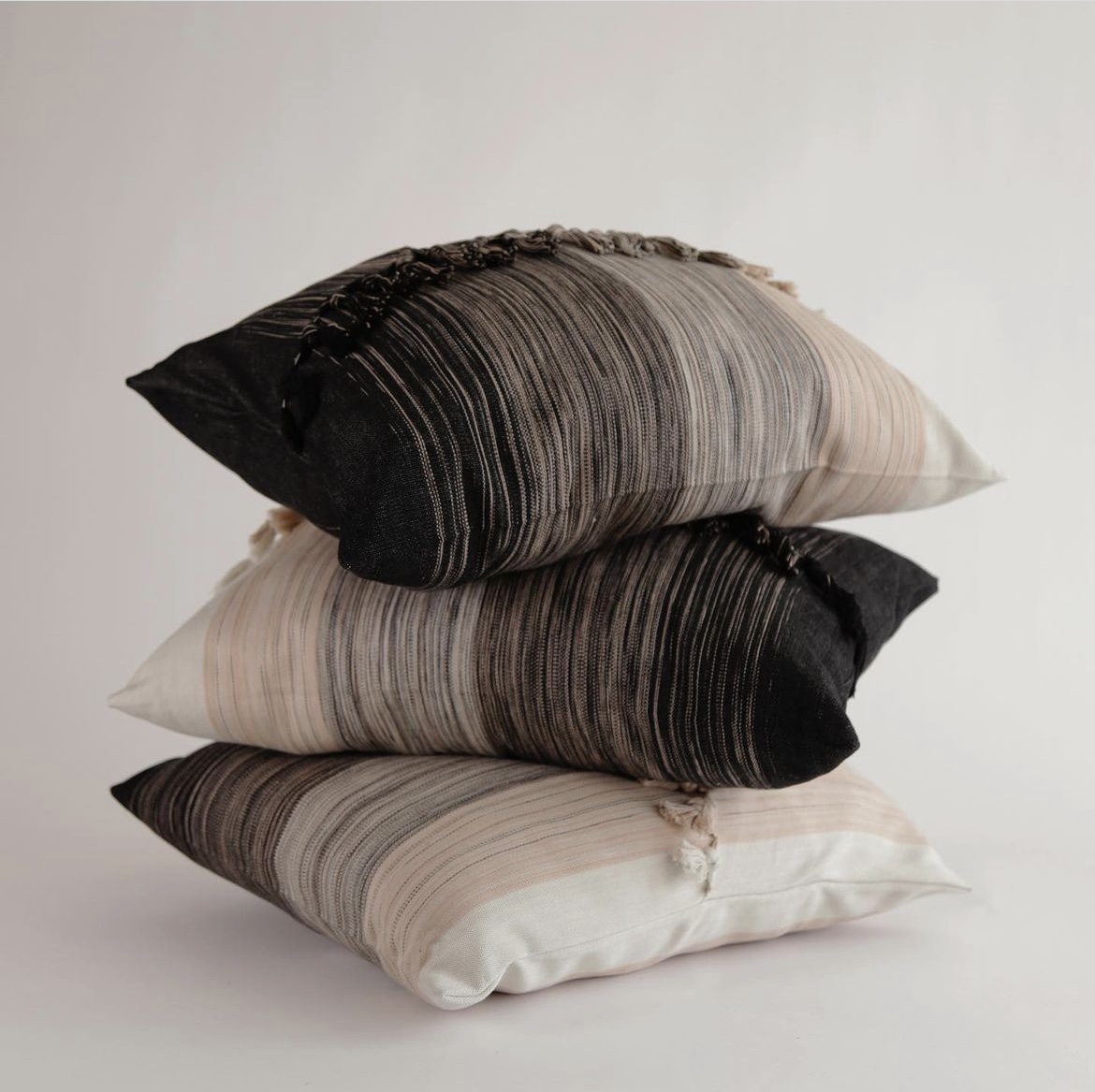
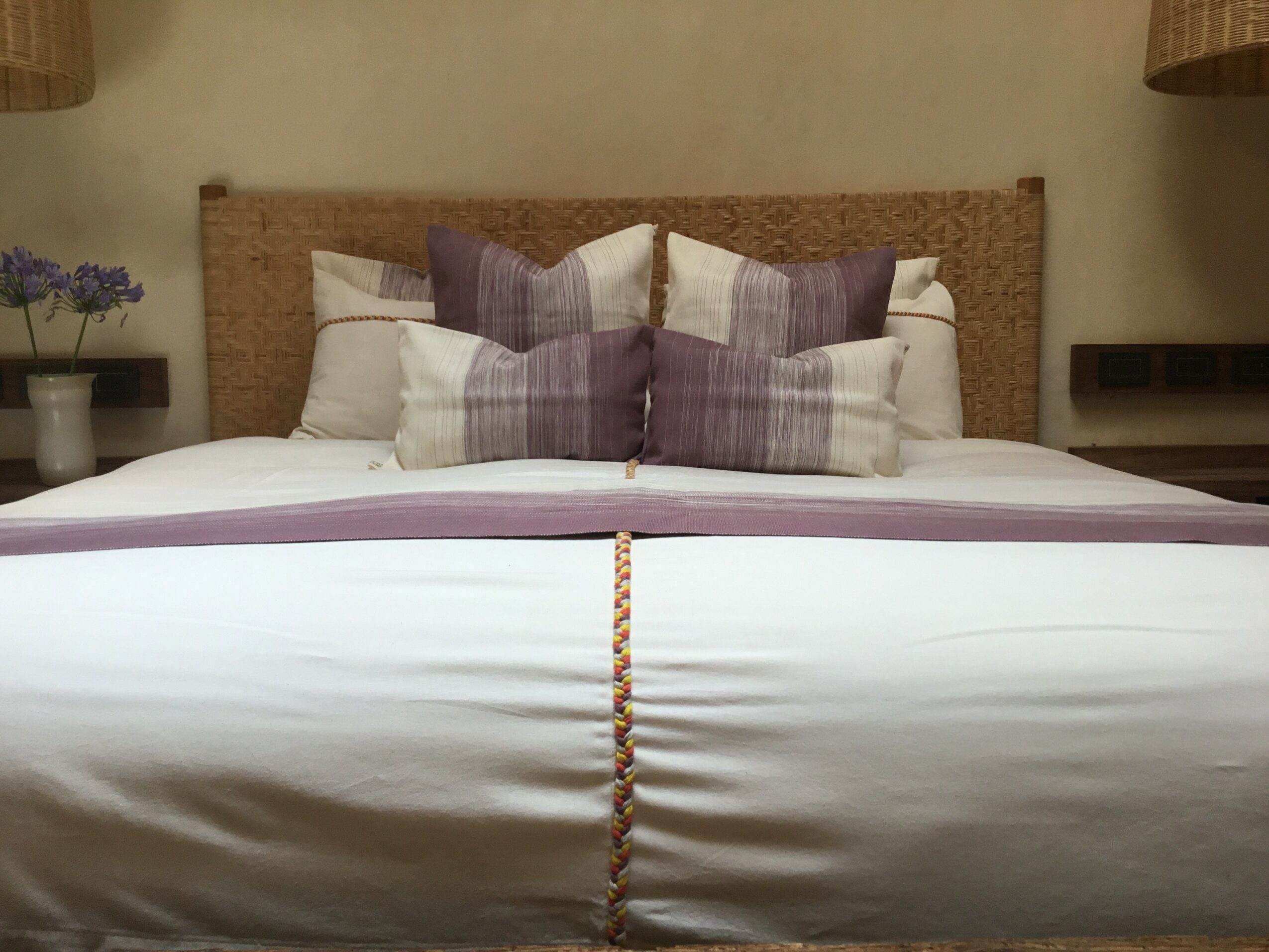
In textiles, I’ve become very focused on gradient work developed in collaboration with artisans. We use the same weaving techniques, but the way the threads are changed on the loom is different in order to create these color transitions and gradients. It’s an ongoing investigation: what happens if we combine two colors, what happens if we introduce three colors, what happens if we incorporate wool instead of only cotton? That experimentation is still very present in the work.
Then there’s the ceramics side of my practice, where I’m constantly experimenting as well. I’m always asking questions like: what happens if we add a certain chemical to a formula? How will it change the ceramic body or affect the final color? So beyond designing forms and objects themselves, there’s also this continuous process of translating ideas through either textiles or ceramics.
Now that I have my own workshop, I’m even more immersed in experimentation. In the beginning, it was very difficult because we first had to understand the fundamentals — how a kiln works, how different materials behave, what kind of clay body we needed in order to achieve certain results. But now that we have much more technical knowledge and experience, there’s more room and more time to truly explore and experiment. And honestly, that has become one of the richest and most fulfilling parts of my work.
So maybe we end on discussing what matters most to you and why?
Right now, what matters most to me is the way I collaborate with artisans — especially embroiderers, weavers, and women in communities who work with red clay. I’m currently very focused on both textiles and ceramics, and what really matters to me is understanding what collaboration truly means. Understanding the difference between small-scale production and larger-scale production that can sometimes start becoming closer to manufacturing or maquila production. All of those questions are very important to me today.
Another thing that matters deeply to me is the environment within my workshop. I work with a team of people I collaborate with every day, and I believe that every cup, every plate, every vase, every piece that leaves the studio carries not only the energy of the earth — because we work so much with clay and natural materials — but also the energy of the workshop itself. Because of my past experiences and everything I’ve learned, creating a healthy and positive work environment has become extremely important to me.
I also care deeply about designing objects that are not only visually beautiful, but also ergonomic. For example, when someone holds a cup, I want it to truly fit naturally in their hand, so that when they drink from it, it almost feels like the cup becomes part of them. I want the pieces to feel organic, simple, and visually harmonious. I’m very drawn to circles, curves, and hyperbolic forms, so those shapes naturally influence my work.
Quality is also incredibly important to me, especially because I work with cafés, restaurants, and hotels. I’ve gone through difficult moments where clients tell me certain pieces are breaking, and then we have to step back and ask ourselves: what is happening with the clay formula? What is happening in the firing process? Running a workshop constantly teaches you that some things will not always go as planned, and that you have to keep reevaluating and improving your processes.
So right now, what matters most to me is continuing to build and strengthen the workshop, continuing to grow, and making sure that everyone collaborating with me — both in the studio and in the artisan communities, including embroiderers and weavers — has good communication and feels part of the process. I also care deeply about trying to distribute earnings more fairly and equitably, because I think that is one of the biggest and most important challenges in collaborative work.
Contact Info: