






Today we’d like to introduce you to Katherine Crane.
Hi Katherine, please kick things off for us with an introduction to yourself and your story.
My Journey into Counseling
I didn’t take a traditional path into the counseling profession. In my 20s, fresh out of college with a bachelor’s degree, I landed a job in the buying office for Sanger Harris in downtown Dallas. It was an exciting start, but everything shifted when a trusted college professor and mentor encouraged me to consider teaching. I jumped at the opportunity and began teaching at the college level at just 23 years old. I still remember being advised to “look older” because many of my students were older than I was.
Counseling wasn’t even on my radar back then. That changed in 2006 while I was teaching a Business Management course at Wade College. Up until that point, I had a very traditional, structured teaching style—standing at the front of the classroom, delivering lectures while students took notes to prepare for exams. It was one-sided and lacked true connection.
Then one day, a student confided in me that she was homeless, living in her car with her child. I was stunned. How could a student at a private college be facing such extreme hardship? In that moment, everything shifted. I immediately thought of Maslow’s Hierarchy of Needs—something I had studied in grad school. Of course she couldn’t fully engage in her education when her basic needs like food, shelter, and safety weren’t being met. That was the beginning of my journey toward becoming a counselor. I wanted to be someone who could truly support people like her—those fighting against the odds to improve their lives.
At that point, I already held a graduate degree in Human Relations and Business Development from Amberton University, which qualified me for my role as Dean of Students and department chair. But I wanted to do more. I realized that becoming a school counselor could allow me to intervene earlier in students’ lives—hopefully before they fell through the cracks. Unfortunately, I discovered that my years of teaching at a private college didn’t meet the state’s requirements for school counseling. So, I pivoted again.
I took a job teaching at a local private Montessori high school, then moved to a Title One high school to fulfill the public teaching requirement. It was a true “baptism by fire.” I went from college students hanging on my every word to high schoolers who couldn’t care less about my “expertise.” But I learned quickly, adapted, and began to truly connect.
At the Title One school, I taught cooking and parenting in the Home Economics department. I created what I called the “magic pantry,” stocked with staple foods funded by my CTE budget. For many students who worried about weekend meals, the pantry was a source of comfort and pride. I used it not only for cooking demonstrations but also as a reward system for class participation and completed assignments. Being able to connect with students in such a tangible way felt deeply meaningful.
One of my most memorable assignments was asking each student to teach the class a recipe from home. They were simple, humble recipes—but the pride in a tough teenager’s face as he showed us how to make his mom’s salsa was unforgettable. It was a beautiful, human moment of learning and connection.
Once I met the teaching requirement, and with the support of an incredible principal and mentor, I transitioned into a school counseling role under an emergency certification. I continued my education and eventually earned a second master’s degree in Counseling from Texas A&M. I spent the next eight years as a school counselor.
Another mentor once challenged me with the question: “How can you make the greatest impact in the least amount of time?” Around the same time, my principal often reminded us all: “You can do hard things.” Those words stuck with me. They inspired me to step out on my own and open a private practice, providing therapy for youth on probation in Rockwall County and supporting their families. That was nearly a decade ago—and I’ve never looked back.
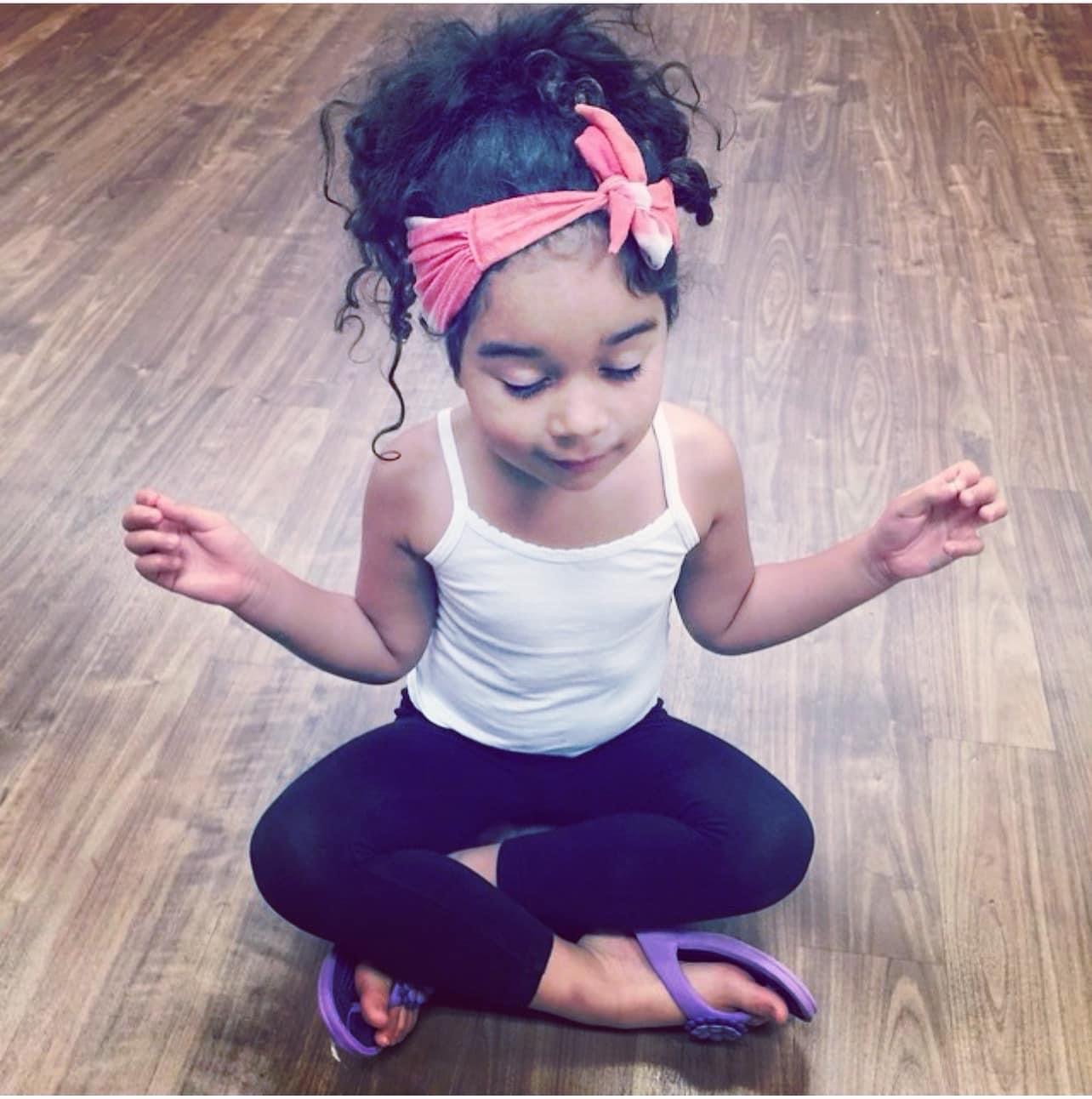
Today, I continue to do the work I love. I supervise new therapists and remain committed to giving back to the profession that changed my life. In recent years, I became a registered yoga teacher and now incorporate mindfulness, breathwork, and meditation into my sessions. These practices have enriched my work and helped deepen my connection with clients.
As I look ahead to the next decade, I feel nothing but gratitude. It’s been an amazing journey, and I’m honored by the trust people place in me as they share their life stories. I remain committed to serving my community—and walking alongside others on their path to healing.
Would you say it’s been a smooth road, and if not what are some of the biggest challenges you’ve faced along the way?
The road hasn’t always been smooth—but honestly, I don’t think I’d change a thing. Every bump and detour helped shape the person and professional I am today.
I’ll never forget my first day teaching in public school. The moment the last student walked out, I broke down in tears. Earlier that day, one student had mocked me by pretending to urinate on me from behind while I was speaking. The principal, trying to offer some reassurance, pointed out the “easy” button—literally a big red button hidden behind a bookshelf—that I could press if I ever needed immediate help. That moment felt like a crossroads: break or rise. I made a decision right then—I wasn’t going to let anyone see me fall apart. Not yet.
There have been times along this journey when I’ve felt completely defeated—like I wasn’t enough. I’ve wrestled with imposter syndrome, the same way many new therapists do. But through the guidance of mentors and the encouragement of trusted colleagues, I’m always reminded of why we show up every day—for the people who need us, and for the healing we get to witness.
Thanks for sharing that. So, maybe next you can tell us a bit more about your business?
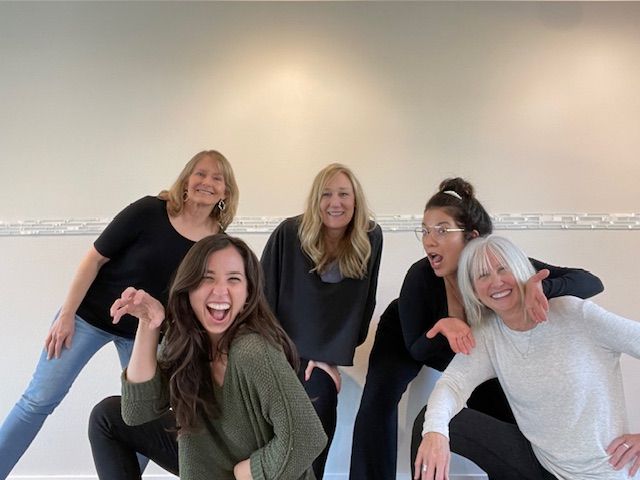
At Human Kind Wellness, we specialize in supporting women and adolescents—those navigating life’s most challenging transitions, including single mothers, widows, caretakers, and others who often carry the weight of the world on their shoulders. We offer individual, couples, and group therapy, including signature programs like Table for One, a support group for those newly divorced, and Imperfectly Perfect, our group designed specifically for teens.
What truly sets us apart is our holistic approach to mental and emotional wellness. We believe the body is inherently designed for joy, connection, and healing. But when trauma or life experiences conflict with our authentic selves, “dis-ease”—both physical and emotional—can begin to take root. At Human Kind, we integrate the principles of mindfulness—cultivating present-moment awareness without judgment—and create a space where clients feel safe to simply be, to feel, and to process.
Our work includes breathwork and nervous system regulation techniques to help clients move through life with more ease and less reactivity. Every aspect of our care is grounded in a trauma-informed lens, ensuring that our responses are compassionate, attuned, and healing.
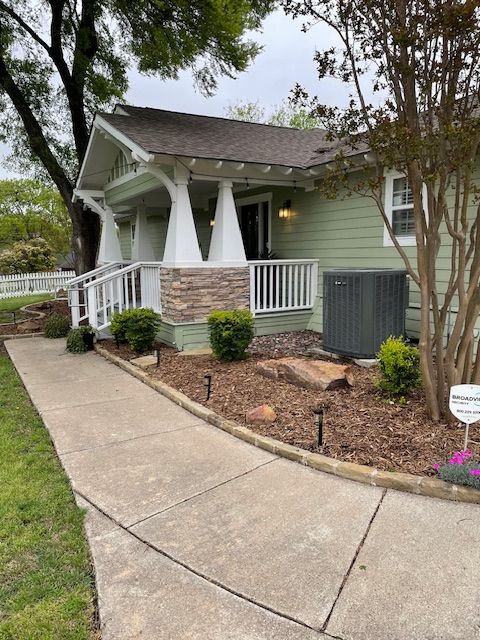
When we opened our doors ten years ago, we were one of the first counseling practices in the area to include “wellness” in our name. Since then, Rockwall has blossomed into a vibrant wellness community—offering everything from sound baths and reiki to forest bathing and holistic healing practices. We are proud to be part of this growing movement and honored to walk alongside others in this shared commitment to well-being.
Pricing:
- We are private pay but we do take some insurances. We also offer sliding scale so no one is turned away from the care they seek.
Contact Info:
- Website: https://www.humankindtx.com
- Instagram: @humankindwellness