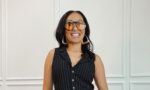

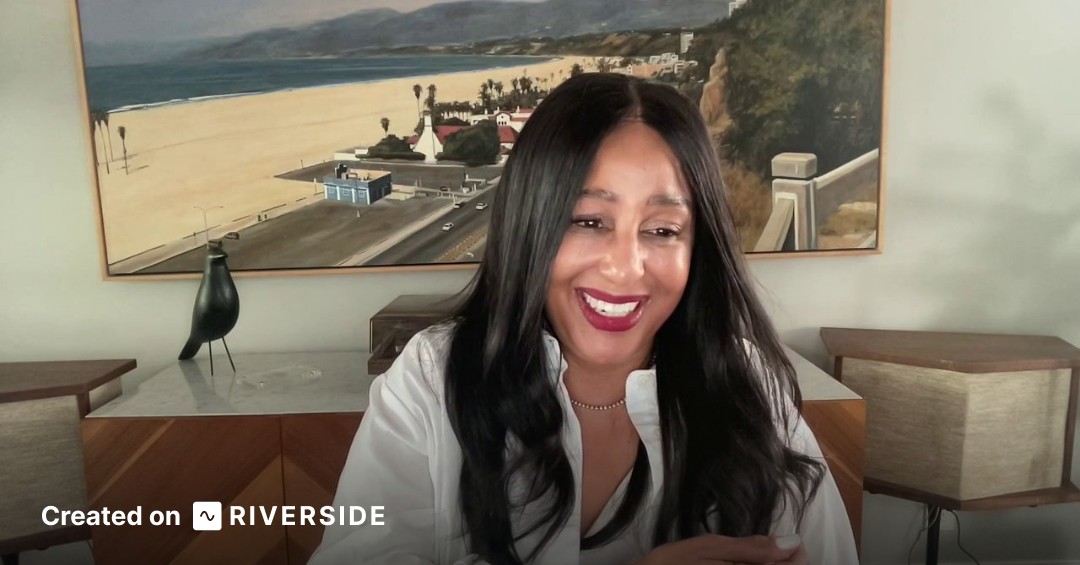
Today we’d like to introduce you to Elle Schwartz.
Elle , we appreciate you taking the time to share your story with us today. Where does your story begin?
My story really begins long before the microphone. I spent my career as a behavioral analyst and an educator, which means I spent years paying very close attention to people. How they are perceived. How they are labeled. How often the version of a person the world receives is not the truest version of who they actually are. That lens never turned off, even when I was off the clock.
When I retired, I assumed I had reached the restful part of the story. Instead, I found myself standing at a crossroads of courage. One road was quiet and comfortable. The other was public, unfamiliar, and genuinely frightening. I have never been someone who chased attention, so naturally I chose the road that scared me most and threw my hat into the podcasting ring.
The Good Edit Unfiltered grew directly out of that decision. For years I had been watching Bravo the same way I had spent a career watching people, noticing the distance between who someone is and how they are framed. Reality television takes real women, with real histories and real complexity, and shapes them through the edit into characters the audience is told exactly how to feel about. As a behavioral analyst, I simply could not unsee it. So I built a show around it.
The show is invested in bringing context to reality television, challenging audiences to understand the nuances of the housewife experience and how that experience is sometimes shifted unfairly through production edits. We do not just recap what happened. We move between recap, deeper analysis, and conversations with guests, sitting with why a moment was framed the way it was, who benefits from that framing, and what it quietly asks us to believe about a person. I host alongside my Cohost Kat Vasseghi, and my background shapes all of it, from the cultural critics I have studied for years to the empathy I try to lead with in every conversation.
Where I am today still surprises me. The show launched in February 2026, it continues to rise in rank, and it has connected me to an audience that was hungry for exactly this kind of conversation. I did not retire into rest. I retired into the bravest and most alive chapter I have had yet.
We all face challenges, but looking back would you describe it as a relatively smooth road?
No, it has not been a smooth road, and I would not trust anyone who told you their road was.
The first struggle was internal. Choosing the scariest route sounds inspiring when you say it out loud, but in practice it meant sitting with a lot of doubt. I was stepping into a public space later in life, building something from nothing, and there were plenty of mornings where the comfortable, quiet version of retirement looked very appealing. The courage was not a one time decision. I had to keep choosing it.
Then there was the work nobody sees. People assume a podcast is just two people talking, but underneath it is an enormous amount of infrastructure. Getting the show discoverable, building it as a real entity online, making sure the right people could actually find us. I spent more hours than I will admit untangling technical problems that had nothing to do with the creative work I loved.
Being taken seriously was its own hurdle. I come to this as a behavioral analyst and an educator, and early on I watched my own credentials get flattened and mislabeled in places I did not expect. Correcting how I was represented, making sure the work was understood for what it actually is, that took persistence. When you are doing cultural analysis rather than simple recap, you have to keep proving the show is exactly what you say it is.
And then there is the ongoing work of building trust. Booking guests, earning credibility in a space with gatekeepers, convincing people that a show willing to take reality television seriously is worth their time. That trust is not handed to you. You build it episode by episode.
What I would say is this. The struggles were never signs I had chosen wrong. They were the cost of doing something that mattered to me. The show continues to rise in rank and credibility, and every difficult stretch is part of why I am proud of where it stands now.
Thanks for sharing that. So, maybe next you can tell us a bit more about your work?
What I do, at its core, is pay attention to the gap between who someone is and how they are framed. I am a behavioral analyst and an educator by training, and I built The Good Edit Unfiltered around that same discipline, applied to reality television. The show is invested in bringing context to reality television, challenging audiences to understand the nuances of the housewife experience and how that experience is sometimes shifted unfairly through production edits. We move between recap, deeper analysis, and conversations with guests, but the throughline is always the same. We are reading the edit behind the edit.
None of this works as a solo act, and I would not want it to. The inclusion of my Cohost Kat Vasseghi has made the show both relatable and informative, which is a harder balance to strike than it sounds. I bring the behavioral and cultural lens, and Kat brings an insightful wit and a real commitment to uncovering Bravo topics in real time. She keeps the analysis honest and grounded, never so heady that it forgets to be fun, and never so light that it loses the point.
Where my instinct is to read the edit, hers is to read the room, and that pairing is what keeps the show as entertaining as it is exacting. What I specialize in, and what I am increasingly known for, is naming the thing most reality television and Bravo coverage will not touch. The intersection of culture, identity, and bias, and how it quietly informs the narrative of Bravo talent. I am not interested in debating whether a woman is likable. I am interested in who decided how we would feel about her, what cultural truth got edited out to get us there, and what that decision costs her.
And there is a stand I had to take, on how these edits manipulate and exploit talent of color. Over and over, I have watched the genre take women whose real narrative is culturally grounded and specific and then obliterate it. Flatten it. Reduce a full human being into a function in someone else’s story. The cultural truth of who she is becomes inconvenient to the edit, so it is made to disappear. And as someone who spent a career studying how people are perceived and labeled, I could not keep watching that quietly.
That stand has a name. What I am most proud of is challenging the Bravo edit through a series called Reality TV Cultural Reckoning. I am a Black woman who is tired of being a retired member of the Magical Negro Association. I have seen this dynamic play out repeatedly in the media, and most notably within this genre. It is truly uncanny to me how this positioning in society is a perverse form of cultural appropriation that leaves us depleted and villainized, a phenomenon currently being played out across the Bravo ecosystem. I had to talk about it, and I chose to do so courageously. This episode represents the clearest expression of what
The Good Edit Unfiltered was built to do, and why it belongs in conversation with the best work being made by women in podcasting today. It moves the show from cultural commentary into cultural reckoning, taking on the most consequential question in reality television: why Black women are so consistently cast as sidekicks, saviors, and sacrificial figures, and what that pattern costs them on screen, in their mental health, and in the broader culture that consumes their image.
That conviction is why the show exists, and it is the reason I chose the scariest route in the first place. The Good Edit Unfiltered is a soft space for the women on screen and a sharper lens for the women watching. What sets us apart is that we are willing to move past commentary into reckoning, to do the rigorous work and still keep it accessible, and to authenticate the lived experiences of the women the medium would rather we only argue about.
We’d love to hear about how you think about risk taking?
When I retired this year, I remember feeling fits of elation and fear at the same time. Rather than letting one cancel out the other, I decided to combine them into something usable, and that something turned out to be courage. That courage is what allowed me to step into the Bravo podcast space, a space I had analyzed from the outside for years but never imagined I would occupy as a voice of my own.
I was nervous about using that voice. Honestly, I felt awkward at the start, fumbling through episodes, finding the rhythm of my own opinions out loud, learning what it meant to lead a conversation rather than consume one. But as I fumbled, I found my footing. I found my voice. And I realized I had bet on myself in a way I had not done before, certainly not at this scale. The return on that investment yielded higher levels of self-worth, efficacy, and confidence than I imagined I would experience in this space, and arguably than I imagined I would experience at this stage of life.
That is how I think about risk now. Not as the absence of fear, but as the willingness to walk toward something while still afraid of it, because the fear itself is usually evidence that the thing matters. The risks worth taking are rarely the ones that feel safe in advance. They are the ones where elation and fear show up together, and where you have to decide whether to let them cancel each other out or fuse them into forward motion.
The biggest risks I have taken inside this work follow that same pattern. Launching the cultural reckoning series, naming editorial racism on a network most fans want to keep enjoying without examination, was a creative and reputational risk I took with my full chest. So was the decision to publicly stop watching certain shows because of value misalignment, a choice that costs you content, algorithm favor, and goodwill with parts of an audience that would rather you stay quiet and entertaining.
Both of those decisions could have shrunk the show. Instead, they sharpened it, and they sharpened me.
The throughline is that every risk I have taken in this chapter has been a risk on my own voice. On the belief that what I have to say is worth saying, that the analysis I bring is needed, and that the women on screen and the women listening deserve a host who is unwilling to soften the truth to stay comfortable. That is the bet. So far, it keeps paying out.
Contact Info:
- Website: https://www.thegoodeditunfiltered.com
- Instagram: https://www.instagram.com/tge_thegoodedit/
- Youtube: https://www.youtube.com/@TheGoodEdit-Unfiltered
- Other: https://substack.com/@thegoodeditunfiltered
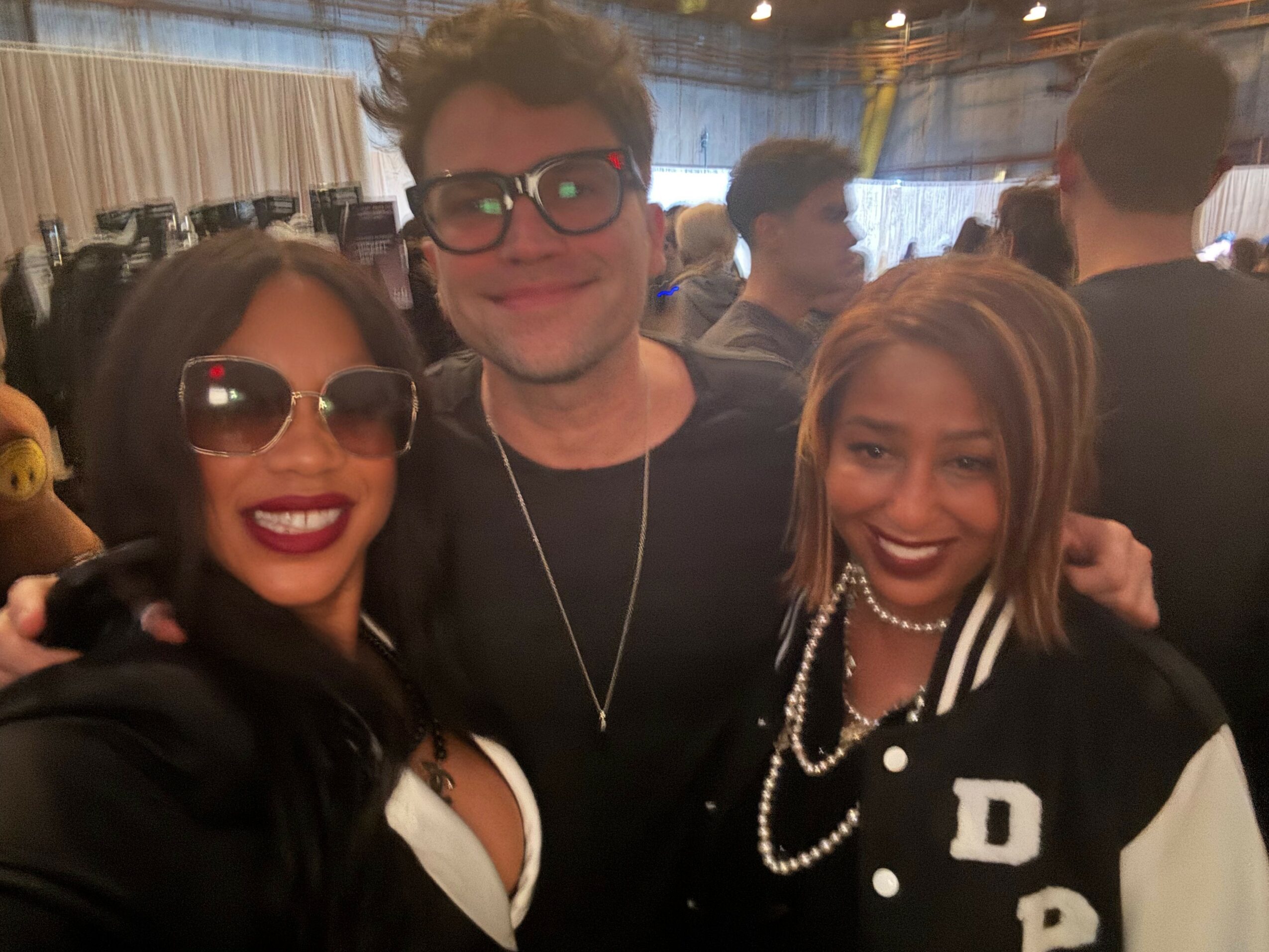
Image Credits
Elle Schwartz – Dorit Kemsley {Real Housewives of Beverly Hills Book Signing|
Elle Schwartz – Reza Farahan [The Valley Persian Style]
Elle Schwartz – Tom Schwartz [ The Valley]