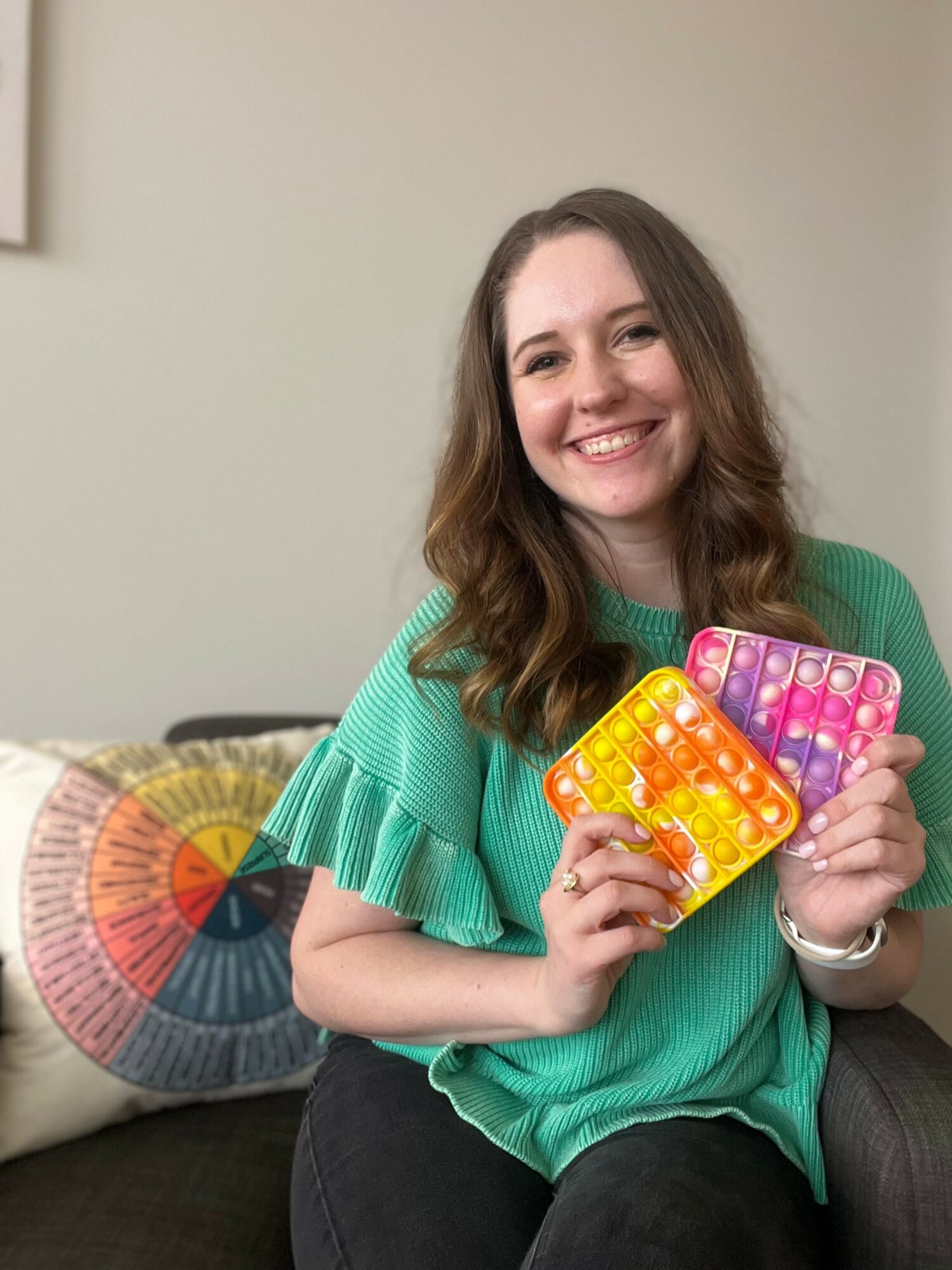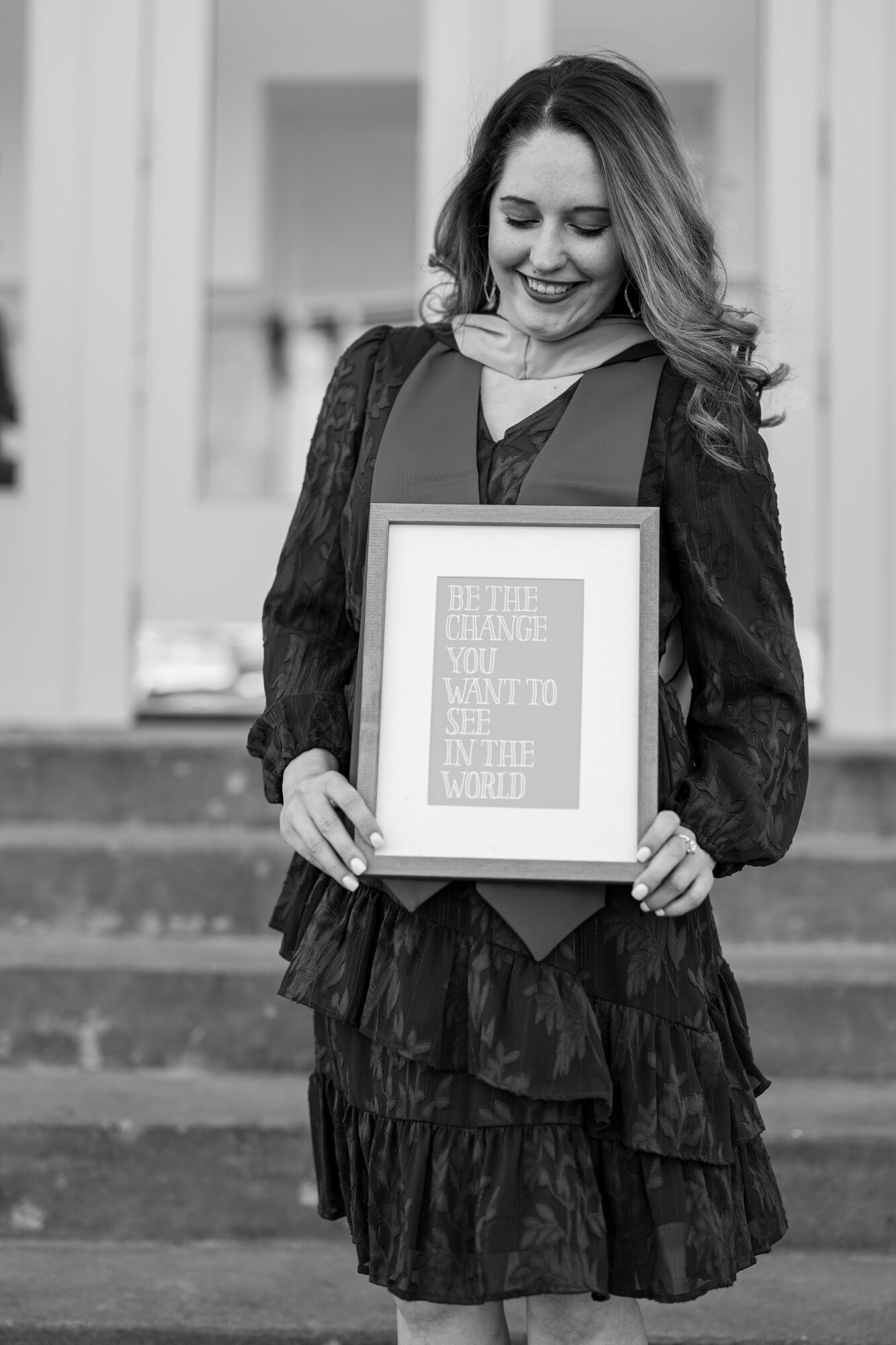






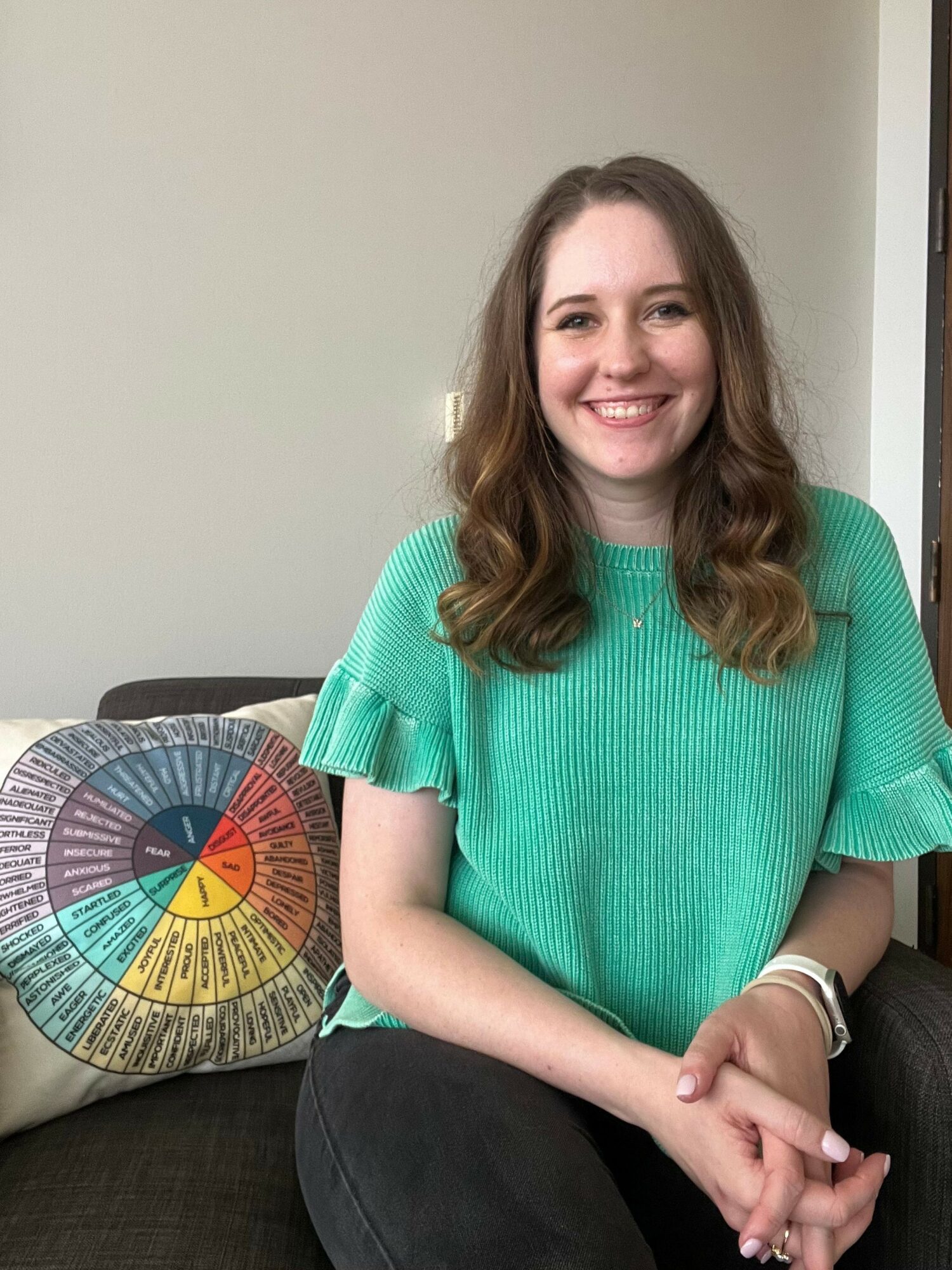
Today we’d like to introduce you to Emily Diehl.
Hi Emily , so excited to have you with us today. What can you tell us about your story?
I didn’t always know I wanted to be a therapist. I started dancing at four years old and immediately fell in love with performing. Dance became a huge part of my life for more than 20 years—I spent countless hours in classes, rehearsals, and performances, and I had the opportunity to perform across the United States as well as internationally in Ireland and Scotland. After college I continued dancing professionally in the Dallas area, and it was during my years as a collegiate and professional dancer that I began to notice a significant gap in mental health support within the dance world. As I navigated some of my own challenges, I eventually sought out therapy, and that decision ended up changing the course of my career.
During one session, I had a moment of clarity and realized I wanted to become the therapist I wish I’d had access to during my dance career. That realization led me back to school and it ultimately brought me to the work I do today! I specialize in working with dancers, performers, and athletes, helping them navigate anxiety, performance pressure, disordered eating, recovery from negative coaching experiences, and other challenges that can come with highly competitive environments. My mission is to create a space where clients feel safe to share their stories, find their voice, and discover who they are beyond their accomplishments, their sport, or what they do.
We all face challenges, but looking back would you describe it as a relatively smooth road?
My journey to this work has been shaped by both rewarding experiences and difficult ones. Part of what fuels my work today comes from the challenges I experienced as a dancer myself. Dance gave me so much throughout my life—discipline, confidence, lifelong friendships, incredible opportunities, and a deep love for the arts. At the same time, there were aspects of the culture that were difficult to navigate. Throughout my training, my peers and I were often told to lose weight, required to complete weigh-ins, and given assignments to track calories and report what we were eating. At times, my ability to perform and even my grades were tied to a number on a scale. Over time I became more focused on meeting these external standards than on the joy that had made me fall in love with dance in the first place. Looking back, those experiences helped me understand just how deeply a certain environment can affect a person’s mental health and sense of self. Today, it’s one of the reasons I’m so passionate about advocating for mental health in the dance world. I want dancers to know their worth extends far beyond their appearance or performance, and I hope to be part of creating a healthier culture for future generations of athletes and performers.
Alright, so let’s switch gears a bit and talk business. What should we know about your work?
I began my career as a therapist in PHP/IOP settings, supporting adolescents and adults navigating a wide range of mental health concerns. This foundation continues to shape my work today, and while I enjoy meeting with individuals from all walks of life, I have a particular passion for supporting athletes in aesthetic-based sports. These environments often come with intense pressure to be perfect, and that pressure can impact everything from confidence and body image to identity and mental health. I love helping clients reconnect with who they are beyond the uniform, the role they play, or the expectations placed on them. Together, we work on building self-worth, resilience, and a healthier relationship with themselves and their sport.
What sets me apart is that I understand the unique culture of dance and performance not just as a therapist, but as someone who spent decades immersed in that world. This perspective gives me a deeper appreciation for the joys and challenges performers face from both a personal and professional point of view. Most of all, I’m proud of the journey it took to get here and the opportunity I have each day to help others feel seen, supported, and understood. At the end of the day, I want my clients to know that their value isn’t determined by a score, a role, a performance, or a number on a scale—and helping them reconnect with this truth is one of the most meaningful parts of my work.
Any advice for finding a mentor or networking in general?
When I decided to change careers and pursue counseling, I leaned on the support and wisdom of people who had walked that path before me. Their encouragement gave me the confidence to take a leap that ultimately changed my life, and I am forever grateful for past and present supervisors, fellow therapists, and my family and friends for continuing to support me every step of the way.
When it comes to networking, my encouragement would be to stay curious and not be afraid to reach out to people you admire. A simple conversation, coffee meeting, or willingness to ask questions can open doors to valuable relationships, mentorship, and opportunities for growth!
-Emily Diehl, MA, LPC-Associate, NCC (Supervised by Whitney Russell, MS, LPC-S, CEDS-C, EMDR Trained)
Pricing:
- $125 / 50 minute session
Contact Info:
- Website: https://www.bravehavencounseling.com
- Other: https://www.psychologytoday.com/us/therapists/emily-diehl-richardson-tx/1462655