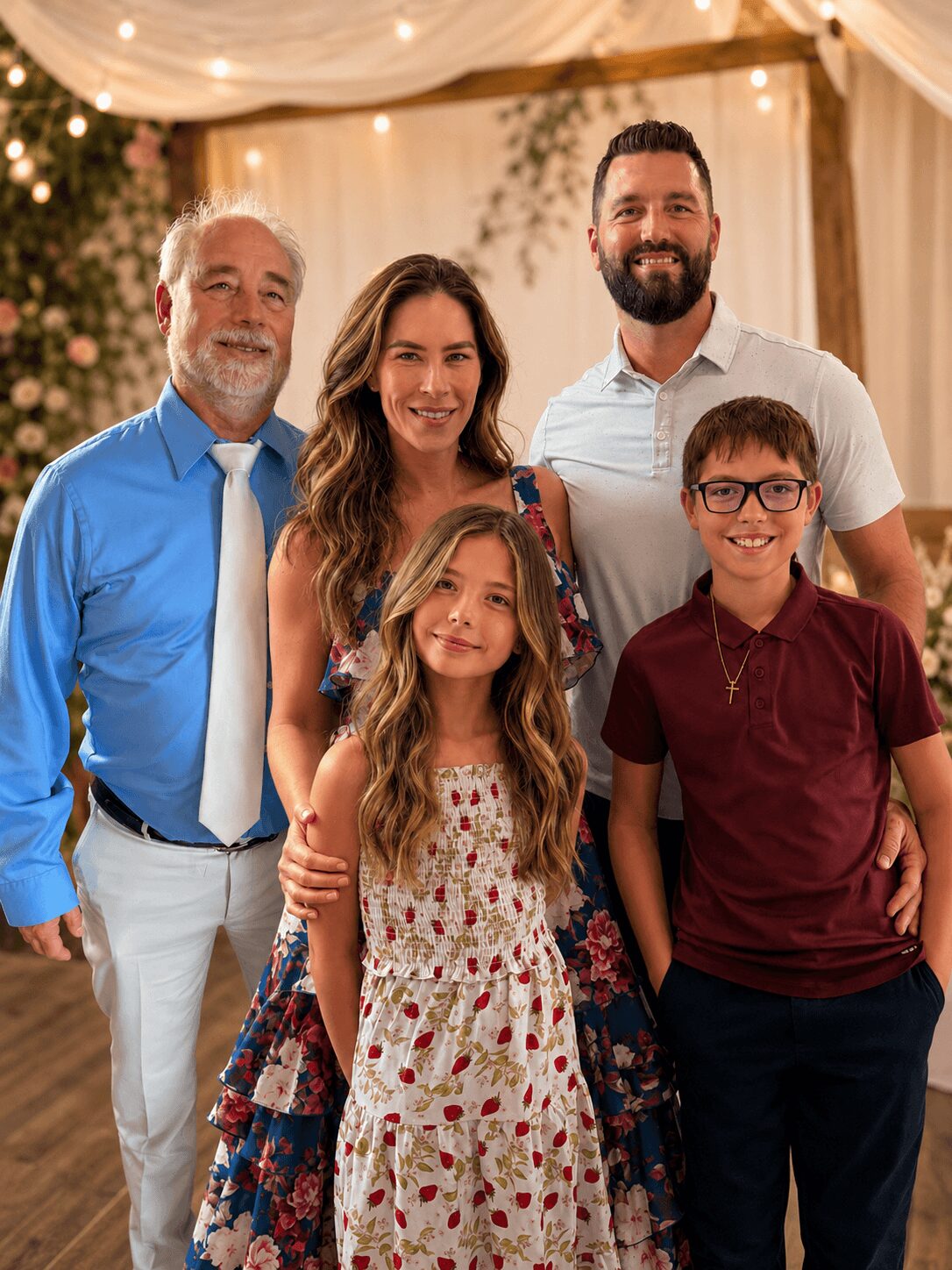






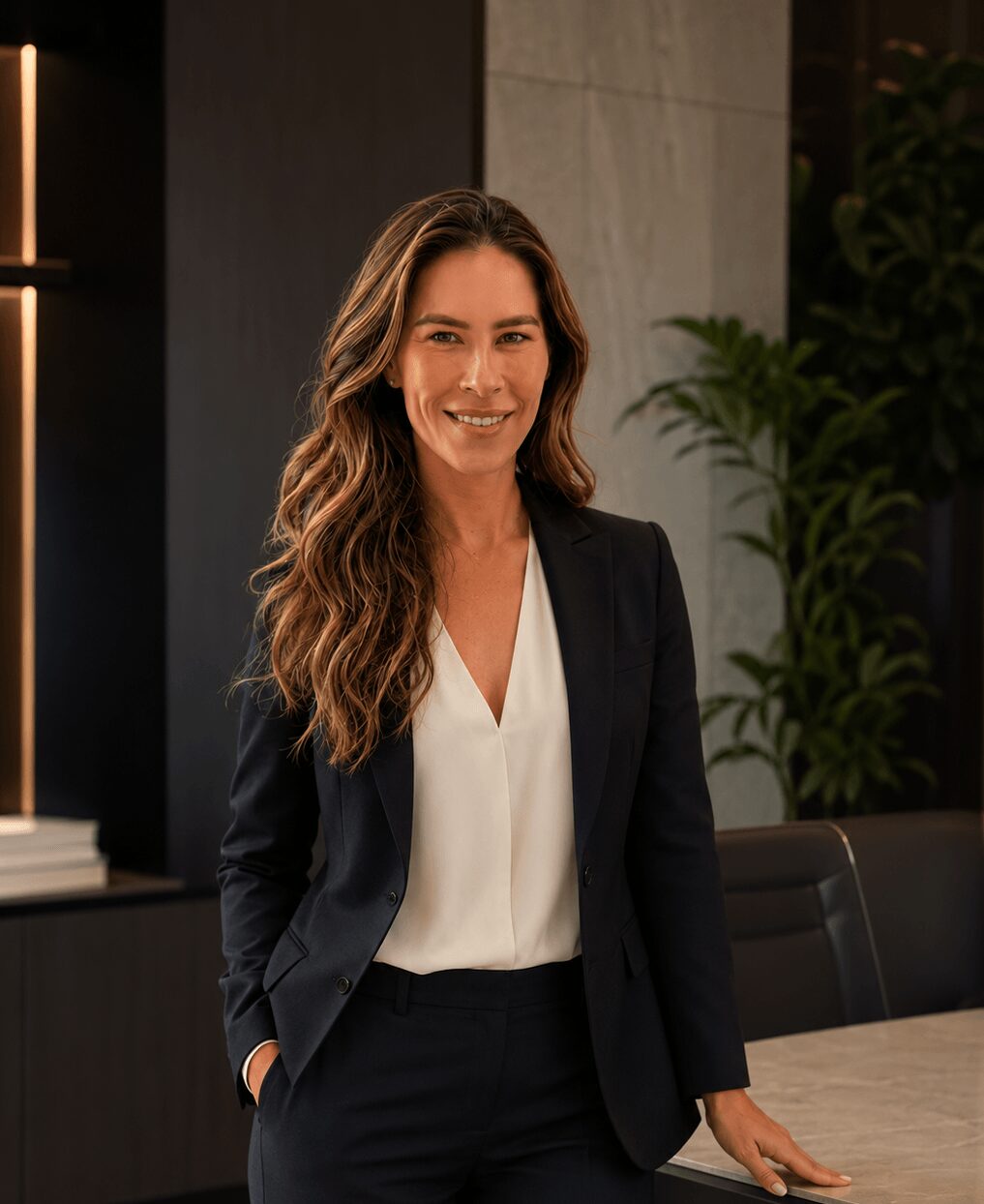
Today we’d like to introduce you to Julie Williamson.
Julie, we appreciate you taking the time to share your story with us today. Where does your story begin?
My journey into healthcare has been anything but traditional, and I believe that is precisely what has made it so meaningful.
Nearly 17 years ago, I relocated to Texas after making the difficult decision to pivot away from dental school. At the time, it felt like stepping into the unknown, but looking back, it became the turning point that shaped the rest of my career. Rather than following a conventional corporate path, I was given an extraordinary opportunity to work alongside and be mentored by some of the most highly respected neurosurgeons in the state. Instead of receiving traditional corporate sales training, I was trained in operating rooms, clinics, and boardrooms by physicians who demanded excellence, precision, accountability, and above all, an unwavering commitment to patient care.
Those early years immersed me in the world of spine and neurosurgery from every angle. I learned not only the science and technology behind complex procedures, but also the human side of medicine—the trust patients place in their physicians, the pressure surgeons face in making life-changing decisions, and the operational challenges that hospitals and practices encounter every day.
What began as a career in medical devices quickly evolved into something much broader. Physicians, hospitals, and industry partners increasingly sought my support not only for products, but for strategy, business development, practice operations, team building, physician relations, and solving complex organizational challenges. Over time, my role expanded into healthcare administration, business strategy, human resources, marketing, and operational leadership. Today, as the founder of my own firm, I have the privilege of helping physicians and healthcare organizations navigate growth, improve operations, strengthen teams, and ultimately deliver better patient care. Healthcare is constantly evolving, and many providers are overwhelmed by administrative burdens, staffing challenges, and operational inefficiencies. My mission is to serve as a trusted partner who helps bridge the gap between exceptional clinical care and sustainable business operations.
Throughout my career, one theme has remained constant: service. Whether I am supporting a surgeon in the operating room, helping a practice overcome operational obstacles, mentoring a team, or developing strategic growth initiatives, my goal has always been to solve problems, create solutions, and help others succeed.
As a wife, mother, entrepreneur, and healthcare leader, I have learned that success is rarely linear. Some of the most defining moments in my career came from unexpected detours, difficult decisions, and the willingness to embrace opportunities that didn’t fit the traditional mold. Those experiences ultimately created a career that is deeply fulfilling and continues to evolve in ways I never imagined when I first moved to Texas nearly two decades ago.
Can you talk to us a bit about the challenges and lessons you’ve learned along the way. Looking back would you say it’s been easy or smooth in retrospect?
Absolutely not. Healthcare—particularly spine and neurosurgery—is an incredibly rewarding field, but it is also one of the most demanding and complex industries imaginable.
When I entered the field nearly two decades ago, I was a first generation college graduate stepping into a specialty that was, and in many ways still is, heavily male dominated. Early on, I often found myself as the only woman in rooms filled with surgeons, hospital executives, and industry leaders. I quickly learned that credibility wasn’t automatically given—it had to be earned. Fortunately, I was mentored by extraordinary individuals who expected excellence regardless of gender and age. They taught me that preparation, integrity, precision, and consistency would always speak louder than titles or stereotypes.
My training also came from an era of medicine that was very different from today’s corporate healthcare environment. There is almost a comical contrast between the culture of the operating room and modern corporate America. The OR is direct, fast-paced, and intensely focused on outcomes. Decisions are made in seconds, accountability is immediate, and everyone understands that patient safety comes before everything else. Learning to bridge that culture with today’s increasingly corporate and regulated healthcare environment required tremendous adaptability.
The lifestyle itself can also be incredibly challenging. Supporting Level I trauma and complex spine cases means living on call. There were countless nights, weekends, holidays, and family events interrupted by emergencies. When a surgeon is called to operate on a critically injured patient, entire teams mobilize. There is tremendous pressure because so many people are depending on you to do your job flawlessly so they can do theirs. In spine and neurosurgery, there is very little margin for error, and that responsibility carries significant weight.
One of the most difficult experiences of my career was losing mentors unexpectedly. Many of the physicians who trained and shaped me became much more than colleagues—they became trusted advisors, friends, and family. Losing one of those individuals creates both a personal and professional void. Beyond grief, there is often a ripple effect felt by practices, hospitals, staff, patients, and entire communities. Those experiences reinforced the importance of succession planning, leadership development, and investing in people.
The healthcare landscape itself has also presented enormous challenges. During my career, North Texas experienced periods that significantly impacted public trust in healthcare. High-profile events such as the Forest Park Medical Center fraud investigation exposed unethical business practices and increased scrutiny surrounding physician relationships, referrals, and healthcare operations. Later, the tragic case involving former neurosurgeon Christopher Duntsch—widely known as “Dr. Death” —shook both the medical community and the public, highlighting the devastating consequences that can occur when healthcare systems fail patients and oversight breaks down. Those events changed the way physicians, hospitals, industry partners, and patients approached trust, transparency, and accountability throughout the region.
Then came COVID-19, which challenged every assumption healthcare leaders had about operations, staffing, communication, and patient care. Overnight, practices had to reinvent themselves while continuing to care for patients amid uncertainty and fear. Like many in healthcare, we had to become innovators, problem-solvers, and sources of stability during an unprecedented time. Today, the market is more competitive and saturated than ever. Success requires far more than clinical excellence. It requires strategic thinking, adaptability, relationship-building, operational expertise, and an unwavering commitment to doing the right thing.
Looking back, it certainly hasn’t been a smooth road, but I wouldn’t change it. The challenges shaped me into the leader, entrepreneur, and advocate I am today. They taught me resilience, humility, and the importance of always placing patients and people first.
As you know, we’re big fans of you and your work. For our readers who might not be as familiar what can you tell them about what you do?
At my core, I am a problem solver, strategist, and trusted advisor to physicians and healthcare organizations. Over the past 17 years, my work has evolved far beyond traditional medical device sales. Today, I partner with physicians, practices, hospitals, and healthcare companies to help them navigate growth, optimize operations, build high-performing teams, and solve complex business and clinical challenges.
I specialize in the intersection of healthcare operations, physician practice management, business strategy, and relationship development—particularly within spine and neurosurgery. Because my training came directly from neurosurgeons rather than a traditional corporate pathway, I was taught to approach every task with the same level of precision, urgency, and accountability required in the operating room.
I often say that my role has always been to execute. Physicians spend years mastering highly specialized skills that allow them to care for patients in extraordinary ways. In turn, they rely on a small circle of trusted individuals to ensure everything surrounding that care operates seamlessly. Throughout my career, I have had the privilege of being one of those people. Whether the request is clinical, operational, strategic, or deeply personal, providers place immense trust in me to execute with discretion, precision, and excellence.
That level of trust creates a unique dynamic. Over time, the lines between consultant, advisor, business partner, and employee often blur. When you serve physicians at the highest levels, you become deeply invested in their success because their ability to perform impacts patients, families, employees, hospitals, and entire communities. The expectations are constantly evolving, and the responsibility can be significant.
What sets me apart is not simply my experience, but the depth of my commitment to the people I serve. I do not view healthcare as transactional. I view it as stewardship. I believe exceptional service requires anticipating needs before they arise, protecting the interests of those you serve, and maintaining unwavering integrity even when difficult decisions must be made.
Early in my career, I was young, eager to prove myself, and fiercely loyal. There were times when I said “yes” too quickly or accepted responsibilities that, in hindsight, did not align with my values. In my desire to serve, I occasionally became an executor of decisions without fully appreciating the broader impact on others. As I matured professionally, I learned that true leadership is not blind loyalty—it is principled advocacy. I found my voice and became increasingly willing to speak up for employees, patients, and what I believed was right, even when those conversations were uncomfortable.
Ironically, many of the mentors who trained me in a culture of uncompromising standards were also the people who ultimately taught me one of my greatest lessons: to rise above personalities, remain grounded in integrity, and never compromise my values. Those lessons have shaped the leader I am today.
What I am most proud of is not a title, company, or revenue milestone. It is the trust I have earned. Over two decades, physicians, executives, colleagues, and teams have repeatedly entrusted me with their businesses, their challenges, their reputations, and often some of the most difficult moments of their careers. To me, there is no greater professional accomplishment than knowing people trust you to help carry that weight.
Any big plans?
As I look toward the future, my primary goal is to continue serving in the highest and best way possible using everything I’ve learned throughout my career. I have been fortunate to spend nearly two decades working alongside exceptional physicians, healthcare leaders, and organizations, and those experiences have given me a unique perspective on both the clinical and business sides of healthcare.
I feel that I am entering a new season professionally—one where I have the opportunity to leverage that experience on a larger scale. I am excited to explore bigger, more strategic projects that allow me to impact not just individual practices, but entire organizations, healthcare systems, and communities. Whether through healthcare consulting, corporate leadership, innovation, or business development, I look forward to contributing to initiatives that improve patient care, strengthen healthcare delivery, and create sustainable growth.
I am also increasingly passionate about mentorship and leadership development. Throughout my career, extraordinary mentors invested in me, and I believe there is a responsibility to do the same for others. I hope to continue helping develop future leaders in healthcare while advocating for cultures that prioritize both excellence and people.
More than anything, I am looking forward to remaining open to where God leads next. Some of the most meaningful opportunities in my life have come from unexpected places, and I have learned that growth often begins by being willing to embrace new challenges. My faith has cultivated and at times protected me from my own Icarus. I am excited to see what doors open next and to continue building a career and legacy centered on service, integrity, and meaningful impact.
Contact Info: