





Today we’d like to introduce you to Kendon Greene.
Kendon, we appreciate you taking the time to share your story with us today. Where does your story begin?
My story isn’t a straight line, and it definitely wasn’t packaged for TV. It’s a journey defined by high heat, heavy losses, and a relentless commitment to building something that outlives me. I don’t believe in luck; I believe in the “lick back” the ultimate personal comeback and restoration after life tries to count you out.
Here is how the pieces actually fit together.
For years, my identity was forged in the fire of competitive culinary arts and business ownership. From 2013 to 2019, I poured my soul into Top 5 BBQ. That era taught me everything about grit, operational execution, and what it means to feed a community. It wasn’t just about the pitmaster techniques or perfecting seasoning ratios; it was about learning how to manage pressure when the heat is turned all the way up.
But behind the scenes and behind the smoke, I was drowning. The restaurant industry is notoriously brutal, and I dealt with the crushing stress by turning to the bottle. I wasn’t just a casual drinker; I drank heavily, using alcohol to cope with the relentless weight of the grind.
When that business chapter closed, it wasn’t just an ending, it was a total collapse. My body couldn’t sustain the damage anymore. The years of heavy drinking caught up to me, resulting in complete liver failure. I ended up flat on my back facing a medical death sentence, requiring a liver transplant just to stay on this earth.
You don’t get to where I am today without collecting some serious damage, and my biggest scar is the one running across my midsection. I’ve lived through the kind of physical and emotional pain that breaks people. But instead of letting that hospital bed bury me, I chose to treat my survival as an obligation.
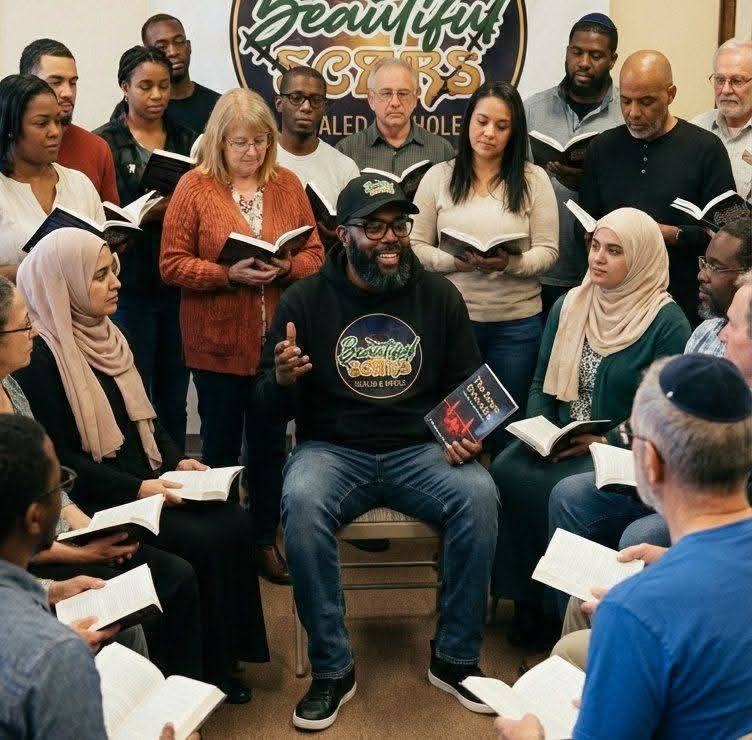
I wrote my memoir and workbook, The Scars that Breathe: Finding Purpose on the Other Side of Pain, under my author name, Kendon Greene. I didn’t write it for applause; I wrote it as a tactical manual for anyone sitting in the dark wondering if they can bounce back from the absolute bottom. My leadership/psychology background from Dallas Christian College gave me the framework, but my life and my transplant gave me the raw truth. The central thesis of my life became clear: Your scars aren’t just reminders of where you’ve been; they are physical proof that you survived to lead others out of their own graves.
Today, they call me “Mr. Community” in the Dallas region, specifically down in DeSoto. But advocacy isn’t a title you put on a business card, it’s a daily, boots-on-the-ground operational strategy. I don’t just sit on the sidelines criticizing local governance or school board resource management; I step into the gap because I know exactly how precious borrowed time is.
Everything I do right now is explicitly engineered to build legacy and construct ecosystems for the next generation, backed by my campaign with Help Hope Live:
Alright, so let’s dig a little deeper into the story – has it been an easy path overall and if not, what were the challenges you’ve had to overcome?
If anyone tells you the road after a liver transplant is smooth, they’ve never lived it. Getting a second chance at life is a miracle, but less than two years out, the daily reality is a grueling, boots-on-the-ground battle. It is a complete restructuring of your mind, body, and bank account.When you get a new organ, you exchange a fatal disease for a lifelong management project. Here is what the integration process actually looks like when you’re less than 24 months into survival:1. The Medication MatrixPeople think you take a magic pill and go about your day. The reality is a strict, non-negotiable regimen of heavyweight immunosuppressants (like tacrolimus), steroids, and anti-rejection meds.The Clock Dictates Your Life: If a pill is due at 8:00 AM, you take it at 8:00 AM. No exceptions. Your schedule is completely bound to a pill organizer.The Side Effects: These drugs keep your body from rejecting the liver, but they play dirty. They can cause intense tremors, mood swings, sleep disruptions, and spikes in blood pressure. You’re constantly balancing the medicine that saves your life against the side effects that make it uncomfortable.2. The Appointment GauntletIn the first two years, you basically live at the clinic. Your schedule is a relentless rotation of specialist visits, surgical follow-ups, and diagnostic imaging.The Blood Work: You become a human pincushion. In the beginning, it’s multiple times a week; even under two years out, it’s frequent. They have to constantly check your liver enzymes and drug toxicity levels. One abnormal lab value means your phone rings, your dosages get flipped upside down, and you’re driving back to the medical center.3. Rebuilding the Temple (Strength & Fatigue)When you experience liver failure, your body goes into severe muscle wasting (cachexia). You wake up from surgery with a massive abdominal incision that cuts straight through your core muscles.The Physical Deficit: Rebuilding your physical strength from zero is a humbling test of patience. Things you took for granted, standing up from a chair, lifting a grocery bag, or walking a flight of stairs, feel like climbing Mount Everest.The Bone-Deep Fatigue: It’s not “I didn’t sleep well” tired. It’s a profound, cell-level exhaustion where your body is expending massive amounts of energy just trying to heal internally and adapt to a foreign organ. You have to learn to honor your boundaries when your ambition says go but your body says sit down. 4. The Financial FrictionA major medical event like a liver transplant is an economic wrecking ball. Even with insurance, the financial strain is massive. The Hidden Costs: Co-pays for specialty medications can cost hundreds or thousands a month. Add in the cost of constant travel to transplant centers, parking fees, specialized dietary requirements, and the fact that you have to step away from full-time revenue generation while you heal. It requires aggressive financial execution and community backing which is exactly why my fundraising campaign with Help Hope Live is so critical to keeping the ship afloat.
Can you tell our readers more about what you do and what you think sets you apart from others?
When you look at what I do, you have to understand that I don’t just run programs—I build lifelines. My work is the direct intersection of raw lived experience, community advocacy, and strategic execution. Through my overarching brand, “Beautiful Scars,” I have taken the ultimate fight of my life—surviving severe addiction and a near-fatal liver transplant less than two years ago—and turned it into a master class on resilience for the Dallas region, specifically down in DeSoto.
Here is how that breaks down:
What I Do & What I Specialize In
I am an author, professional motivational speaker, and a civic architect. Under my author name, Kendon Greene, I wrote The Scars that Breathe: Finding Purpose on the Other Side of Pain. That workbook isn’t just a memoir; it’s the textbook for my specialization.
I specialize in personal transformation, youth vocational development, and community asset mobilization. I take areas where society sees deficits—whether that’s a vacant school district facility or a kid who has been written off—and I apply a blueprint to make them productive.
In the streets, on the school boards, and across the Dallas area, they call me “Mr. Community.” I didn’t get that name by standing at podiums making empty promises. I’m known for being a boots-on-the-ground advocate who challenges local governance and school district resource management to do right by our people.
People know me for my transparency. I don’t hide my past. I am a former pitmaster (owner of Top 5 BBQ from 2013–2019) who lost it all to the bottle, faced death, received a stranger’s liver, and used that “lick back” to serve the public. Because I am blunt and honest about my own narrative, people trust me to handle theirs.
But on a purely human level? I am most proud that my three sons—Jaylen, Kendon II, and Kam Kam—get to see their father operating in his purpose instead of lying in a hospital bed. I am proud that the campaign I run with Help Hope Live allows the community to lock arms with me, ensuring that my medical recovery and community execution march forward together.
What sets me apart is that I am running on borrowed time, and I act like it.
A lot of leaders operate out of theory, textbooks, or political ambition. I operate out of a deep sense of spiritual obligation because a stranger’s organ is currently keeping me alive. When I talk to a young person or a community member about overcoming pain, I am not giving them a cliché. I am speaking to them with a massive surgical scar running across my midsection, navigating heavy daily medication dosages, and pushing past bone-deep fatigue to show up for them.
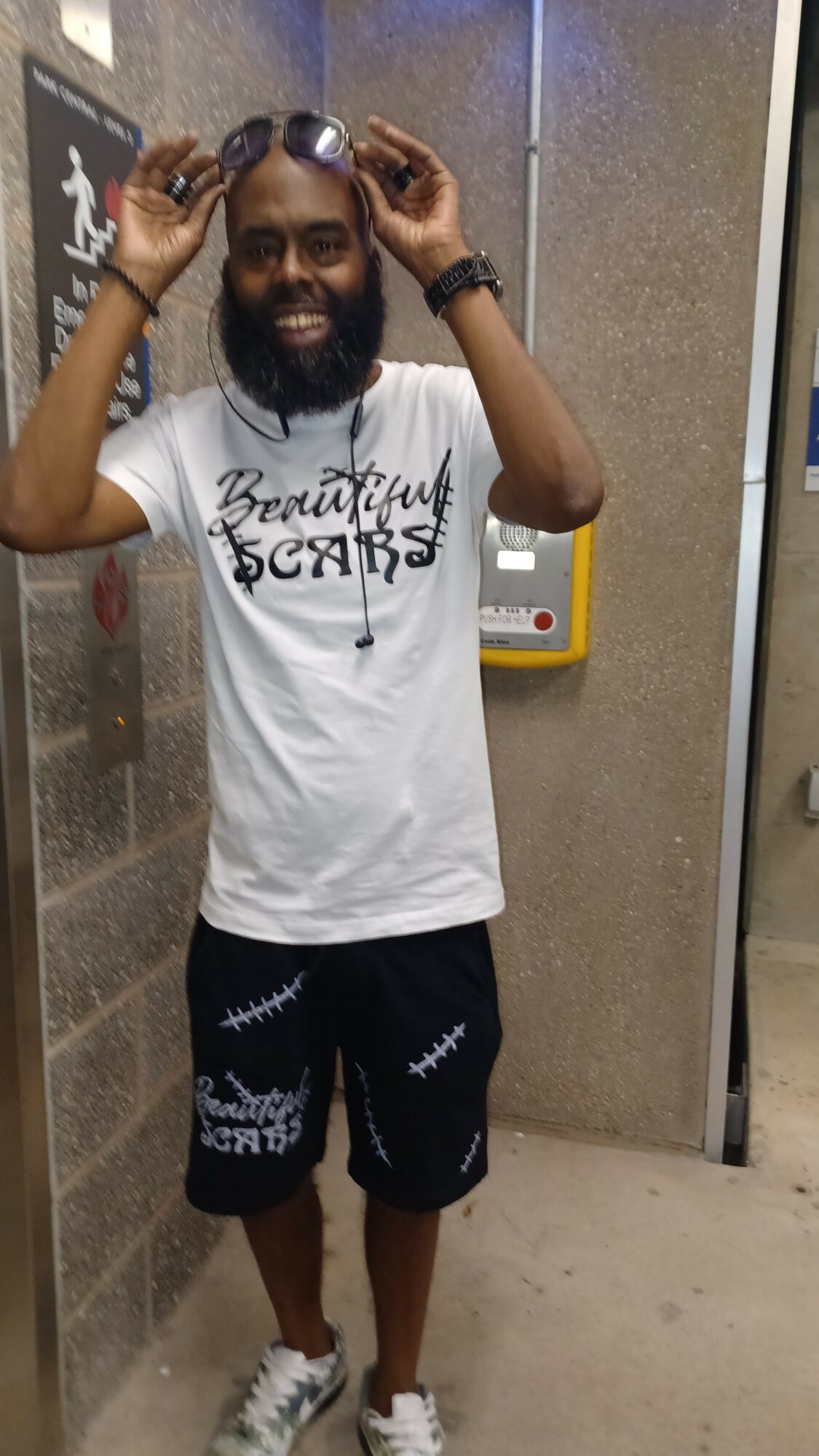
My brand, Beautiful Scars, is built on the truth that your deepest wounds are actually your greatest credentials. Other people try to mask their damage; I use mine as the foundation to rebuild a city.
We all have a different way of looking at and defining success. How do you define success?
For me, success used to be defined by tangible metrics: the revenue coming out of Top 5 BBQ, the size of the crowd eating my food, or the business expansion goals I set for myself.
But when you wake up in an ICU bed with a stranger’s organ inside your body, less than two years ago, your metric for success undergoes a radical, permanent shift.
Today, I define success through three clear, non-negotiable principles: Impact, Integration, and Inheritance.
Every single morning, I look at my calendar through the lens of a strict operational reality: my schedule is bound to a pill organizer, my body deals with heavy immunosuppressant side effects, and my energy has to be manually budgeted. Because my time is literally borrowed, success means maximizing my output for the public good.
Success isn’t about people knowing the name “Mr. Community”—it’s about the tangible results of the advocacy. It is measured by:
If the space around me isn’t transforming, I’m not successful. Period.
Success is the ability to look at my absolute worst moments—the heavy drinking, the near-fatal liver failure, the financial strain of medical bills, and the physical trauma of a transplant—and seamlessly integrate them into my purpose.
True success is turning total devastation into a tactical advantage. Under my author name, Kendon Greene, I put the blueprint in writing with The Scars that Breathe. When I can stand in front of a room of youth or community leaders, completely transparent about my damage, and use my Beautiful Scars to heal someone else’s hidden wounds—that is a win. Success is the “lick back”—proving that the bottom was just the foundation for the comeback.
You can build programs and gain local influence, but if you lose your house, you’ve failed. Ultimate success means my three sons—Jaylen, Kendon II, and Kam Kam—never have to wonder what resilience looks like.
Success is leaving them an inheritance that isn’t just financial, but spiritual and psychological. It’s ensuring they see a father who faced a medical death sentence, stood back up, managed his health with precision through partnerships like Help Hope Live, and built an empire of impact in the Dallas region. If my boys look at my life and realize that no amount of pain can permanently stop a purpose-driven man, then I have succeeded completely.
Pricing:
- https://www.amazon.com/Scars-that-Breathe-Finding-Purpose/dp/B0G19FCKMB
- https://helphopelive.org/campaign/27557/
Contact Info:
- Website: https://officialmrcommunity.org/
- Instagram: https://www.instagram.com/kendon80/
- Facebook: https://www.facebook.com/kendon.greene
- LinkedIn: https://www.linkedin.com/in/kendon-greene-410b823b7/