






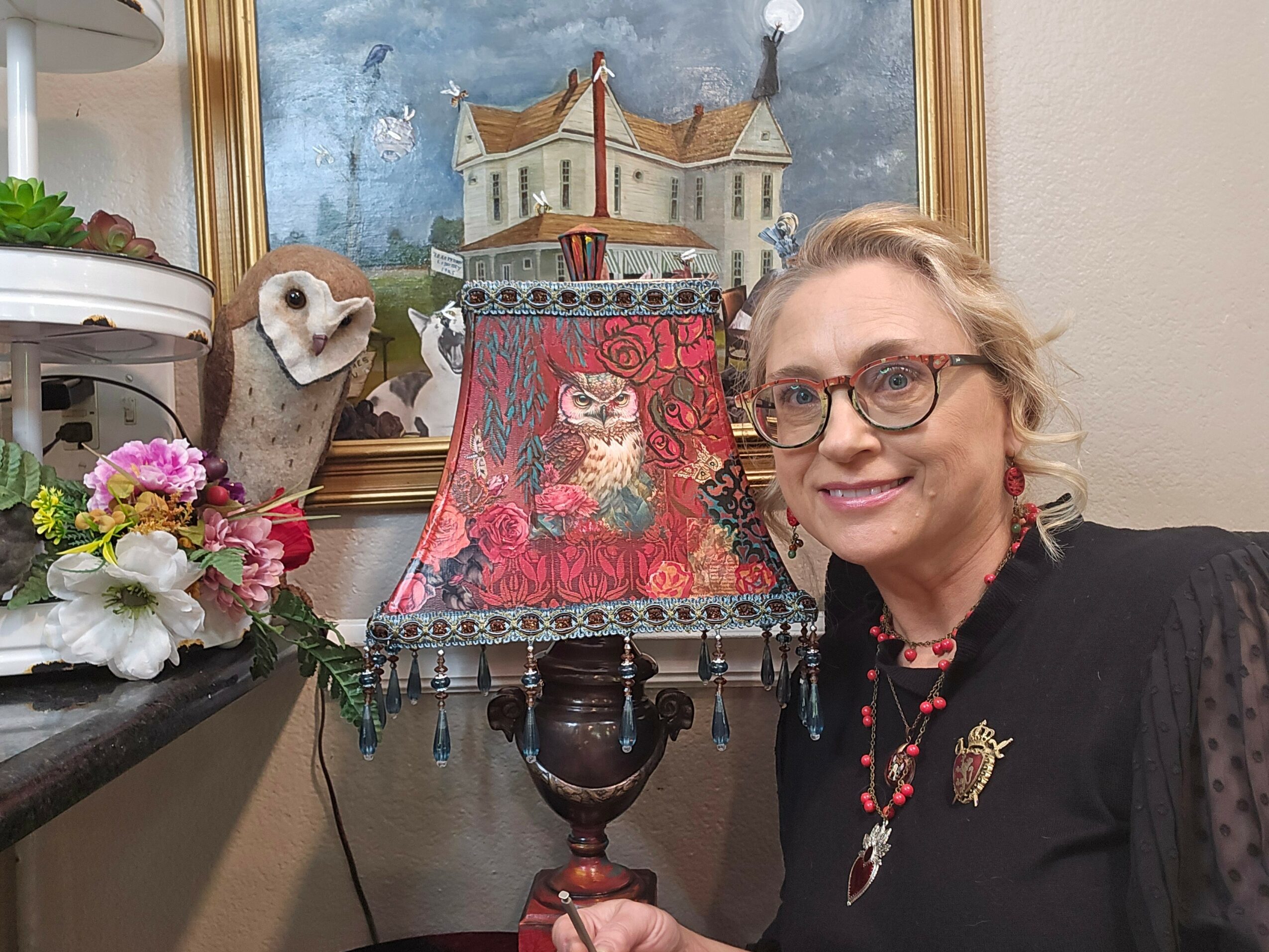
Today we’d like to introduce you to Darlene Schaper.
Hi Darlene, so excited to have you on the platform. So before we get into questions about your work-life, maybe you can bring our readers up to speed on your story and how you got to where you are today?
Darlene is a native Oregonian now living in Texas and a graduate of the Pacific Northwest College of Art. An artist and explorer since childhood, she has always felt a deep devotion to nature and its creatures, seeing the world as inherently wondrous, intimate, and alive. This sensibility continues to guide her practice, which blends curiosity, reverence, and play.
Noticing our countries ever growing waste stream and amount of usable items going into the trash, Darlene sought to reuse and upcycle using her creativity to bring a second life and keep them from going to landfill.
Can you tell our readers more about what you do and what you think sets you apart from others?
Working across collage, painting, and sculptural assemblage, Darlene creates mythic worlds and companion beings from found and discarded materials. Vintage frames, thrifted objects, damaged paintings, lace, faux fur, toys, and forgotten domestic items are transformed into goddesses, animals, familiars, shrines, and reliquaries. These materials—often rescued from curbside trash, thrift stores, or their final stop before landfill—become vessels for new stories, identities, and emotional presence.
Her work explores themes of care, transformation, humor, and ecological responsibility. By animating overlooked objects into expressive characters and landscapes, Darlene reclaims what has been dismissed and invites viewers to reconsider their relationship to consumption, waste, and the living world. The resulting works form a personal mythology—populated by gentle monsters, domestic spirits, and feminine archetypes—where tenderness becomes power and imagination offers refuge.
Through this practice, Darlene seeks not to moralize, but to re-enchant: to remind us that nothing is truly disposable, that all beings are interconnected, and that wonder itself can be an act of resistance. Her work asks viewers to slow down, look closely, and remember their kinship with the earth and the creatures—real and imagined—who share it.
If you had to, what characteristic of yours would you give the most credit to?
Success as an artist can be difficult to measure in traditional terms. If success is defined purely by income, then many artists would fall short—including myself. I do sell my work regularly and have exhibited in galleries, but my art does not fully support me financially. I’ve always maintained other jobs, and in many ways, that has allowed me the creative freedom to make the work I truly care about.
For me, success is found elsewhere. It lives in the connection between the work and the person experiencing it. There is nothing more meaningful than hearing that something I created resonates deeply with someone else. That exchange—of emotion, curiosity, or joy—is what I value most.
Another important part of success is visibility. Art needs to be seen to live fully. I’ve made a conscious effort to share my process and my work in accessible ways, including starting a YouTube channel and using platforms like Facebook Marketplace to connect directly with people. Removing barriers between the work and the viewer has been empowering, both creatively and practically.
Ultimately, I measure success by the ability to keep making, keep sharing, and keep connecting.
Contact Info:
- Instagram: https://www.instagram.com/darlenetheartist
- Facebook: https://www.facebook.com/officialdarlenetheartist
- Youtube: https://www.youtube.com/@DarleneTheArtist
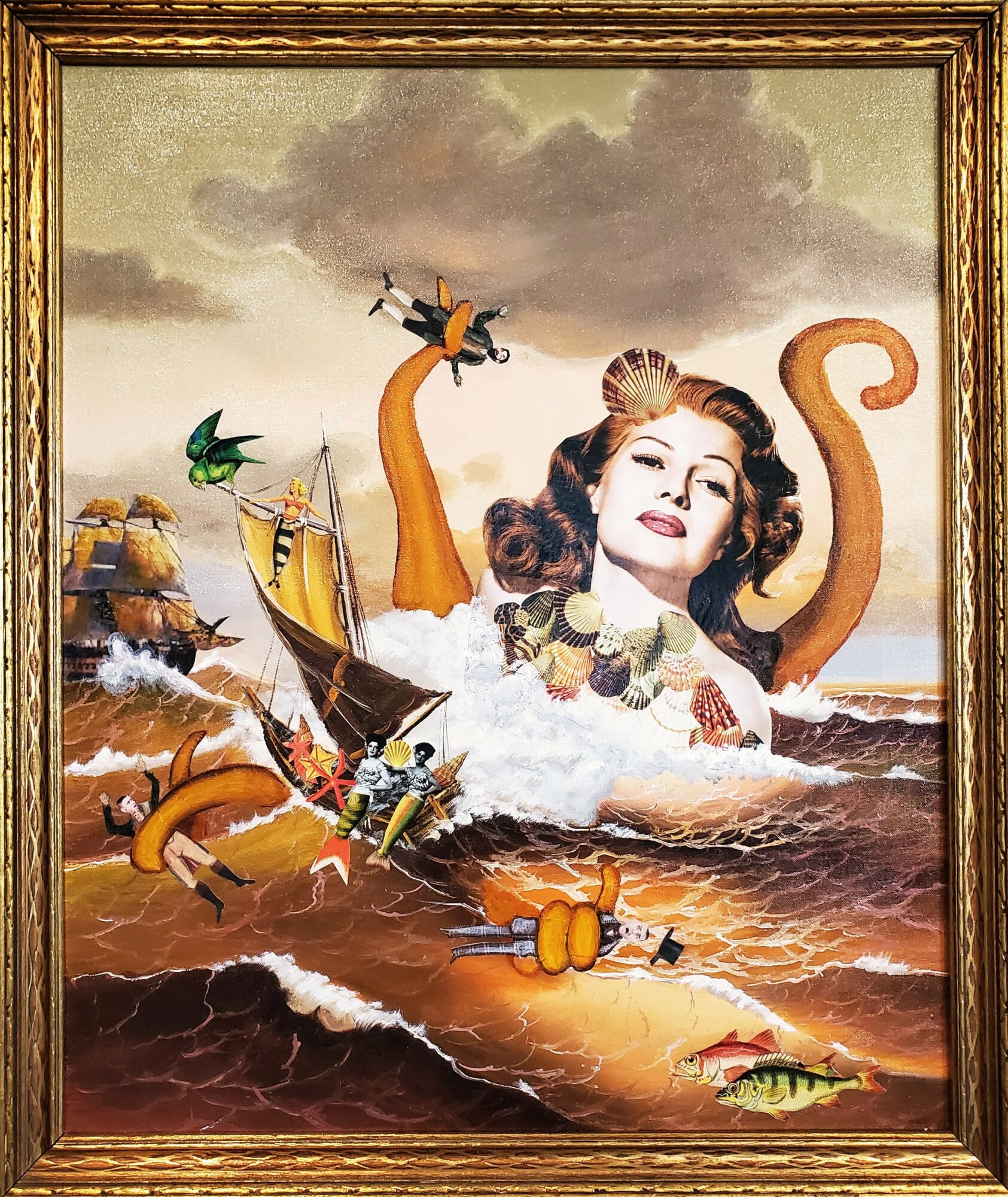
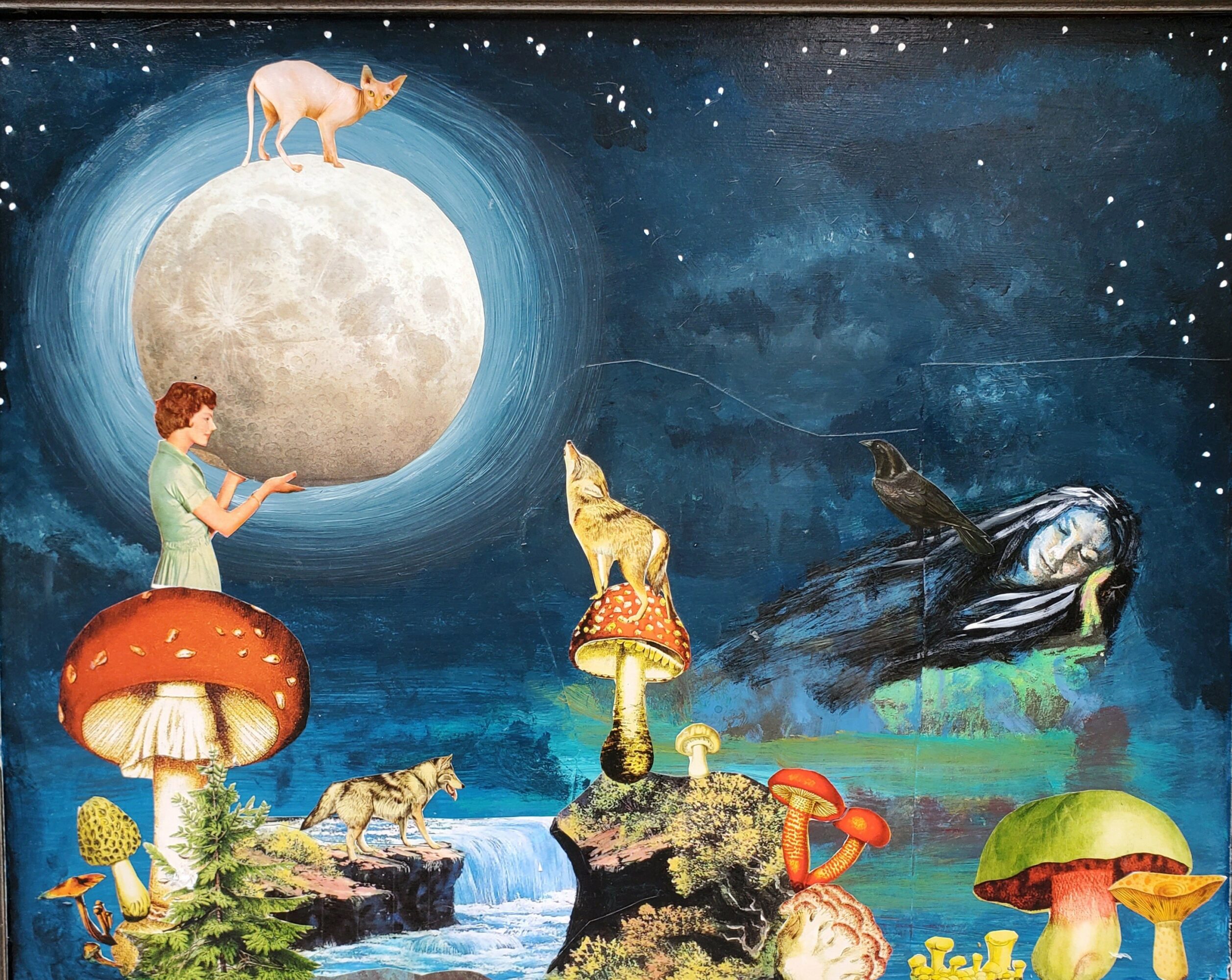
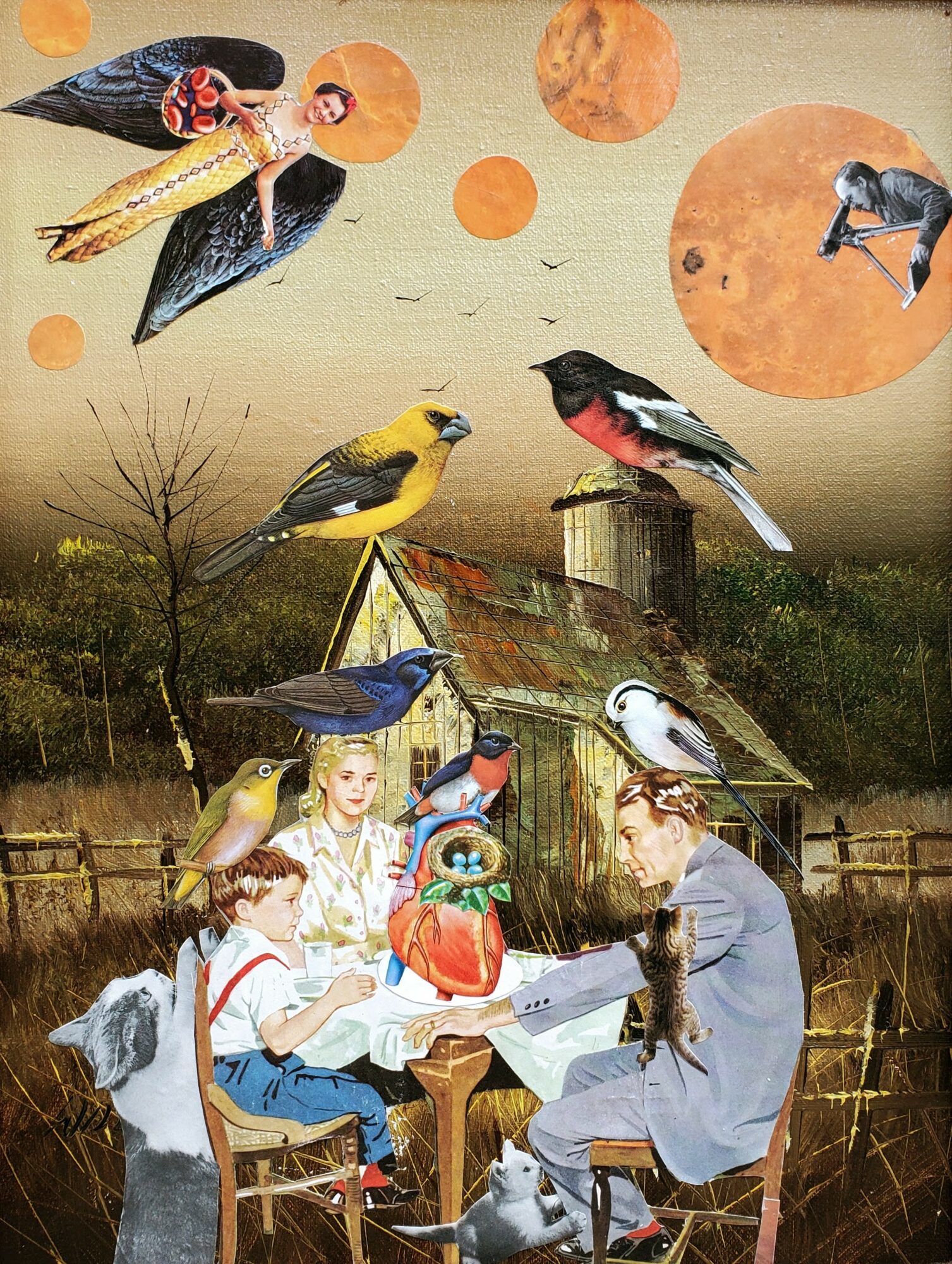
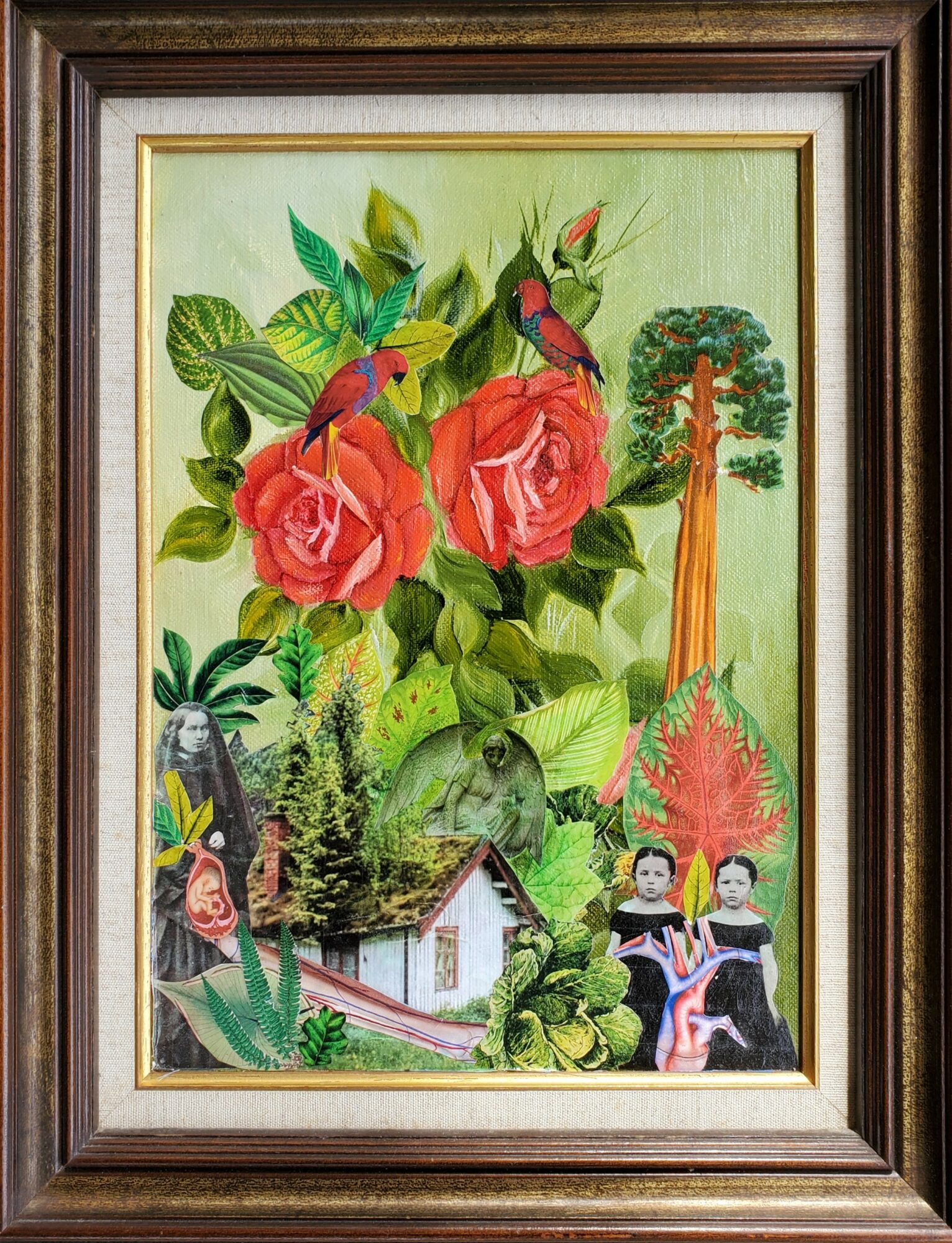
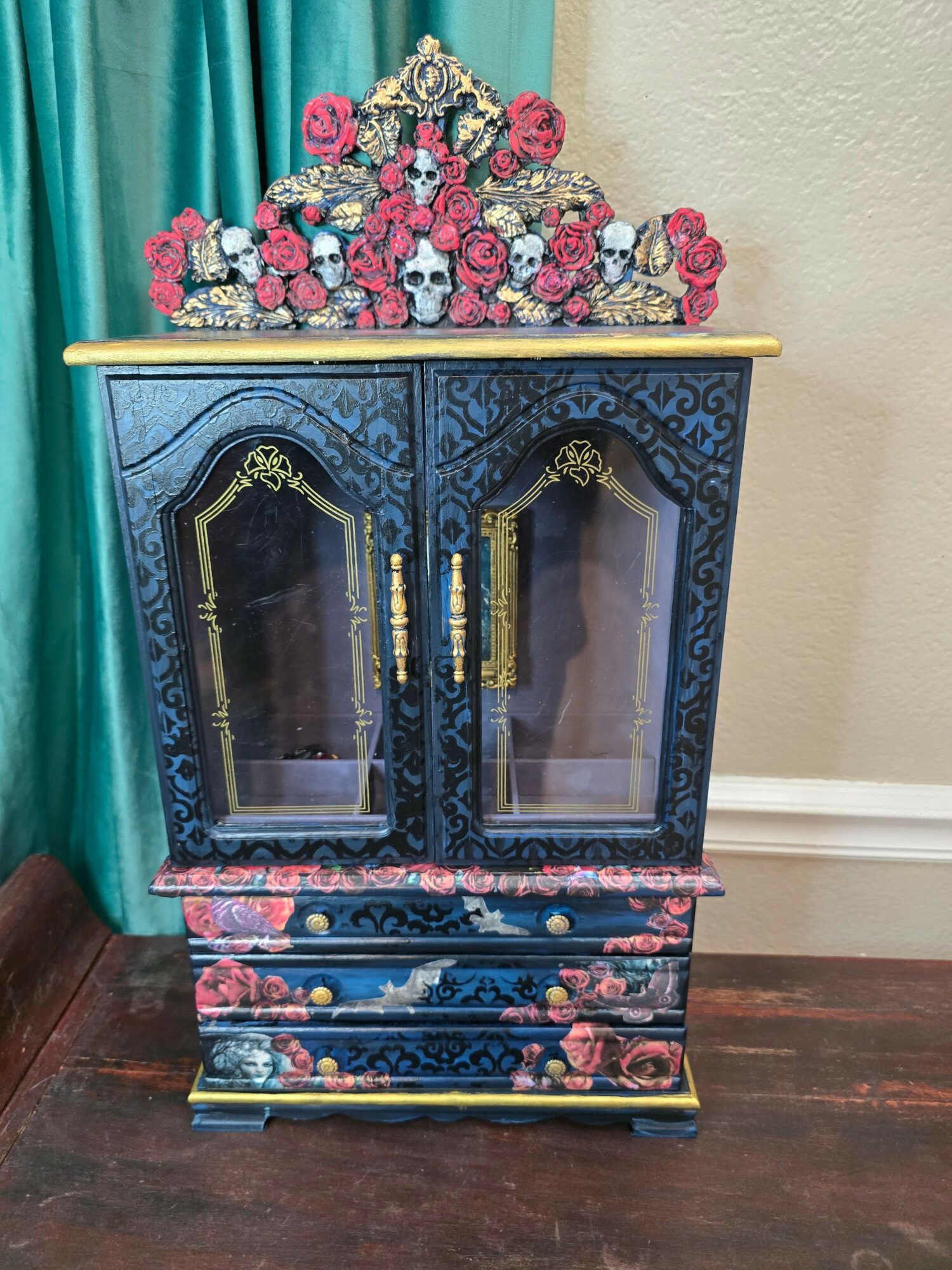
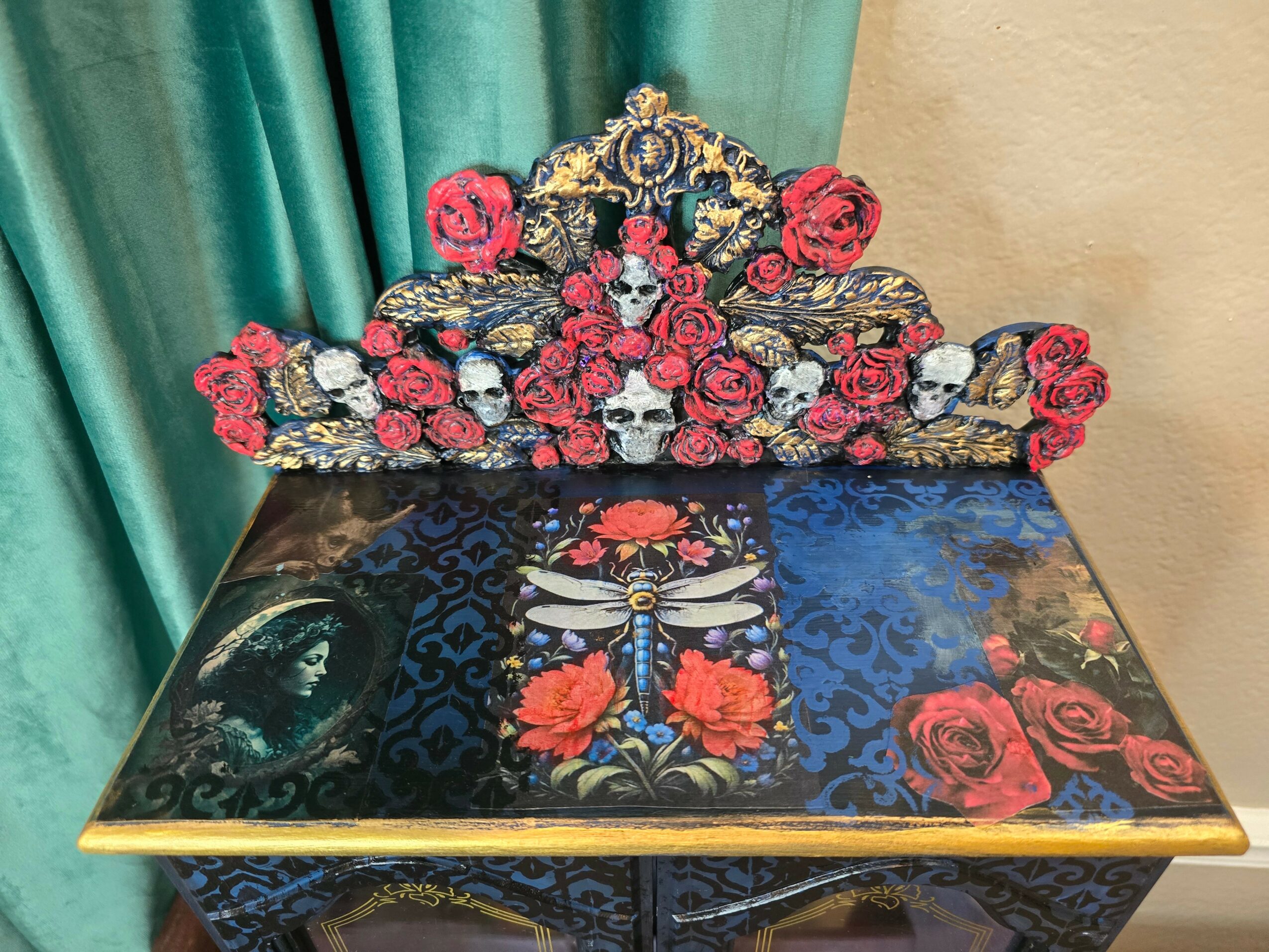
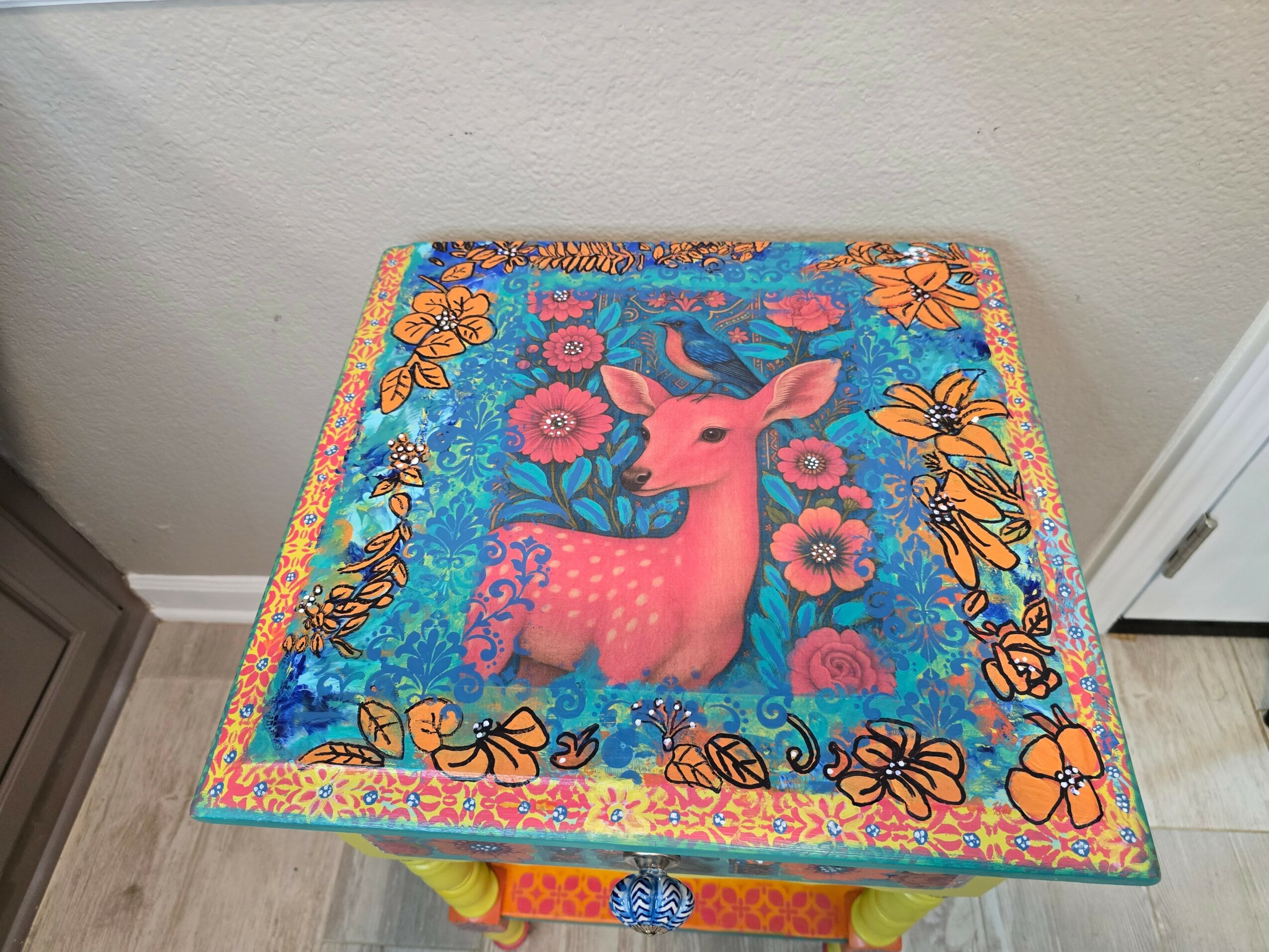
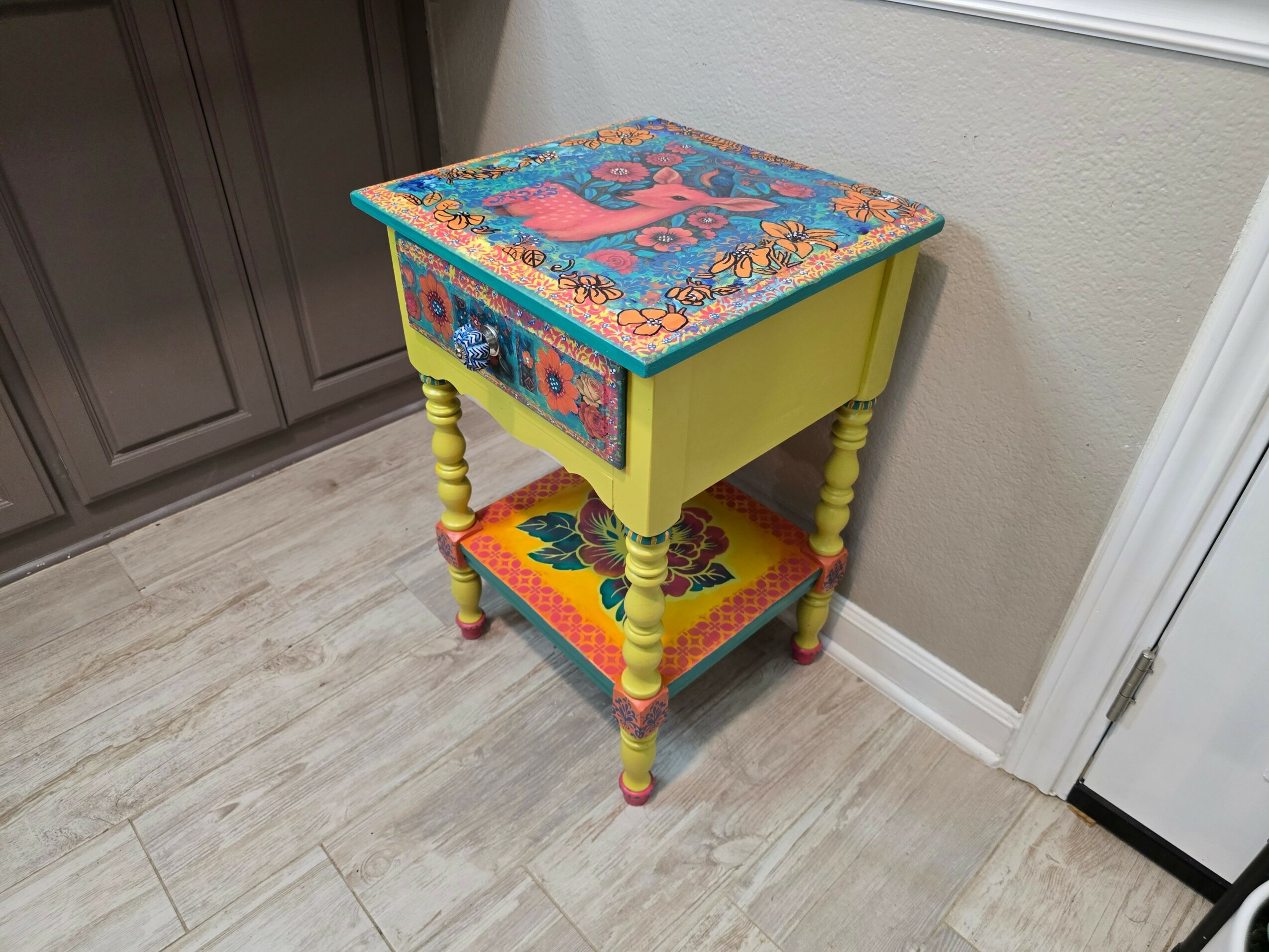
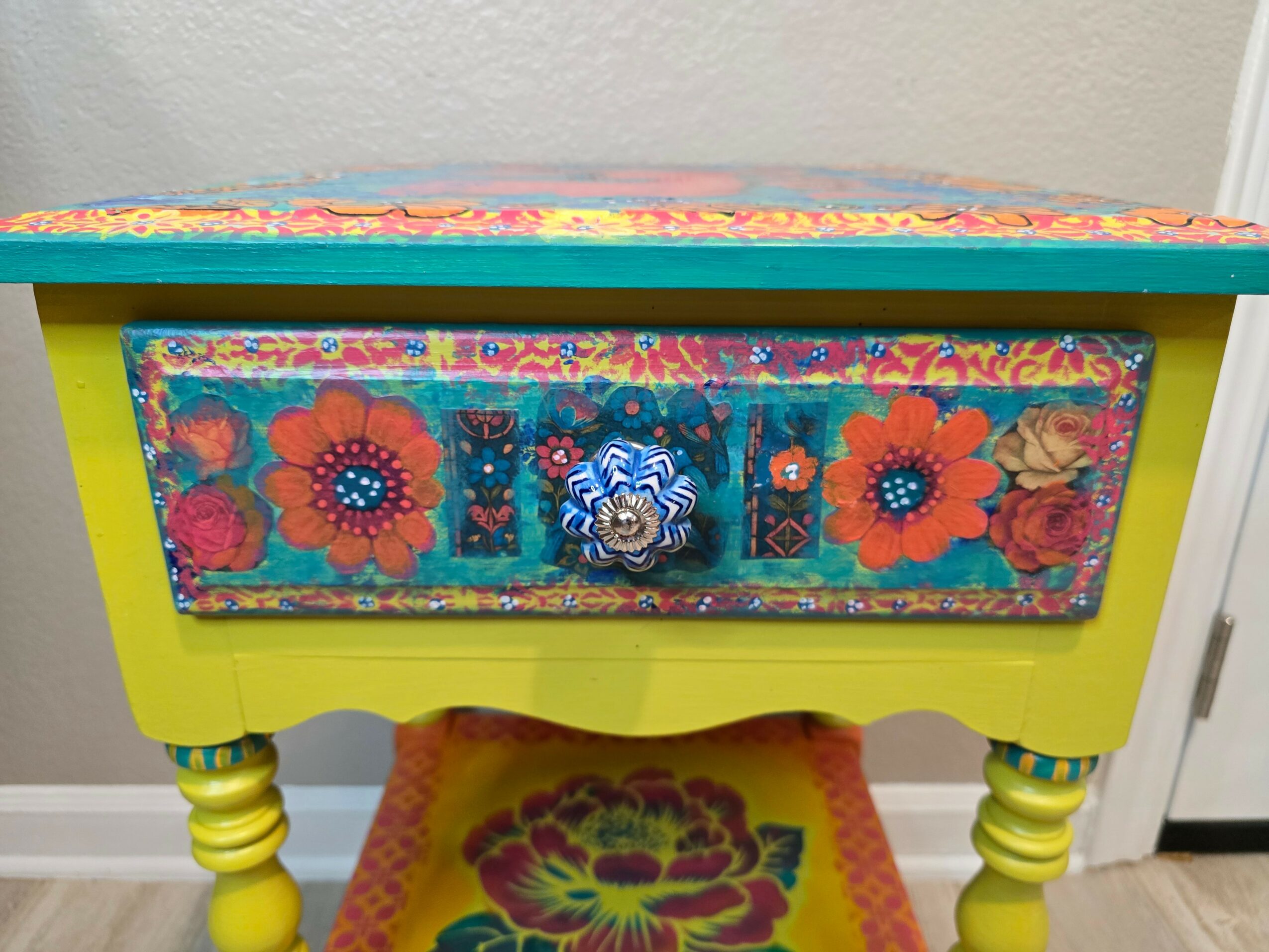
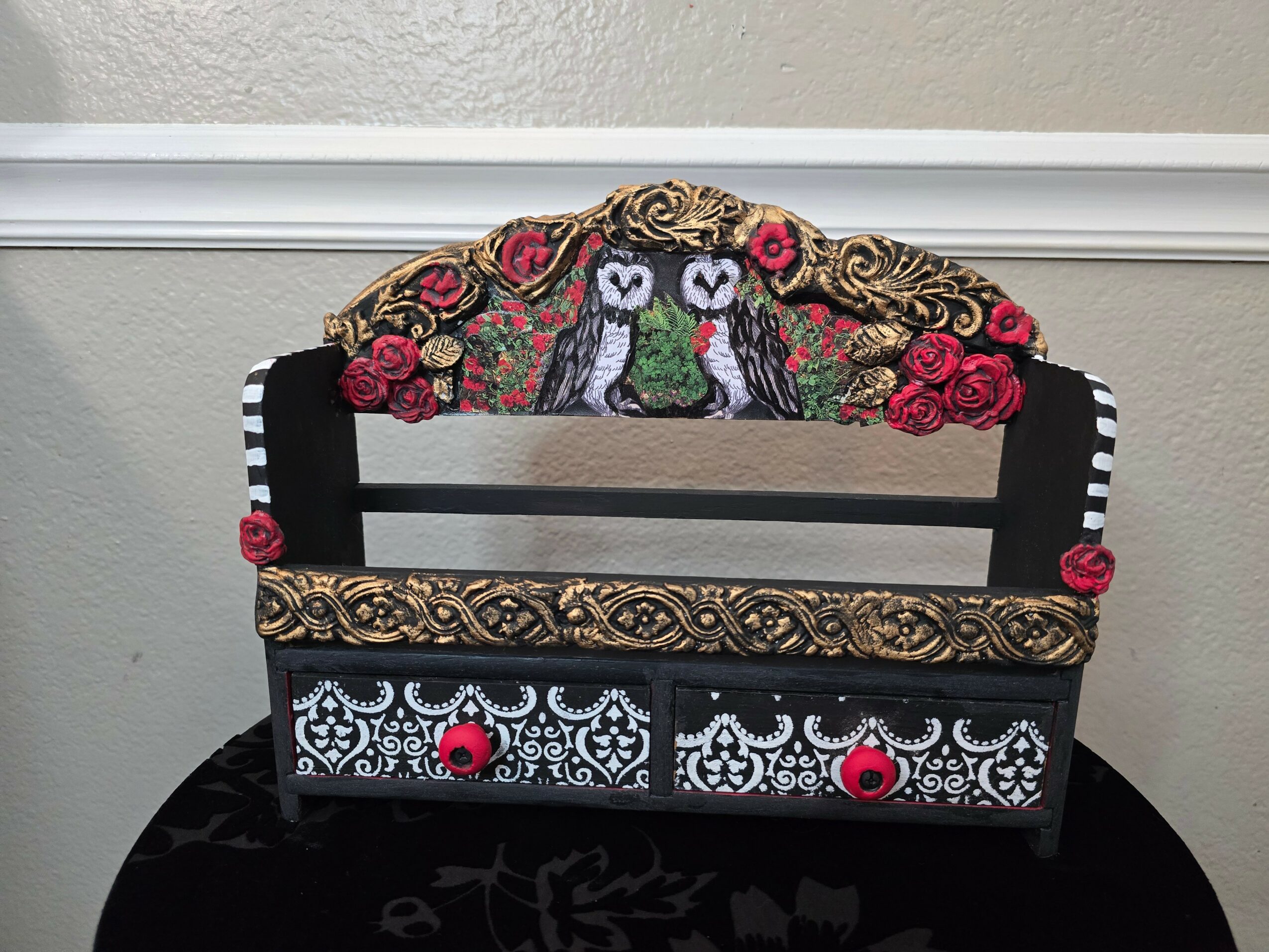
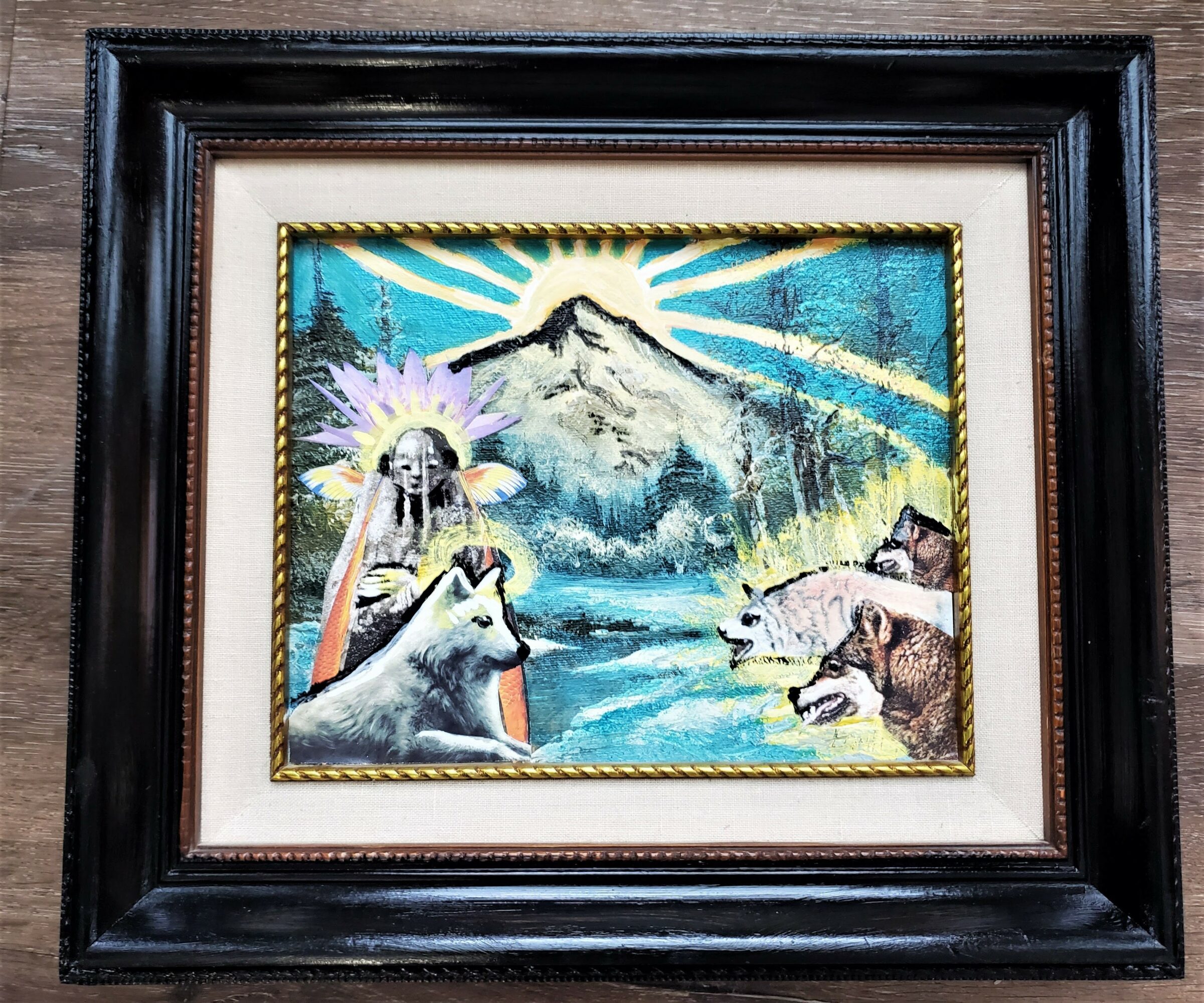
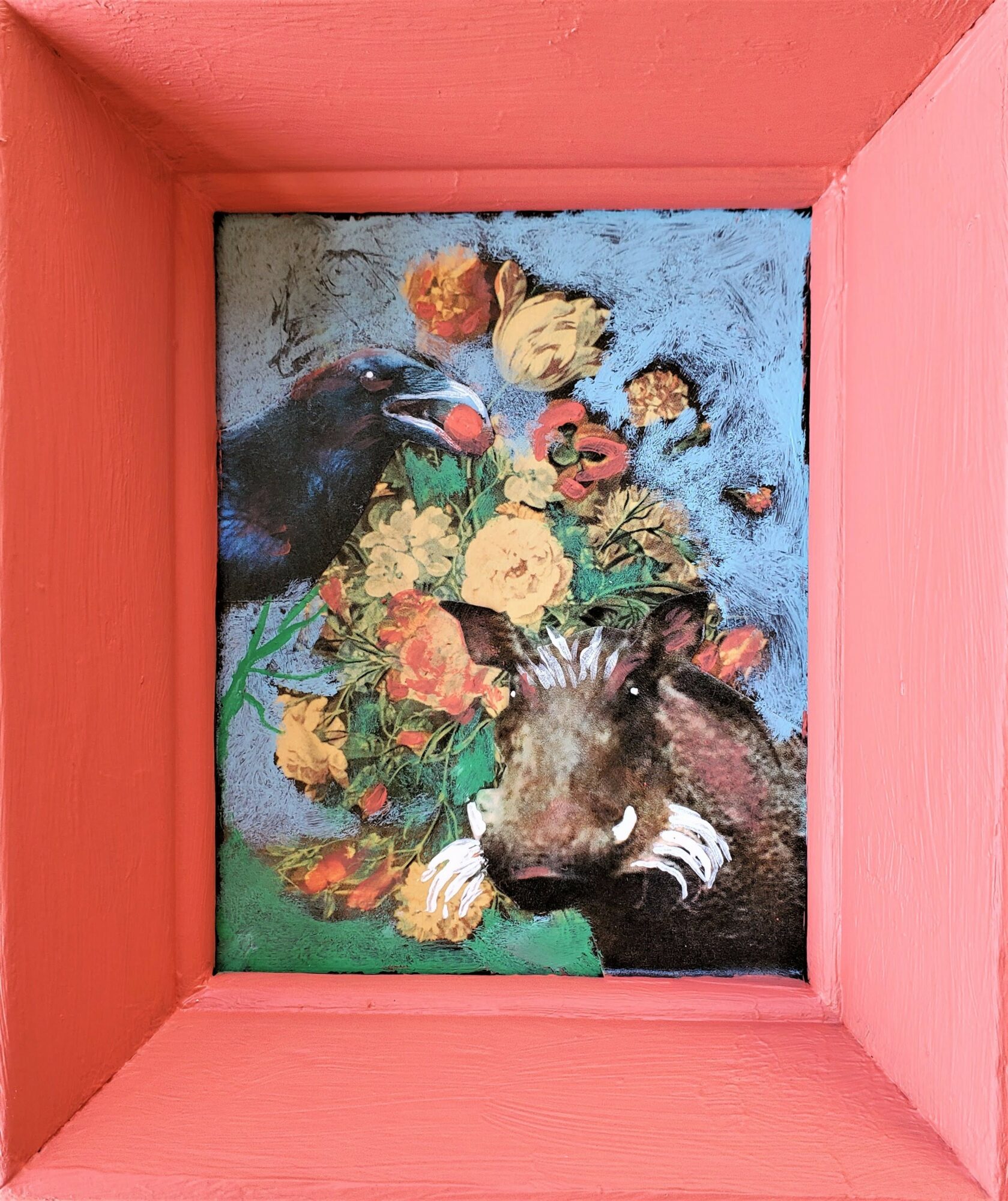
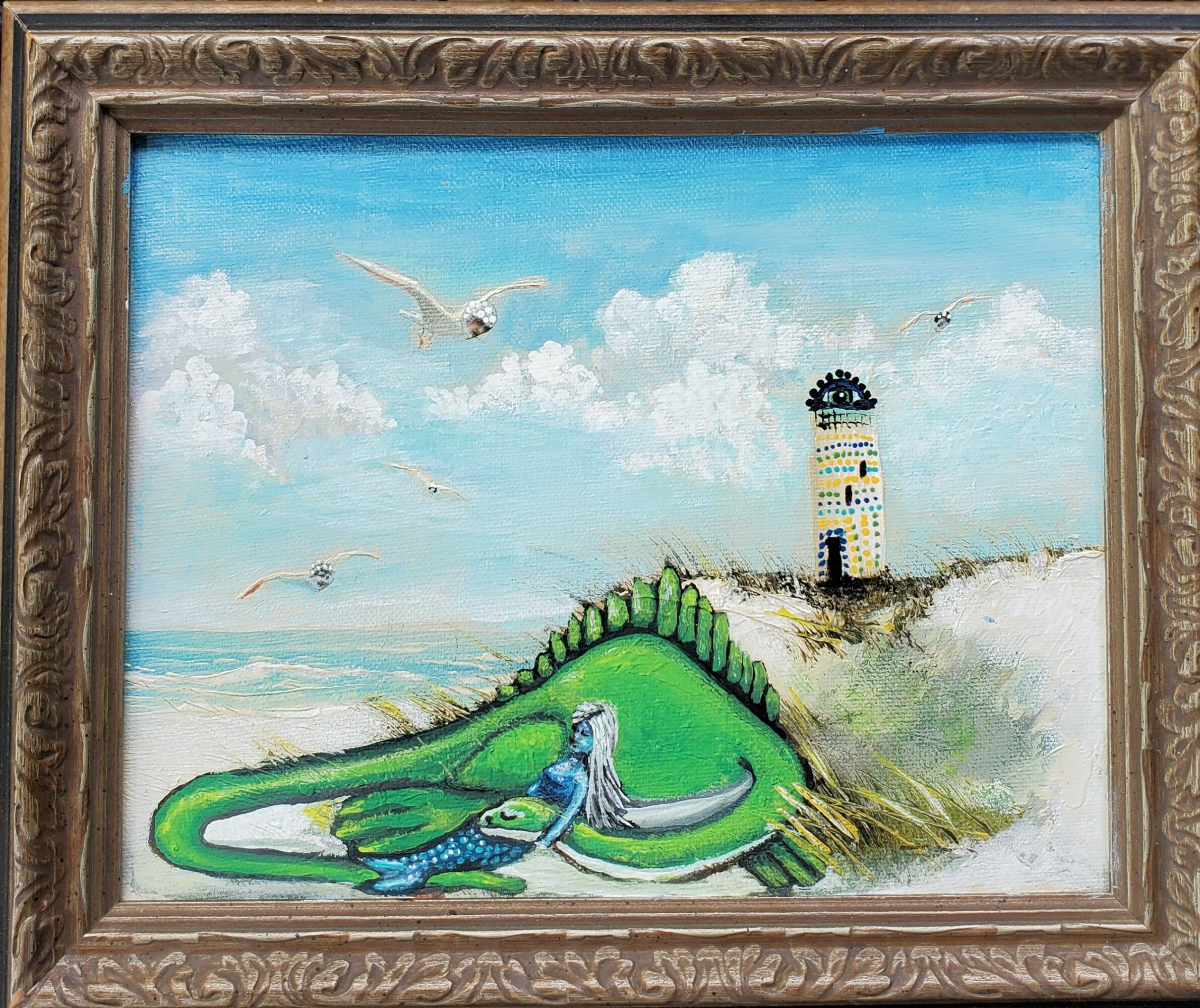
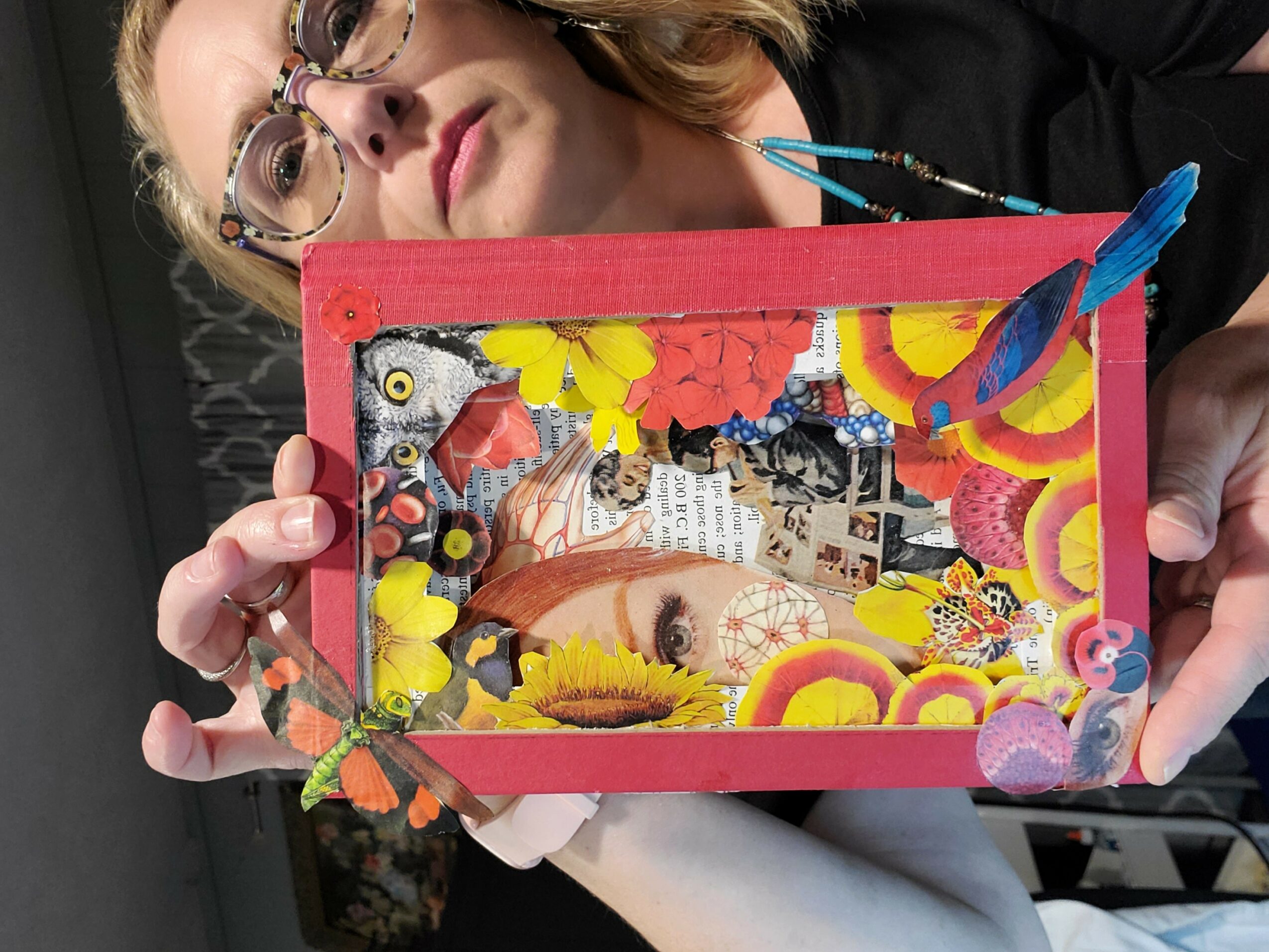
Image Credits
I took all the pictures