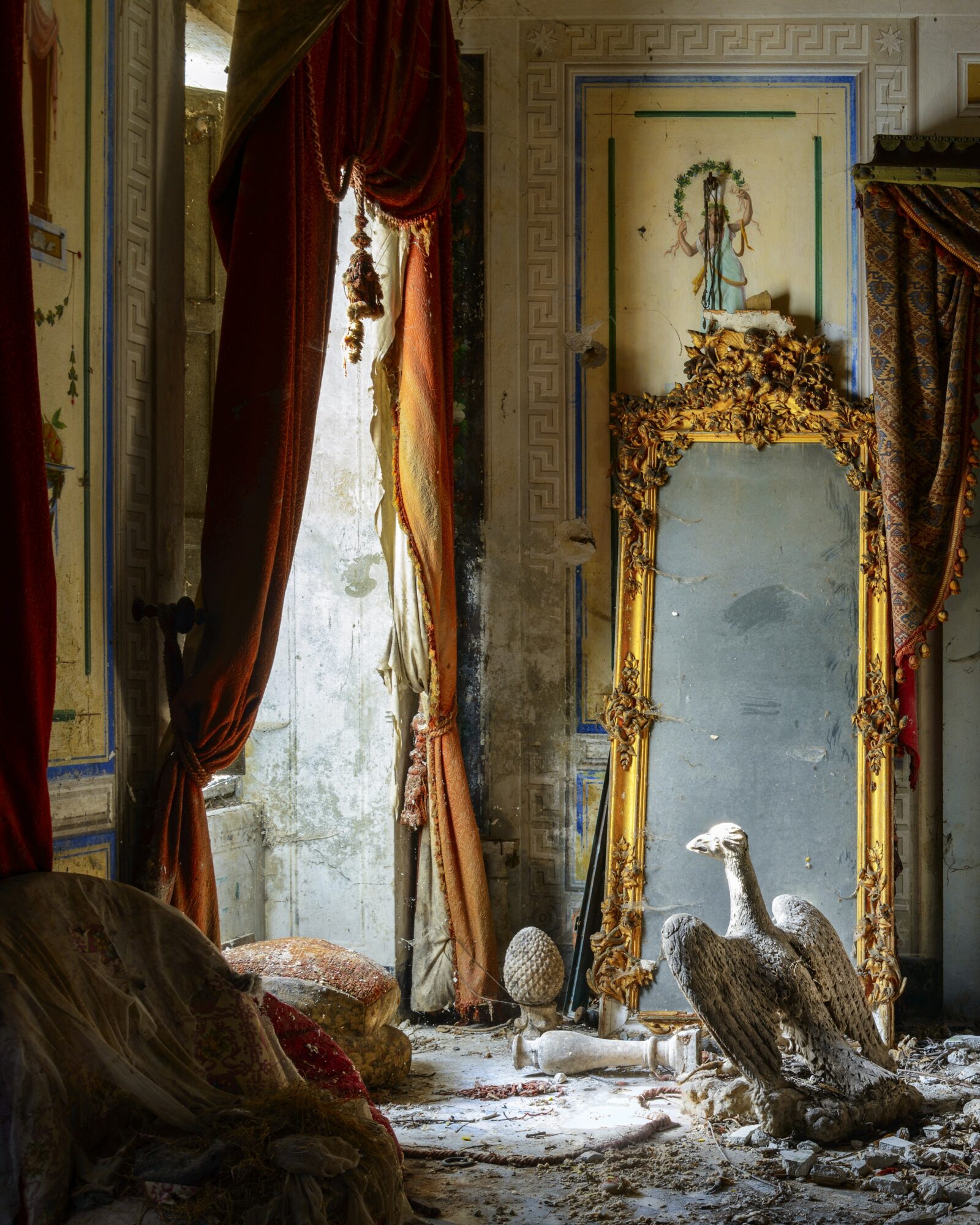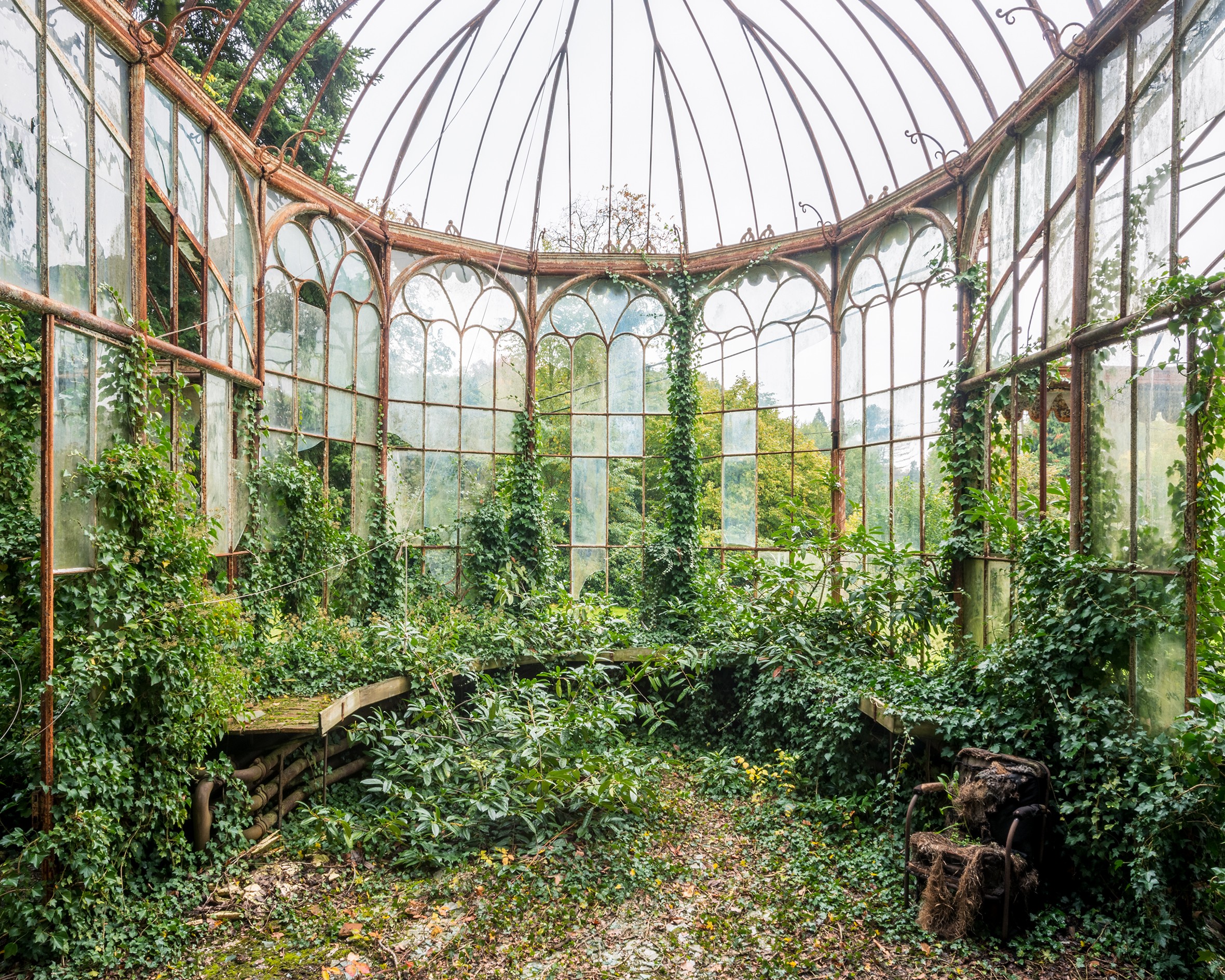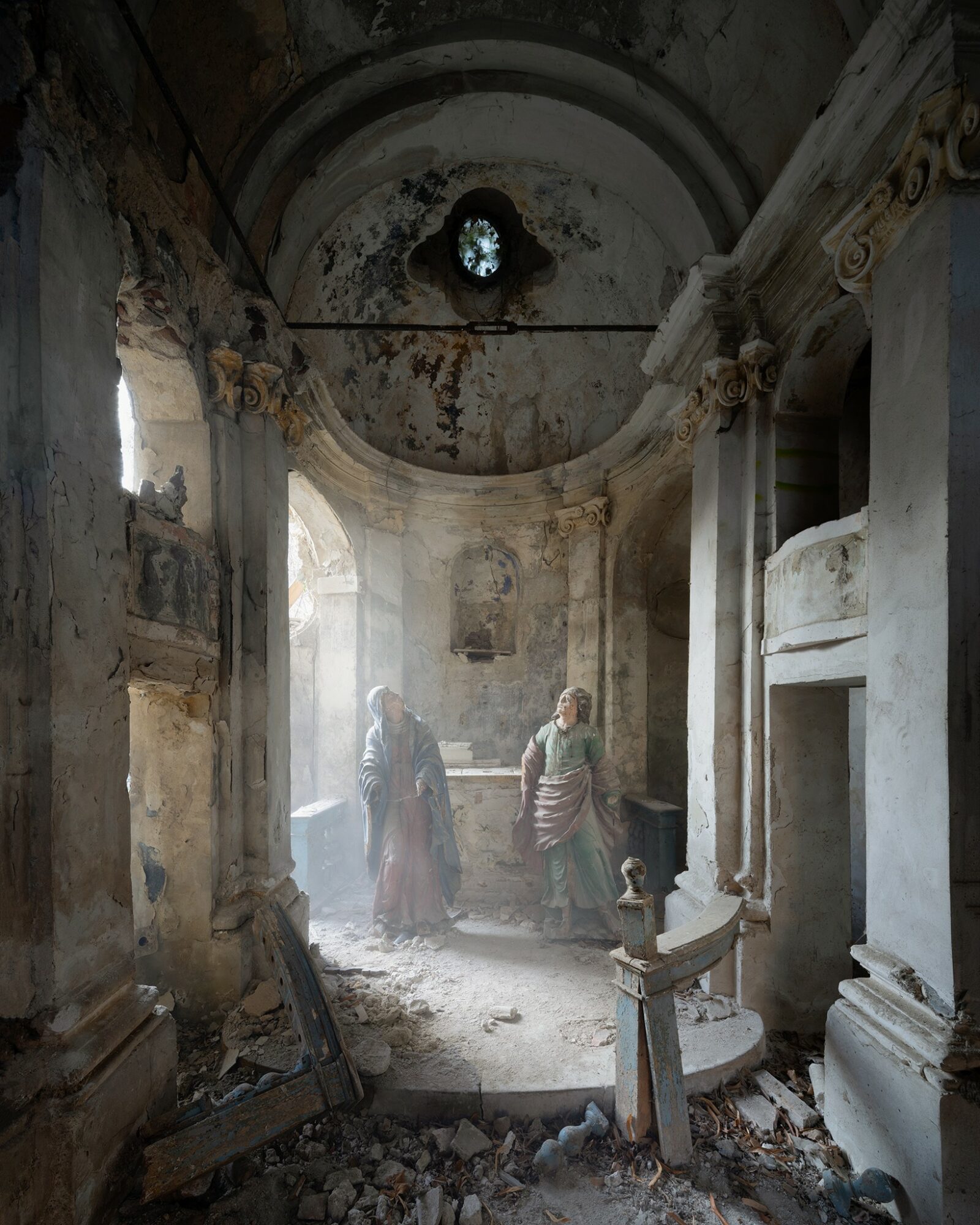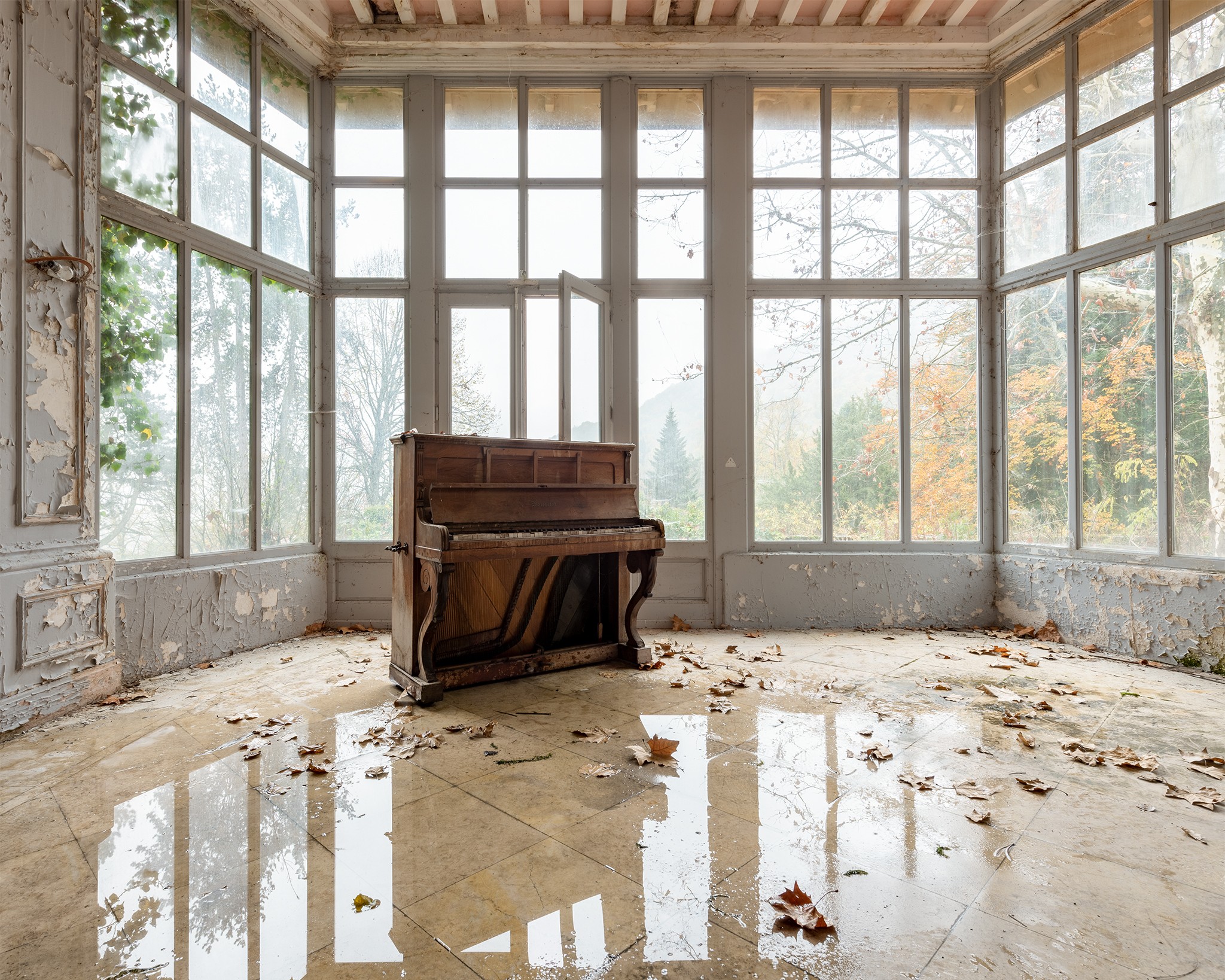






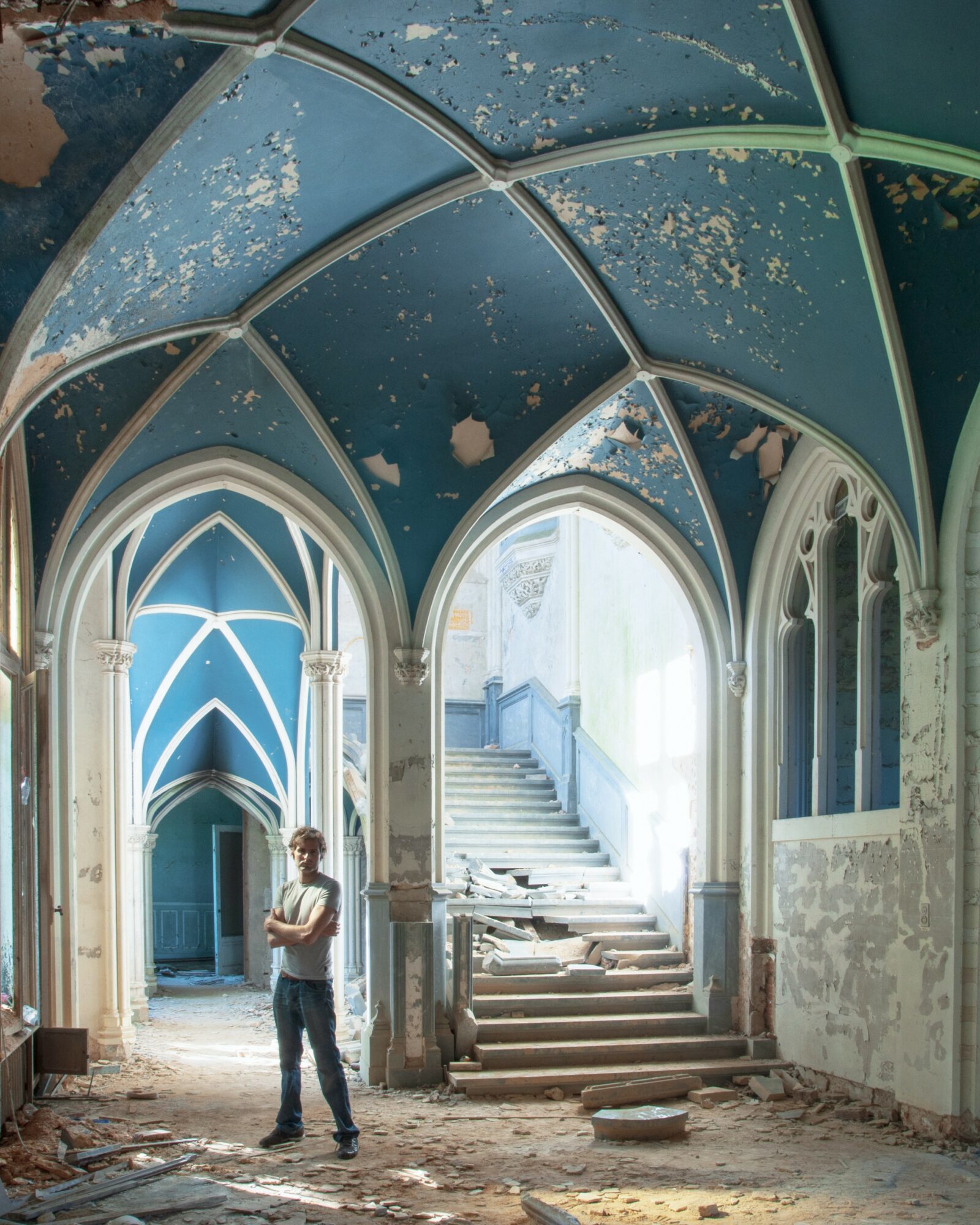
Today we’d like to introduce you to Nicola Bertellotti.
Hi Nicola, thanks for joining us today. We’d love for you to start by introducing yourself.
It all began during my university years at the University of Pisa, where I studied History. My academic background deeply shaped how I perceived the world. I became fascinated not just by text, but by the physical spaces where history occurred—specifically, the places that society had moved on from. I realized that abandoned structures, decaying villas, and silent factories were not just empty shells; they were dense historical archives, visual metaphors for impermanence and the passing of eras.
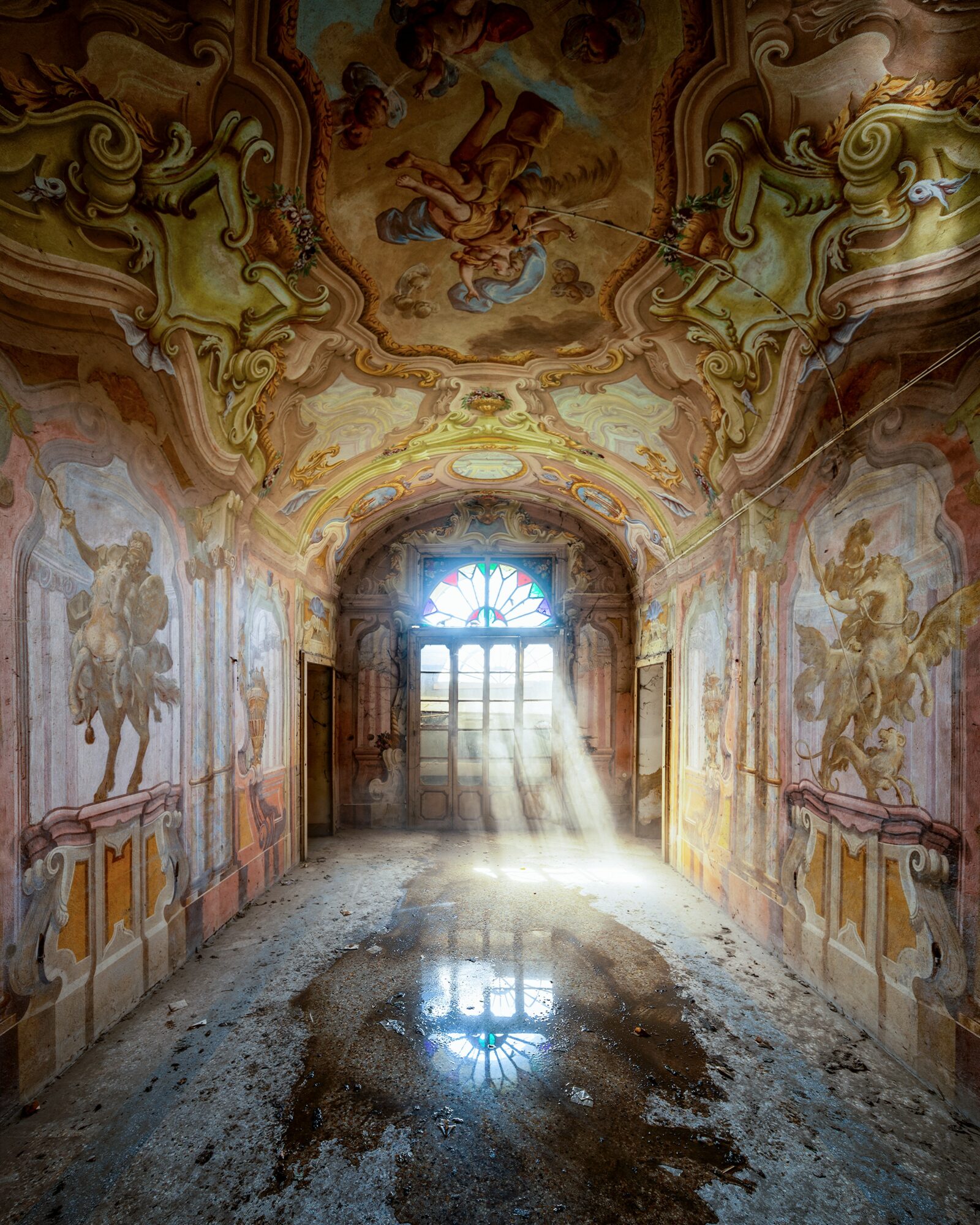
In the early days, the challenge was to develop a visual language that could match the gravity of these spaces. I didn’t want my images to look like accidental snapshots or cold forensic records. Instead, I drew heavy inspiration from classical painting, poetry, and the romantic philosophy of the 19th century.
I spent years mastering the use of natural light—waiting hours for a single ray to pierce through a collapsed ceiling—to transform a crumbling room into a secular cathedral. The evolution of my career was defined by this shift: moving from a traveler who documents, to an artist who translates architectural grief into a poetic, visual landscape.
Today, my practice has matured into a structured artistic research that operates at the intersection of contemporary art and cultural preservation. My work is regularly exhibited in galleries and institutions, where these forgotten locations are reintroduced to the public context they were stripped of.
Rather than looking backward with mere nostalgia, I now view my current projects as a way to map out an alternative atlas of our world. I continue to push the boundaries of my medium, traveling further and deeper into remote geographies to capture the ultimate dialogue between human ambition and the relentless, beautiful reclamation of time.
Would you say it’s been a smooth road, and if not what are some of the biggest challenges you’ve faced along the way?
On a practical level, capturing the aesthetics of abandonment is physically demanding and often hazardous. Accessing these forgotten places requires extensive research, rigorous planning, and a good deal of physical endurance. Dealing with structural instability, environmental hazards, and navigating the legal complexities of urban exploration across different countries means that half the work happens long before the shutter is pressed. It is a constant negotiation between the urge to document and the unpredictability of the locations themselves.
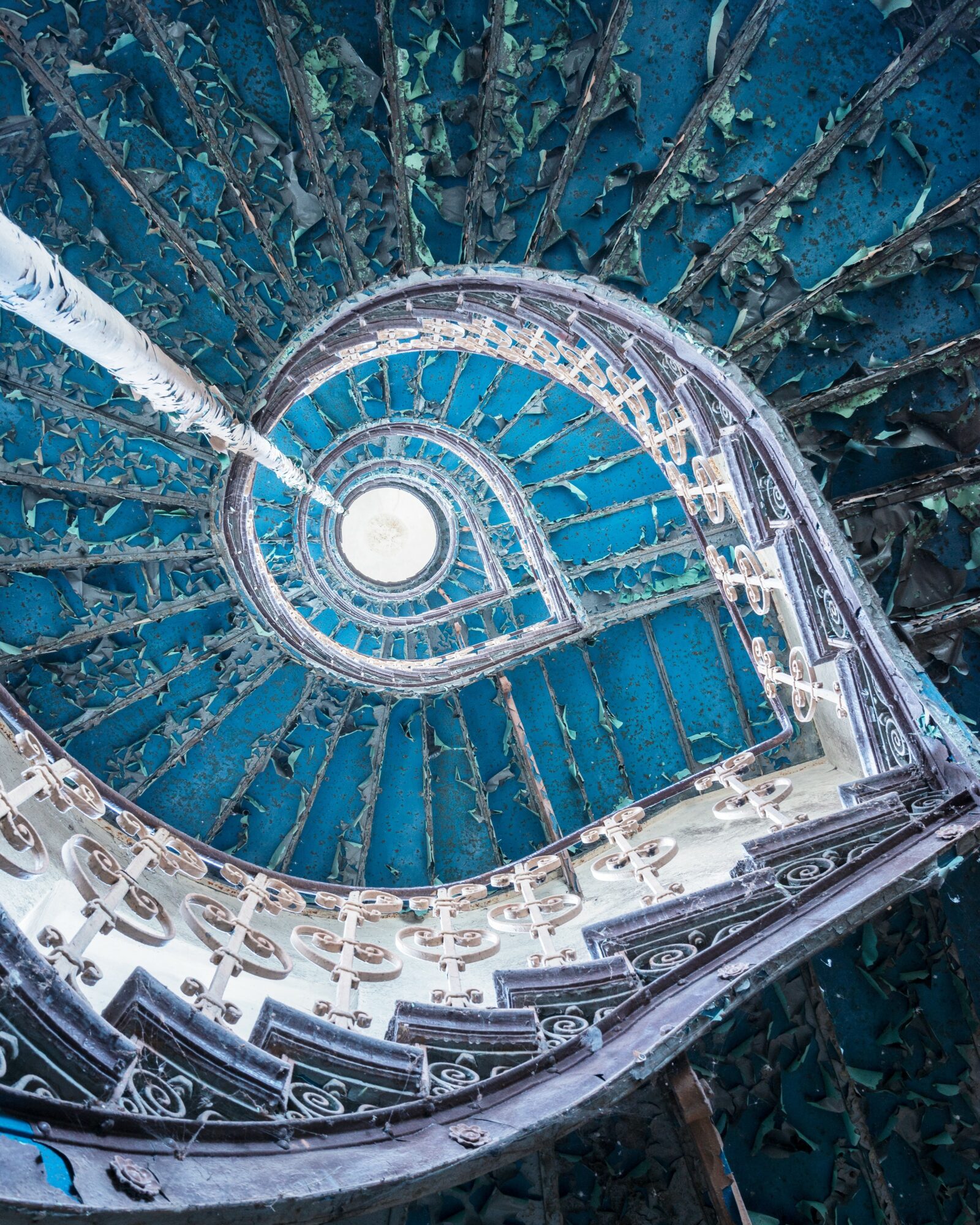
Artistically, one of the greatest hurdles has been overcoming the “cliché of decay.” In the age of digital media, images of abandoned buildings are everywhere. The challenge lies in elevating urban exploration from mere sensationalism or passive documentation into contemporary fine art.
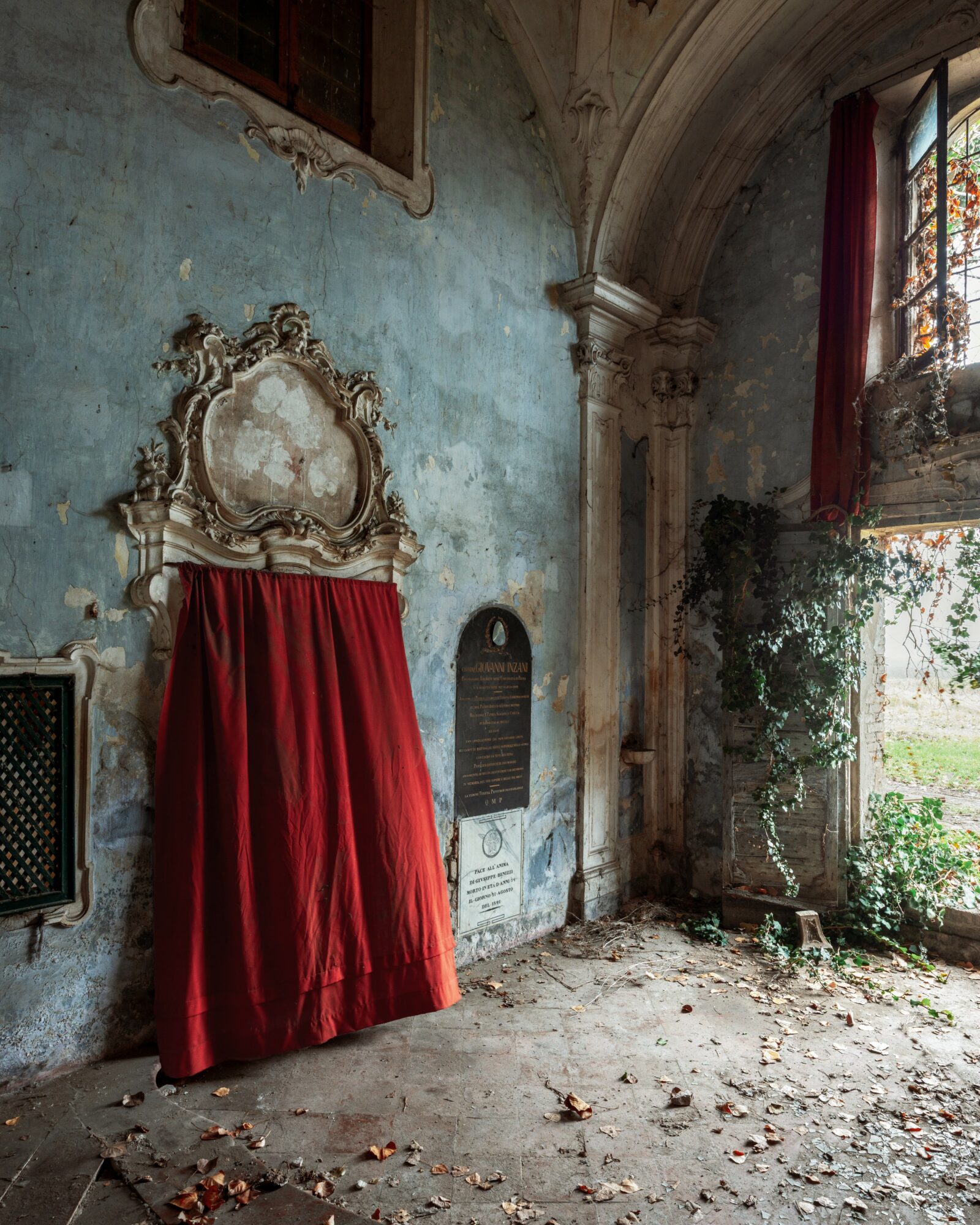
It takes time, maturity, and deep study to find your own voice. For me, the struggle was ensuring that my background in History and philosophy wasn’t just an internal thought process, but something tangible in the final print. Moving past the surface level of a ruined room to capture its genius loci (the spirit of the place) requires immense patience and conceptual rigor.
Thanks – so what else should our readers know about your work and what you’re currently focused on?
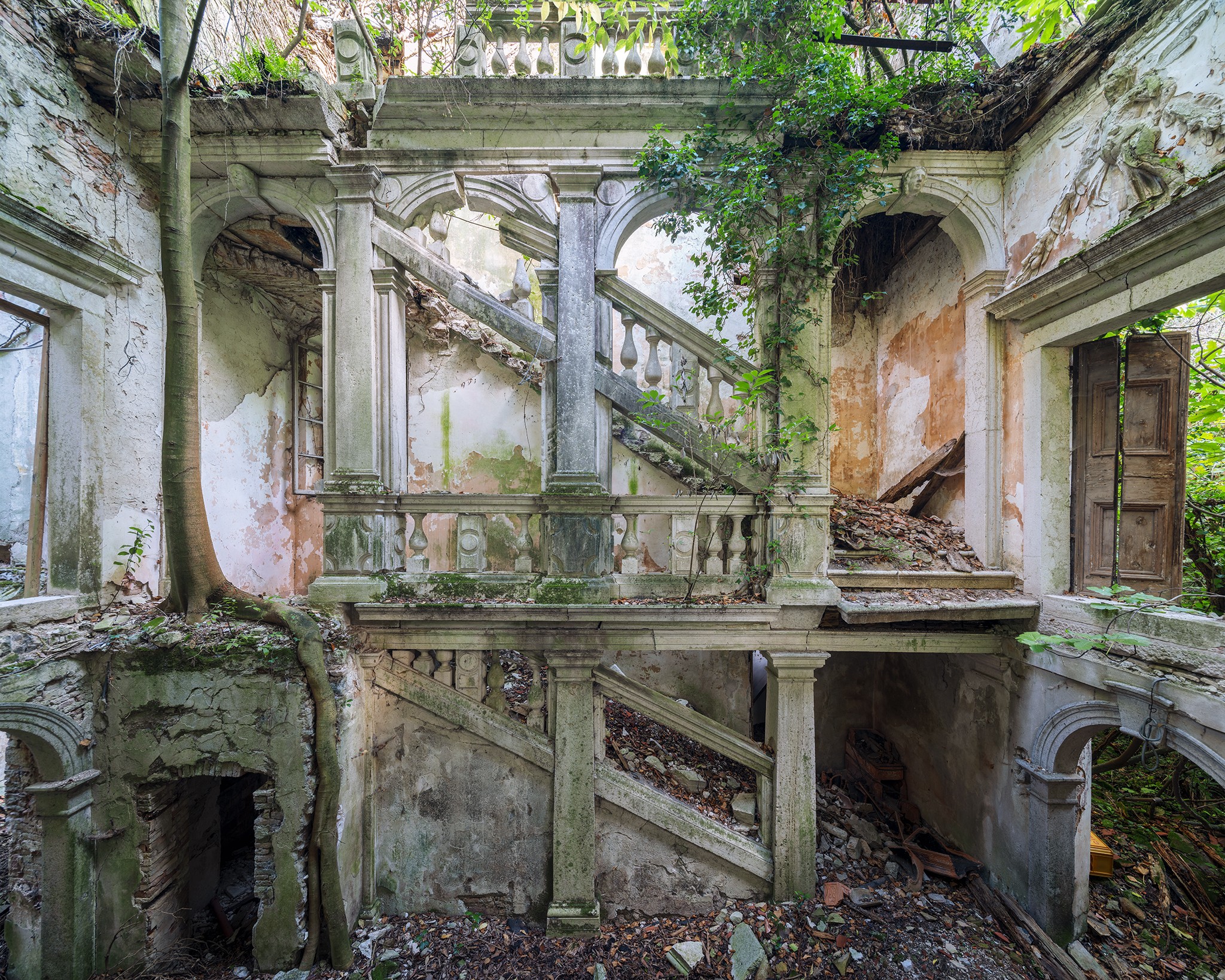
I am a fine-art photographer specializing in industrial archaeology, abandoned places, and urban exploration (UrbEx). My work is deeply rooted in my background in History, which heavily influences my artistic gaze. Rather than merely documenting decay, I treat these forgotten spaces as historical and philosophical strata. My focus centers on “Ruinenlust” (the poetry of ruins) and the aesthetics of decay, exploring the threshold where human creation ends and nature begins to reclaim its sovereignty.
Through my series—such as The Great Beauty, Picturesque, and Ex Machina—I aim to capture the suspended atmosphere of places left behind, turning architectural silence into a visual narrative about time, memory, and impermanence.
I am recognized for an aesthetic that leans toward a cultured, classical, and painterly representation of abandoned heritage across Europe and beyond. My images are often noted for their meticulous composition, dramatic interplay of light, and a sense of “the great beauty” hidden within abandonment.
Lately, my work has gained broader visibility through featured portfolios and covers in contemporary photography magazines (such as Vanity Fair and Milieu Magazine), and I am honored to serve as a jury member for the Urban Photo Awards 2026.
I take immense pride in seeing my photographic research transition from ephemeral digital spaces into permanent cultural heritages. A recent milestone that means a lot to me was winning first prize in the Rovine di Puglia contest, which led to my artwork, “Anni senza fine”, being permanently installed at the Salvatore Cavallo Museum in San Michele Salentino.
Additionally, bringing my vision to life through solo exhibitions (such as Outro at Villa Pacchiani) and engaging with international communities, like presenting for the London Camera Club, have been incredibly rewarding highlights. I am also currently finalizing a major book project dedicated to an extensive photographic reportage of abandoned places in Georgia, which feels like a culmination of years of exploration.
What distinctively shapes my photographic identity is the dialogue between the lens and historical/philosophical thought. I don’t just look for decayed aesthetics; I look for the genius loci (the spirit of the place). My process is intensely research-driven, drawing inspiration from classical art, literature, and philosophers of aesthetics like John Ruskin or Jean Baudrillard.
By treating the camera as an instrument of memory rather than just a recording device, I try to give “flesh” to the world’s forgotten corners (“La carne del mondo”), bridging the gap between historical documentation and contemporary fine art.
What sort of changes are you expecting over the next 5-10 years?
As AI tools become flawless at generating technically perfect images, the barrier to entry for creating pristine visuals has completely collapsed. Because of this, the art market is experiencing a massive counter-movement. Over the next decade, the premium will shift entirely to proven physical presence. Audiences and collectors are already developing a fatigue for digital perfection. Value will concentrate on images that serve as an undeniable testament to a human being physically standing in a specific space, reading the room, waiting for the natural light, and capturing a fleeting moment of reality. Imperfection—a slight motion blur, organic grain, or a complex interplay of shadows—will become a sought-after signature of authenticity rather than a technical flaw.
The traditional “white cube” gallery space is evolving. Driven by a broader cultural shift where audiences value experiences over mere possession, fine-art photography exhibitions will become more immersive. Over the next 5–10 years, the integration of Virtual Reality (VR) and spatial audio will allow viewers to not just look at a photograph on a wall, but to virtually step inside the environment where the photo was taken. For architectural, environmental, and exploration-focused photography, this means transforming an exhibition into an interactive, multi-sensory journey through space and time.
Contact Info:
- Website: https://www.nicolabertellotti.com/
- Instagram: https://www.instagram.com/nicola_bertellotti/