






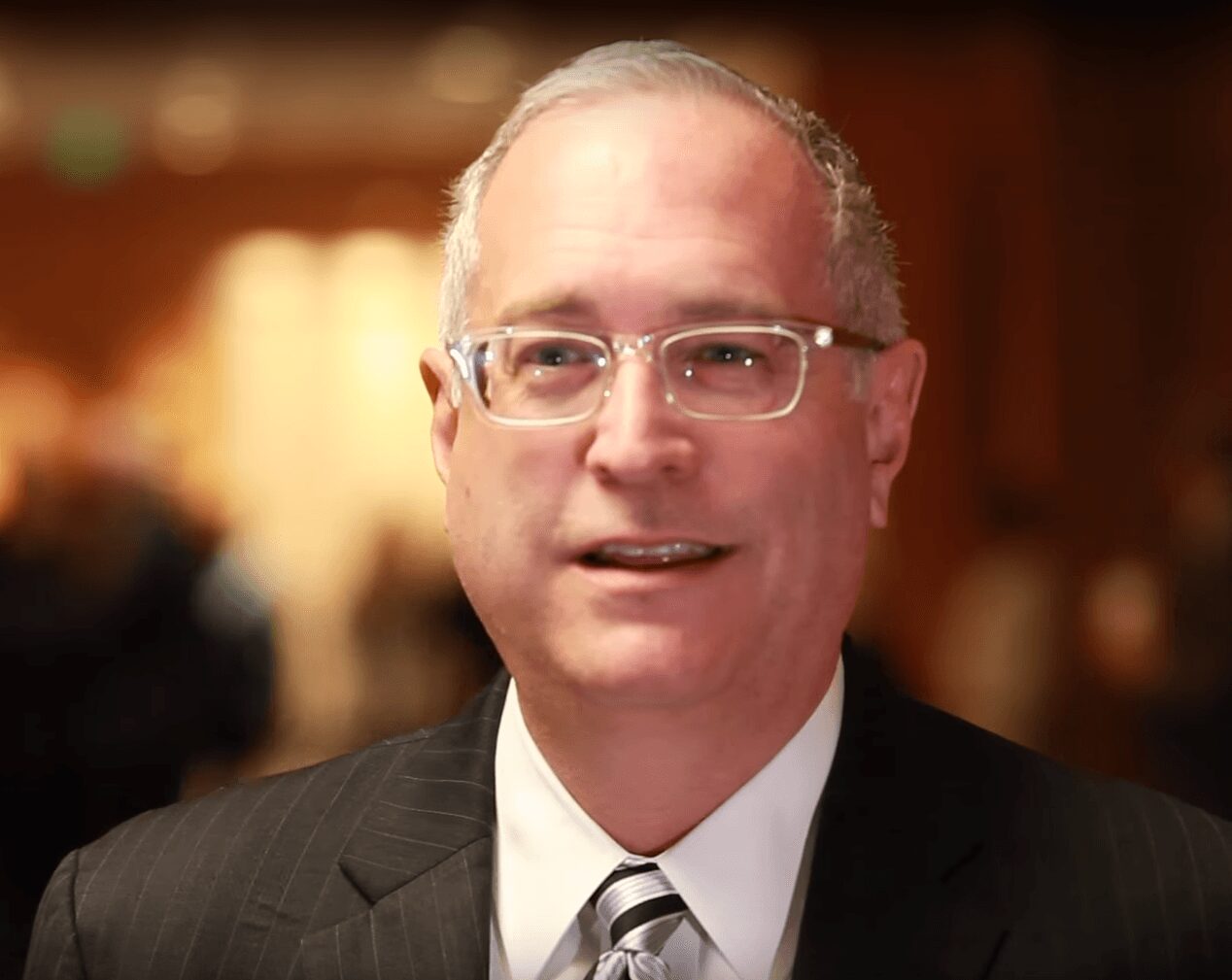
Today we’d like to introduce you to Jim Buffington.
Hi Jim, please kick things off for us with an introduction to yourself and your story.
At the age of 12, my mother was found murdered in the back seat of her car. The devastation to our family was indescribable. A year later, while still working through my grief, my father and two other men were arrested, then convicted, and incarcerated for the conspiracy of my mother’s murder. I suffered yet another betrayal later in life when I discovered that the original murder plan included that me and my two younger brothers were, also, to be murdered.
Through this incredible journey, I have experienced both sides of the criminal justice system – as a child of a victim of crime and also as a child of an offender on death row. I journeyed a long road of pain and betrayal that could have led to a life of bitterness, Instead, I chose another path: one of healing and forgiveness.
In my volunteer work, I have helped many victims of crime, as well as offenders, down that path to healing and forgiveness. Because of my unique experiences, I have an insight into the feelings of the offenders’ families that most of us can’t relate to. I am able to connect with the offenders and help them to understand the effects their choices have had on their families and society.
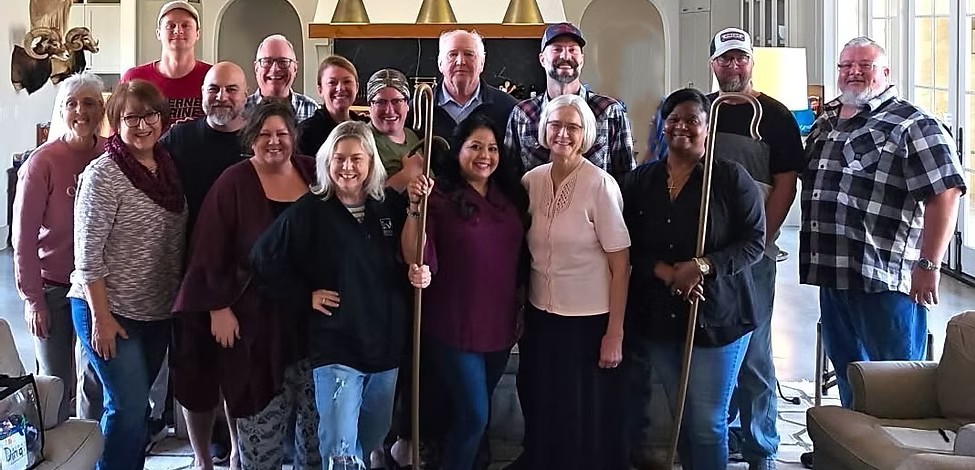
I started volunteering with Bridges To Life, a 14 week Restorative Justice program in prisons, in 2004 and then joined the staff as Chief Operating Officer in 2016.
Alright, so let’s dig a little deeper into the story – has it been an easy path overall and if not, what were the challenges you’ve had to overcome?
When my mother was murdered, I was a homicide victim’s kid. People wanted to help me. But, when my Dad was arrested a year later for the murder for hire, I became an offender’s kid. Everyone treated me differently because of my Dad’s bad choices.
When my Dad was convicted of Capital Murder and Criminal Solicitation, then I was the son of Death Row inmate. I was considered then to be “damaged goods” and “my life would not amount to anything.” There is a stigma of having a Dad on Death Row that I had to overcome.
Thanks for sharing that. So, maybe next you can tell us a bit more about your business?
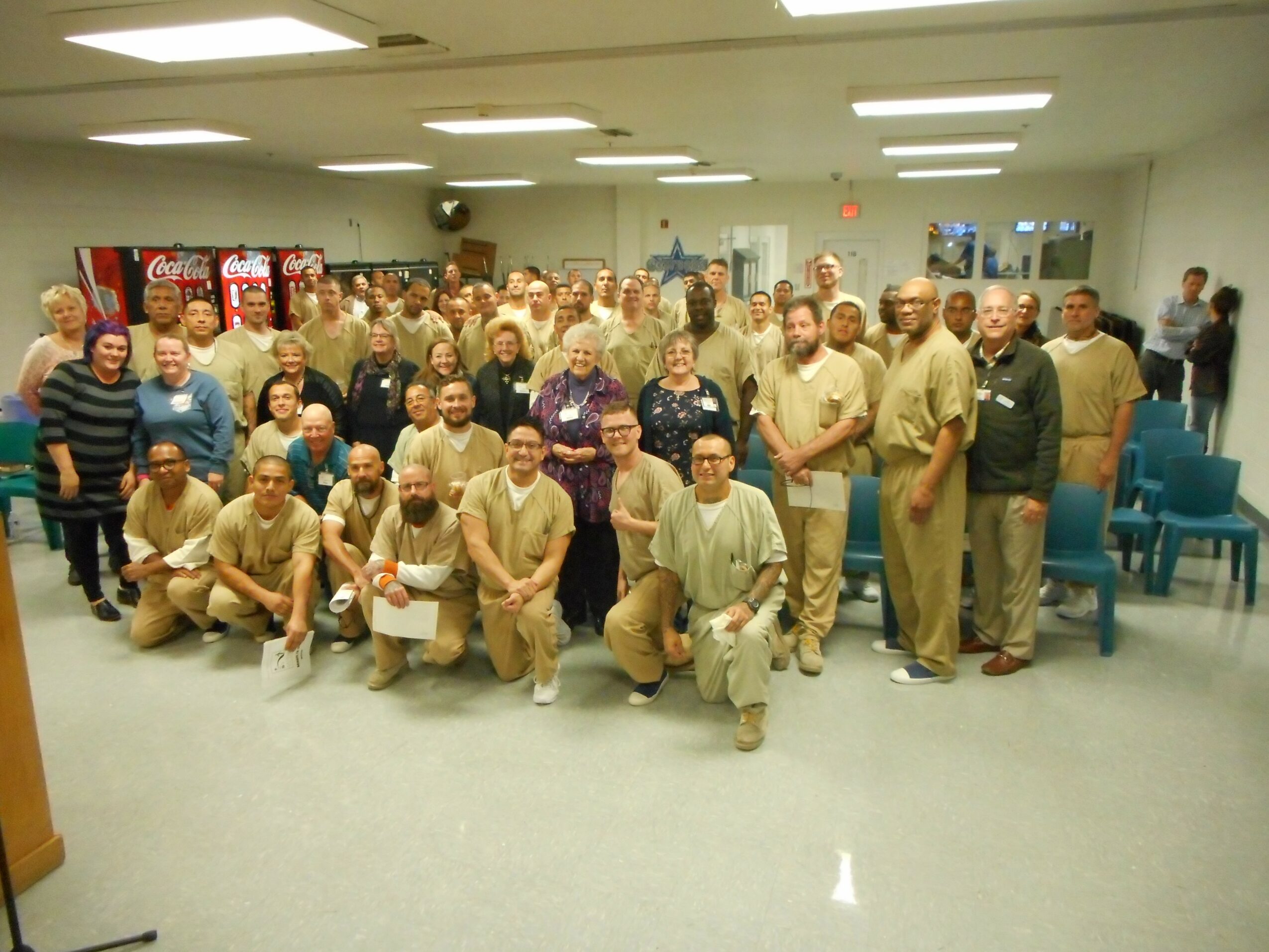
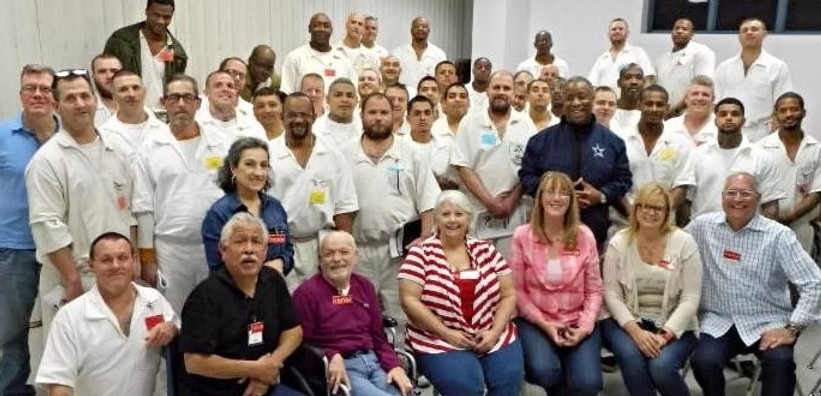
Bridges To Life (BTL) is a Texas-based nonprofit founded in 1998 that provides a high-impact restorative justice, faith-based program, to incarcerated offenders. Along with exploring concepts from confession to restitution in our 14-week curriculum, offenders also hear firsthand from crime victims and face the true impact of crime on others. Through our unique process, offenders experience a change of heart that allows them to make positive changes in their lives. Since inception, over 93,000 men and women have graduated from the BTL program with the help of over 4,200 volunteers in 19 states and 7 countries.
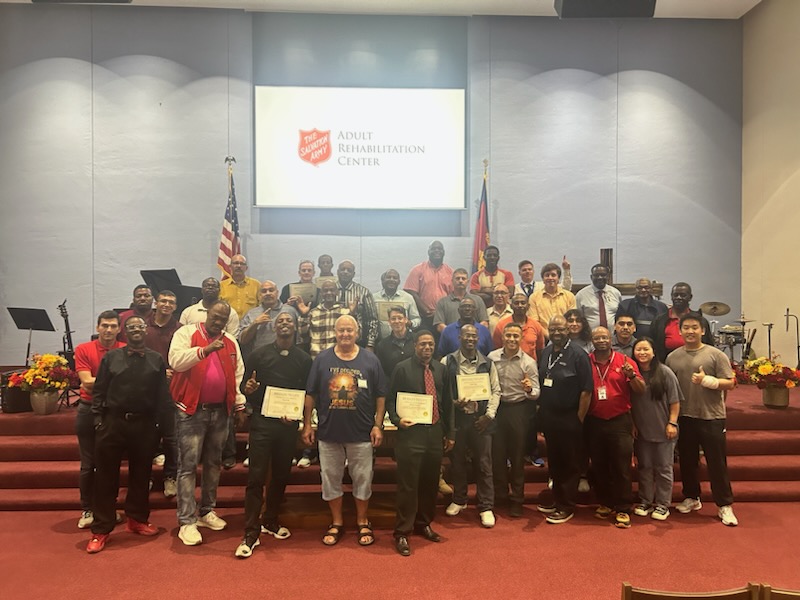
From our work with thousands of offenders, we know that many who are incarcerated also struggle with alcohol and drug addiction. We have received frequent feedback that in addition to helping offender participants deal with their criminal actions, the BTL program also has a substantial impact on helping them understand what role their addictions have played in their behaviors and choices. This feedback has led us to successfully expand the BTL program into all of the Texas Salvation Army Adult Rehabilitation Centers (including Dallas and Fort Worth locations) and the Judge John C. Creuzot Judicial Treatment Center for men and women in South Dallas. Our program is an intervention that seeks to break the cycle of crime and addiction, benefiting not only those we serve in prisons and treatment centers but the loved ones they return to after release. The BTL program contributes to the repair of family relationships, the restoration of lives, improvement in behavioral health, and the stability and safety of communities.
Bridges To Life is a nationally recognized program; the organization and many of its volunteers have received numerous awards, including our Self-Study Program being named “Most Innovative Program of 2020” by the Texas Board of Criminal Justice.
Are there any important lessons you’ve learned that you can share with us?
I have learned that Restorative Justice can heal the harm caused by crime and that people can change.
The BTL program has proven to reduce recidivism, which is the rate at which released offenders return to prison. A 2020 National Police Foundation independent research study compared the recidivism rates of a group of released offenders in DFW who had not taken the BTL program while incarcerated, with a matching group of BTL graduates. The study found that BTL significantly decreased the overall recidivism rate. Most notably, only 1.4% of released BTL graduates were reincarcerated for a violent crime, compared to 3.7% of the non-BTL group. Furthermore, the most recent studies conducted with the assistance of the Texas Department of Criminal Justice reveal that the recidivism rate of BTL graduates is only 11%, compared to 30% nationally. This means 89% of BTL graduates did not return to prison within 3 years after release!
Pricing:
- Millions of dollars in taxpayer savings when offenders do not return to prison. The cost of the BTL program is less than $300 per graduate, in contrast to the $121,600 spent to incarcerate an offender in Texas over the average sentence.
Contact Info:
- Website: https://www.bridgestolife.org
- Facebook: https://www.facebook.com/bridgestolife
- LinkedIn: https://www.linkedin.com/company/bridges-to-life
Popular
-

Seth Whalen on Bringing PTL’s Luxury Event Standard to a Rapidly Growing Dallas Market
-

Kathy Rollwage on Expanding Creative Event Services While Keeping a Personal Touch
-

Deborah Fessenden on Turning Foraged Beauty into Purpose-Driven Jewelry and Advocacy
-

Andrew Finch on Building Elite Athletes Through Fundamentals, Mindset, and Global Experience