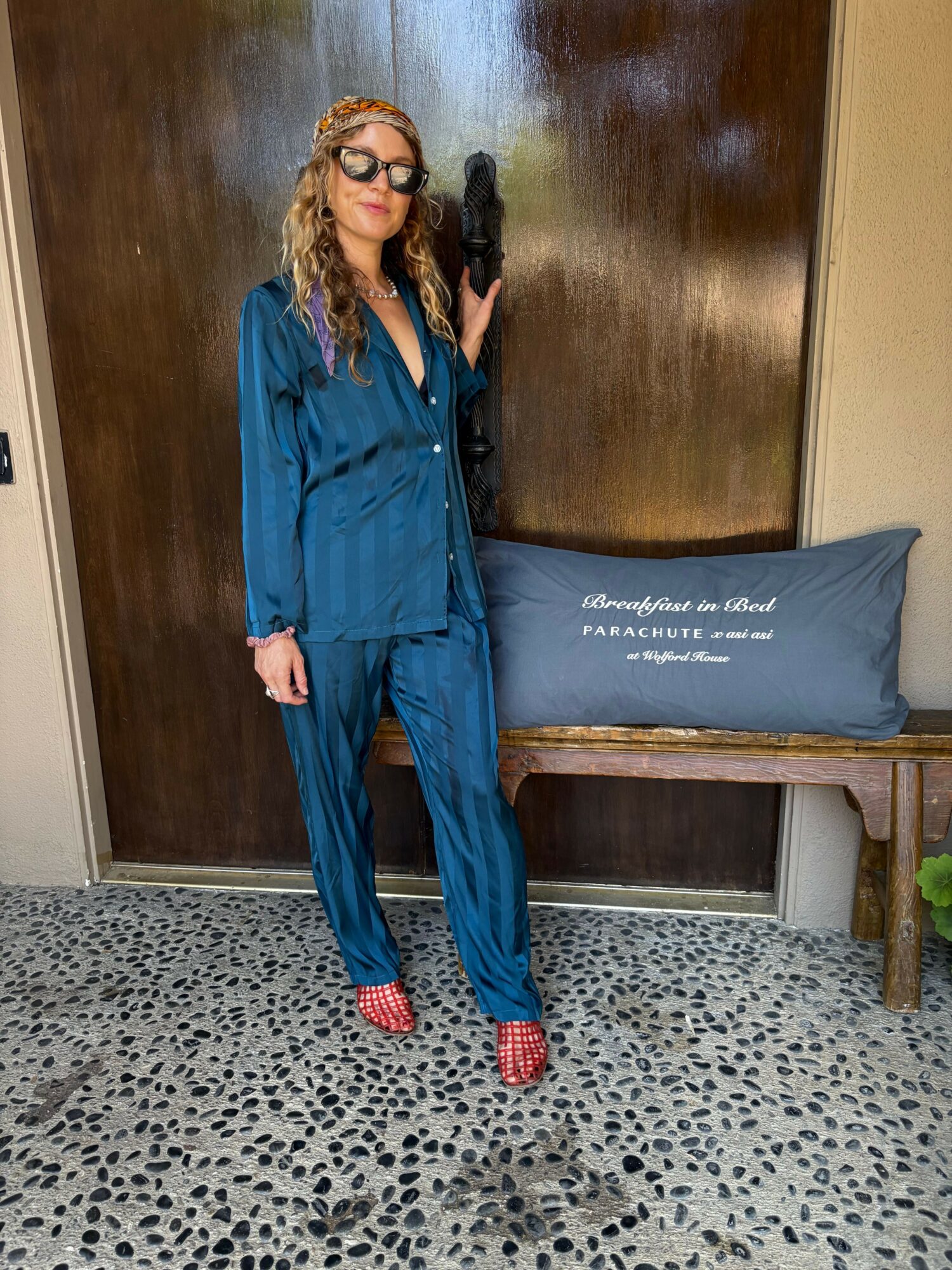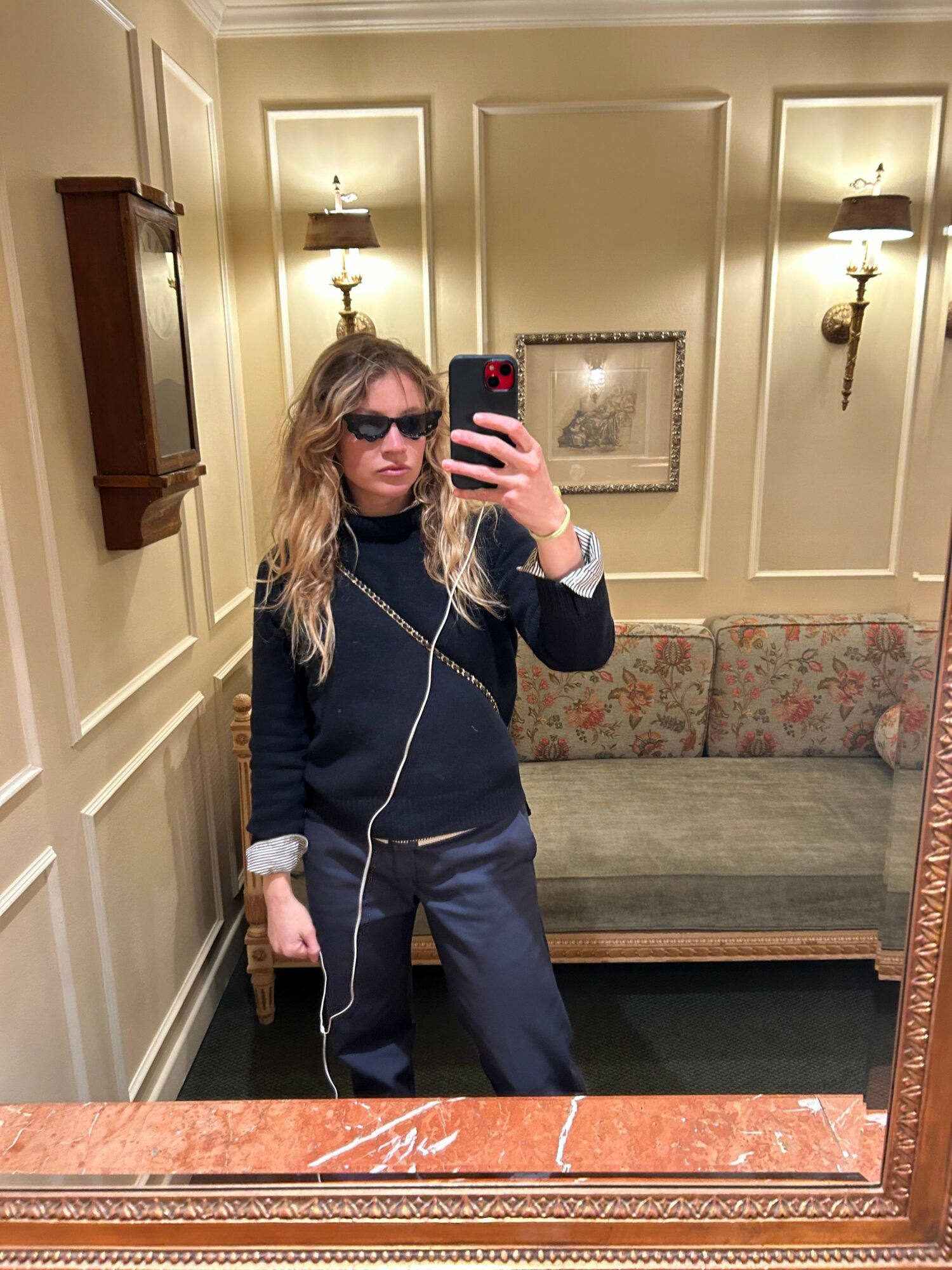






Today we’d like to introduce you to Maritza Lerman Yoes.
Maritza, we appreciate you taking the time to share your story with us today. Where does your story begin?
I started my career inside some of the most iconic brands in the world, Tesla, Apple, Playboy, LACMA, the Hammer Museum, learning creative strategy from the inside out. What I kept noticing was that the most interesting creative solutions didn’t come from having the right answers. They came from asking better questions.
That realization eventually became Future TrashCan. I founded FTC to build the kind of studio I always wished existed, one that sits at the intersection of culture, media, and experience design, and helps brands stop just showing up and start actually meaning something. We create events, campaigns, and moments that don’t just get seen, they get felt.
It’s been a nonlinear path, honestly. But every detour taught me something about what it means to make work that actually lands.
Alright, so let’s dig a little deeper into the story – has it been an easy path overall and if not, what were the challenges you’ve had to overcome?
Definitely not a smooth road. Building an independent creative studio means you’re constantly selling the vision before people can see it, which is its own kind of exhausting. A lot of the early work was convincing people that culture-first strategy was worth investing in, at a time when most brands still wanted to just go viral.
There’s also the challenge of being multidisciplinary in an industry that likes boxes. FTC lives at the intersection of consulting, creative, and experiential, and that can be a hard thing to pitch to someone who needs a simple line item. You learn pretty quickly who gets it and who needs you to shrink yourself to fit their framework.
And honestly, the hardest part has been the business side of running a creative practice. The work itself comes naturally.
We’ve been impressed with Future TrashCan Studios , but for folks who might not be as familiar, what can you share with them about what you do and what sets you apart from others?
FTC specializes in what I’d call cultural strategy: figuring out where a brand’s identity meets the actual moment we’re living in, and then building something there. That might be an experiential event, a media campaign, a creative partnership, or something that doesn’t have a clean category name yet. The work is intentionally hard to box in because culture itself doesn’t fit in a box.
What I’m most proud of is the through line. Whether I was inside Tesla or Apple or producing something independently, the instinct has always been the same: start with curiosity, ask the question nobody else is asking, and build something that earns attention rather than buys it.
What sets FTC apart is that we’re not an agency that executes briefs. We’re more like a creative partner that helps you figure out what the brief should be in the first place. That’s a different relationship, and it tends to attract clients who are ready to do something genuinely interesting rather than just something safe.
Can you share something surprising about yourself?
Most people assume the name is edgy for the sake of it. It’s actually the opposite. “Trash” is what gets discarded, what’s considered disposable, what the culture moves past. We’re interested in what’s next, what’s being thrown out before its time, and what gets rescued and recontextualized into something meaningful. The name is a philosophy as much as a brand.
The other thing that surprises people is how quiet the actual process is. From the outside, FTC looks like big moments and cultural spectacle. Behind the scenes, the work starts with a lot of listening and sitting with discomfort before anything gets made. The flashy output is usually the last 10% of a very slow, very intentional process.
Contact Info:
- Website: https://futuretrashcan.com
- Instagram: https://www.instagram.com/yoesbeforebros/
- LinkedIn: https://www.linkedin.com/in/maritza-lerman-yoes
- Twitter: https://x.com/yoesbeforebros