






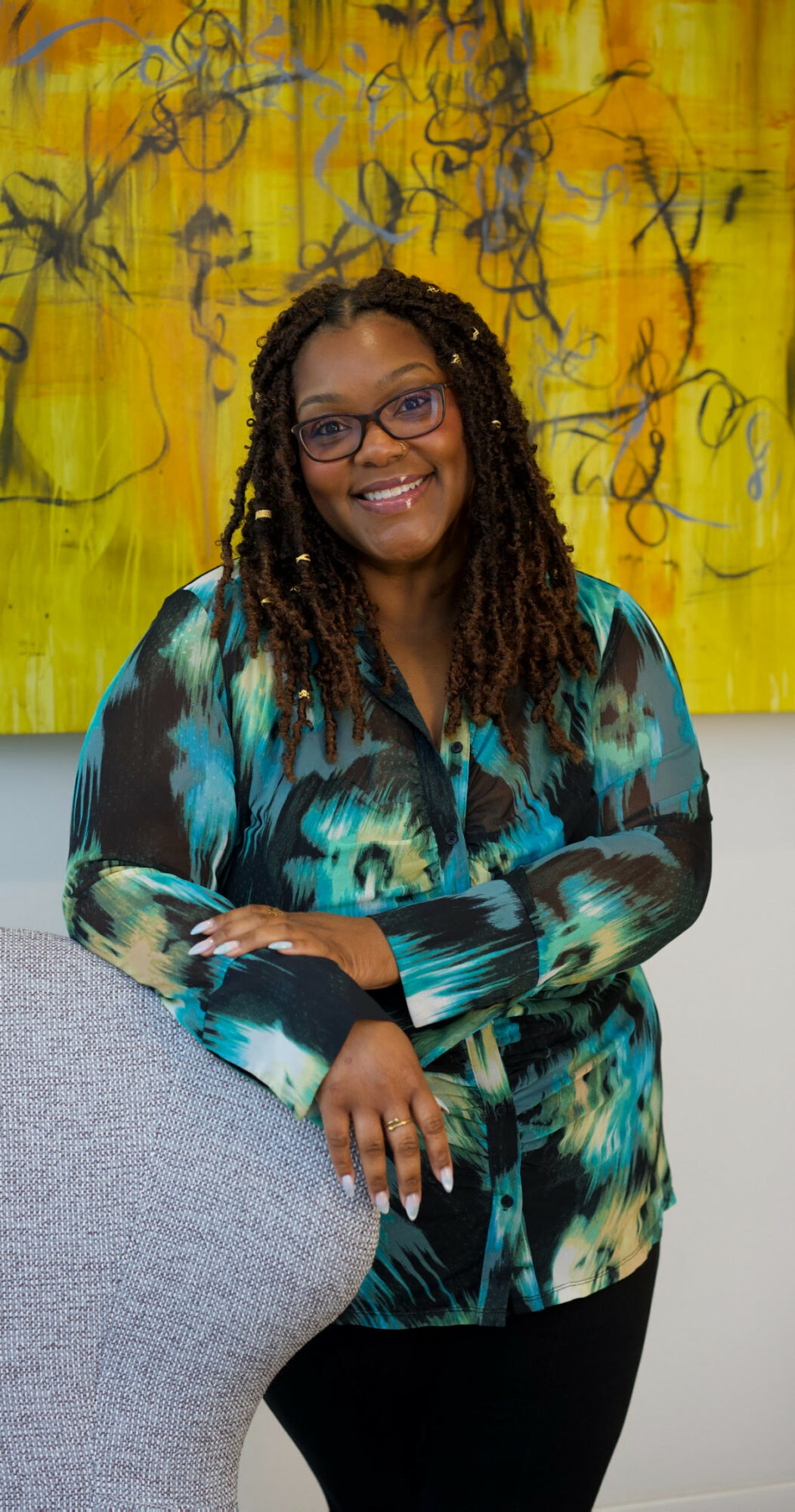
Today we’d like to introduce you to Erin Jenkins.
Hi Erin, so excited to have you on the platform. So before we get into questions about your work-life, maybe you can bring our readers up to speed on your story and how you got to where you are today?
My journey into the mental health field began during high school. I took a psychology course as part of an advanced program, and little did I know, it would shape the course of my life. Growing up in a household where I witnessed domestic violence and experienced emotional abuse, I felt the weight of trauma in ways that shaped my worldview. The psychology course I took during that challenging time sparked an interest in understanding people’s behaviors, and it made me realize that I wanted to be a support system for others who were going through difficult situations, much like I had. I wanted to provide the kind of care and understanding that I never had; a safe space where people could feel heard, seen, and understood.
This passion for helping others led me to pursue higher education. I began with a Bachelor’s in Psychology, followed by a Master’s in Juvenile Forensic Psychology, and ultimately earned my Doctorate in Counseling Psychology in 2017. Being the first in my family to earn a PhD was no small feat, and there were certainly hurdles along the way. However, my determination to reach my goal kept me going. Alongside my academic journey, I’ve focused on my own healing, which has deepened my ability to empathize with and support my clients in a meaningful way. Today, I specialize in trauma recovery, focusing on interpersonal violence. I work as a therapist in a private practice, helping individuals (especially college students and young professionals) find healing, self-awareness, and personal growth.
Can you talk to us a bit about the challenges and lessons you’ve learned along the way. Looking back would you say it’s been easy or smooth in retrospect?
It hasn’t been a smooth road at all. One of the biggest challenges I faced was the loss of my entire dissertation due to a computer malfunction. At the time, it felt like all of my hard work had been erased, and I was devastated. But that experience taught me a lot about resilience and determination. I ended up rewriting the entire dissertation from scratch, and it ultimately became one of my proudest accomplishments. Another significant challenge I faced was navigating my own mental health. Healing from the trauma I experienced growing up was a long and difficult journey, and there were many times when I doubted whether I could continue. But I came to realize that these struggles shaped who I am today and made me a better therapist. My personal experiences allow me to truly empathize with my clients and walk with them through their own healing process.
Alright, so let’s switch gears a bit and talk business. What should we know?
I am a trauma specialist, and I focus on helping individuals recover from interpersonal violence. My practice is built on providing a safe, non-judgmental environment where clients can work through emotional, mental, and behavioral challenges. I offer a holistic approach, recognizing that healing involves the mind, body, and behavior. I specialize in trauma recovery, particularly for individuals affected by domestic violence, anxiety, depression, and life transitions.
A significant portion of my work involves supporting college students and young professionals, who often face unique pressures. What sets me apart is my personal experience with trauma and healing. I know firsthand what it’s like to feel stuck, overwhelmed, or misunderstood. My goal is to provide therapy that isn’t just about symptom management but also about fostering self-awareness, empowerment, and long-term change. I’m proud of the trust my clients place in me, and the transformations I witness as they gain clarity, peace, and confidence in themselves. I’m also passionate about offering culturally sensitive therapy and always strive to understand the diverse backgrounds and experiences my clients bring to the table. Ultimately, my practice is about helping people move from simply surviving to thriving; showing them that healing is possible and within reach.
What quality or characteristic do you feel is most important to your success?
Resilience is the characteristic that has been most important to my success. It’s not just about bouncing back from setbacks, but also about learning, growing, and staying grounded in the face of adversity. Throughout my academic journey, the loss of my dissertation, and my personal healing process, resilience has allowed me to stay committed to my goals and keep moving forward, even when things felt impossible. I bring this mindset into my work with clients as well. I help them understand that struggles are not failures, they’re part of the healing journey. Resilience, combined with empathy, passion for the work, and a deep commitment to supporting others, is the foundation of my success.
Contact Info:
- Website: https://www.psychologytoday.com/us/therapists/erin-jenkins-dallas-tx/418197
- Other: [email protected]




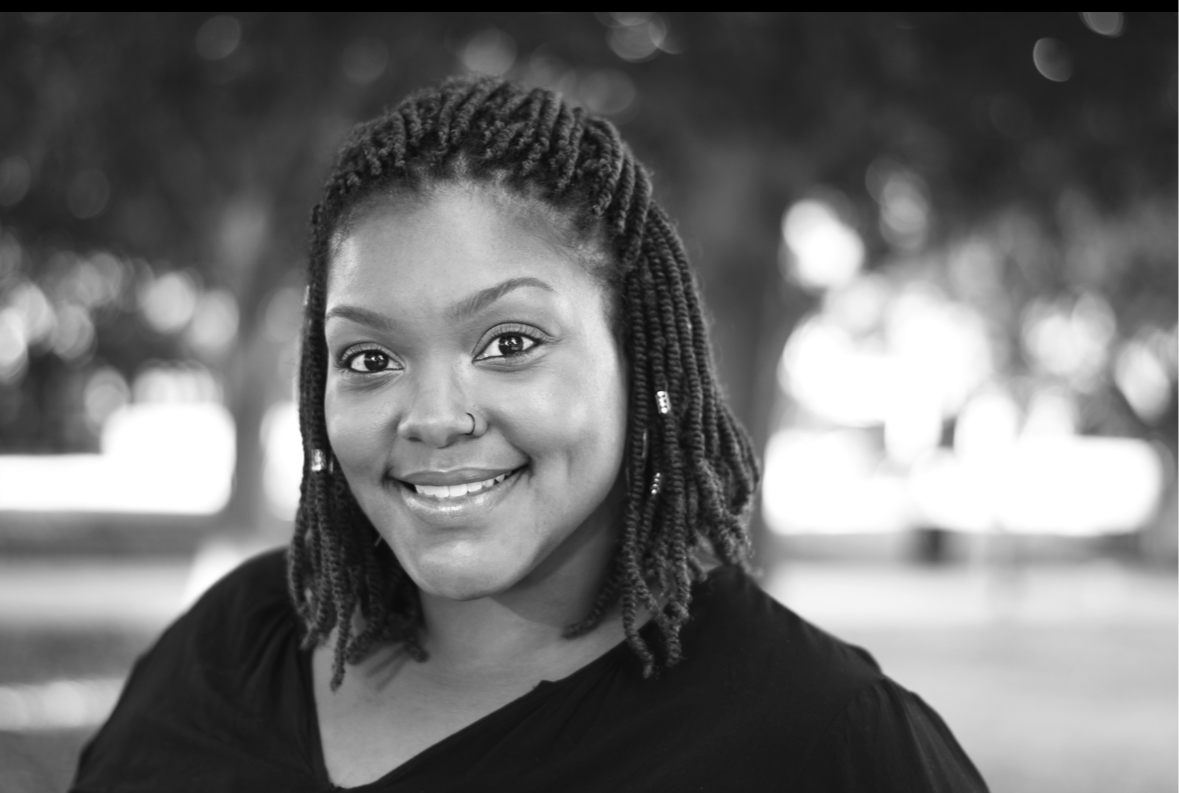
Image Credits
Emily Haring
Leanne Schulz