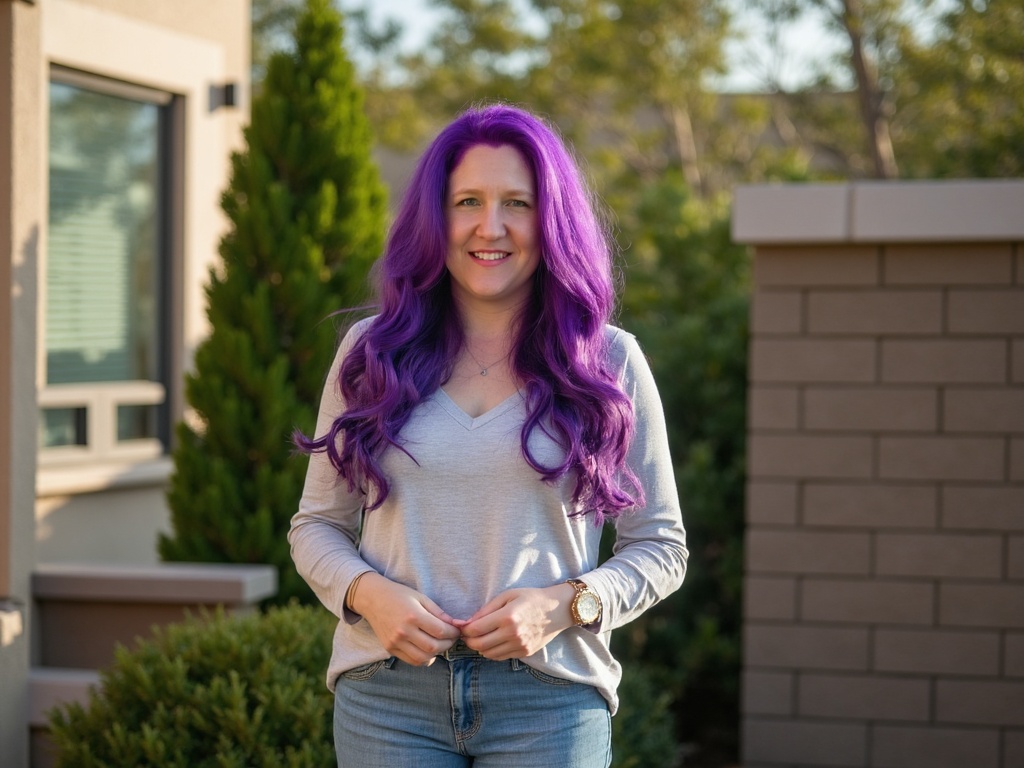






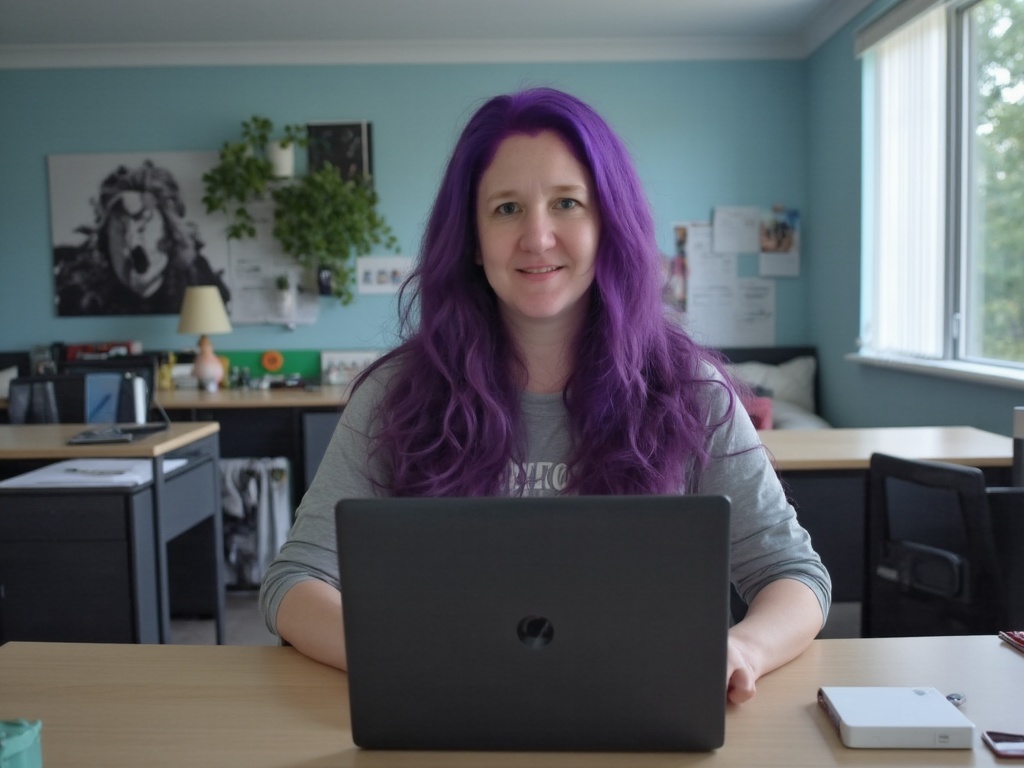
Today we’d like to introduce you to Jennifer Hanes.
Hi Jennifer, we’re thrilled to have a chance to learn your story today. So, before we get into specifics, maybe you can briefly walk us through how you got to where you are today?
I didn’t set out thinking I’d one day specialize in the intersection of food and mental health. In fact, for much of my life, I thought I was going to be a veterinarian!
My nutrition career started in mental health with a bit of a bang. Positions for new grads can be quite competitive in the area, and I had difficulty finding a position. I applied to a part-time position at a psychiatric facility on a whim and was given an opportunity.
There, I was working with a patient population I’d had no experience with during my internship, but quickly came to love. I was leading an outpatient nutrition group, and at the end of each session, I’d ask what they wanted to cover next.
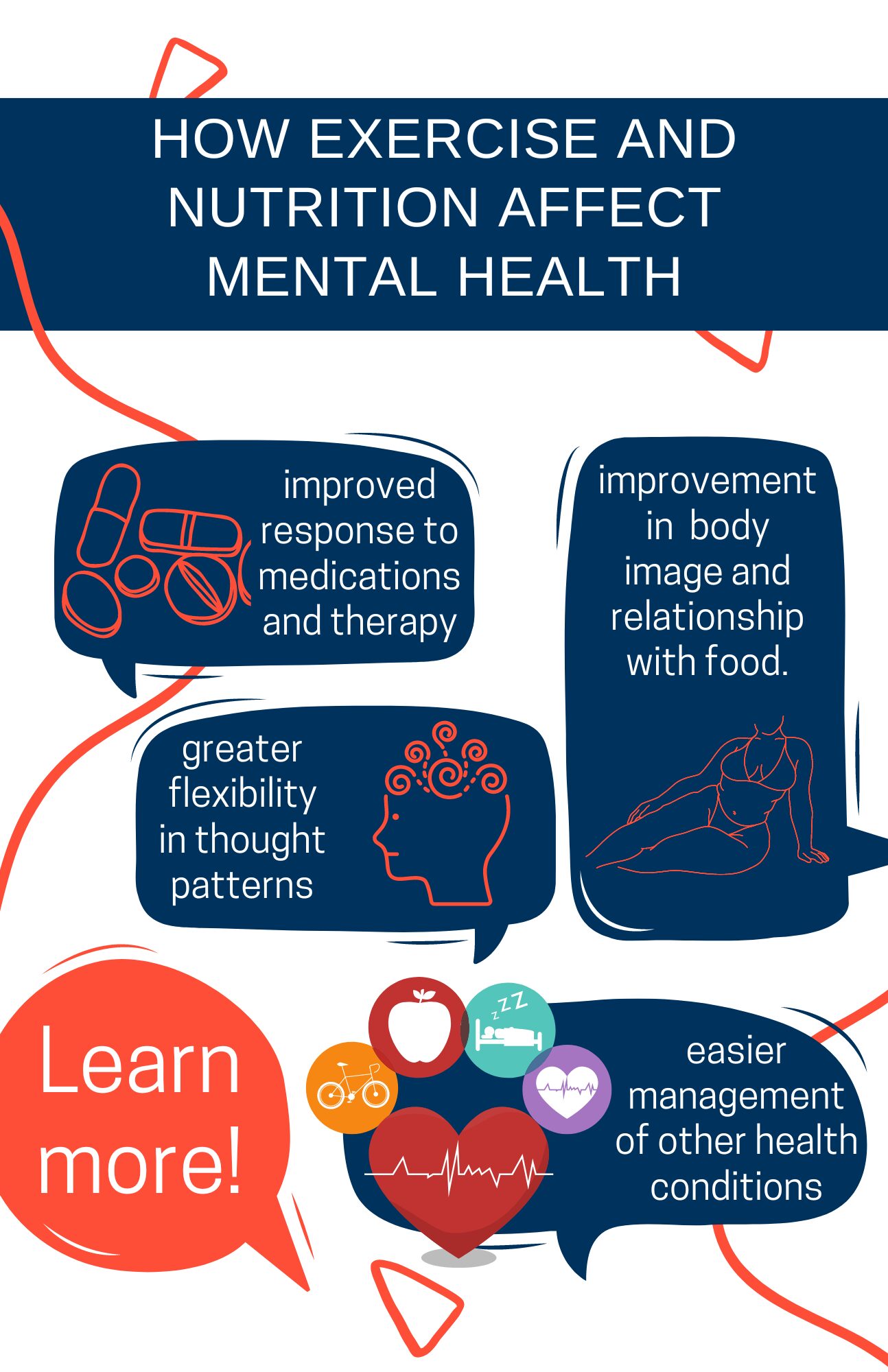
One day, someone requested a discussion on the connection between nutrition and mental health. That question sent me down a weeklong rabbit hole of reading everything I could, because we simply hadn’t learned about psychiatric conditions in school.
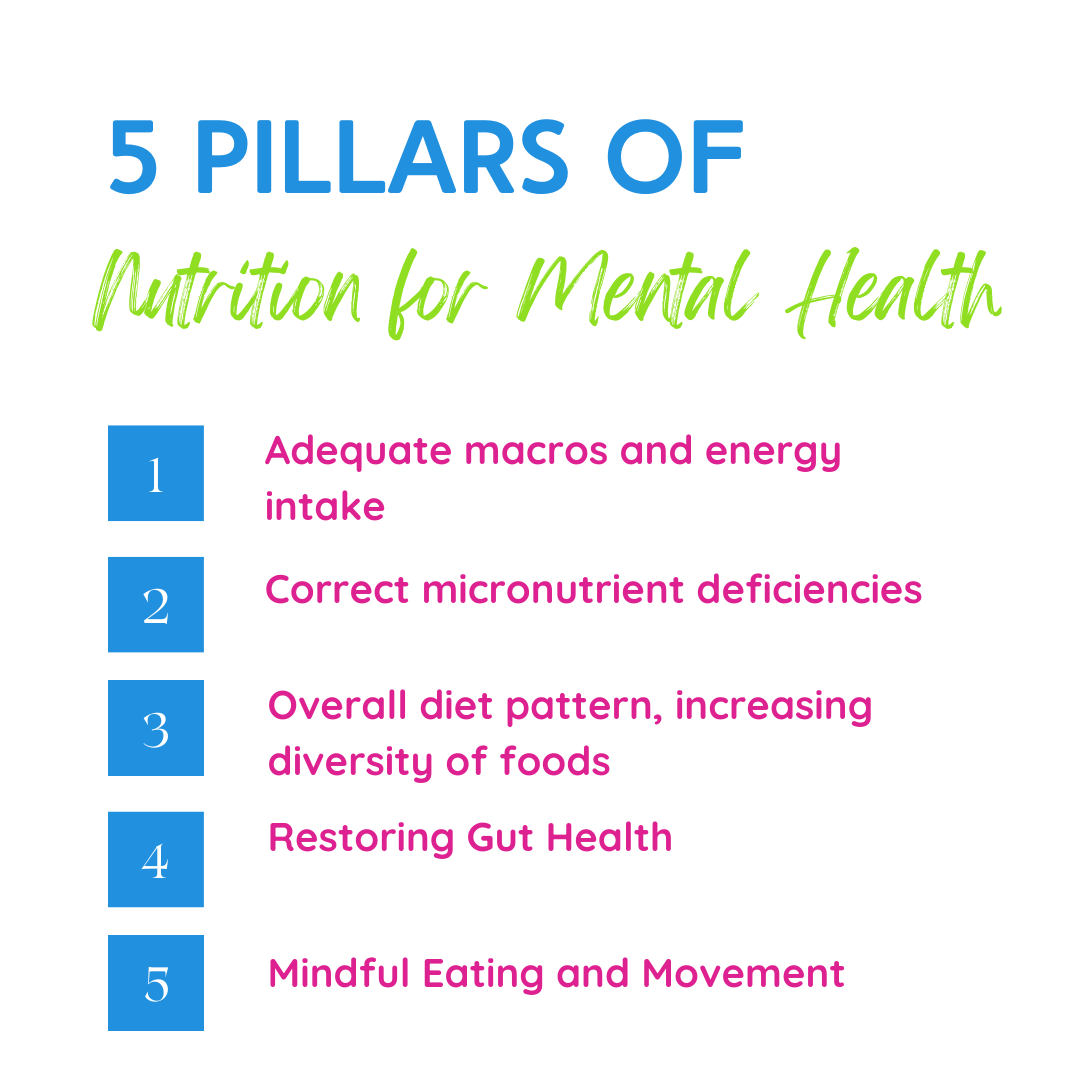
That curiosity never left. The more I explored the research on nutrition and mental health, the more fascinated I became by the connections between what we eat and how we feel. At the same time, I kept hearing from people who were struggling to get clear, compassionate guidance in this area. That combination, my clinical background, my growing passion for mental health, and the gaps I saw in care, eventually led me to create my private practice with a mental health focus.
Today, I get to help people in Texas through one-on-one nutrition counseling and collaborate with other dietitians and mental health professionals who want to bring nutrition into their practices. It feels like the best of both worlds: supporting individuals directly while also helping to grow the field of nutritional psychology in a way that makes mental health care more holistic and accessible.
Can you talk to us a bit about the challenges and lessons you’ve learned along the way. Looking back would you say it’s been easy or smooth in retrospect?
It definitely hasn’t been a smooth road. Like many dietitians, I graduated with a solid foundation in clinical nutrition but very little training on the mental health side of things. So when I first started in that psychiatric facility, I had a steep learning curve.
I spent countless hours reading, piecing together research, and figuring out how to apply it in real-world care.
Starting a private practice came with its own set of challenges, too. There’s the practical side of running a business, such as insurance, scheduling, and marketing. My dietetics program had an “entrepreneurial emphasis,” which provided some background, but weaving that together with the clinical side of nutrition was still a big task.
And then there’s the emotional side: building the confidence to carve out a niche in a space where there’s still skepticism and a lot of unanswered questions.
Looking back, I think those challenges have shaped me in the best way. They’ve kept me curious, flexible, and motivated to keep learning. And they’ve also helped me connect with clients and colleagues who value honesty and compassion over perfection, which is really the heart of my work.
Thanks – so what else should our readers know about Go You! Nutrition Counseling?
Go You! Nutrition Counseling is my private practice where I specialize in the intersection of nutrition and mental health.
Most of my clients come to me looking for support with depression and anxiety, often alongside other health concerns such as digestive issues, diabetes, or high cholesterol. What makes my practice stand out is that these services are provided online and are typically covered by insurance, including Blue Cross Blue Shield, UnitedHealthcare, Aetna, and others, so people can access care without the added financial stress.
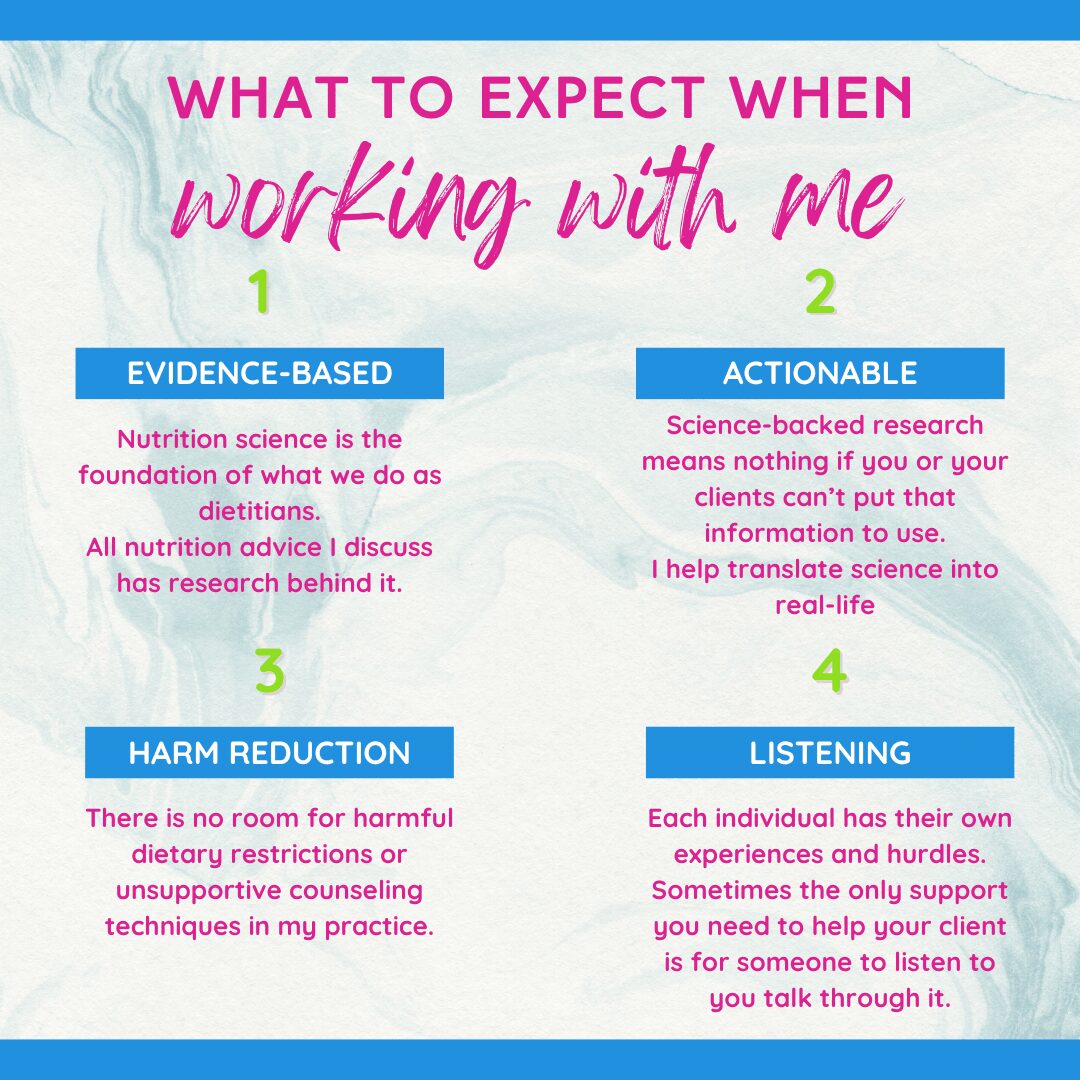
I provide one-on-one counseling that goes beyond looking at food as just fuel or numbers on a lab report. My approach is collaborative and practical. We look at the whole picture of someone’s life, from stress and sleep to daily routines, and figure out how nutrition can realistically support their energy, mood, and overall well-being.
For many people, it’s the first time someone has connected the dots between what they eat and how they feel in a way that feels compassionate and doable.
Alongside my practice, I also support dietitians, therapists, and other healthcare providers through Mood Matters Dietetics, where I provide education and resources to help bring nutrition into mental health care. That’s more of a behind-the-scenes project, but I’m proud of it because it means the ripple effect extends well beyond my own clients.
At the heart of everything I do is the same goal: making mental health care more holistic, accessible, and grounded in real science.
Are there any apps, books, podcasts, blogs or other resources you think our readers should check out?
This is such a big question, so I like to think about it in categories.
For clients, I often recommend resources that help connect food, body, and mental health in approachable ways.
A few of my favorite books are The Mindful Eating Workbook by Vincci Tsui, The Psychobiotic Revolution by Scott C. Anderson, Brain Changer by Felice Jacka, and Eat to Beat Depression and Anxiety by Drew Ramsey.
On the podcast side, I love Find Your Food Voice with Julie Duffy Dillon, In Moderation with Liam Fisher-Layton and Rob Lapham, Eat My Globe with Simon Majumdar (not nutrition-specific but a wonderful celebration of food), Let’s Talk About Mental Health with Jeremy Godwin, Maintenance Phase with Aubrey Gordon and Michael Hobbes, The Body Grievers Club with Bri Campos, and RDs vs. BS with Marie Pesacreta and Emily Zorn.
For business and entrepreneurship, I’ve drawn a lot of inspiration and practical strategies from books like Profit First by Mike Michalowicz, Pursuing Private Practice by Jennifer McGurk, the You Are a Badass series by Jen Sincero, The Four-Hour Workweek by Tim Ferriss, and The One Hour Content Plan by Meera Kothand, which has been especially helpful in focusing my ADHD brain when it comes to creating content.
Podcasts that fuel the business side of things include Weight Inclusive Innovators, Smart Passive Income with Pat Flynn, The Nutrition and Ambition Podcast with Joannah Konecny, The Goal Digger Podcast with Jenna Kutcher, The Amy Porterfield Show, Simple Pin Podcast with Kate Ahl, and Social Media Marketing with Michael Stelzner.
On top of that, Erica Julson’s work through The Unconventional RD has been invaluable, and tools like Asana keep me organized day to day.
For healthcare providers, I often recommend resources that bridge the gap between nutrition and mental health.
Some key books include Nutrition Essentials for Mental Health by Leslie Korn, The Psychobiotic Revolution by Scott C. Anderson, Life Without Ed by Jenn Schaefer, and Motivational Interviewing in Nutrition and Fitness by Dawn Clifford and Laura Curtis. I have a much longer list that I’ve slowly been putting together on Mood Matters Dietetics for those who want to go deeper.
Podcast-wise, The Body Grievers Club and Gut Health Gurus are fantastic, but honestly, many of the client- and business-oriented podcasts can be equally valuable for professionals. Beyond that, resources like the Center for Nutritional Psychology, Mental Health First Aid training, Practice Better (my EHR of choice), and the Food and Mood Centre at Deakin University are ones I come back to often.
Pricing:
- Pricing for 1-on-1 counseling depends on your insurance plan. Most of my clients don’t pay anything out of pocket for my services.
- For other services, such as speaking and consulting, price varies based on complexity and time spent.
Contact Info:
- Website: https://GoYouNutrition.com
- LinkedIn: https://www.linkedin.com/in/jennifer-hanes-rd/
- Youtube: https://www.youtube.com/@MoodMattersDietetics
- Other: https://MoodMattersDietetics.com