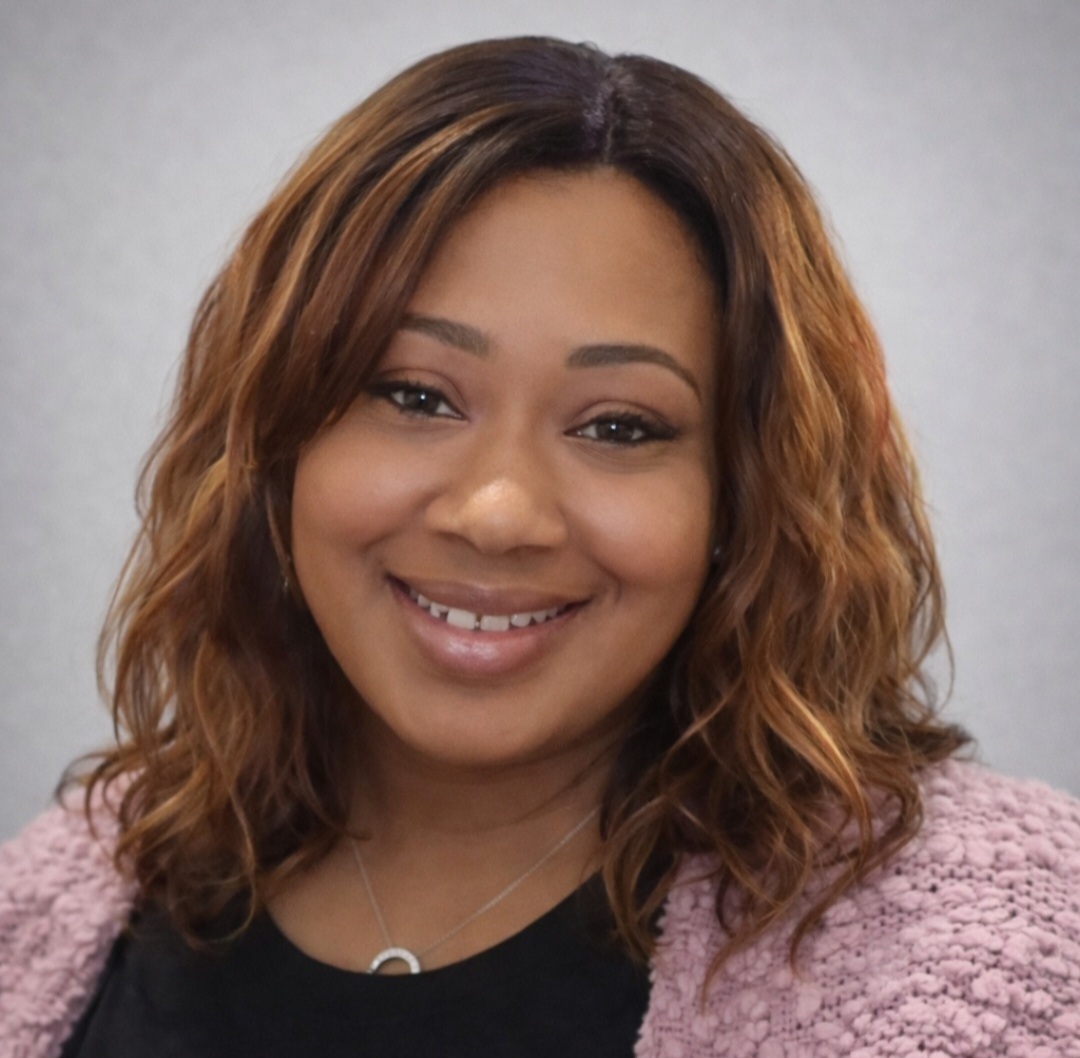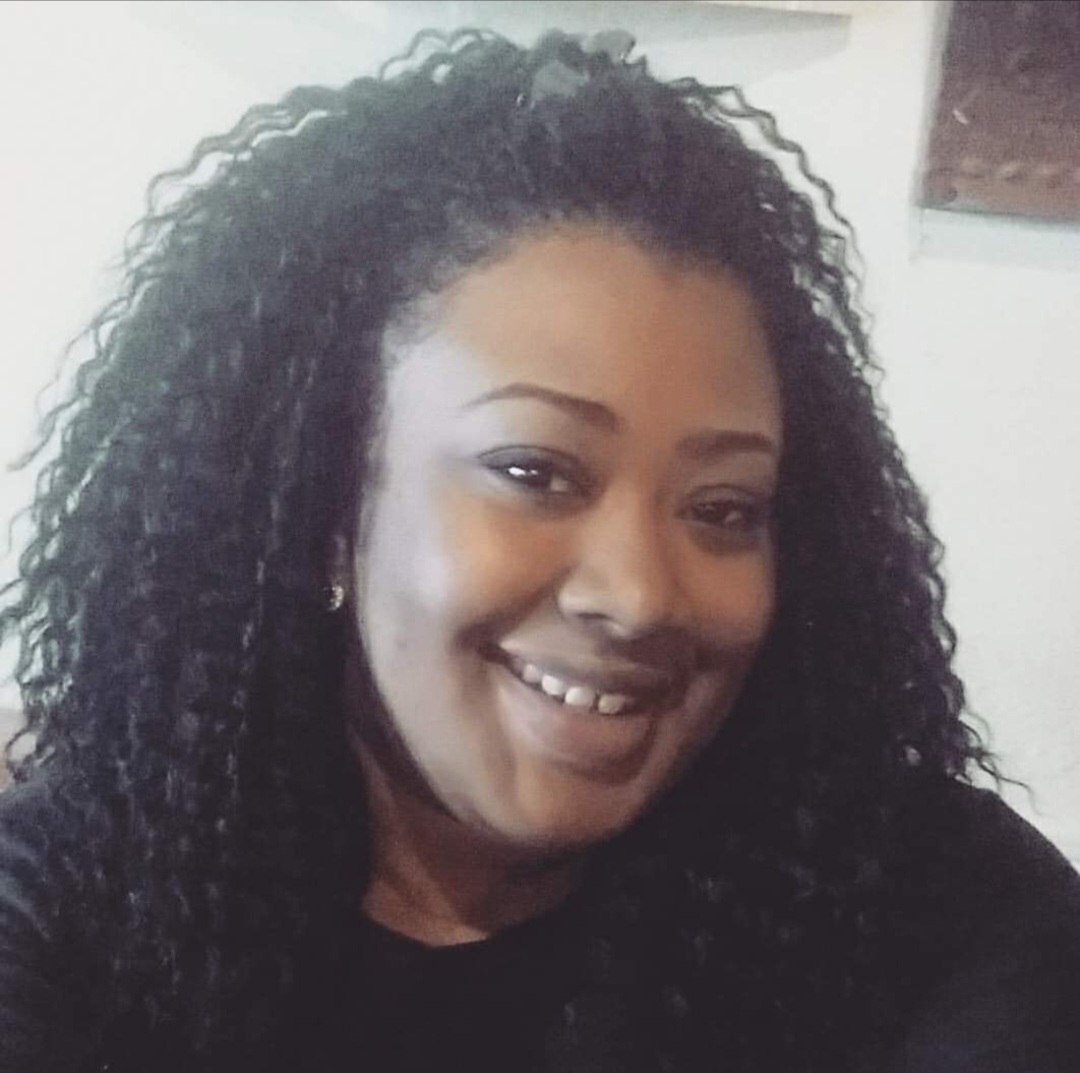






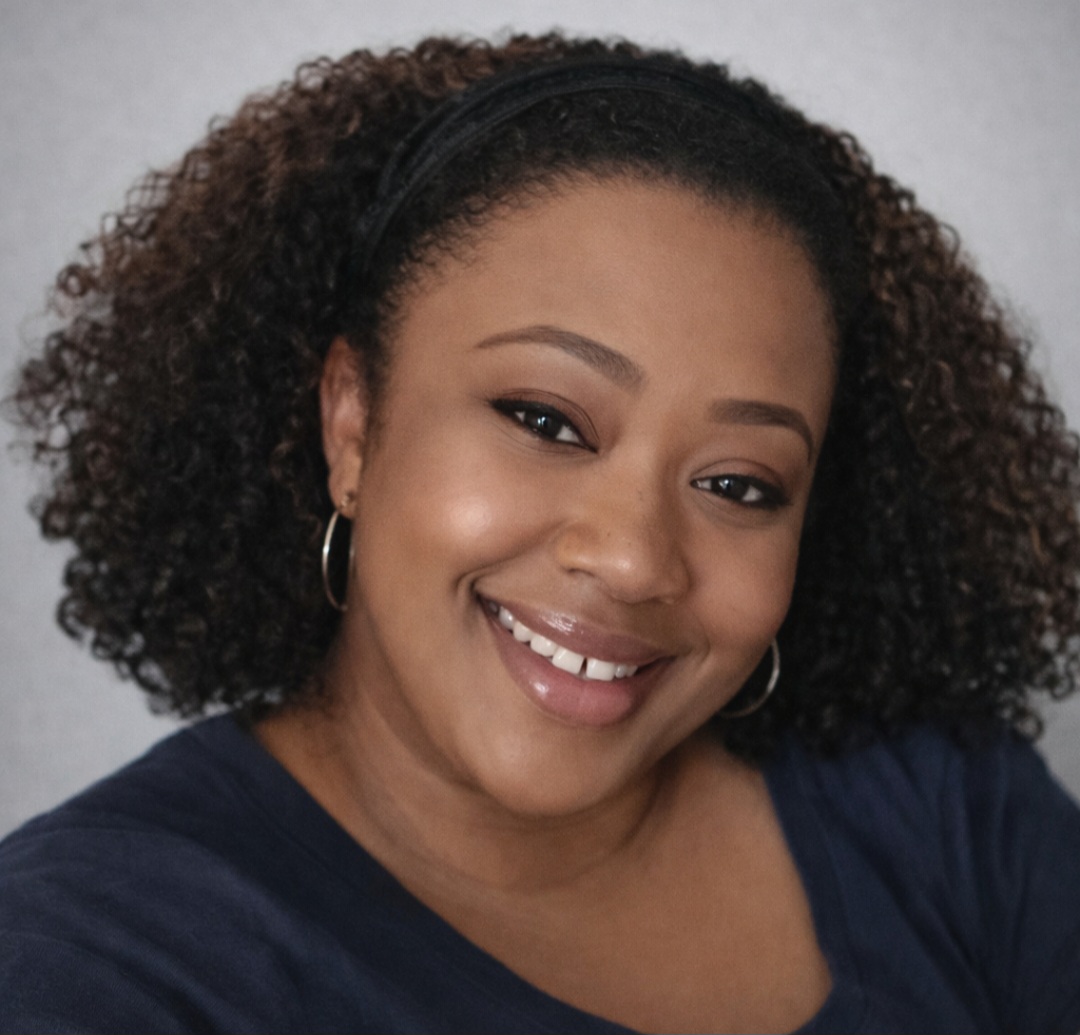
Today we’d like to introduce you to LaKetra Young Ariyo.
LaKetra, we appreciate you taking the time to share your story with us today. Where does your story begin?
My path really started in inpatient psych, which gave me a front-row seat to people at their most acute and taught me a lot about stabilization and what happens after crisis. From there I moved into managed care, which gave me the systems side: how treatment actually gets authorized, denied, navigated. It was valuable, but I missed the direct clinical relationship.
Around that time I got involved at my church and signed up for pretty much every ministry except counseling: parking lot, greeter, you name it. Never heard back from any of them. The moment I put my name down for the counseling ministry, I got a call the very next day. I think that was as direct as a message can be, about where I was actually supposed to be.
Through that ministry, I started doing informal counseling with congregants, and client after client would ask the same question: ‘Can I keep working with you after this ends?’ That question, over and over, is really what pushed me to open my private practice, Lotus Blossom Counseling.
I’ve kept my full-time role in managed care alongside the practice, and that’s intentional. It’s my financial scaffolding. It means I’m not building my practice around what insurance will reimburse or what clients can afford out of pocket. It lets me offer trauma-informed, culturally grounded care in a way that’s actually accessible, especially for marginalized communities who are so often priced out of the therapy they need most.
Can you talk to us a bit about the challenges and lessons you’ve learned along the way. Looking back would you say it’s been easy or smooth in retrospect?
Honestly, no, it hasn’t been a straight line. One of the biggest challenges was time. Building a practice while working full-time means there’s no such thing as a slow ramp-up. I was doing intake paperwork, marketing, and continuing education at night and on weekends, on top of an already demanding day job. There were definitely seasons where I had to get honest with myself about burnout and pull back before I hit a wall.
The licensing piece was another layer. I’m licensed in both Texas and Missouri, and each state has its own requirements, its own compliance language, its own timelines. Keeping that all straight while also trying to build clinical infrastructure, with everything that has to be right before you ever see a client, took a lot longer than I expected.
And then there’s the harder thing to name, which is that building a practice rooted in culturally responsive, decolonized care isn’t always the path of least resistance. A lot of training and infrastructure in this field is built around a fairly narrow model of what therapy looks like. Carving out space for approaches that honor ancestral practices, somatic work, frameworks that speak to BIPOC clients specifically, meant I was often building the road as I walked it, rather than following an existing map.
But every one of those struggles ended up shaping the practice into something more intentional. I don’t think I’d trade the harder path for an easier one that got me somewhere less mine.
We’ve been impressed with Lotus Blossom Counseling, PLLC, but for folks who might not be as familiar, what can you share with them about what you do and what sets you apart from others?
Lotus Blossom Counseling, PLLC is a telehealth private practice licensed in both Texas and Missouri. At its core, my work is trauma-informed and nervous-system focused. I integrate Neuropsychotherapy, IFS-informed EMDR, Polyvagal Theory, and DBT, all working from the understanding that healing isn’t just cognitive, it’s held in the body and the nervous system.
What I’m most known for is bringing a decolonized lens to treatment. That means honoring ancestral and cultural practices, including the influences of southern American and West African cultures, alongside clinical, evidence-based modalities. For a long time, therapy has been built around a fairly narrow, Western framework. I wanted to build something that makes room for the full person, including the cultural and spiritual roots that shape how people understand healing in the first place.
One thing I’m especially proud of is a grounding framework I developed myself, called “Reclaiming Calm”. It’s sequenced intentionally, so it works with the nervous system rather than against it. It’s become a foundational tool across my client work, my coaching program, and the continuing education I teach to other clinicians.
What sets Lotus Blossom apart, I think, is accessibility without compromising depth. I intentionally keep a full-time role outside the practice so I’m not building my services around what the numbers dictate. That lets me offer sliding scale options and keep trauma-informed, culturally responsive care within reach for marginalized communities who are so often priced out of exactly the kind of care they need most.
I want readers to know that Lotus Blossom isn’t just a therapy practice, it’s a philosophy. Mind, body, soul isn’t a tagline for me, it’s the actual clinical model. Whether someone is coming to me for individual therapy or a clinician is coming to me for supervision, case consultations, or continuing education, the throughline is the same: healing that’s rooted, accessible, and honest about where it comes from.
We’d love to hear about any fond memories you have from when you were growing up?
My favorite childhood memory is being in my maternal grandmother’s kitchen. There was something about that space that felt completely safe and grounding, in a way I don’t think I had language for at the time, but I understand clinically now. Looking back, it was co-regulation in its purest form. Her presence, the smells, sounds of cooking, the rhythm of her moving around that kitchen, all of it settled my nervous system before I ever knew what a nervous system was. The epitome of co-regulation with a secure attachment figure.
It’s part of why sensory grounding is so central to my work now. The framework I use with clients, Reclaiming Calm, isn’t just a clinical tool I picked out of a textbook. It’s rooted in that memory. That kitchen taught me, long before graduate school did, that healing and safety can live in the smallest, most ordinary moments. The smell of food cooking, the sound of her voice instructing me through her recipes, the taste after she would hand me the beaters from the mixer when she was making her famous cakes, the various textures and visuals of the colors of all her culinary tools. I try to bring that same quality into my practice, creating spaces where people’s nervous systems can finally exhale and Reclaim Calm.
Pricing:
- Individual therapy sessions range from $85.00-$100 for 45/60 minute sessions
- EMDR 90 Minute sessions are $150
- Sliding scales rates are available ranging from $55+, based on income.
Contact Info:
- Website: https://www.lotusblossomcounselingpllc.com
- Instagram: https://www.instagram.com/lotusblossompllc?igsh=dTJtZmp3bHozdDNk