






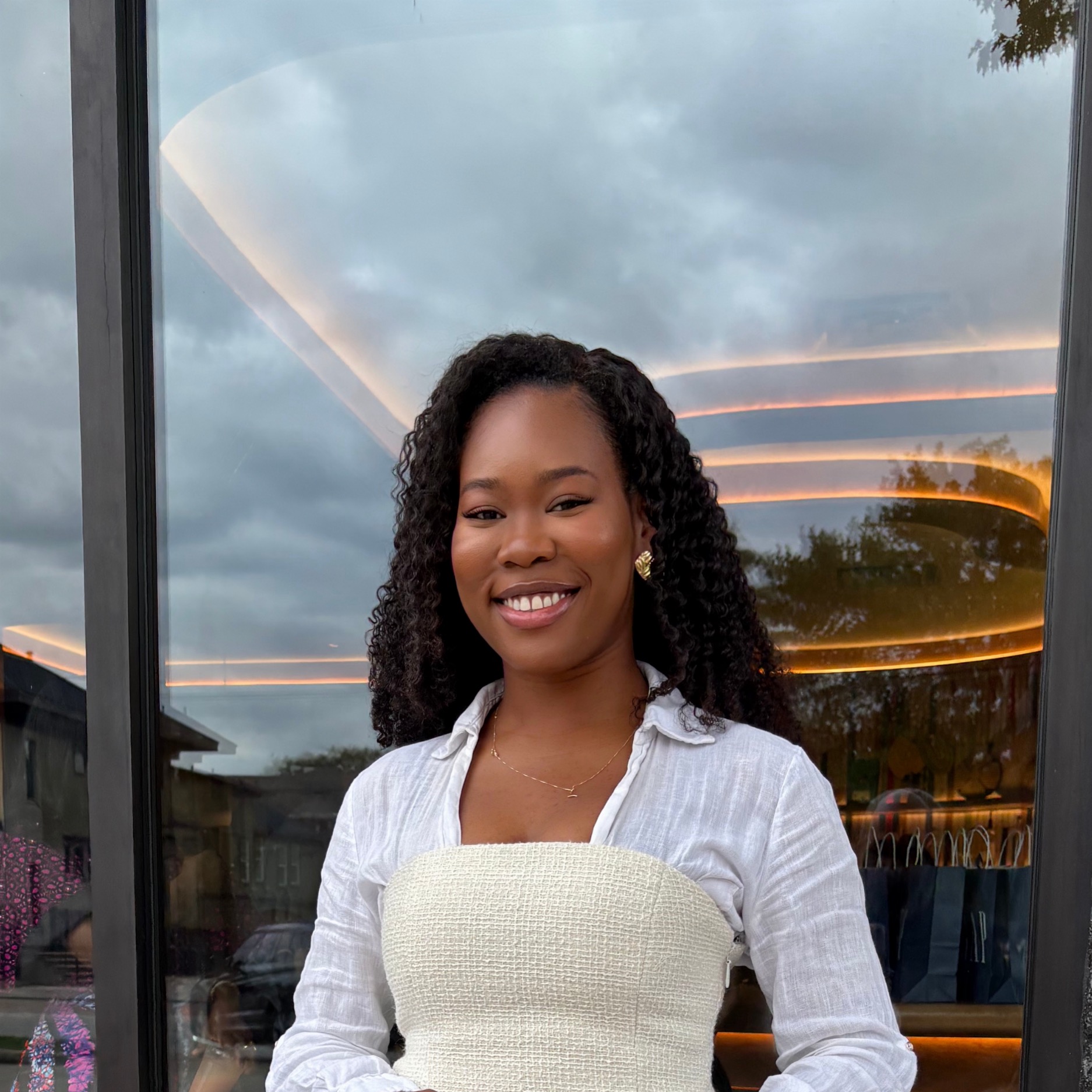
Today we’d like to introduce you to Yan Lawrence.
Hi Yan, so excited to have you with us today. What can you tell us about your story?
I didn’t start out in tech in the traditional way. My background is in Applied Mathematics, and during college, a conversation with a classmate sparked my curiosity about data science and where the field was headed. At the time, my program didn’t heavily incorporate programming, so I decided to take an introductory computer science course—and from there, I began teaching myself how to code.
I was very intentional about creating opportunities for myself. I spent a lot of time learning independently, networking, and putting myself in rooms where I could grow. That approach led to my first opportunity as a data scientist at the NBA, which I secured after connecting with a recruiter at a career fair—an experience that reinforced how powerful simply showing up can be.
I went on to work as a data scientist at organizations like Bank of America and the NBA, where I developed a strong foundation in data, analytics, and solving real-world problems. During that time, I also became more aware of the importance of access and community in tech. I got involved with Rewriting the Code, where I later co-founded RTC Black Wing and contributed to efforts that helped secure a $1M partnership with Goldman Sachs to support women pursuing careers in tech.
As I grew in my career, I started thinking more about access—specifically, how late many students are introduced to technology. I realized that earlier exposure could completely change what students believe is possible for themselves.
That realization led me to acquire and now lead a STEM and edtech-focused education business, Wize Academy, where we introduce students to coding, robotics, and AI at an early age. Today, I work with schools, communities, and organizations to create programs that make technology more accessible—especially for students from underrepresented backgrounds.
What started as a personal journey of learning has now evolved into a broader mission: helping the next generation not only understand technology, but see themselves in it.
Alright, so let’s dig a little deeper into the story – has it been an easy path overall and if not, what were the challenges you’ve had to overcome?
It definitely hasn’t been a smooth road. Early on, one of the biggest challenges was navigating a path into tech without a traditional blueprint. Since I taught myself how to code, much of that journey meant figuring things out independently, seeking resources, and creating opportunities through networking.
As I entered the field, I became aware of how crucial community is—especially for underrepresented groups. That’s why building relationships and communities, like RTC Black Wing, became vital. We learned that transparency, shared vision, and aligned values are key to navigating challenges together.
When I transitioned into entrepreneurship, I faced a new set of obstacles. In our first year, I was sending 50+ emails a day, hearing plenty of “no’s,” or having potential partnerships fall through. But those experiences taught me persistence, and more importantly, they taught me to build with intention. I realized that entrepreneurship isn’t just about offering services; it’s about building a lasting ecosystem—one rooted in relationships and shared goals.
In the end, every challenge reinforced why this work matters. I’ve learned that the relationships you build—in teams, in communities, and with partners—are just as important as the work itself. And through all those obstacles, I’ve grown into a leader focused not only on results but on creating an ecosystem where others thrive.
Alright, so let’s switch gears a bit and talk business. What should we know?
At Wize Computing Academy – Dallas, we introduce students as young as age four to coding, robotics, game design, and AI through project-based learning. But we don’t stop at just teaching technical skills. We specialize in fostering critical thinking, problem-solving, teamwork, and communication. In our classrooms, students aren’t just coding—they’re collaborating, presenting, and gaining real-world skills that prepare them for the future.
We meet students where their interests lie—whether it’s coding in Minecraft, designing games, or building mobile apps. These projects keep them engaged while helping them develop logic and reasoning in a way that feels natural and exciting.
We offer after-school programs across schools in Dallas, Highland Park, and Las Colinas, and we’ve expanded our reach through programs across Dallas, including working with the City of Dallas. We also host online STEM tech clubs and seasonal programs such as summer camps. This summer, we’ll be running camps across Dallas, Highland Park, Plano Liberty Recreation Center and Good Shepherd Episcopal School.
Community engagement is also a big part of our work. We’ve hosted initiatives like STEM in the Park with Downtown Dallas and are continuing that momentum with upcoming family-focused events, including an Easter event in collaboration with the City of Dallas.
Accessibility is a core part of our mission. We offer scholarships and work with Title I schools because we believe every student should have the opportunity to explore and succeed in technology.
Ultimately, what sets our work apart is that we’re not just teaching students how to use technology—we’re helping them build the confidence, creativity, and skills to become future innovators in an AI-driven world.
How do you define success?
I define success as alignment—being able to build a life and career that reflects my values while creating meaningful impact along the way.
Early in my journey, success looked like gaining the skills and opportunities I needed to break into tech. But over time, that definition evolved. Now, success is not just about what I achieve personally, but about what I’m able to build and who I’m able to impact through that work.
In education especially, success shows up in moments that aren’t always measurable—like seeing a student build something they didn’t think they were capable of, or watching them grow in confidence as they begin to understand technology in a new way.
I also measure success by the opportunities we create. That includes not only introducing students to technology at an early age, but also creating pathways for others—whether it’s college students, educators, or professionals—to grow alongside this shift in technology. As AI continues to evolve, it’s important that both the next generation and the current workforce feel equipped, confident, and not left behind.
At its core, I see success as creating access. If the work I’m doing helps open doors earlier for the next generation—so they don’t have to navigate the same barriers—and also supports others in adapting to what’s ahead, that’s success to me.
And on a personal level, success is continuing to grow, take risks, and stay intentional about the environments and opportunities I create for myself and others.
Contact Info:
- Website: https://wizeacademy.com/las-colinas-highland-park/
- Instagram: https://www.instagram.com/wizeofdallasandeastplano
- Facebook: https://www.facebook.com/WizeOfLasColinasHighlandParkAndWestPlano
- LinkedIn: https://www.linkedin.com/in/yanlawrence
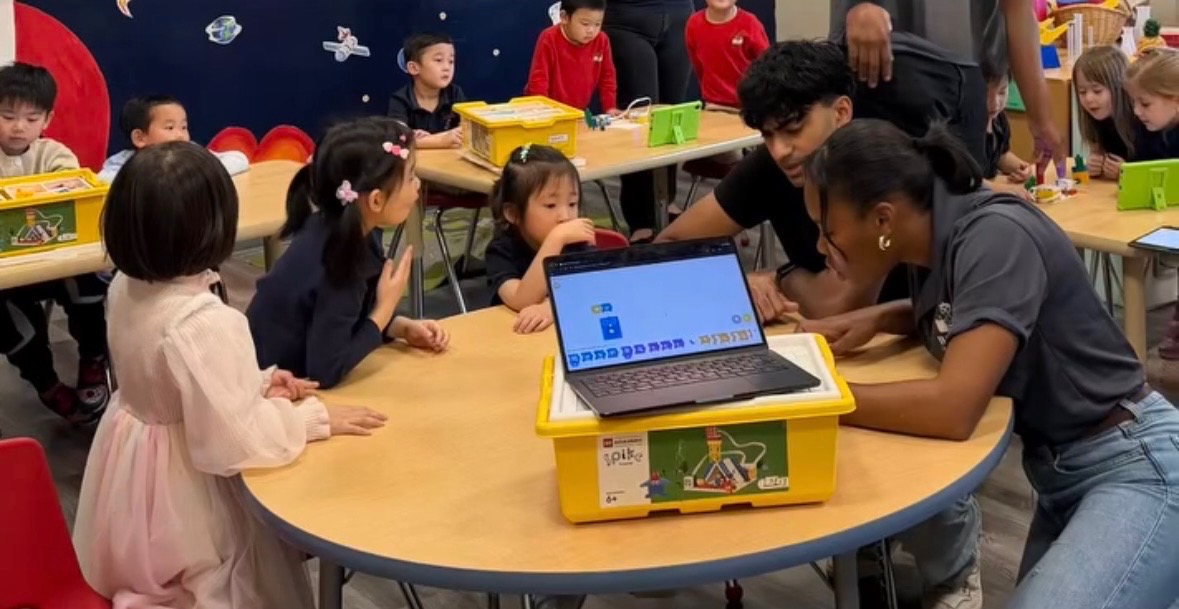
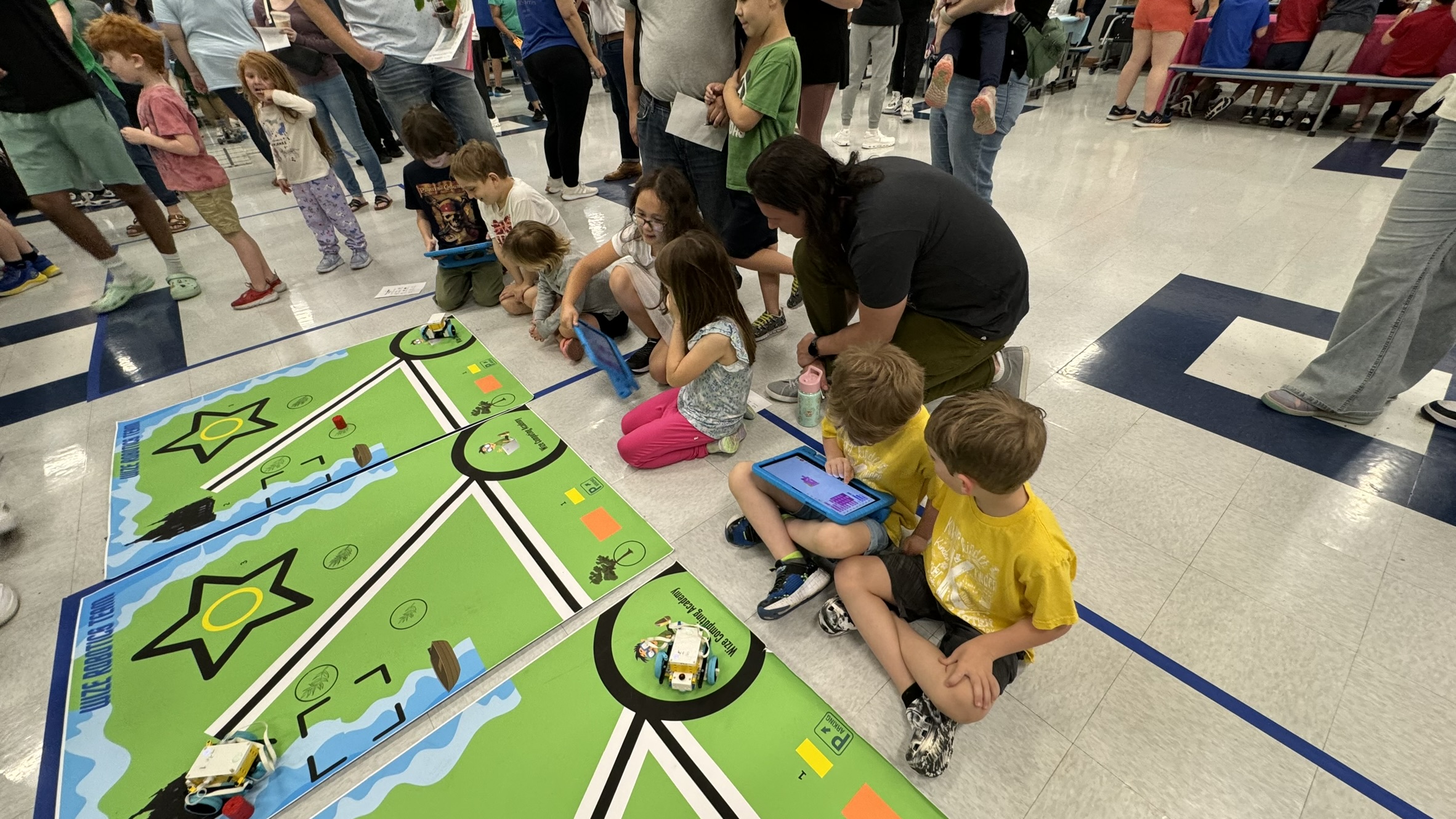
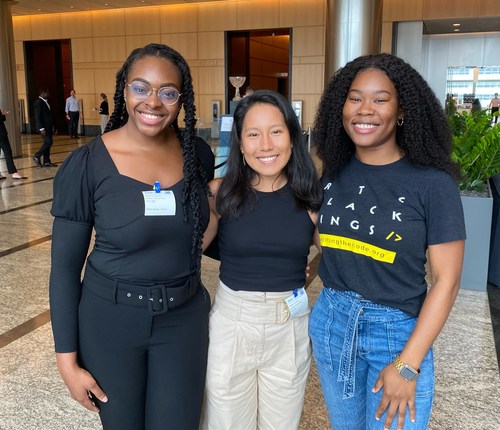
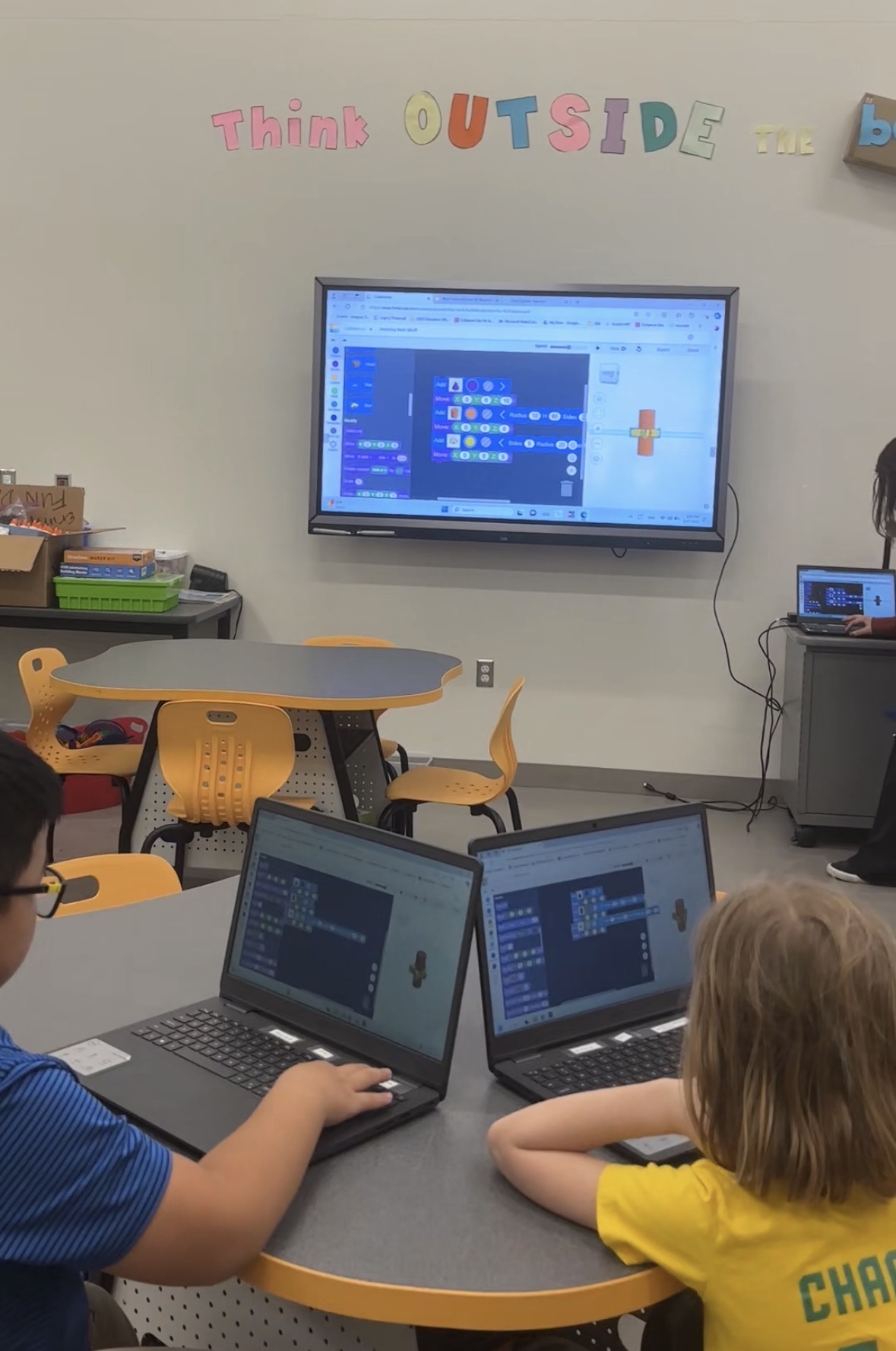
Image Credits
Three_student_members_of_Rewriting_the_Code_are_photographed_Destiny_Nwafor_Grace_Cuenca_and_Yan.jp – Credit: Rewriting the Code
Yan_Lawrence_robotics_class – Credit: Discovery Montessori Academy
All others: Self-provided