


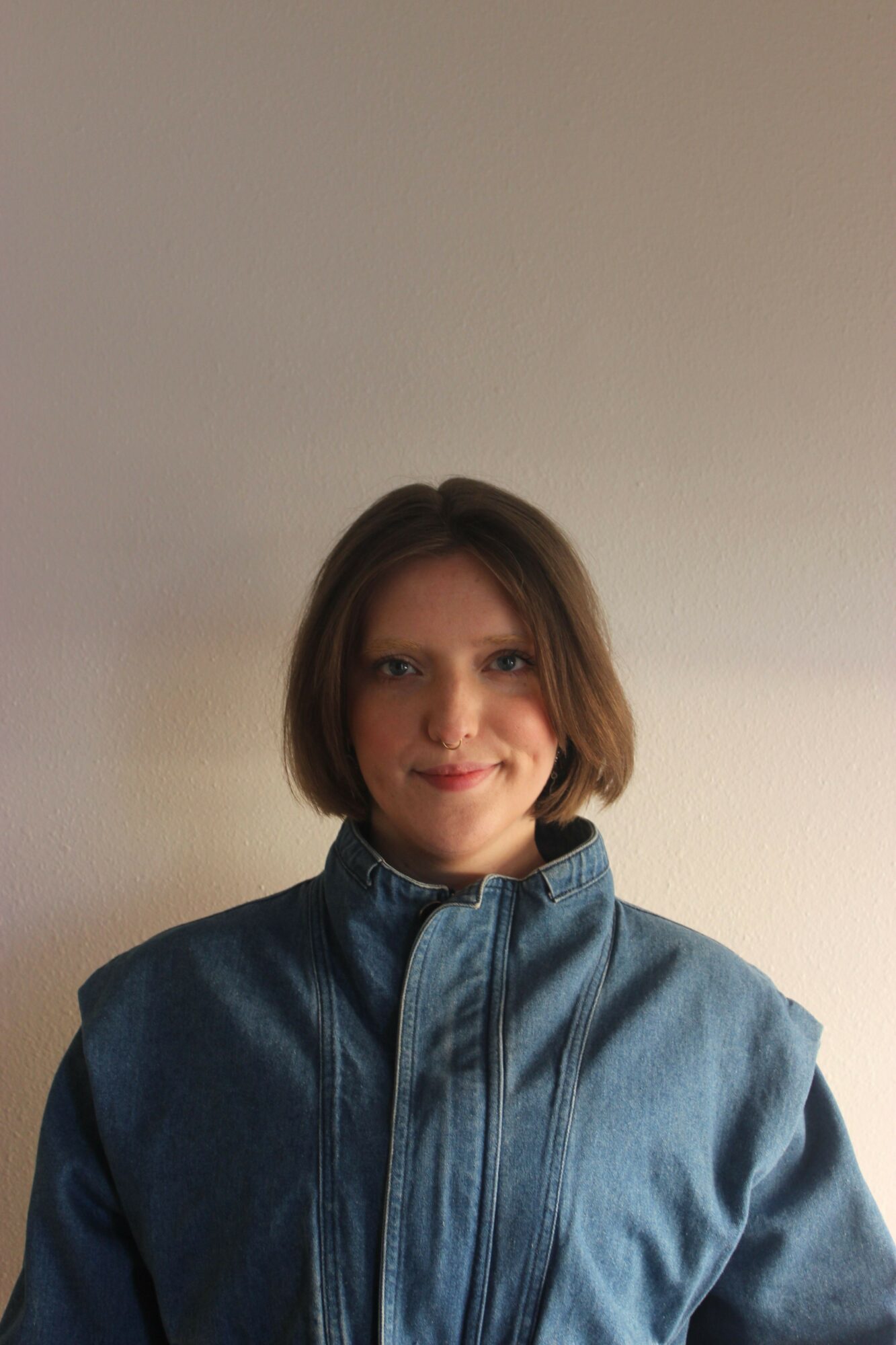
Today we’d like to introduce you to Jillian Wendel.
Hi Jillian, can you start by introducing yourself? We’d love to learn more about how you got to where you are today?
This is not the briefest story, but I feel it’s worth typing it all out for scope. I apologize in advance for the length; I am, after all, largely a writer.
For context, my roots are rural, and many of my family members are farmers and contractors. My original destiny was to become a veterinarian. A career in the arts was never really in the cards for me, but I knew it was a passion I wanted to pursue.
I’d be remiss not to account for my grandmother, Doris Smith, who always encouraged my creative pursuits and still does to this day! While she doesn’t paint anymore, her former hobby as an oil painter inspired me greatly, and seeing her paintings in the Carson County Square Museum in Panhandle, Texas, sparked something fierce inside me. I’m even curating her retrospective in my small hometown of Graham, Texas, next summer. As for the rest of my family, they’re incredibly supportive, even if they don’t know the full scope of what I do.
While I’ve struggled to call myself an artist in the past, I recently realized what a great disservice that was to the work I’ve done and continue to do. In my life, I’ve worked across mediums and genres. In my early teens, I learned to paint in oil, realistic animals, and western life (pickup trucks and ponies). I dabbled in abstraction in my high school art class because I was hugely influenced by Mark Rothko, even though Modernism isn’t really where my tastes lie now. In my adulthood, I’ve grown fond of collaging, embroidery, writing, and other social forms of art practice.
In 2023, I curated my first exhibition at Arts Fort Worth with a collective based out of the University of North Texas, called the Anti-Avant Garde Avant Garde. My second exhibition, featuring several of the collective’s founding members, was held at the Belmont Hotel later that year, which temporarily became a defunct arts incubator and non-traditional exhibition space. I knew after my first couple of experiences coordinating exhibitions that I had a deep desire to continue curating independently.
However, the idealized, traditional path to what I personally like to call “Capital C Curating” became increasingly unattainable for an individual like me, with varied interests and a background that did not begin with art. From my perspective, Capital C Curating comes with rigid requirements: numerous art history degrees, accreditations from reputable individuals and institutions, experience, and a certain pigeonholing into specific art-historical genres and topics. But I’m an interdisciplinarian, and doing just one thing doesn’t suit me all that much.
As I completed my first Bachelor’s degree in Art History at the University of North Texas in 2022, while trying to conform to the Capital C Curatorial model I’d built in my head, I felt unsatisfied, unqualified, and confused. I’d learned so much about the past that I began to feel disconnected from the present and unsure of the future. I didn’t know what my trajectory looked like and whether a career in the arts was even possible. And I knew for sure that I didn’t want to compete with other Art Historians to see who knew the most interesting thing about the Ancient Mediterranean; the most interesting thing was Greek Symposia, very queer ancient history; just look it up.
Rather than trying to find a full-time job or pursue a Master’s degree in Art History without a clear lane, I stayed in school one more year and began my second Bachelor’s degree in Philosophy, also at the University of North Texas. It was here that my mind expanded with possibilities and new doors opened. Developing research skills and accelerating my drive to learn about systems, concepts, and criticism gave me the affirmation that I was not only on the right path but that I was indeed carving it out for myself; that’s the true spirit of an interdisciplinarian.
In the fall of 2023, I began my Master’s in Art Education at the University of North Texas. I knew, going into the program, that I didn’t have much invested interest in the traditional career paths for art educators. My affinity for art teachers is deep, but it is not a role I’ve ever wanted to carry. I chose the program strategically, as I’d heard great things about the faculty and knew there was flexibility to tailor your ideas to the courses you took. I also figured, with a background in Art History and Philosophy, that I needed applicable, tangible skills, and that Art Education seemed like the field that encompassed those areas of study. The skills I gained in the Art Education Master’s program at the University of North Texas are invaluable, and I use them daily. I was and still am largely supported by Dr. Laura Evans, whom I studied under during my Master’s. She’s always encouraged the creative work I’ve done in and outside the institution, and for that, I’m forever grateful.
Albeit I did have a healthy dose of imposter syndrome, as many of my colleagues and peers were pursuing paths in teaching in schools or museums. When we’d go around the room expressing the careers we wanted to pursue following our degrees, I always said “independent curating,” and while my classmates and professors had faith in that statement, I certainly received some confused looks, and I presume many peers of mine may have asked themselves, “Why is this girl not in art history classes right now?” Funnily enough, there is a strong pipeline of Art History transplants in the Art Education department at the University of North Texas, so maybe the path I took is becoming less unconventional.
Going into my second semester as a Master’s student in early 2024, I found myself craving exhibition-making once again, but I ran into some speed bumps. First, I didn’t know how to spawn a new curatorial opportunity. I knew about open call opportunities, but figured I lacked experience and wouldn’t qualify; that was just irrational fear, as there are many opportunities out there for emerging curators. Second, I didn’t know of a venue that would support my curations, especially since I wasn’t pursuing Capital C Curatorial positions in art institutions, and my degree path was winding and not super straightforward. Third, I was 22 and brand-new to curating, working in the arts, navigating networks, and doing all the things young twenty-something year-olds do!
So, I really didn’t know how to move forward, but I just kept looking ahead and lifting every unturned stone to see if there was a puddle of mud I could joyfully sink into. And in early 2024, I found my mud puddle. And, believe it or not, it was a legit speed bump!
I reached out to the co-founders of Speedbump lil d, Delaney Smith-Vaughn and Anna Galluzzi, to ask whether they needed any volunteer assistance for their 2024 edition of the annual event, which features tours of artists’ homes and studios in Denton. Speedbump lil d is a sister event to the original Speedbump Oak Cliff, founded by artist duo Chuck and George, also known by their real names, Briann Jones and Brian Scott. Fort Worth just launched a Speedbump in the city, founded by Claire Kennedy and Max Marshall.
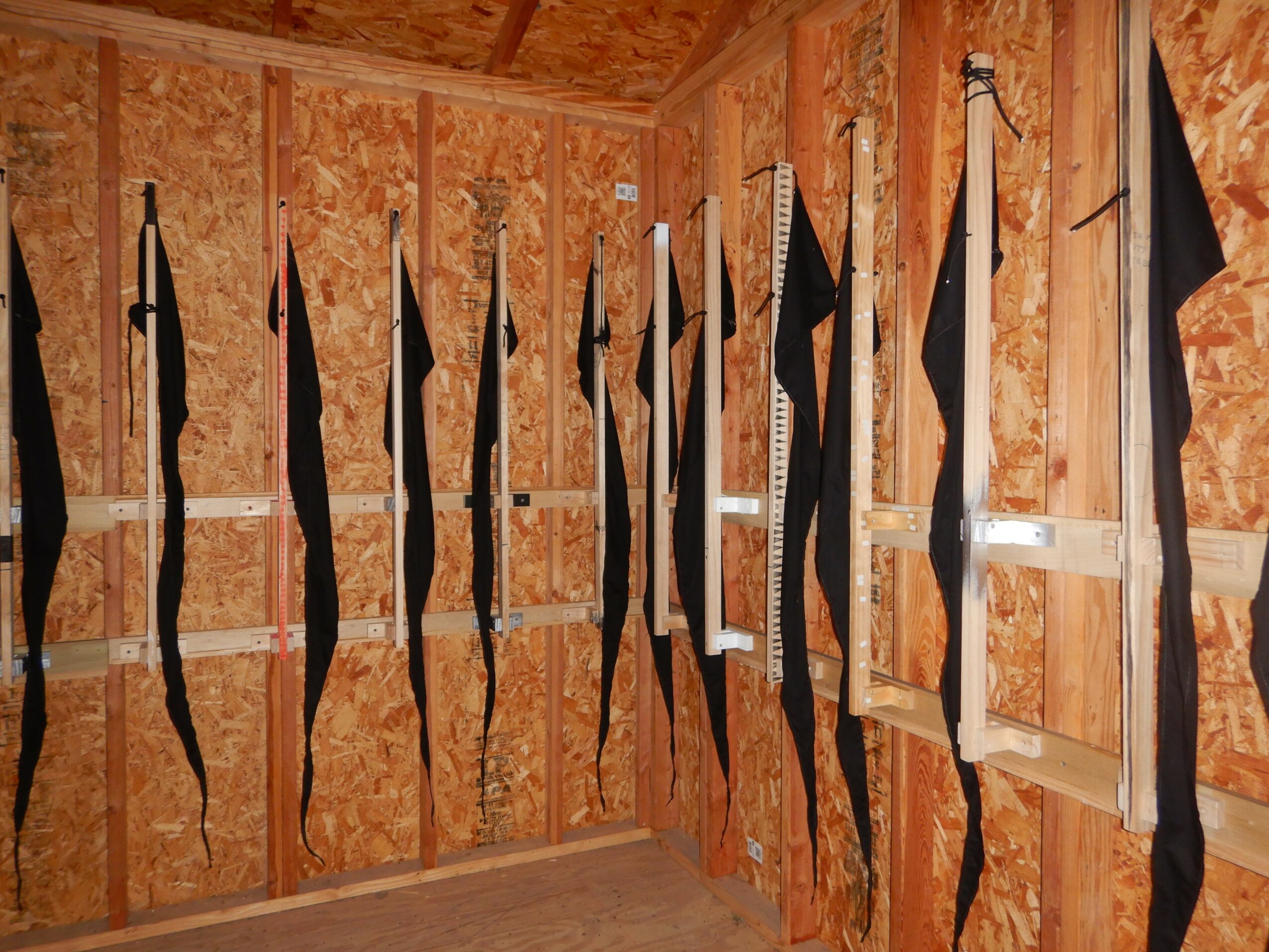
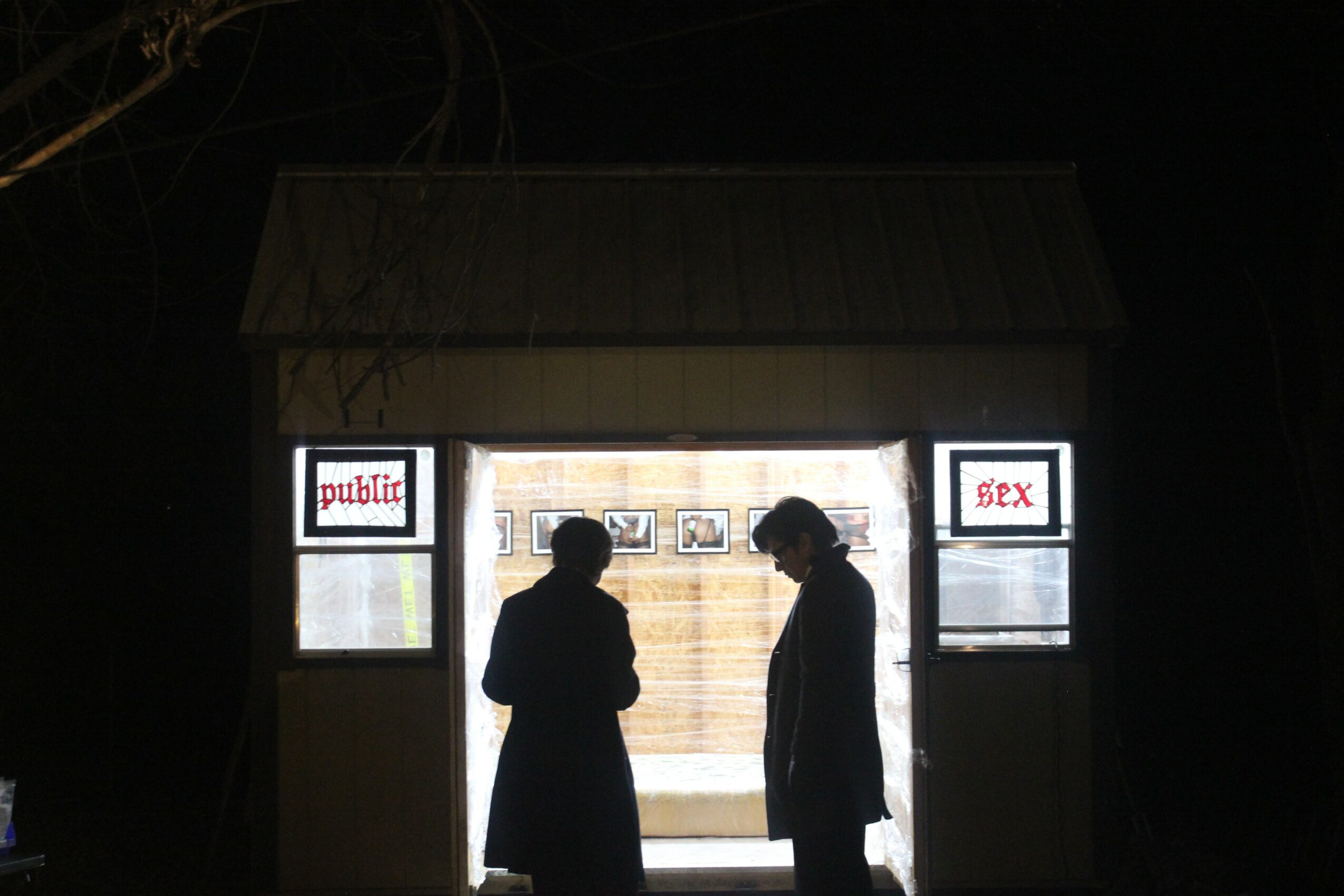
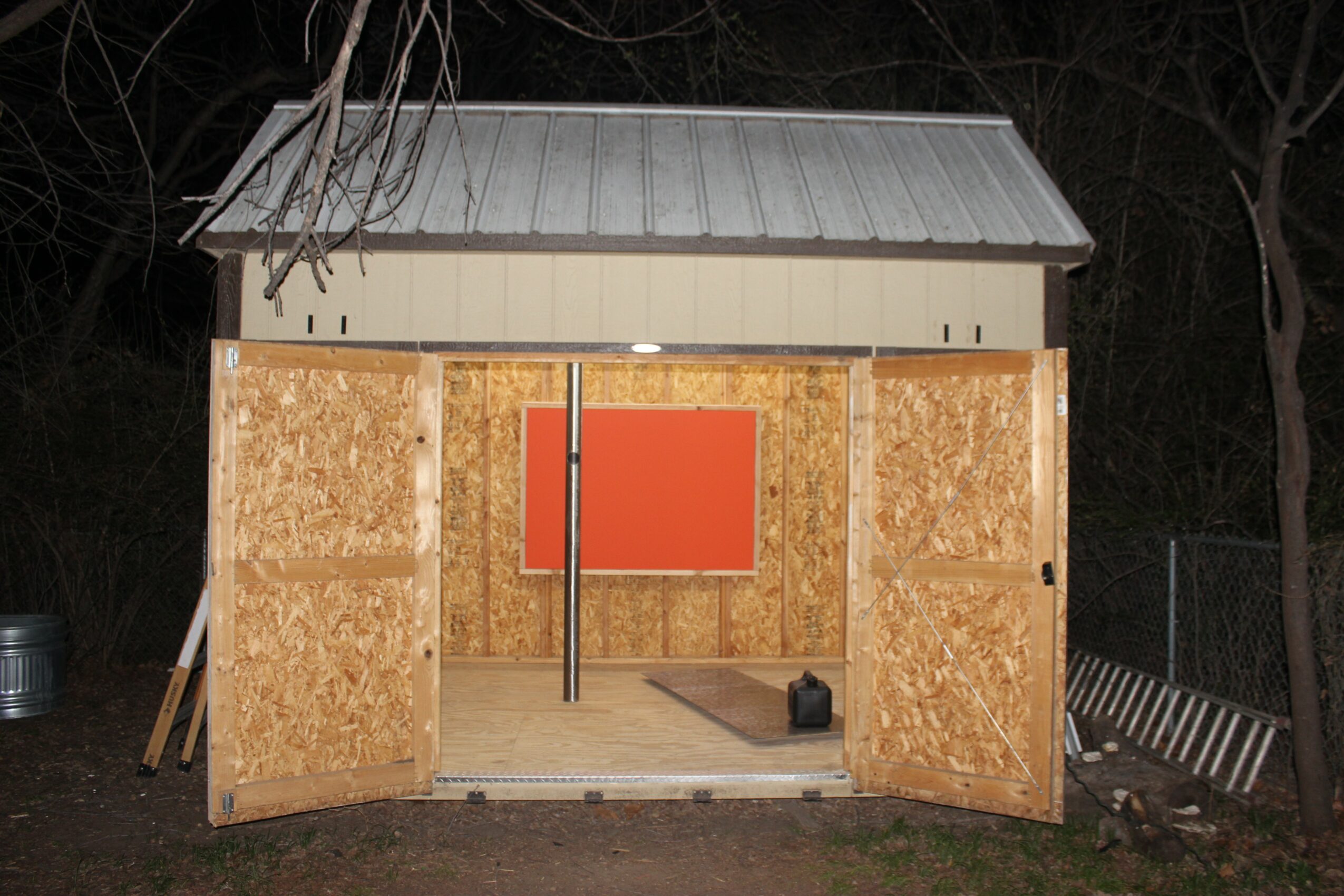
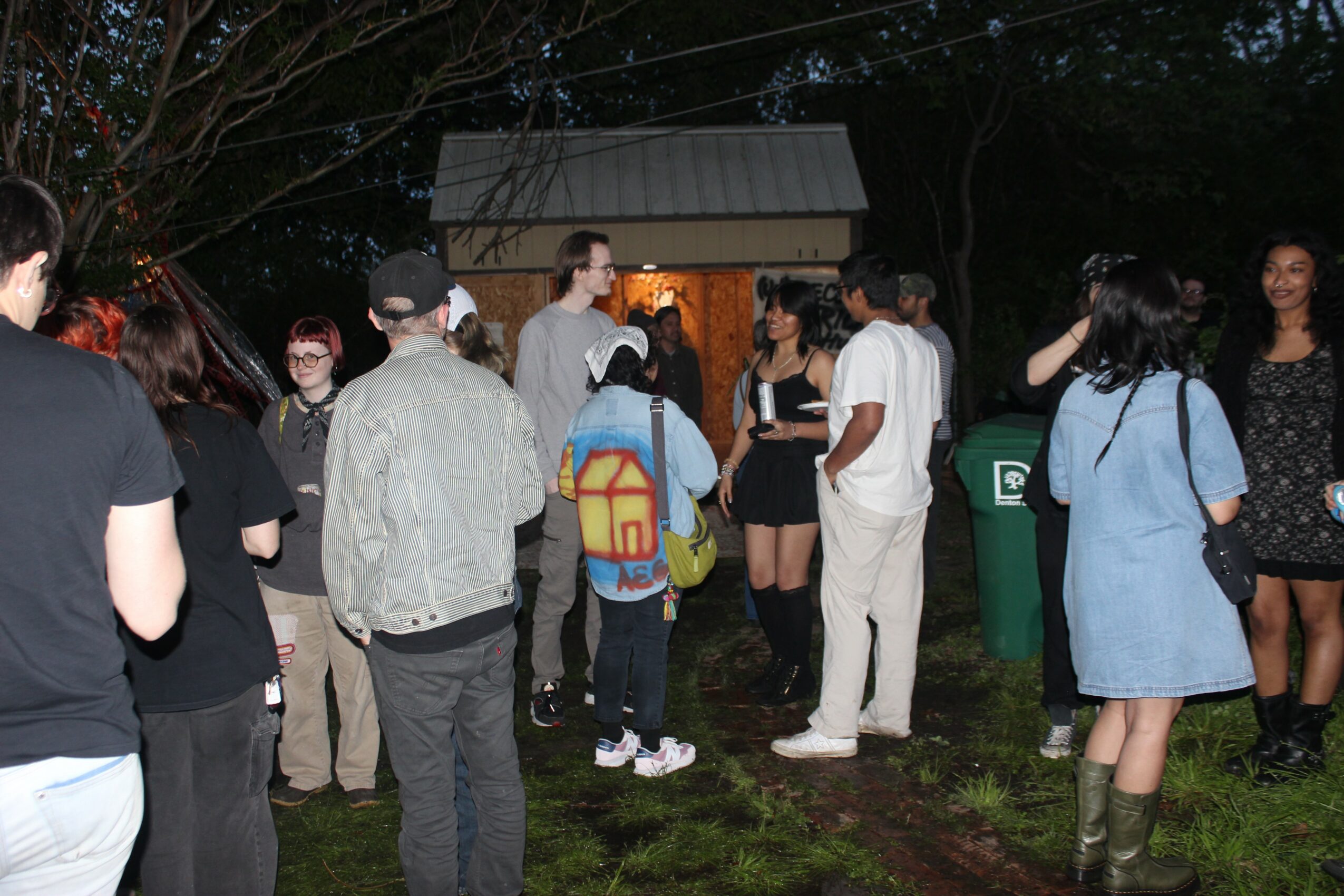
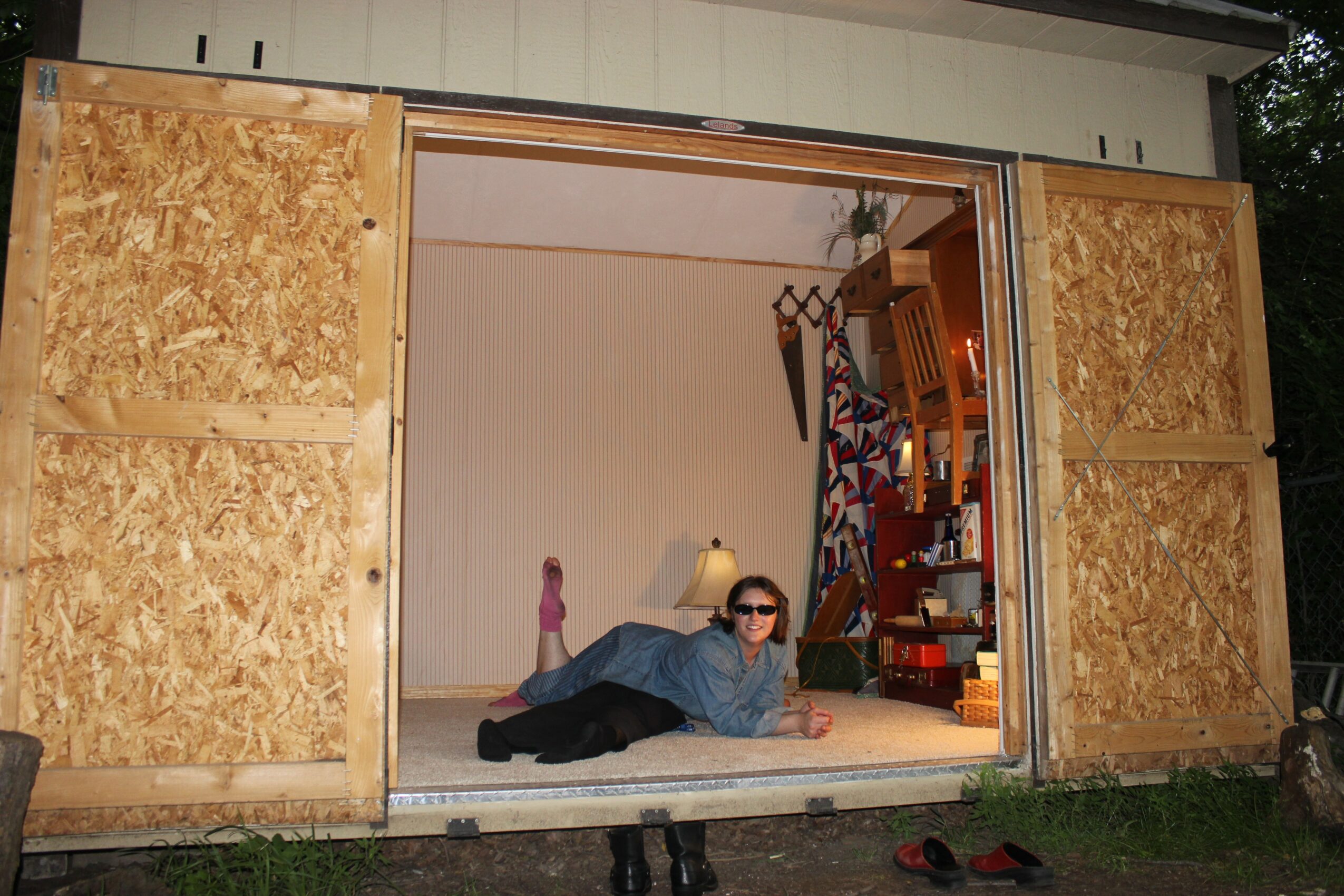
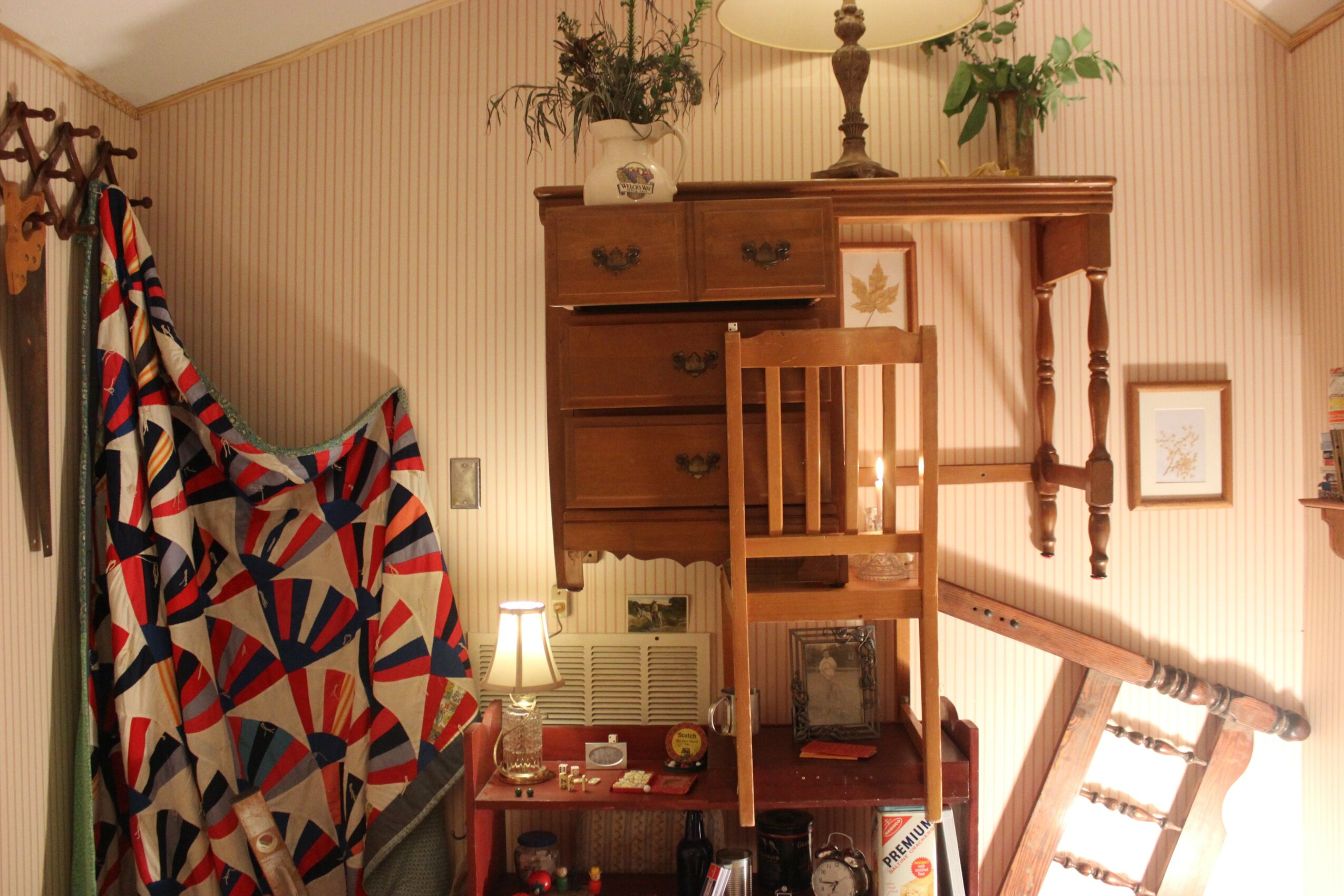
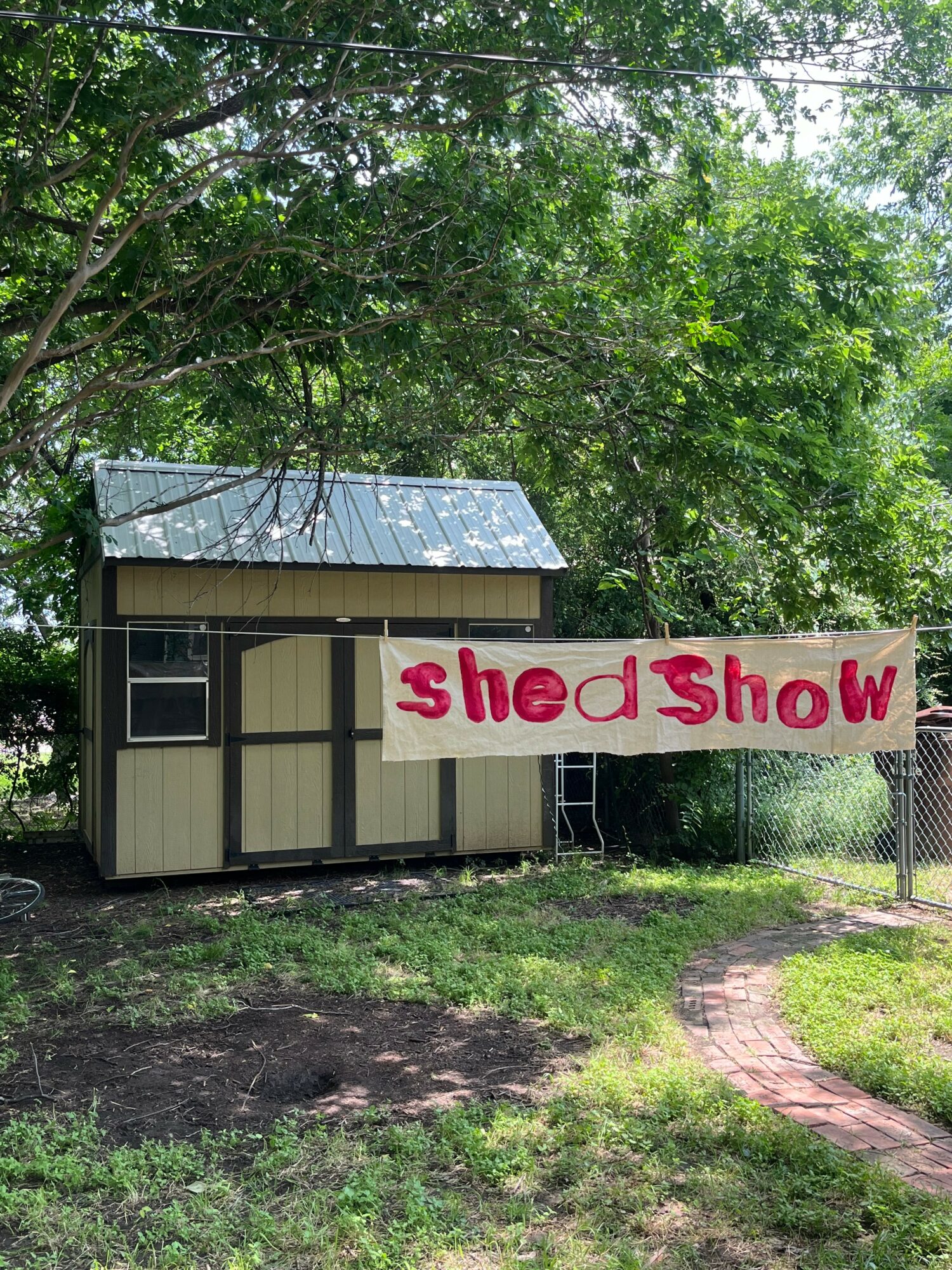
Anyway, apparently, Delaney and Anna were familiar with some of my work and asked if I’d curate an exhibition for the event. My response was “Do you have a venue?” and their response, unsurprisingly, was “No.” I quipped back, “Well, I’ve got this shed in my backyard, and I think that could work!” The rest is history, as they say.
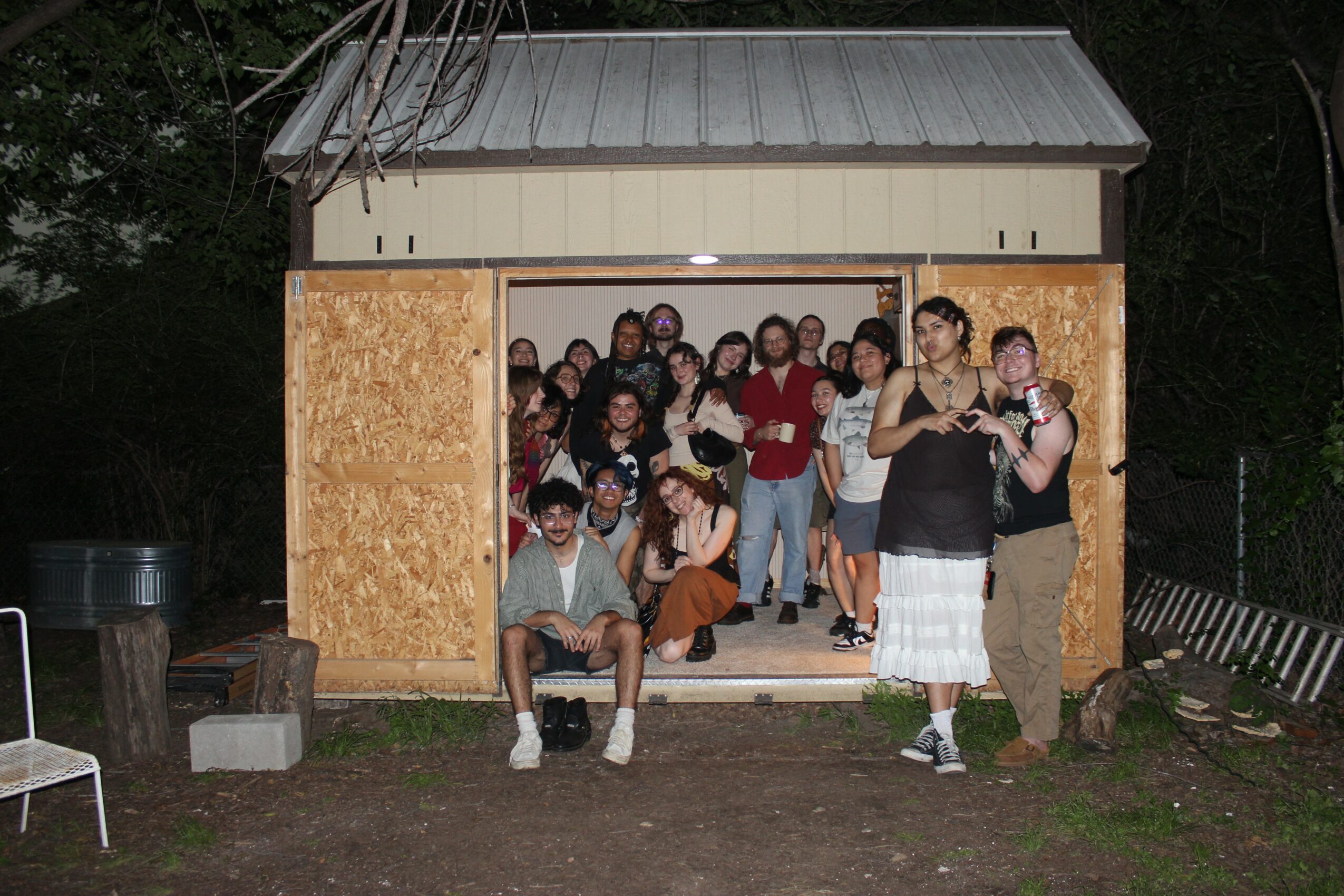
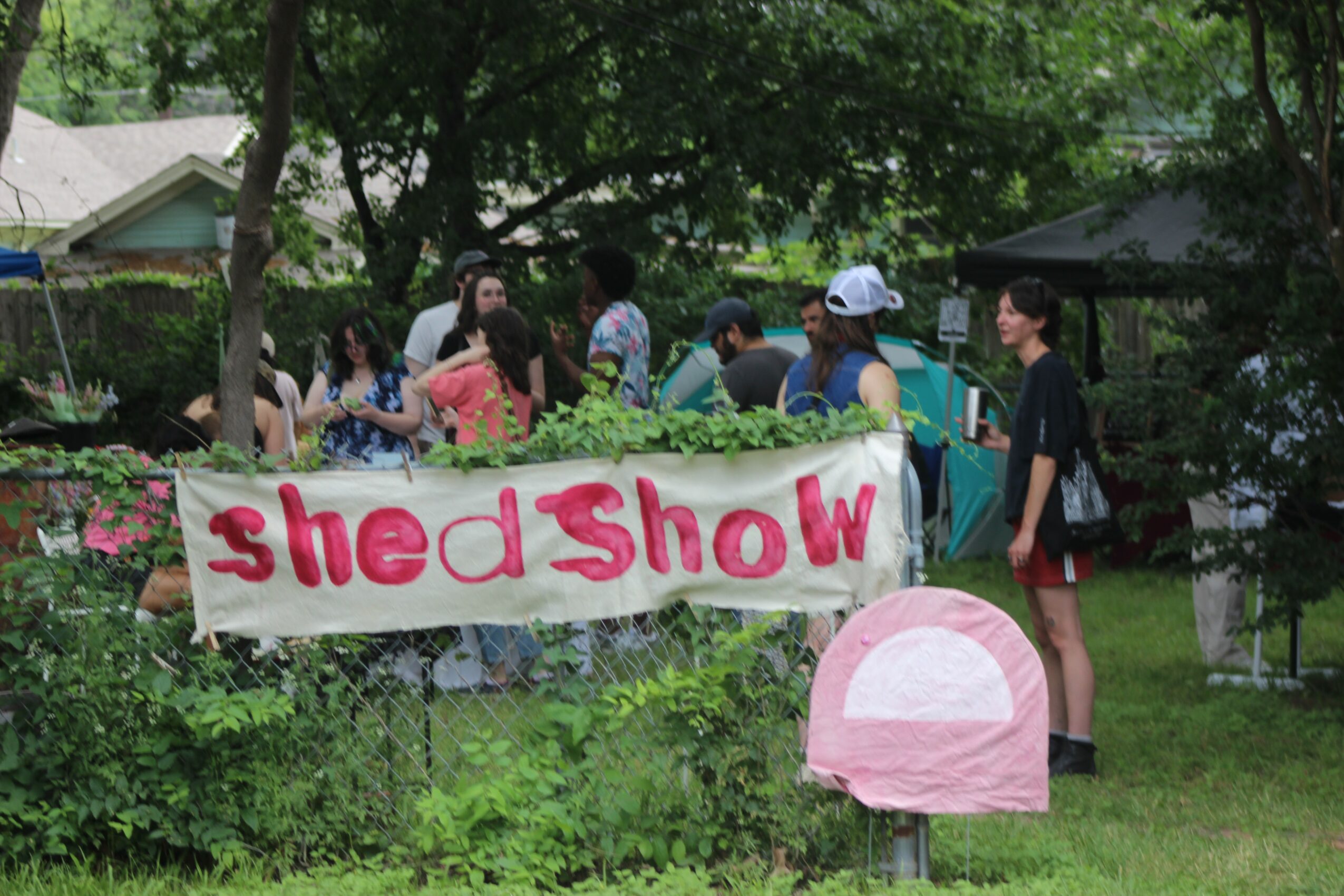
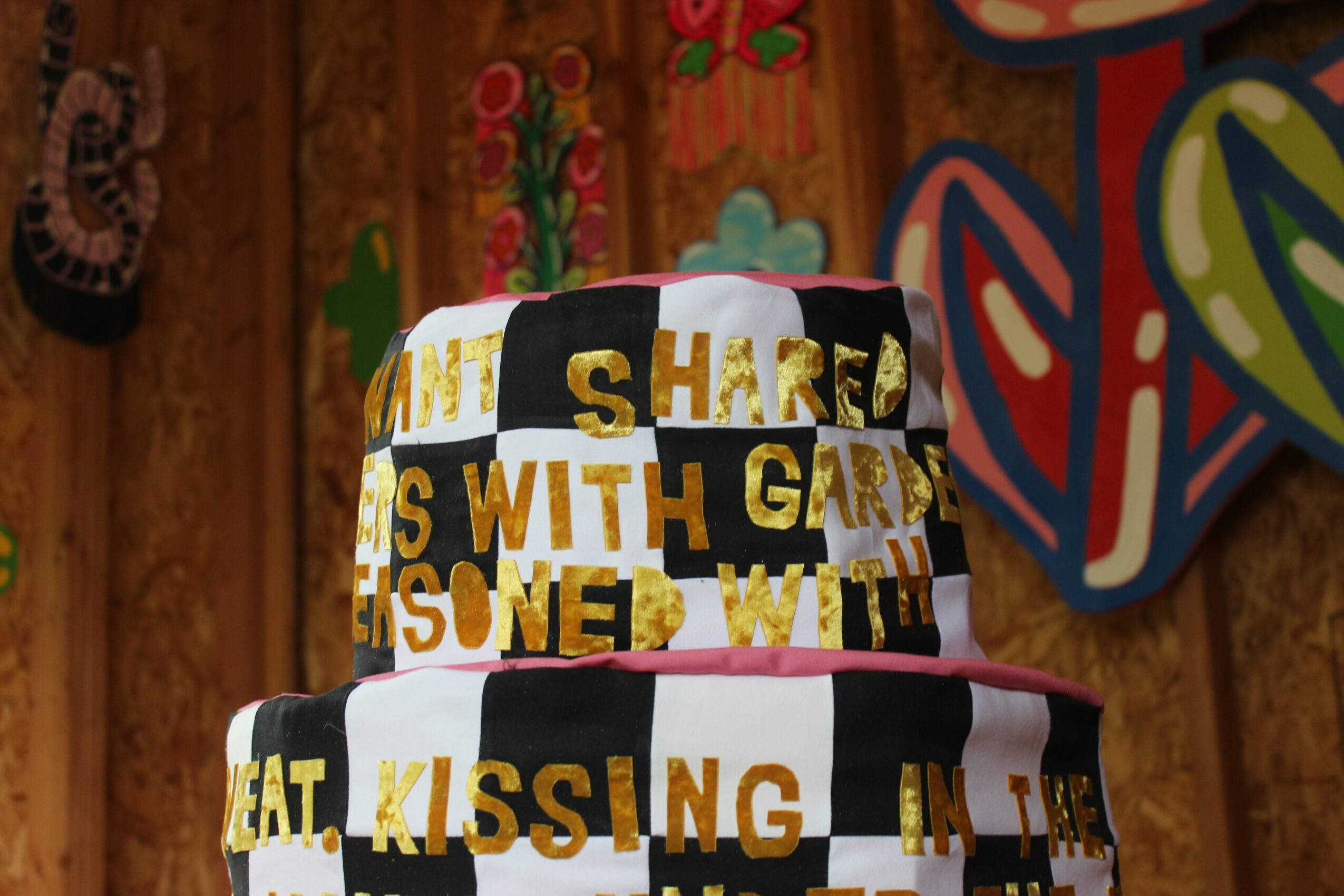
Since then, the Shed Show has presented nearly two dozen exhibitions featuring student, emerging, and mid-career regional artists. Not only does the Shed Show host exhibitions, but I’ve also infused our project with programming to expand on my personal mission in building the space. That said, I recently added a library project called Pigeon Hole to the Shed Show’s repertoire. This library features predominantly art books, catalogs, novels, educational texts, and more.
Pigeon Hole is located in my home dining room, and while it’s currently just in concept and only open for viewing and browsing, we will soon equip it with a lending database so folks can check books out just like you can at a public library. Tre Robling, an aspiring Librarian in Dallas, is assisting in developing our catalog, database, and archive. I also have a budding personal collection of contemporary works of art that aspiring conservator Andi Bernabe is helping maintain and sustain.
Additionally, Pigeon Hole will host our workshop series, which began this Spring with a stained glass workshop led by Nailah Otunba and a book-binding workshop led by Victoria Bustos. More workshops will be offered in the Fall, led by local artists and creatives.
Pigeon Hole also houses our social advocacy initiatives, which include circulating social resources, whether that be language around particular issues or tangible resources. For example, we’ve been circulating a lot of materials on immigration issues as ICE increases its presence in many communities. With the support of local organizations like Denton County Public Health, we’ve also been able to provide free sexual health materials. The Shed Show’s Social Advocacy Correspondent, Nailah Otunba, leads this project collaboratively with me. We’re even developing a zine library, but we have some competition: the University of North Texas houses a quite extensive zine collection. But hey, we’ve gotta start somewhere.
The Shed Show also works closely with Raneem Qasim, who also goes by Temporence. They’re our in-house DJ and Sound Director who assists with booking and audio for our openings and events. They’re in the process of launching their sound system, Mycelia, which will feature one-of-a-kind hand-built sound systems. It’s their desire to teach people how to make music by embracing community, collaboration, and education through transgressive queer ways of being.
We’ve had the opportunity to work with various institutions locally, including Dallas Contemporary, where we hosted the Shed Show at the Dallas Art Book Fair, circulated social advocacy resources for free, and sold works by artists we’ve represented. We also had the pleasure of working with a newer Denton organization, Paper Chair Studios, founded by Delaney Smith-Vaughn and Joshua Steven-Bryant, at their inaugural Monster Art Rally event held at the Greater Denton Arts Council. We also worked with Texas Vignette, where I moderated a discussion on “The Rise of Unconventional Art Spaces” at Cedars Union.
There are so many more things I could say about the Shed Show. It is quite literally my child, whom I birthed into this bizarre, strange, and beautiful world. And I could never have done it alone; that’s why my team and the community are so crucial to the space’s success.
I intend to continue working on the Shed Show for years to come, so keep your eyes peeled, because this space, whether you wanna call it a gallery or a DIY project, is here to stay.
And to conclude, I want to restate that I am an artist, that my work is social practice, and that the project is the Shed Show. Engaging with the Greater Denton community and communities across North Texas and beyond has been the utmost pleasure and privilege. I crave collaboration and opportunities to work with the many talented individuals in this region.
Alright, so let’s dig a little deeper into the story – has it been an easy path overall and if not, what were the challenges you’ve had to overcome?
I think I expressed some of the obstacles in the “My Story” section of the interview, especially the imposter syndrome and the isolation of navigating my unique career path.
Other obstacles I’ve faced have ranged from personal to professional. What I will say is that art spaces are built and operate differently, with different visions, missions, and goals. In some environments, I’ve not had control, and I’ve been subject to harmful if not exploitative work practices. But, unfortunately, that is the true stereotype of the art world. There are many characters, and they’re not all genuine or sincere, but if you find your community and navigate your networks with compassion, confidence, and honesty, I believe you will always find success.
And the biggest thing about obstacles is that they build resilience, which, truthfully, is the best skill to have in this industry. I don’t think it is entirely a dog-eat-dog industry or that you have to be cutthroat and have thick skin, but as an individual with a vast wealth of patience, empathy, vulnerability, and sensitivity, I’ve personally struggled in certain institutional environments.
Furthermore, I’ve yet to find a full-time job with benefits in the industry. It’s a long journey, and I’ve made it by with gig work (arts writing and contract positions) and numerous simultaneous part-time jobs. I commute to Dallas from Denton most days of the week and often don’t get enough rest or time to spend with myself. But I do think, in the end, it is all worth it. It’s worth the experience, it’s worth the sorrow, it’s worth the rejection, it’s worth the disappointment. I have faith and trust that good things will come. Good things are already here! I just need enough financial stability to sustain myself and my projects.
Can you tell our readers more about what you do and what you think sets you apart from others?
Please review my initial response in the “My Story” portion of the interview. I can contribute my CV if that’s helpful to you, as there’s definitely more listed on there than I can write about.
Is there any advice you’d like to share with our readers who might just be starting out?
For those starting out, send me a DM I’m not joking. I love helping people, especially those interested in growing their creative practice through community engagement. I think a lot of people regularly give the advice to “networking” and go to gallery openings, and while those two things are very true and do work, they can be very intimidating for a newcomer.
My suggestion is to build a network of individuals with whom you align morally and ethically. And networking skills do not always have to be professional! Sometimes networking is about meeting for coffee with your best friend to conceptualize and coordinate an exhibition you two want to curate. Networking is really about building, establishing, and maintaining relationships! So get good at holding conversation, that is truly one of my greatest skills, I can talk!
Don’t make it harder on yourself; don’t isolate. Invite people into your creations, and be open to criticism and feedback. Stand by your principles but allow flexibility. Find spaces that settle your nervous system, not set it on high alert.
If you’re interested in writing, curating, coordinating, and/or educating, please do not hesitate to reach out. I’m more than willing to be a supportive individual in your own path to success in this less-than-easily-navigable industry.
Contact Info:
- Website: https://theshed.show/
- Instagram: https://www.instagram.com/theshed.show/