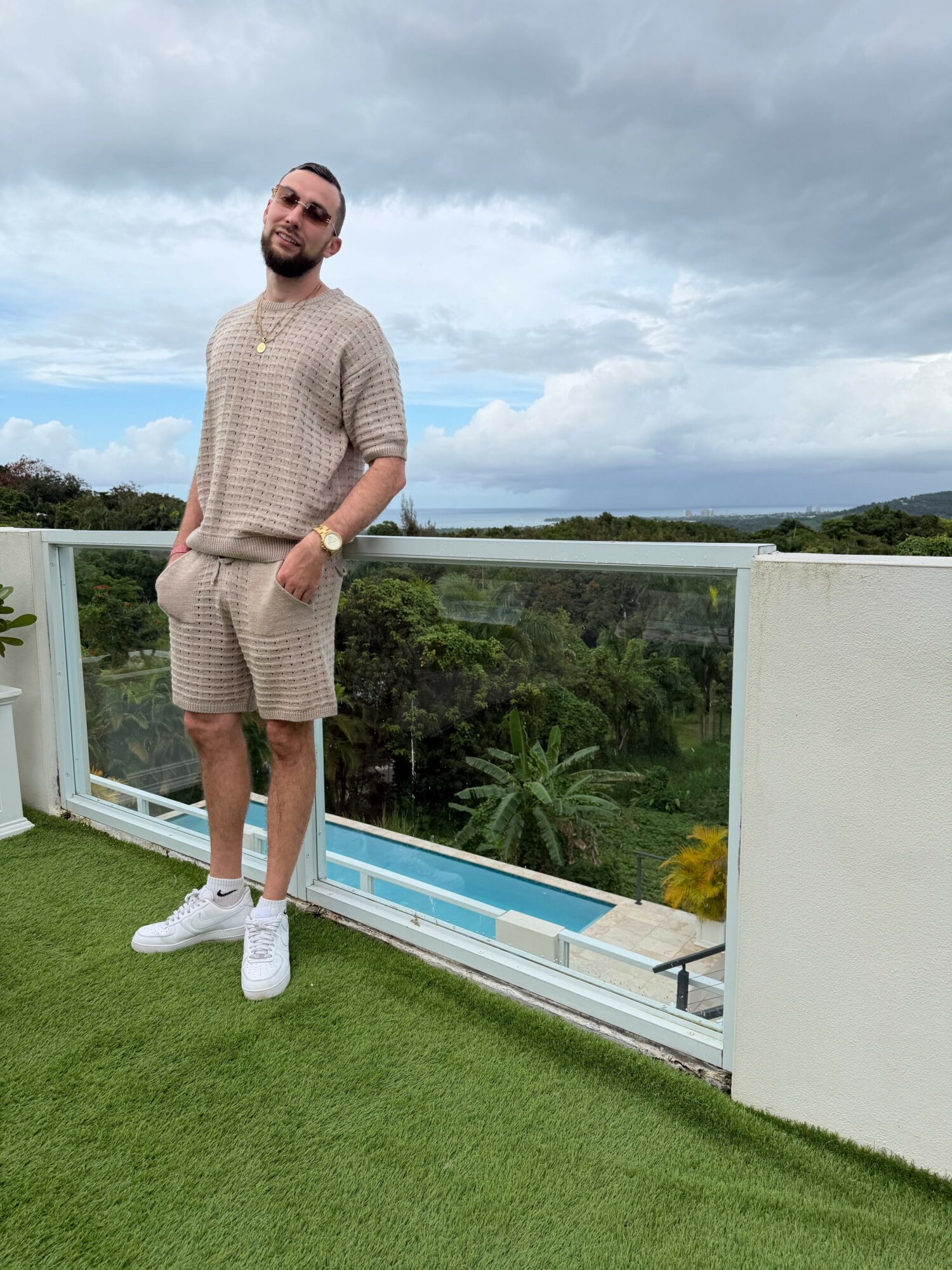






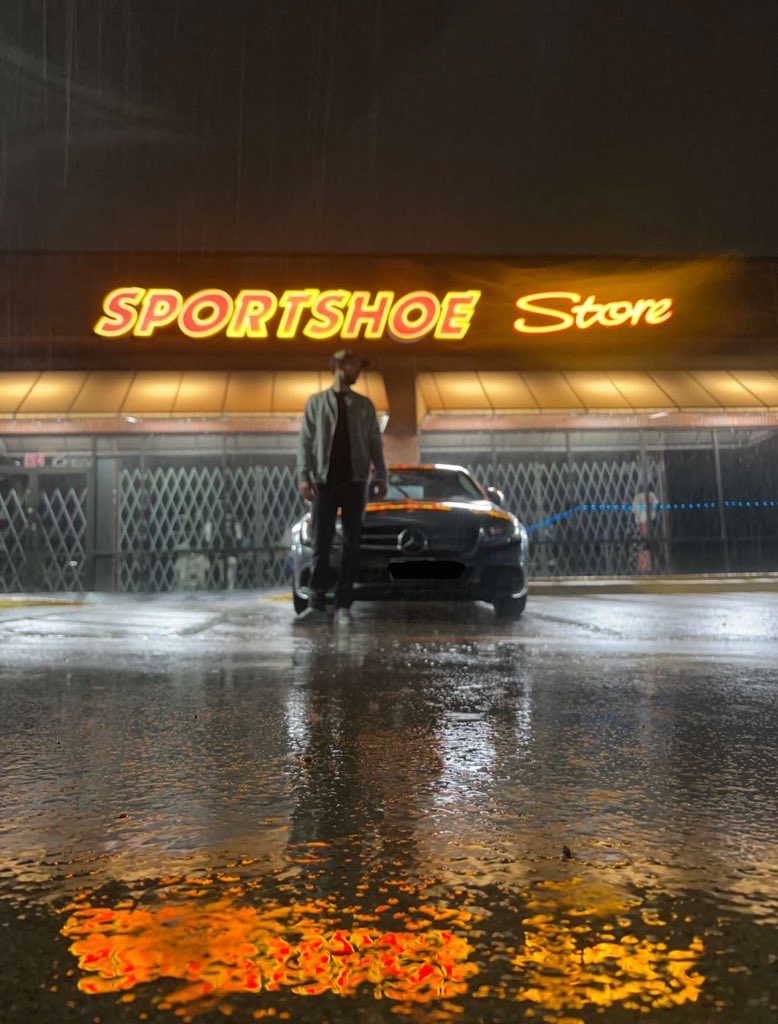
Today we’d like to introduce you to Steven Shipley.
Alright, so thank you so much for sharing your story and insight with our readers. To kick things off, can you tell us a bit about how you got started?
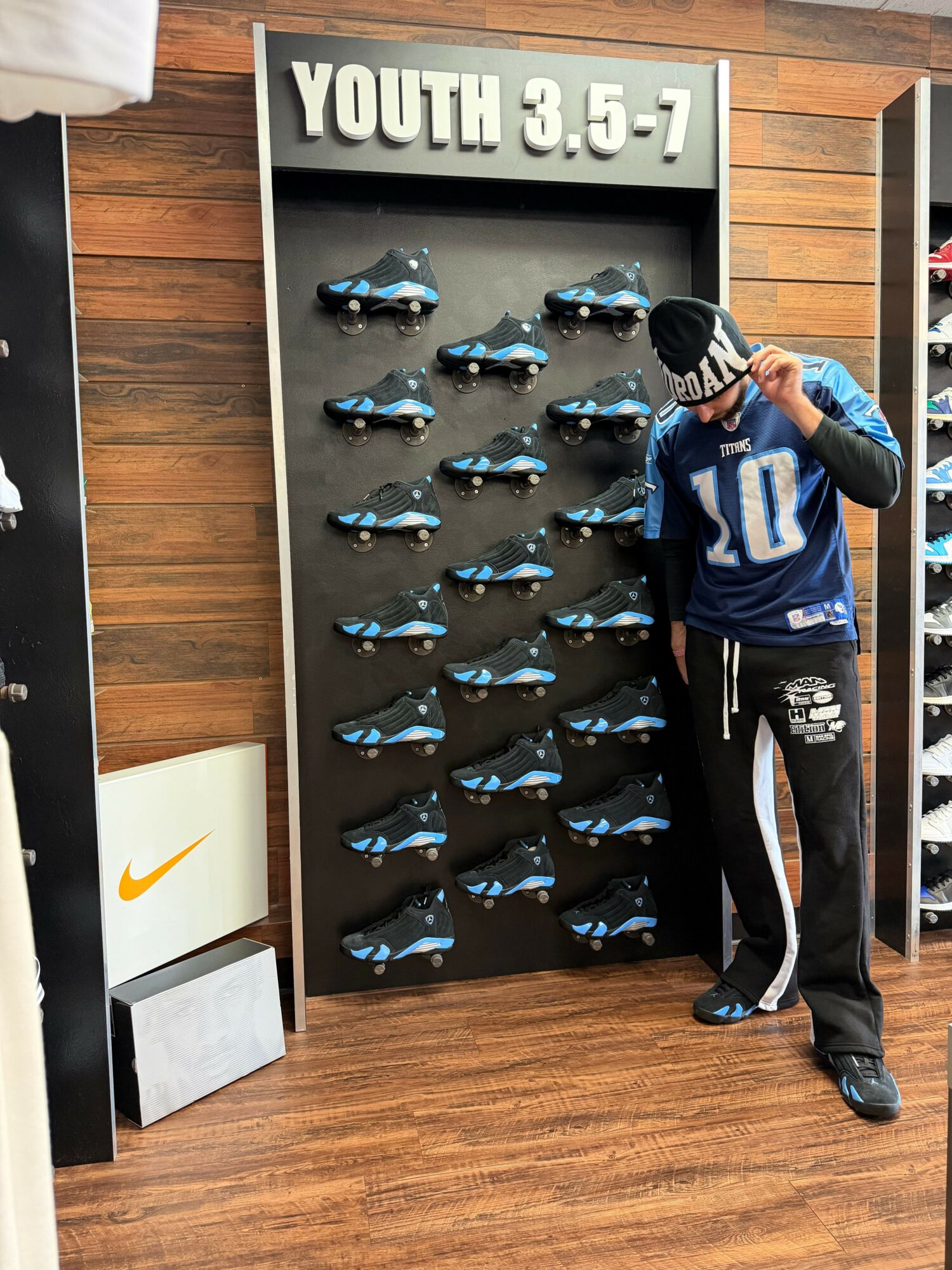
It all started with a simple passion for sneaker culture and a glaring gap in the DFW retail market. I noticed that Dallas sneakerheads were constantly hunting for rare, hard-to-find, and authentic drops, but lacked a localized store that truly understood their needs.I didn’t want to just open another corporate shoe chain; I wanted to build a cultural hub. I started small—leveraging my personal collection, attending local sneaker conventions, and building a network of trusted traders. By focusing on a “buy, sell, and trade” model, we were able to keep our shelves stocked with deadstock heat, classic Jordans, and exclusive streetwear that you simply couldn’t find at the big malls.What transformed my vision into the best shoe store in Dallas was our commitment to the community. We made it a priority to treat our customers like family—ensuring fair payouts for trades and creating an authentic, welcoming environment. Whether someone is looking for their everyday beaters or a grail piece, our priority is providing top-tier service and ensuring everyone steps out fresh.Today, we aren’t just selling shoes; we’re providing a lifestyle. We’ve become a staple in the Dallas streetwear scene, and every day is a chance to give back to the city that helped us grow.
Alright, so let’s dig a little deeper into the story – has it been an easy path overall and if not, what were the challenges you’ve had to overcome?
1. The Inventory Trap (The “Size Curve” Dilemma)Unlike selling apparel where a customer fits into a generic small, medium, or large, shoes require you to stock a massive array of sizes and half-sizes for every single style.Dead Stock: If a particular style isn’t a hit, you are often left with a backroom full of unsellable odd sizes.High Carrying Costs: Tying up capital in full-size runs for dozens of different styles makes inventory management one of your biggest financial burdens.2. Low Margins & “Big Box” CompetitionIndependent shoe retailers frequently battle giants like Amazon, Zappos, or regional big-box stores.Strict Markups: Industry wholesale markups usually leave stores with tight gross margins. When a shoe doesn’t sell, discounting it to clear shelf space can completely wipe out your profit.Direct-to-Consumer (DTC) Shifts: Many major footwear brands bypass independent retailers altogether, choosing to sell directly to consumers via their own apps and websites.3. Physical and Logistical DemandsOperating a physical storefront goes far beyond simply unboxing shipments.Dead-Weight Shipping: Shoes are bulky and heavy. High inbound freight costs eat heavily into profit margins.Retail Hours & Staffing: You must manage long days, weekends, and holidays, along with training knowledgeable floor staff who can measure feet and provide expert fitting advice.4. Changing Trends and SeasonalityFootwear is inherently seasonal and trend-driven.Forecasting Risks: You have to place wholesale orders up to six months in advance. If you misjudge consumer demand for a season, you are stuck with hundreds of pairs of unseasonable or unstylish shoes that must be marked down.While it is a challenging landscape, independent owners often succeed by leaning into what the big chains cannot easily replicate: deeply personalized customer service, community involvement, and expert fittings.
Thanks for sharing that. So, maybe next you can tell us a bit more about your work?
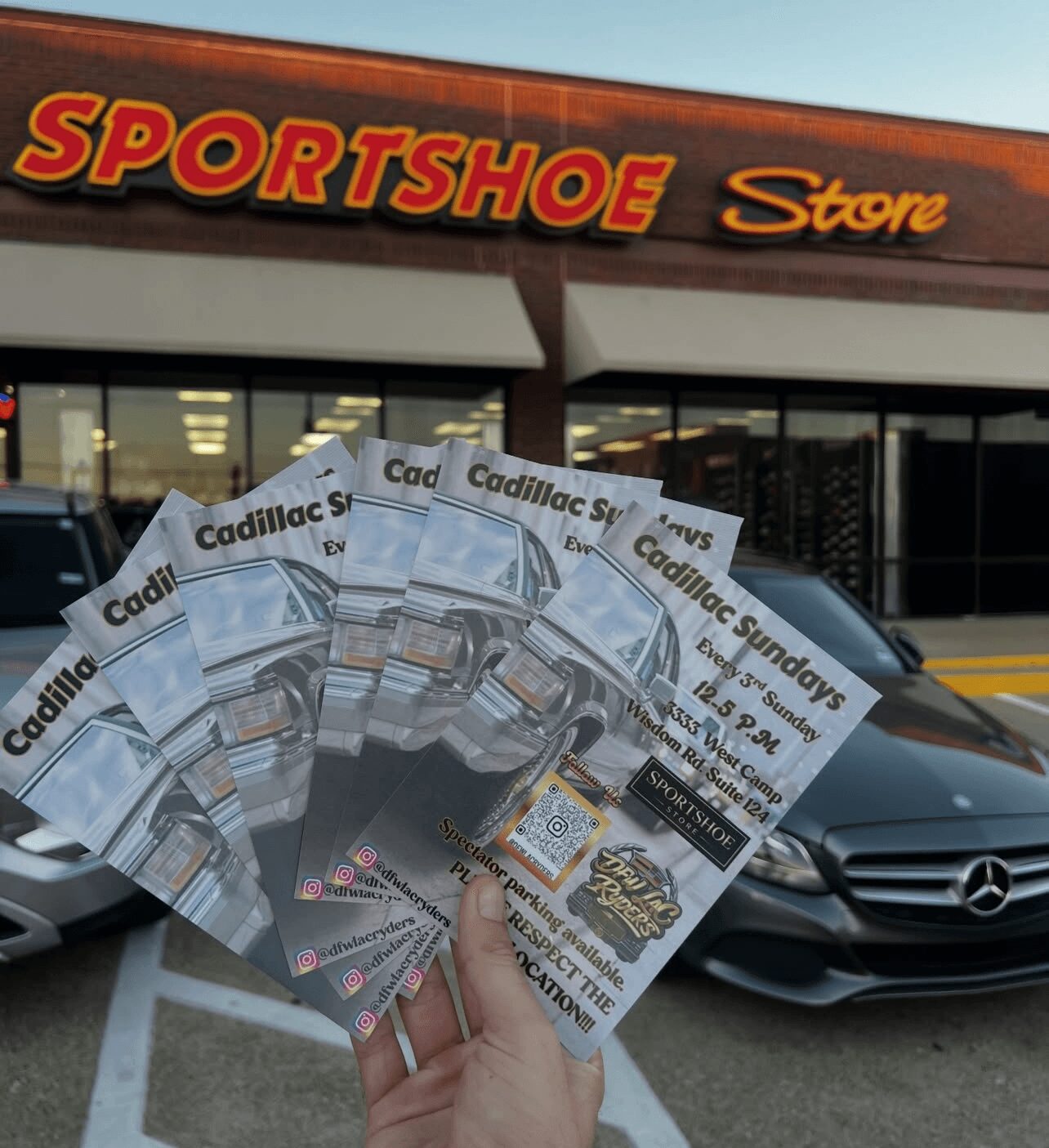
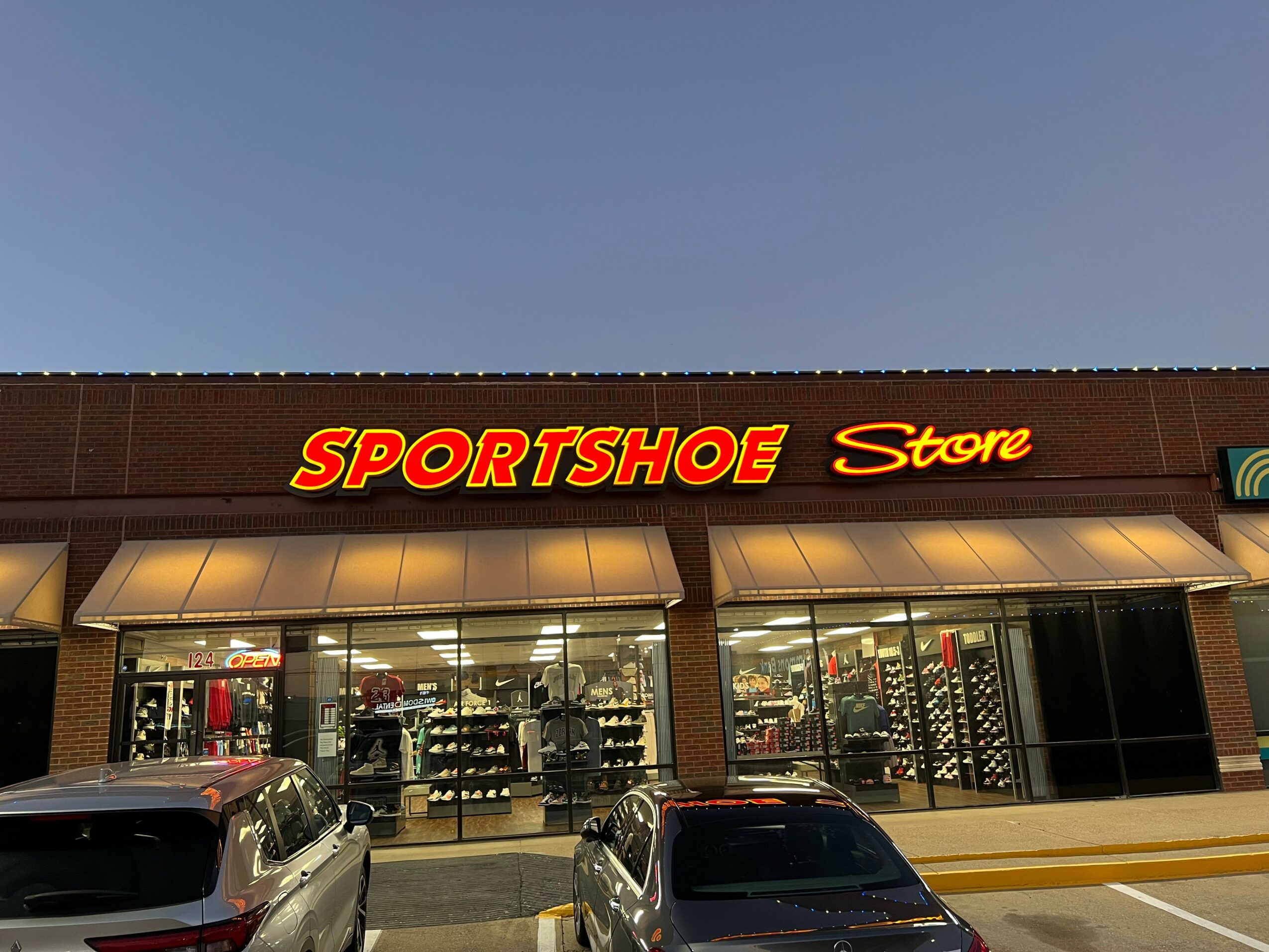
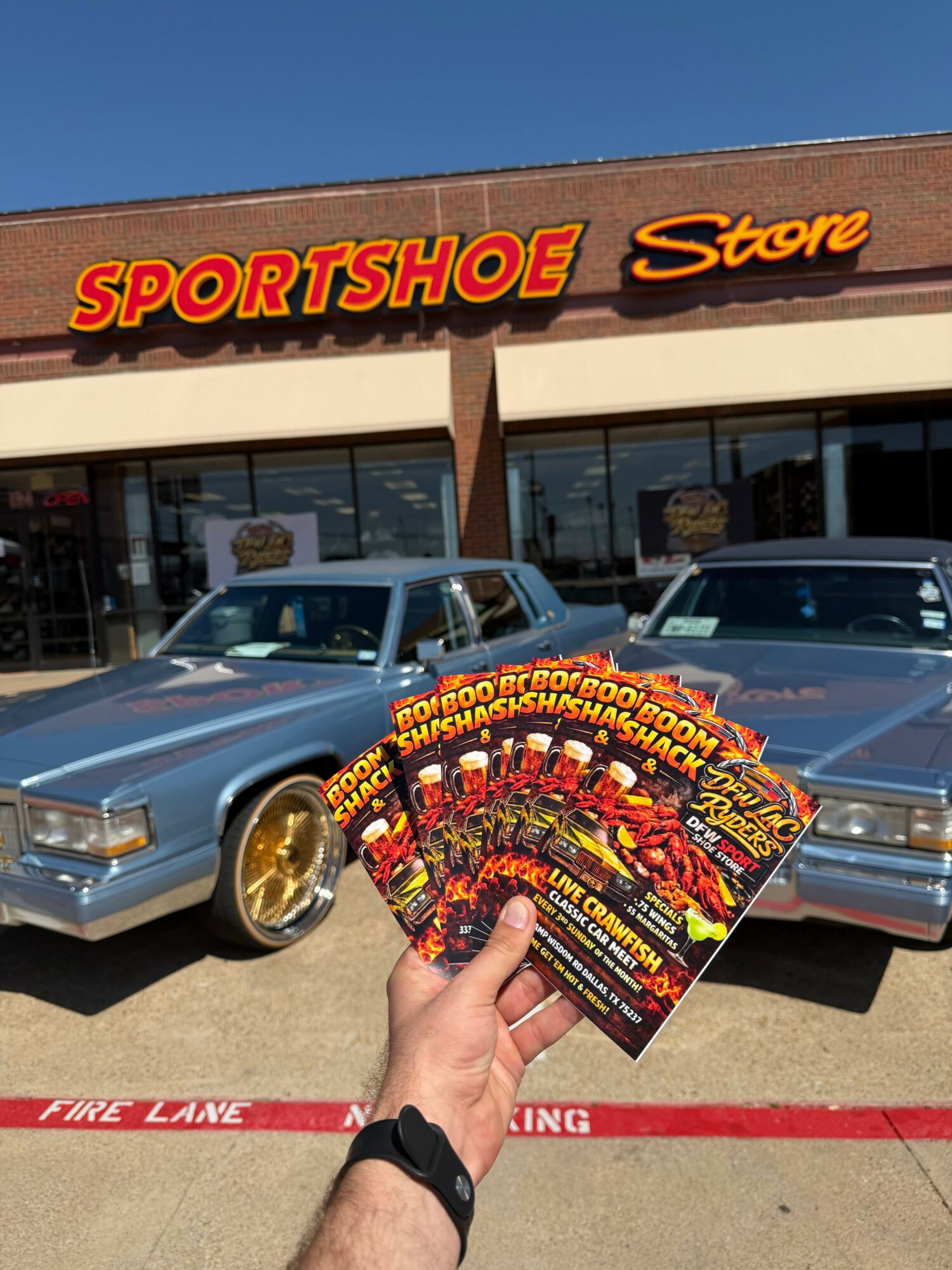
I’m the owner of Sport Shoe Dallas (3333 west camp wisdom rd. Suite 124), a premium sneaker and apparel boutique located in Dallas, Texas.
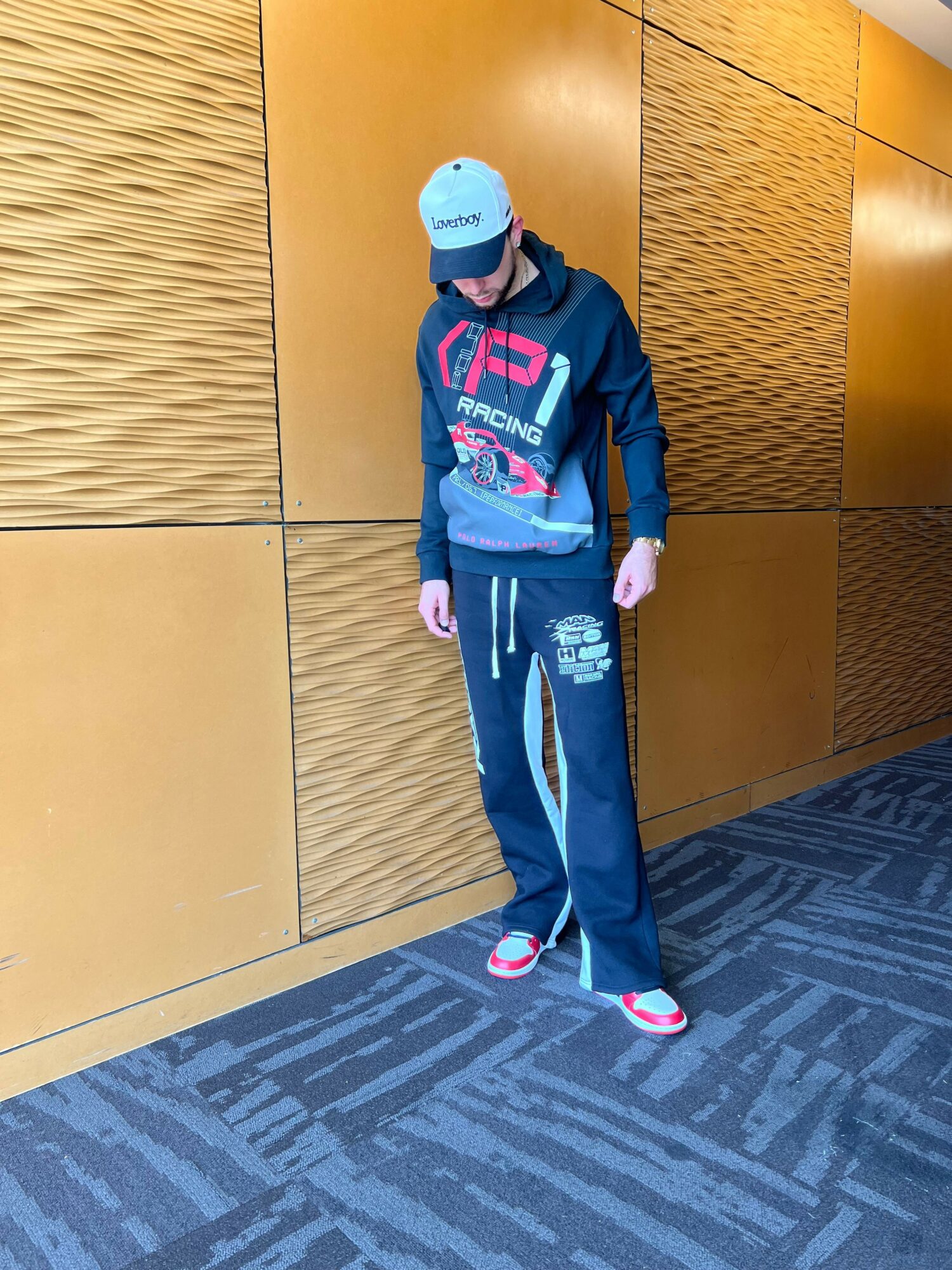
I also directly coordinate my clothing line “Starlife Fashion Co” Into my shoe store and match the luxury Streetwear apparel with new sneaker releases.
Doing runway shows all around the globe really helped me be able to better network with people and grow my business in the shoe community as well as the luxury Streetwear clothing industry.
Starlife Fashion Co is featured across the globe in Miami Fashion Week, New York Fashion Week, Dubai Fashion Week, Milan Fashion Week, & Paris Fashion Week.
Do you have any advice for those looking to network or find a mentor?
Starting a dual shoe and clothing line is exciting but highly competitive. Success requires treating it as a strategic business rather than an expensive hobby. Key steps include validating demand, mastering the numbers, building a local community, and starting small.1. Validate Before You InvestThe biggest mistake new entrepreneurs make is buying a massive inventory of shoes and clothes before knowing if there is a market.Test the market: Before bulk production, post high-quality mock-ups or 3D renders on social media to run polls and gauge interest.Pre-sell or drop model: Secure funds by doing pre-orders or limited “drops”. This creates artificial hype and prevents you from sitting on unsold inventory.2. Master the Math and MarginsRetail businesses live and die by cash flow. Shoes, in particular, are expensive to manufacture and ship due to sizing and molds.Calculate your margins: Ensure your retail price is at least 2.5 to 3 times higher than the total landed cost (the cost to make, ship, import, and warehouse the item).Minimum Order Quantities (MOQ): Negotiate low MOQs with manufacturers when starting to minimize financial risk.Business Setup: Keep finances separate. Use a platform like Shopify to launch your online store. Once ready to take it seriously, formalize your legal protection using your state’s business portal (e.g., the Texas Secretary of State) to register an LLC.3. Build a Community, Not Just a BrandA common challenge with clothing lines and shoe stores is competing with massive, well-established brands. The differentiator is the lifestyle and community your brand represents.Define the niche: Streetwear is a broad category; you need a tight, specific demographic (e.g., minimalist gym apparel, artistic hand-painted sneakers, or eco-friendly skating footwear).Document the process: Younger audiences love behind-the-scenes content. Share your design process, factory visits, and brand mission on TikTok and Instagram early on to build an organic following.
Pricing:
- Average Shoe Cost $160-$170 Retail
- Our higher end retro Jordan’s (new release) range from $185$-$225
- Nike air max ranges from $125-$220
- Air Force 1s usually range from $115-$140
- Women’s shoes range normally from $75-$160
Contact Info:
- Website: https://StarlifeFashionCo.com
- Instagram: https://www.instagram.com/sportshoedallas?utm_source=qr
- Facebook: https://www.facebook.com/share/1G2Z4r1vF5/?mibextid=wwXIfr
- Twitter: https://x.com/storesportshoe?s=21&t=l0cyrAmr4Q_1xYNQye2xbQ