





Today we’d like to introduce you to Aman Roy.
Hi Aman, it’s an honor to have you on the platform. Thanks for taking the time to share your story with us – to start maybe you can share some of your backstory with our readers?
I started middle school during the COVID-19 pandemic, a time that disrupted not only academics but also students’ sense of stability and well-being. When I returned to in-person school in 7th grade, I was struck by how much had changed. I witnessed the impact of fentanyl-related incidents and even student deaths—something no student should have to experience. At the same time, many of my peers were struggling academically after months of disrupted learning.
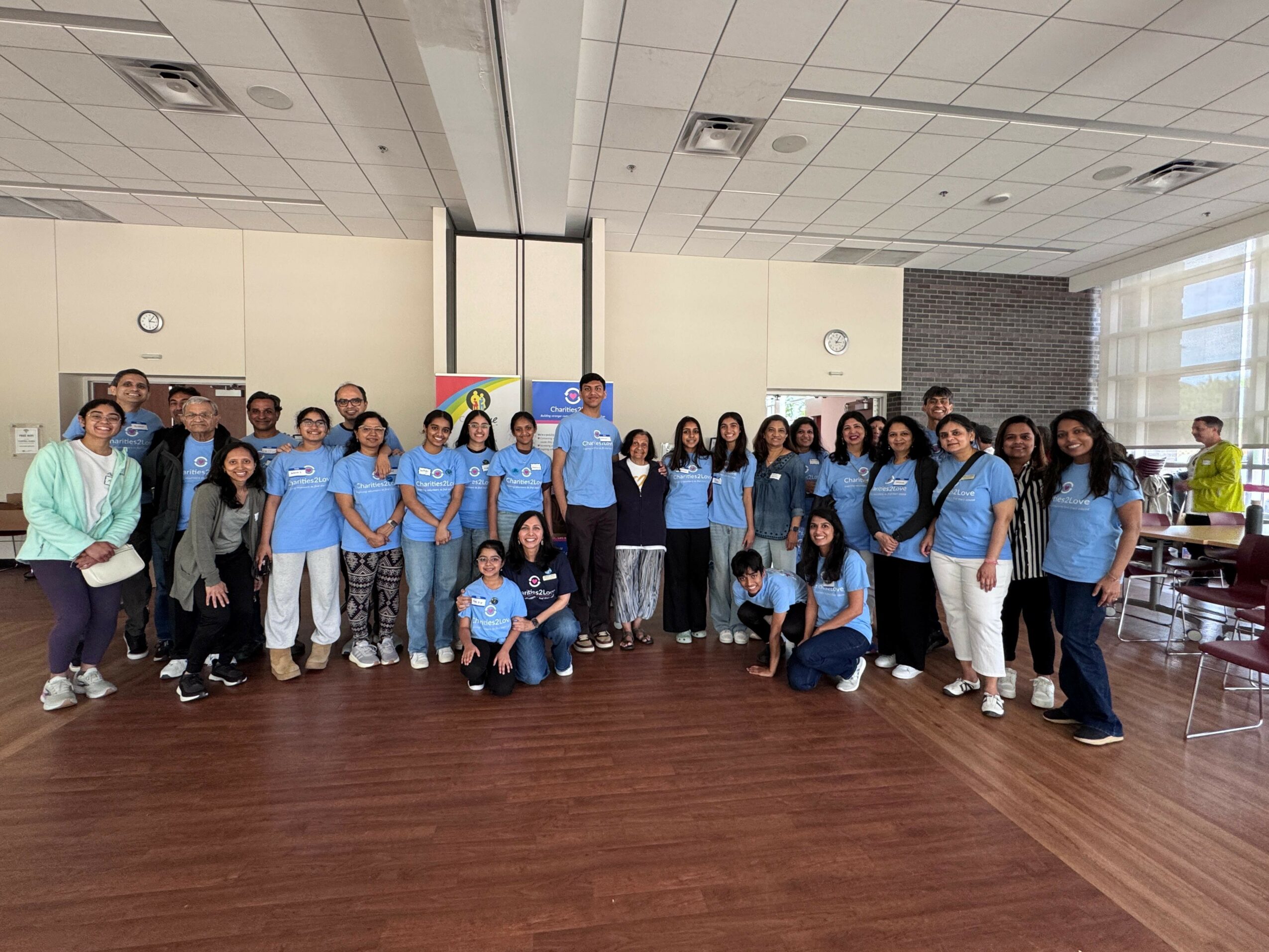
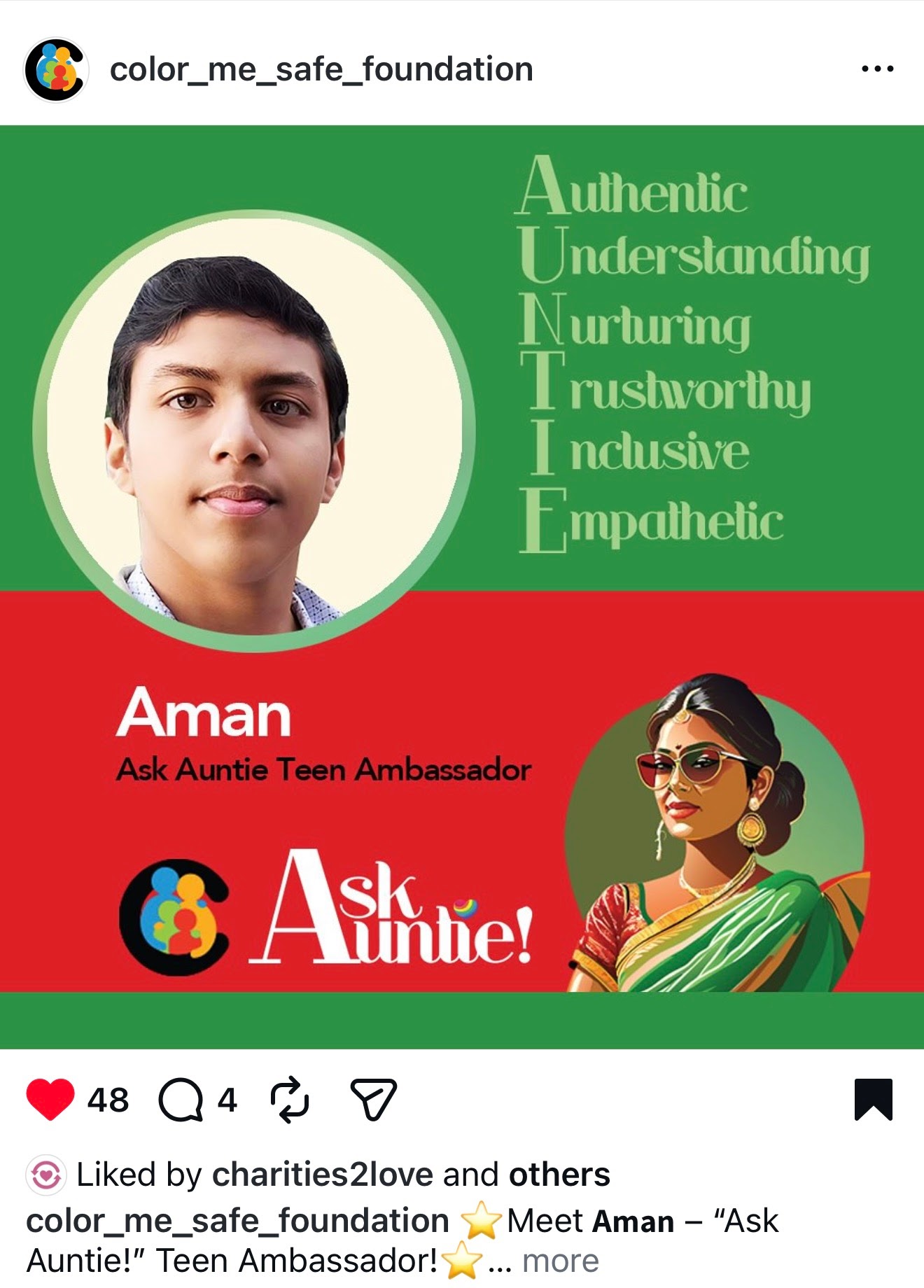
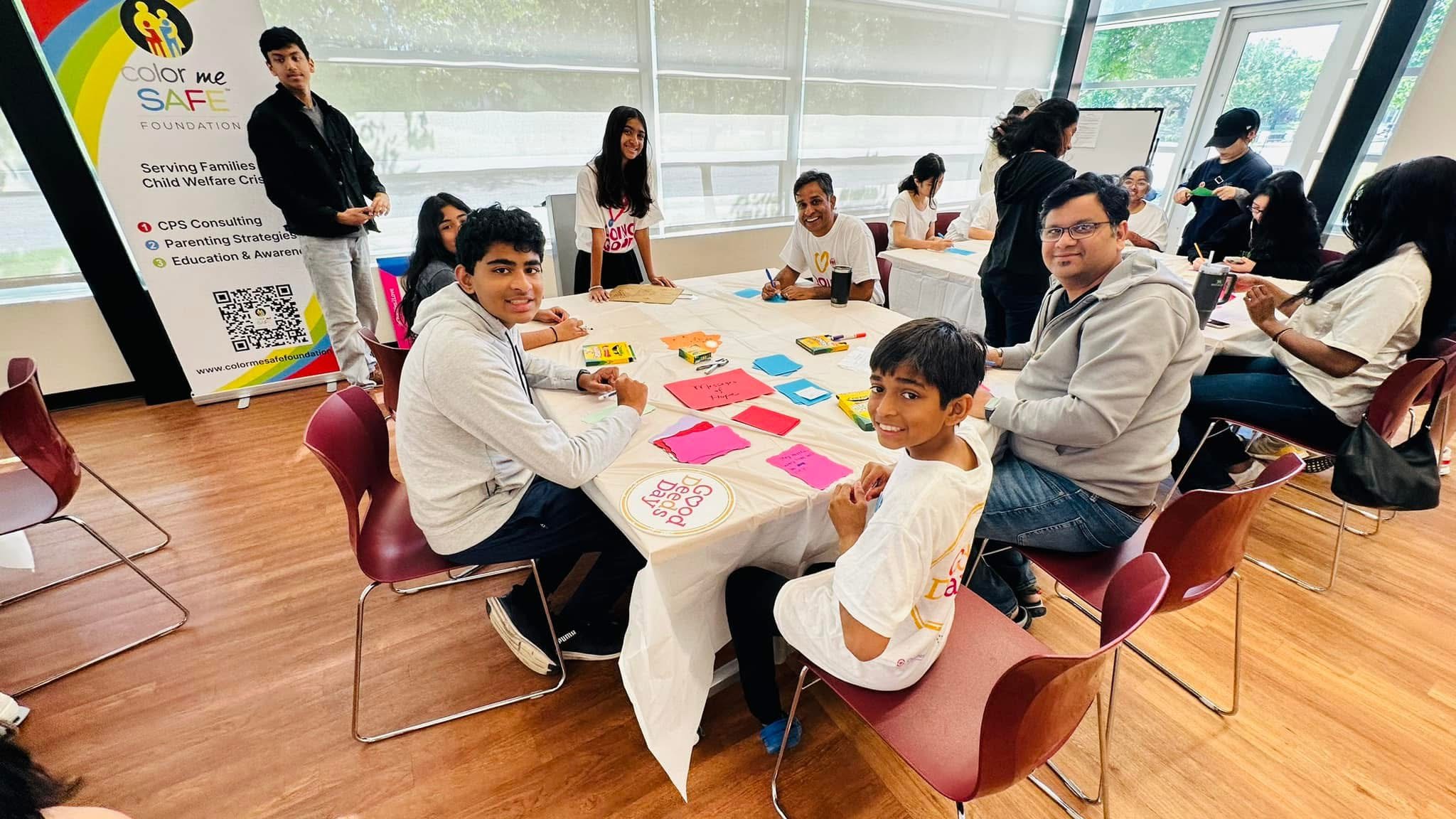
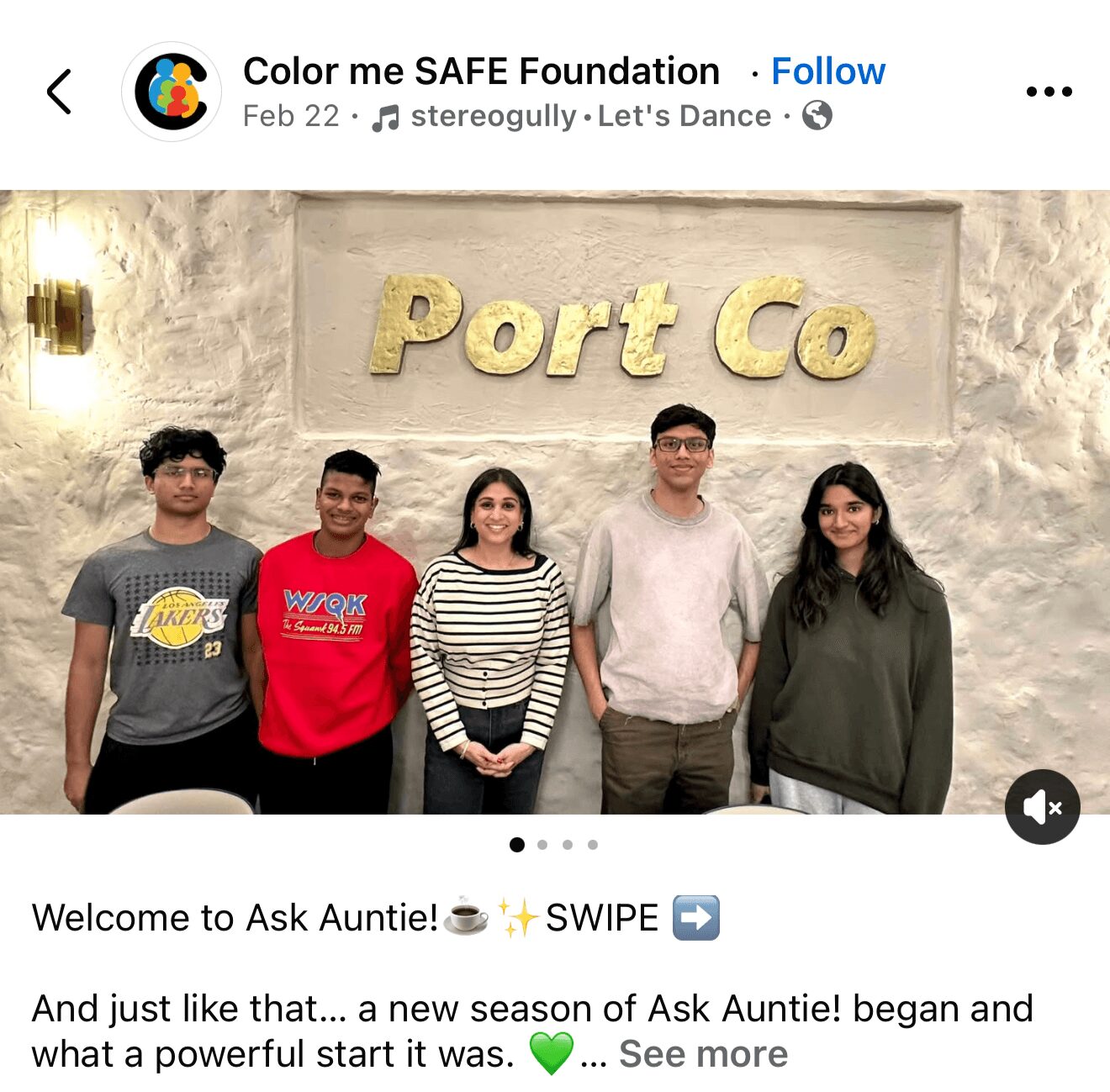
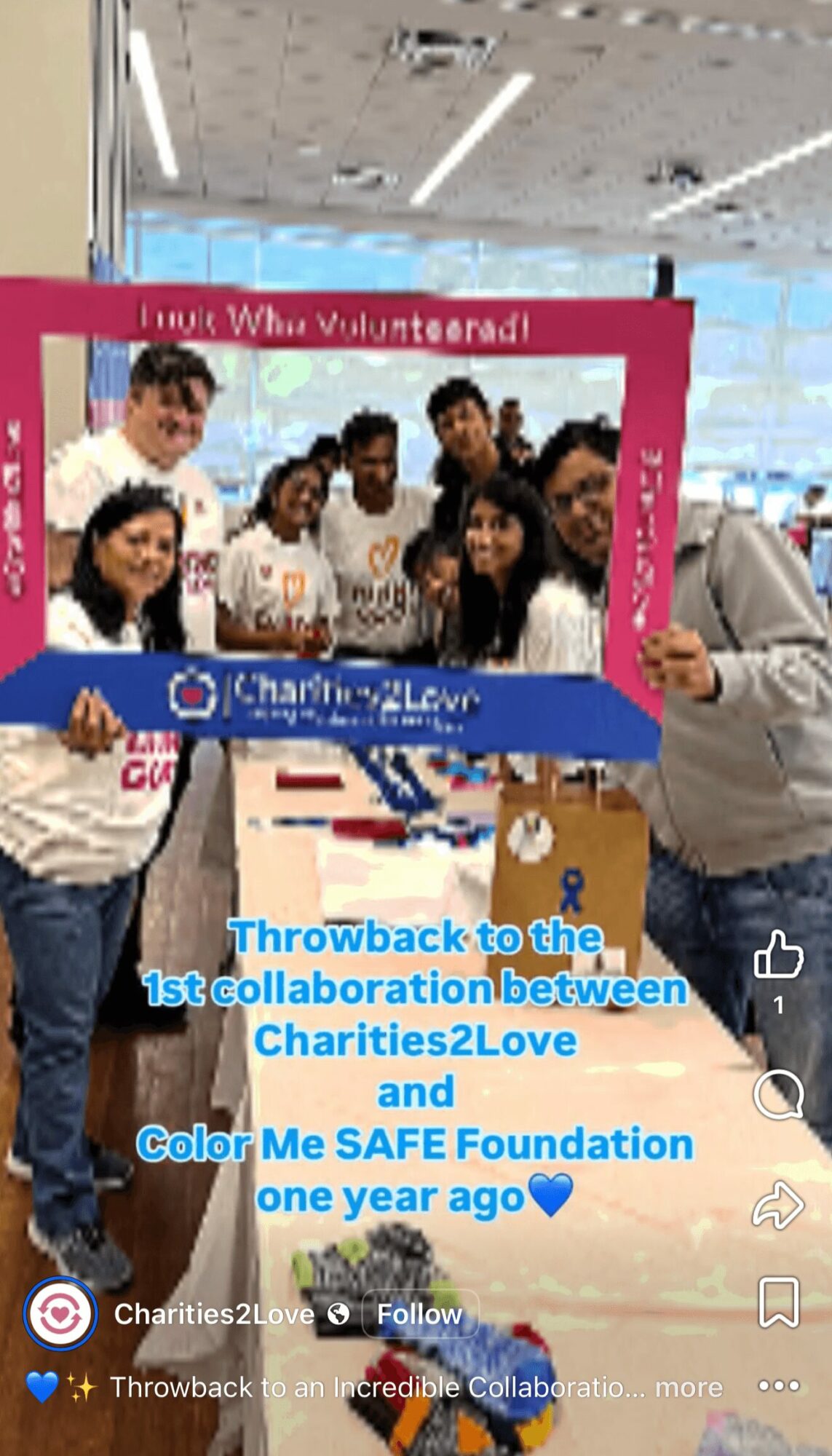
Seeing this, I felt a responsibility to act. I founded the Ask Auntie Initiative in Irving under the ColorMeSafe Foundation as a safe space for youth, teens, and young adults to openly talk about mental health, peer pressure, and the challenges they were facing. It became a place where people could be honest without judgment, while also learning coping strategies and supporting one another through difficult situations.
As I became more involved in these conversations, I wanted to better understand the root of what I was seeing—especially the opioid crisis affecting people my age. I began researching and wrote a paper focused on opioid addiction, not only to raise awareness about its dangers but also to explore solutions. In my work, I examined the development of novel, less addictive opioids, alternatives to naloxone, and even emerging research on opioid vaccines. This experience deepened my interest in both science and public health, showing me how research and community action can work together to address real-world problems.
At the same time, I wanted to address the academic setbacks I saw around me—especially in math. Even though my school didn’t allow sophomores to serve as teacher assistants, I pushed to take on that role for an Algebra 2 class. I worked with over 30 students during and outside of class, including weekends, helping them rebuild confidence in their skills. One student I worked closely with was a foreign exchange student from Uzbekistan who initially struggled not just with math but also with language and adjusting to a new environment. She scored a 40 on her first exam, and I remember how discouraged she felt. We spent hours going over concepts step-by-step, breaking down problems, and building her confidence little by little. Over time, something shifted—she began to believe in her ability. By the end of the course, she earned an A on her final exam. More than the grade, what stood out to me was her transformation: from hesitant and overwhelmed to confident and engaged. Seeing that change reinforced why I stepped into that role in the first place.
From creating spaces for honest conversations about mental health, to researching solutions to the opioid crisis, to supporting students academically, my journey has been shaped by seeing problems firsthand and choosing to take action. Those experiences continue to guide me today as I look for ways to create meaningful impact in my community.
We all face challenges, but looking back would you describe it as a relatively smooth road?
The road has not been smooth. I faced disruptions to my education during the COVID-19 pandemic and the emotional impact of fentanyl-related incidents within my school community. Building the Ask Auntie Initiative required overcoming stigma around mental health and learning how to support others responsibly while balancing my own responsibilities. Academically, researching the opioid crisis and assisting students in Algebra 2—often outside of class and on weekends—challenged me to manage time, advocate for myself, and persevere through setbacks. These struggles ultimately strengthened my resilience and commitment to making a positive impact.
Thanks – so what else should our readers know about your work and what you’re currently focused on?
I am currently a High School Junior, pursuing my passion for research based academics in TAMS, UNT Denton, TX. I enjoy creating spaces for honest conversations about mental health, to researching solutions to the opioid crisis, to supporting students academically and always looking for ways to create meaningful impact in my community.
Networking and finding a mentor can have such a positive impact on one’s life and career. Any advice?
My biggest advice is to start by showing genuine curiosity and initiative. The mentors I’ve connected with were people I already interacted with—teachers, nonprofit leaders, and adults involved in the work I cared about. Instead of asking for mentorship directly, I asked thoughtful questions, followed up on conversations, and looked for ways to contribute. Over time, those relationships naturally grew into mentorship.
What worked well for me was being intentional and proactive. Whether it was advocating for a role as a teaching assistant or reaching out to people aligned with mental health and public health work, I focused on building real connections rather than transactional networking. Being consistent, respectful of others’ time, and open to learning made people more willing to support and guide me.