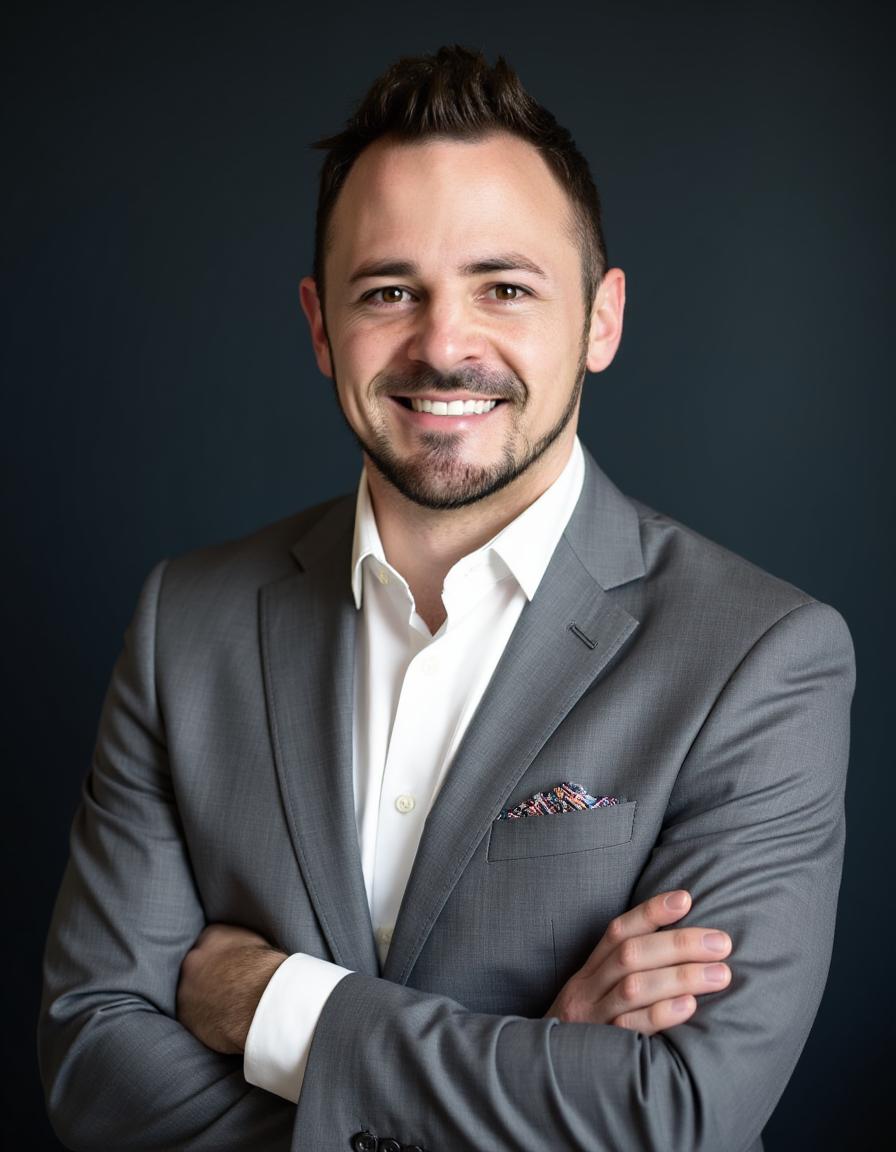






Today we’d like to introduce you to Austin Kimbell.
Austin, we appreciate you taking the time to share your story with us today. Where does your story begin?
I grew up in Jackson, Georgia on 100 acres. Small town. Loved sports. Loved competing. I just wanted to make an impact and help people. In college, I remember thinking it was time to “get ahead.” I didn’t know what that meant. I just knew I didn’t want to fall behind.
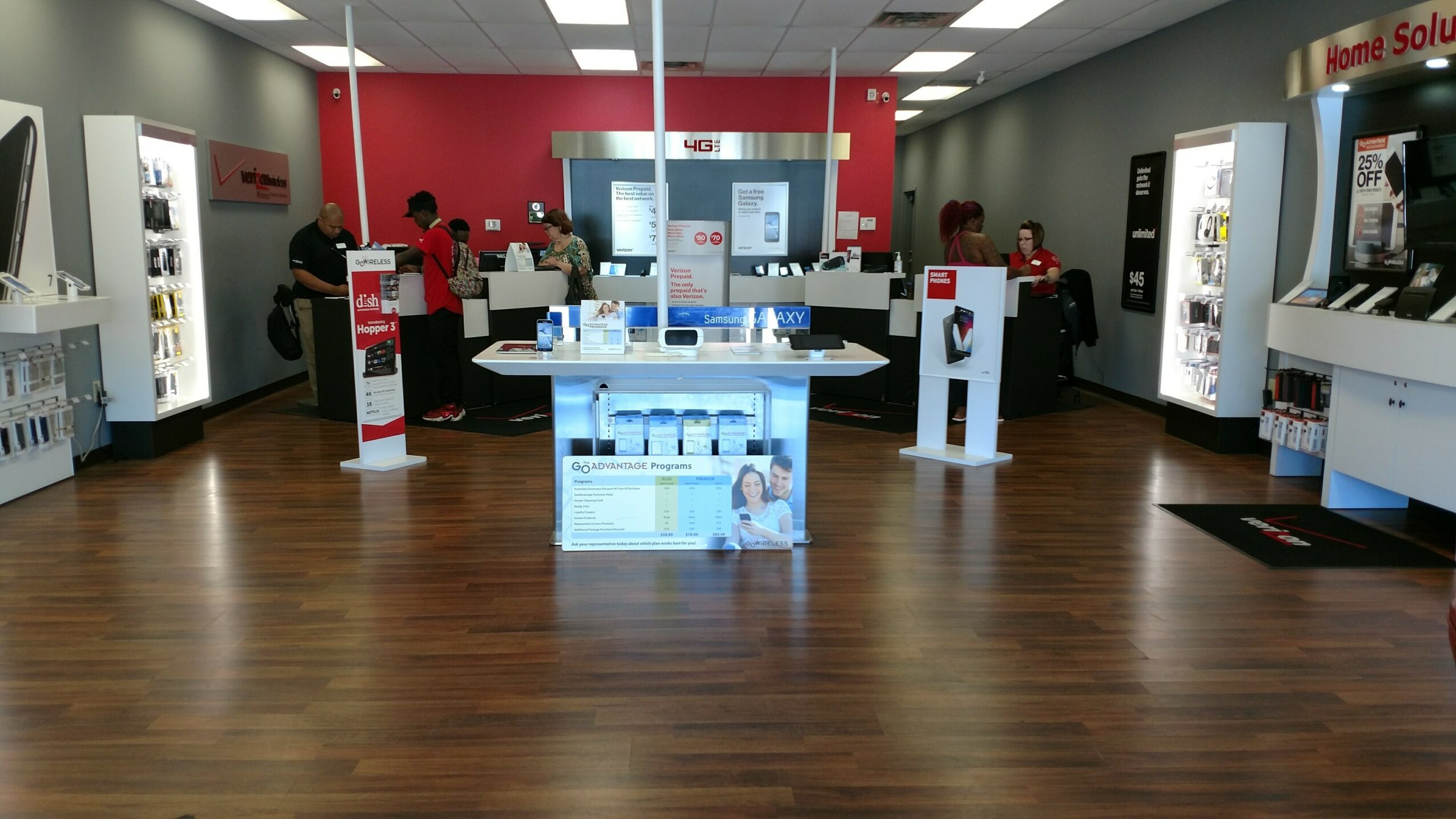
About a month after a failed interview, several people quit at a Verizon store, and I got the callback. I started in sales at 19 while finishing my bachelor’s in business management. I didn’t have a career plan in retail. I needed a job and Verizon was hiring.
Within a year I was managing a store in Barnesville. Profit went up 125%. I got moved to open a new location in Eatonton. Then I got sent to run the largest Verizon store in Georgia, in Warner Robins. Every time I got handed a problem, I solved it the same way: building systems. Not by working harder. By making the work repeatable and measurable.
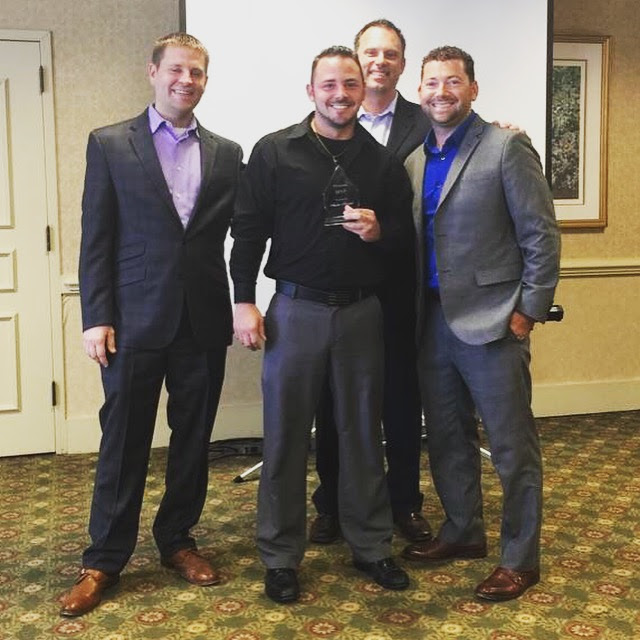
By 23 I was a District Manager, sent to Texas to turn around a struggling market. I did it in 11 months. Then I became Sales Director over 30+ stores across Texas and Georgia. Over that stretch, the franchise I was part of went from 3 stores to 60. It sold for over $30 million.
After that exit, I joined Wireless M and did it again on a smaller scale. Took a 5-location franchise to 12 in just over a year. Standardized operations, built a sales training program, grew revenue 49% year over year. That company sold too.
The pattern was clear. I was good at taking something messy and making it work. But I was also getting frustrated by how much of the work depended on me personally. Every time I left a role, things would start to slide. The systems I built were good, but they weren’t self-sustaining.
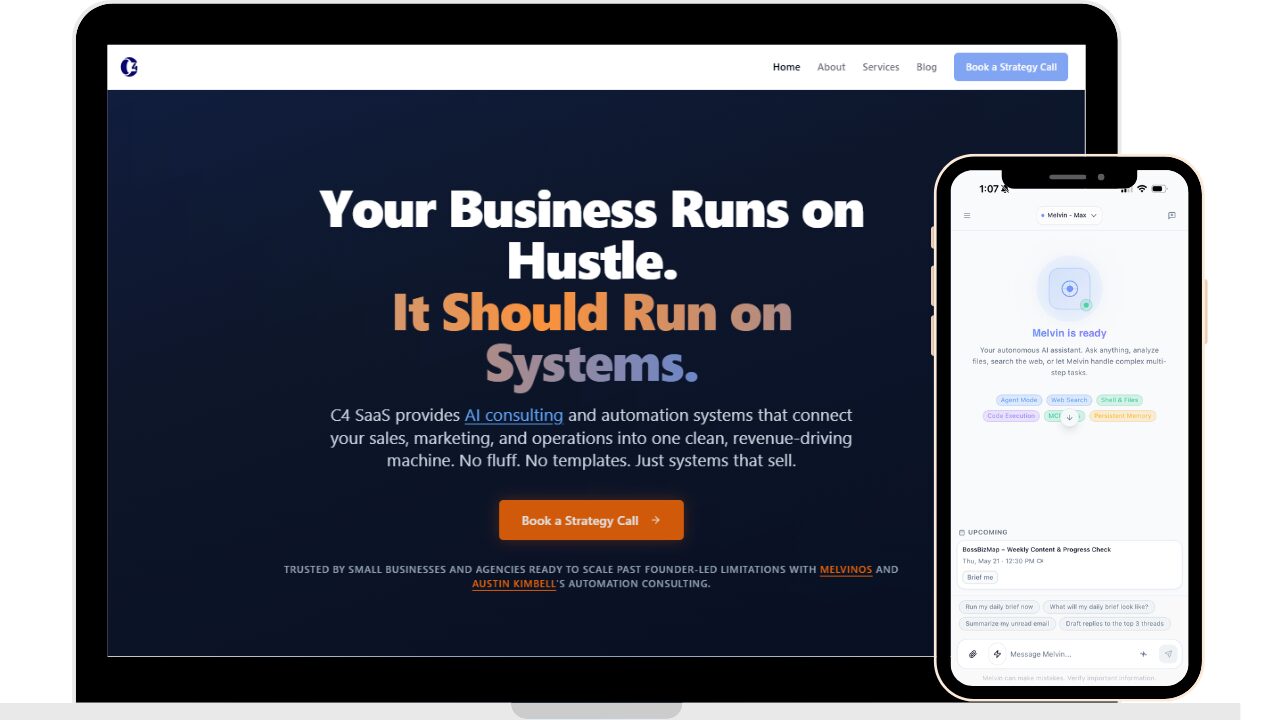
That’s what led me to start C4 Payments in 2020. It started as a payments company, but it evolved into what I actually cared about: helping the small business owner get the same opportunities as the enterprise leaders by building systems that run without you. We moved into automation, then AI. Now C4 SaaS builds AI and automation infrastructure for agencies and local service businesses. We help them do what I did in retail, but faster and with software instead of sweat.
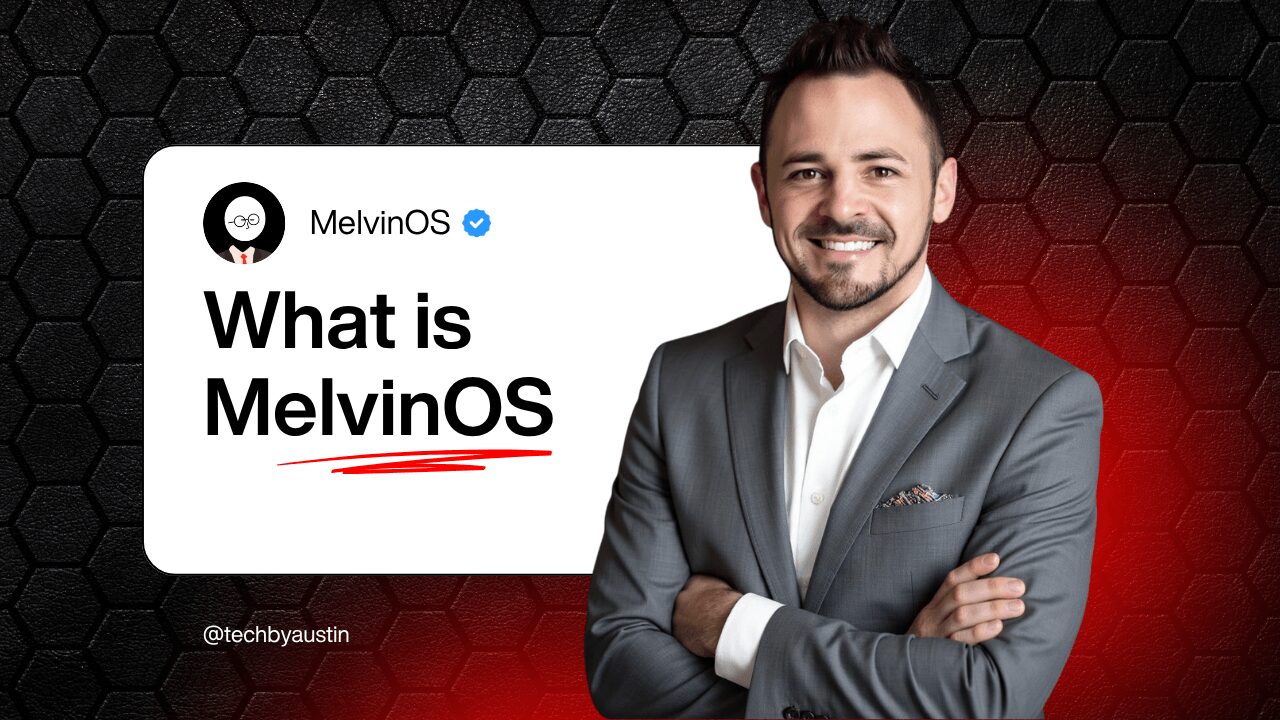
The next evolution has been MelvinOS. I built it because I needed a Chief of Staff that could manage the daily repeatable items while also delegating crucial tasks to my team. I was running C4 SaaS and advising at Virsyn, where I’m CTO, and I was spending too much time on things that didn’t require my judgment. Email triage. Follow-ups. Scheduling. Data entry. So I built an AI agent that could handle those tasks autonomously, with the context and authority to actually execute. MelvinOS is what I wish I had during those years running 60 stores.
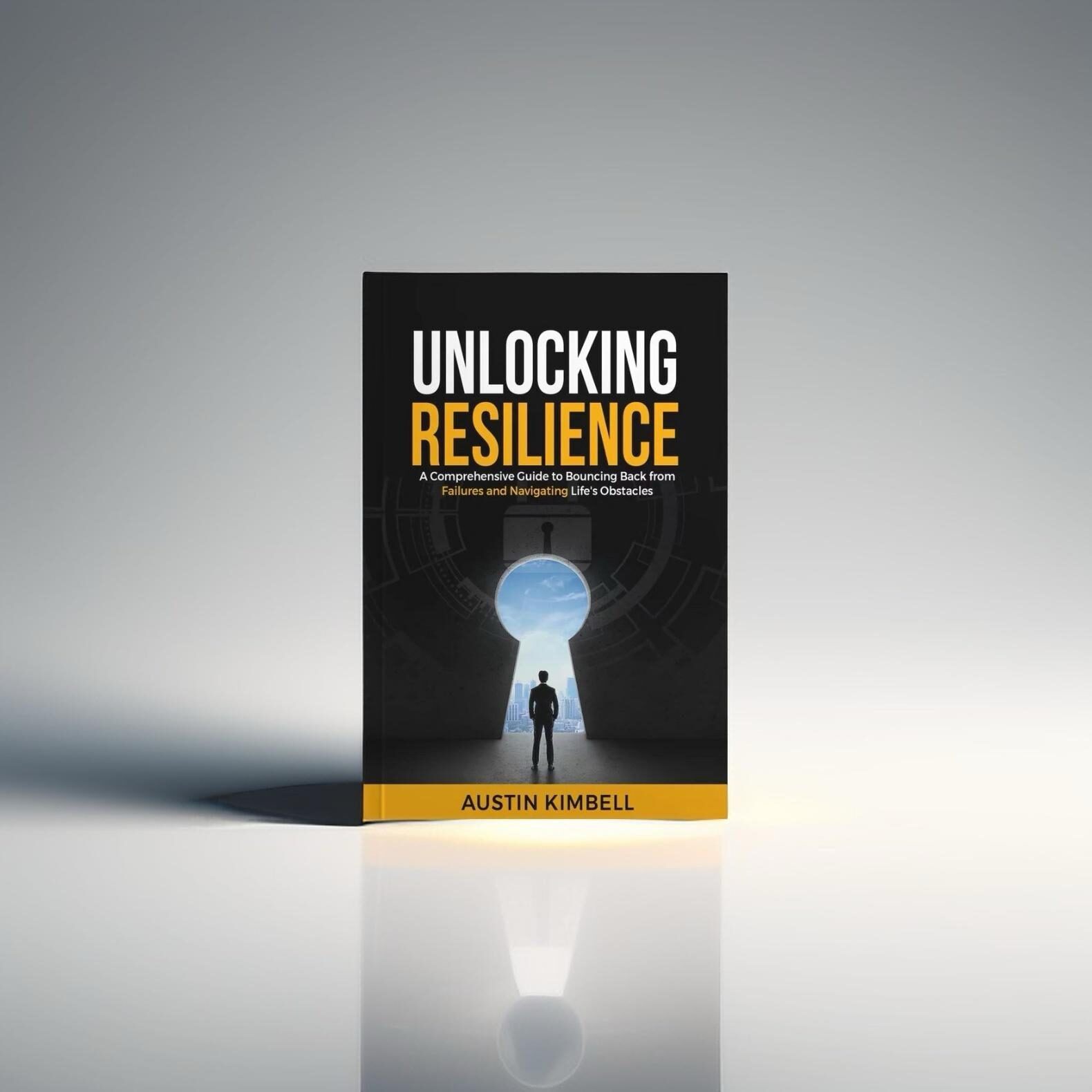
During the pandemic, I wrote my first book, Unlocking Resilience. It was a tough time for everyone. Transitioning to a world that was not open. Mentally tough for millions of people not being able to live their old norm and create a new one. Writing it helped me remind myself who I was through difficult times, and my goal was to share the same with others: a simple playbook to get back on track through tough times.
Now we’re building The Engineered Leader, a course that teaches the same principles I used to scale businesses: reduce, simplify, standardize, make repeatable.
I live in Dallas with my wife and two kids. Every company I’ve built traces back to the same idea: if you have to be in the room for the business to work, you don’t have a business. You have a job. I build systems so the business works without me.
Can you talk to us a bit about the challenges and lessons you’ve learned along the way. Looking back would you say it’s been easy or smooth in retrospect?
No. Smooth roads don’t build anything worth keeping.
The first challenge was age. I was managing stores at 20, running a district at 23. Walking into rooms full of people who had been in the industry longer than I’d been alive. Some respected the results. Others resented the person delivering them. I had to learn that competence doesn’t automatically earn trust. Consistency does. I stopped trying to prove I deserved the role and just kept producing until the questions stopped.
The franchise exit was a high point financially, but it was also a reset. When you spend years building something and then it’s gone, you have to figure out who you are without the title and the team. I went from overseeing 60 stores to starting over.
After leaving Verizon, I started C4 Payments. Early on, we did well. But we made a series of bad investments that put the business $400,000 in debt. That’s the part people don’t talk about. You see the exit, the revenue, the growth. You don’t see the sleepless nights. The nights I woke up and couldn’t breathe from the stress. The mornings I didn’t know if we’d make it another month.
I’d had success early. I’d never had that one failure moment you always hear about. The moment where everything falls apart and you have to decide who you are without the wins. When it finally came, it nearly broke me. I wanted to give up more times than I can count.
But I realized something through it. Failing isn’t the end. It’s information. It forces you to think more strategically, to consider possibilities you were too comfortable to see before. And even when you can’t see the path, you take one step. You stop. You plan. You execute. Then you take another step.
My wife Shireen was the reason I made it through. She pushed me when I wanted to quit. She held me accountable when I wanted to hide. She admired my tenacity but hated what it put us through, and she was right to feel both. It almost cost us our relationship. It almost cost us everything we owned. My health declined, mentally and physically. I was running on fumes and stubbornness.
After two years of grinding through it, we got the business back to less than $30,000 in debt and profitable again. It shouldn’t have taken that long, but it did, and I own every bit of that.
The hardest part wasn’t the money. It was looking at my kids and knowing they were watching. They didn’t understand the debt or the stress. They just saw their dad. The choice was simple after that. Be better, make it work, or fall and never come back. I chose the first one.
That experience is why I wrote Unlocking Resilience. I wanted to give people something I didn’t have during those nights. Not motivation. Not hype. A framework for when everything falls apart and you still have to show up tomorrow.
Every obstacle I’ve faced traces back to the same root: I was trying to do too much myself. The solution was always the same. Build a better system so you don’t have to. But the $400K lesson was different. That one taught me that even the best systems can’t protect you from every bad decision. What they can do is give you a foundation to rebuild from when you make one.
Thanks for sharing that. So, maybe next you can tell us a bit more about your business?
C4 SaaS is an AI and automation company. We build systems that help agencies and local service businesses scale without breaking. Our core platforms are MelvinOS, an AI-powered operating system that runs your business operations, communications, and client delivery, and Virsyn.ai, where I serve as CTO, focused on AI for client acquisition, onboarding, and retention.
What sets us apart is that we’ve lived the problem. I’m not a theorist. I’ve been the operator drowning in manual work, the founder who hit a wall and couldn’t figure out how to grow without burning out. Everything we build comes from that experience.
Our framework is simple: reduce, simplify, standardize, make repeatable. We don’t sell complexity. We eliminate it. Our Brand Voice Architecture product takes a founder’s voice and turns it into a system, so their brand sounds like them at scale, not like a chatbot.
I’m most proud that we’re building tools I wish I had during the hard seasons. The exit was great. But what we’re creating now is what actually matters.
What do you like and dislike about the city?
My favorite part of Dallas and DFW as a whole is the people and the opportunity. Great people create great opportunities. Dallas has a foundation of people who built this area into what it is today. Now, now we’re working to continue that for the next generation, our kids.
I love that I can travel an hour in any direction and find great food, places to visit, and adventures for my family. Historic downtown. Aquariums. Arcades. Some of the best food you could ask for. It’s something to see a city thrive and watch different cultures succeed together as one city.
My least favorite thing isn’t specific to Dallas. It’s true everywhere. Not making sure every person has and knows about a resource they can leverage to get the same chance as the next person. If everyone can get the opportunity to succeed and let their decisions be the defining factor, good or bad, that’s on them. But too many people don’t know where the resource is, how to get to it, or that it even exists. If we can bridge that gap, not just here but everywhere, we’ll see improvement one day at a time.
Pricing:
- Brand Voice Architecture — $997. Your voice, delivered. We interview you, extract your brand voice, audience profile, and content system in one session.
- C4I Operating Architecture (GHL Snapshot) — Starting at $497 (snapshot only). Full setup: $2,497.
- MelvinOS Setup — $4,997. Your AI-powered chief of staff, configured to your business. Your serve, your data, your privacy.
- Consulting — $125/hr. Monthly retainers available.
- Custom Software Development: Reach out to one of our team members
Contact Info:
- Website: https://c4saas.com
- Instagram: https://www.instagram.com/c4saas
- Facebook: https://www.facebook.com/c4saas
- LinkedIn: https://www.linkedin.com/in/austinkimbell/
- Youtube: https://www.youtube.com/@techbyaustin
- Other: https://austinkimbell.com