





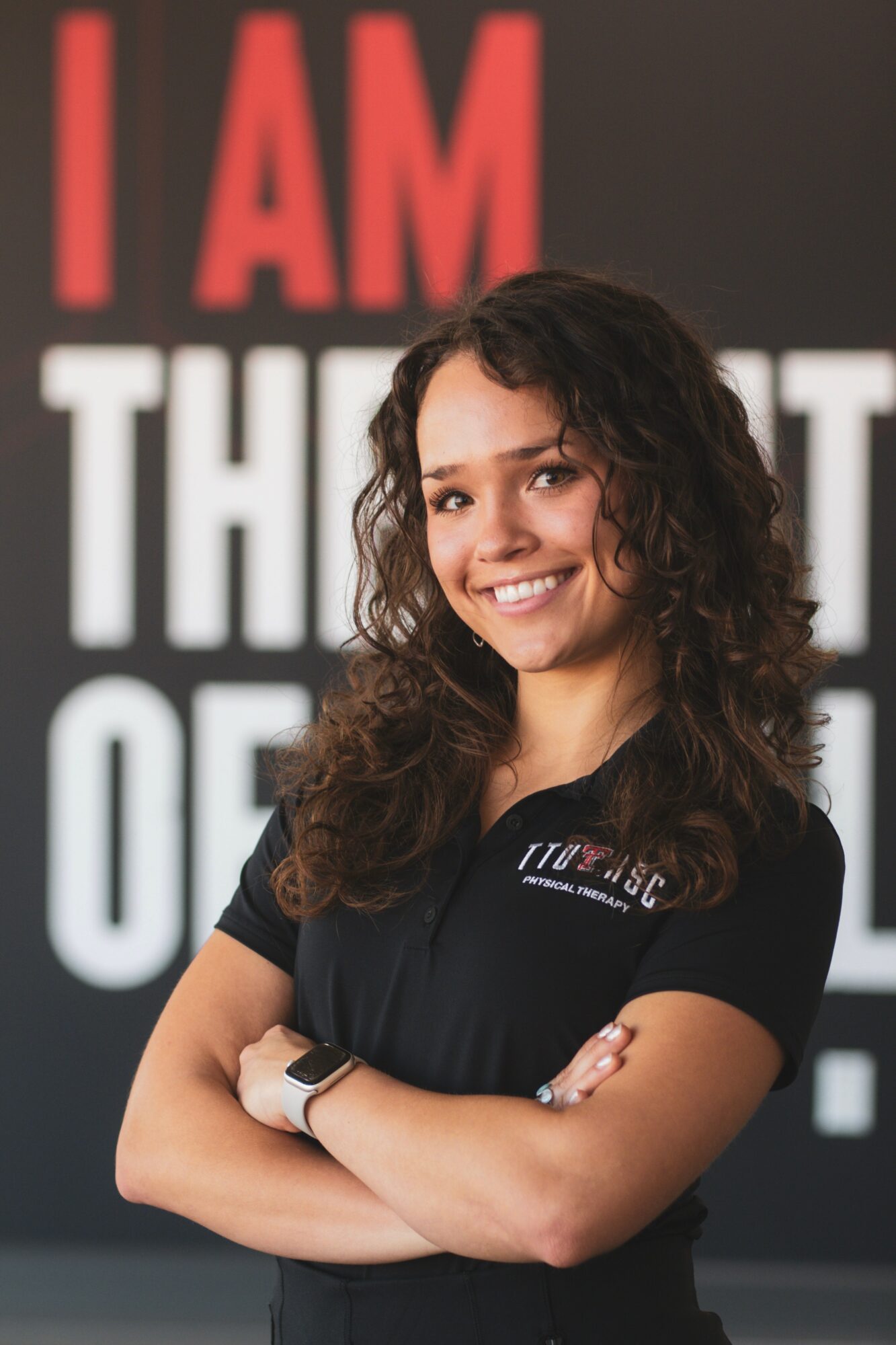
Today we’d like to introduce you to Callie Rae Floyd.
Hi Callie Rae, please kick things off for us with an introduction to yourself and your story.
I’ve always believed movement is medicine, even before I had the words to explain why. I grew up dancing in Texas and spent most of my childhood in studios, rehearsals, and performances. Movement quickly became more than a hobby for me; it became how I expressed myself, processed emotions, and felt connected to who I was.
Everything changed when I was in middle school and broke my arm after a long day of dancing. What initially seemed like a simple injury turned into years of complications. My arm had to be reset multiple times, have a rod placed through the radius, and during that same period I experienced a major growth spurt while continuing to dance and carrying a heavy cast and sling on one side of my body. Eventually, I was diagnosed with severe scoliosis and told I would likely need a full spinal fusion and may never dance again.
At fourteen years old, this news caused my world to come crashing down.
My family and I refused to believe surgery was my only option. After a lot of research, we found the Schroth Method: a specialized form of physical therapy for scoliosis. For four years, my parents drove me hours to appointments while I wore a back brace nightly, continued dancing, and committed myself fully to rehabilitation. Slowly, my spinal curves improved enough that I was no longer considered a surgical candidate.
That experience completely changed the trajectory of my life.
My physical therapists didn’t just help heal my body, they gave me hope and helped me see how powerful movement and human connection can be. From that point on, I knew I would become a physical therapist.
I went on to attend Brigham Young University, where I worked as a PT aide, teaching assistant for the dance department, and lead research assistant for the Strong Youth Project. This is where my love for movement as medicine and helping athletes return to the sports they love grew. I graduated last May with a degree in dance and a minor in gerontology. Today, I’m pursuing my Doctor of Physical Therapy degree at Texas Tech University Health Sciences Center while also working as a Pilates instructor, personal trainer, and group fitness coach. I’m especially passionate about sports medicine, scoliosis rehabilitation, and helping people find confidence in their bodies.
Along the way, I also started sharing my journey online through social media. What began as a way to document PT school and encourage others has grown into a platform where I get to educate, connect, and hopefully remind people that healing isn’t just about the physical body, but is about finding joy in the journey.
At the core of everything I do, I am grounded by the belief that movement is medicine. My hope as I continue to pursue my vocation as a physical therapist is to teach my patients, and all I interact with, that they are capable of far more than they think and to pursue their goals and dreams!
Would you say it’s been a smooth road, and if not what are some of the biggest challenges you’ve faced along the way?
It definitely hasn’t been a smooth road, but I think that’s part of what shaped me into who I am today.
Physically, dealing with scoliosis as a teenager was incredibly difficult. Dance was such a huge part of my identity, so being told I may never dance again felt like losing a piece of myself. There were years filled with appointments, pain, back braces, uncertainty, and moments where I questioned whether all the work would actually pay off.
Academically and personally, pursuing healthcare has also come with challenges. I’m the first person in my family to pursue graduate school and a healthcare career, so navigating the path to becoming a physical therapist often felt unfamiliar and overwhelming. PT school is demanding mentally, emotionally, physically, and financially. Balancing classes, labs, studying, work, leadership roles, and maintaining some sense of personal life can be exhausting at times.
There have also been moments of self-doubt. Social media can make it look like everyone else has everything figured out, but behind the scenes there are a lot of long nights, sacrifices, and growing pains that people don’t always see.
At the same time, those struggles taught me resilience, empathy, and perspective. Going through my own rehabilitation gave me a much deeper understanding of what patients experience emotionally, not just physically. It’s also taught me that healing is rarely linear. Growth often happens slowly, quietly, and through consistency.
Looking back now, if someone asked me to do it all again, I wouldn’t change a thing. The hardships I faced shaped me into who I am today, and without them who knows where I would’ve ended up. God knew exactly what I needed to face to be shaped into the vision he had in store for me. My trials gave me purpose and helped me discover what I’m meant to do, and I wouldn’t have it any other way.
As you know, we’re big fans of you and your work. For our readers who might not be as familiar what can you tell them about what you do?
Right now, I’m a second year Doctor of Physical Therapy student, Pilates instructor, personal trainer, group fitness coach, and content creator. My work centers around movement, rehabilitation, education, and helping people feel empowered in their bodies.
I’m especially passionate about sports medicine, dance medicine, scoliosis rehabilitation, and bridging the gap between rehabilitation and performance. Because of my own background as both a dancer and scoliosis patient, I understand firsthand how emotional and identity-shaping injuries can be. My long-term goal is to pursue a residency in sports medicine, become Schroth certified, and work with athletes, dancers, and individuals to return to the activities they love.
Alongside school, I teach Pilates and fitness classes and create educational and humorous content online about physical therapy, movement, injury prevention, and life as a PT student. One of my favorite things is helping spread awareness of the PT profession, the struggles of grad school, and movement education.
What I’m most proud of is the fact that I turned one of the hardest experiences of my life into something meaningful that can hopefully help others. The younger version of me who sat in a doctor’s office terrified about her future would never believe she’d grow up to become a future physical therapist helping others navigate similar challenges.
I also think what sets me apart is my perspective. My background in dance taught me to appreciate movement not only scientifically, but emotionally and artistically. I’ve experienced rehabilitation as a patient before ever stepping into the role of clinician, so I understand both sides of the process. To me, physical therapy is about much more than exercise; it’s about restoring confidence, hope, identity, and quality of life.
While my patients may forget exactly what I say, they’ll always remember how I made them feel. That human connection is something I hope always remains at the center of my work.
Is there something surprising that you feel even people who know you might not know about?
I think one surprising thing is that despite being very outgoing online and in leadership roles now, I’ve actually struggled a lot with self-confidence and fear of not being good enough.
People often see my polished moments of PT school, fitness instruction, social media growth, and leadership positions. However, people never saw the moments I doubted myself deeply because of my injuries and limitations. For a long time, I viewed my scoliosis as something that made me weak or different.
Ironically, the thing I once saw as my greatest weakness became one of my greatest purposes and strengths. I feel so deeply interconnected with the body, understanding how movement can make us stronger and more efficient, and now use that same knowledge to help others find confidence in their bodies.
Another thing people may not realize is how much creativity shapes the way I approach healthcare. Because of my dance background, I see movement as a way to connect deeper to oneself. I love finding ways to make rehab feel expressive, individualized, and empowering instead of clinical, repetitive, or intimidating. That mindset influences everything from how I teach Pilates to how I hope to treat patients one day.
At the end of the day, I’m still just a girl who loves movement, loves people, and wants to help others recognize their fullest potential!
Contact Info:
- Instagram: https://www.instagram.com/callierae_spt/
- Facebook: https://www.facebook.com/profile.php?id=61563185781408
- LinkedIn: https://www.linkedin.com/in/callieraefloyd/