





Today we’d like to introduce you to Dylan Davidson.
Hi Dylan, thanks for joining us today. We’d love for you to start by introducing yourself.
The first time I picked up a camera was for the 4-H photography contest when I was about 9 or 10 years old. My grandmother had a older Nikon camera and we spent a week traveling around our family ranch taking photos and then spent another week in Lake City Colorado taking photos of old abandoned mines, wildlife, landscapes and several other subjects. To this day I still have the prints of those first photos which include my grandfather milking cows, an old abandoned house and some of our cattle. After that, I really did not pick up a camera again until I was in college. My mom bought me my first camera, a Canon T6, while I was doing an internship in Washington, D.C. and it quickly became something I brought with me everywhere. That experience peaked my interest in photography so when I came back to Texas Tech University, I took the first photography class available to me which was Dr. Lindsay Kennedy’s summer class. In that class we spent about a week learning the basics of cameras, photography and editing then set out for 2 weeks into New Mexico photographing the western lifestyle and landscapes. That course was focused on “hands-on learning” in the field which I gravitated to vs. the traditional classroom setting. Next semester I took Dr. Erica Irlbeck’s introductory videography class and was immediately hooked. After working on my photo and video skills, I got the opportunity to take Texas Tech’s Adventure Media class under Dr. Jerod Foster and Dr. Justine Keene. The Adventure Media class was another hands-on learning experience where, throughout the semester, students create content while bikepacking. We spent the semester learning more about storytelling, commercial content and getting in shape for a week-long bikepacking trip into the Big Bend Ranch State Park where we would collect content for clients as well as promoting the class. Unfortunately, COVID canceled that week-long trip into Big Bend but after that course I knew I wanted a career in the outdoors and behind the camera.
I spent the rest of my undergraduate and graduate education at Texas Tech University doing freelance photo and video projects for various groups and individuals. During graduate school I even got to teach the same introductory videography class I had taken a few years before as well as being a graduate assistant for the Adventure Media course. Helping teach those courses are still some of my favorite memories of my time at Texas Tech.
After grad school, I moved to Bozeman Montana to work for the Montana Farm Bureau Federation as their digital comms specialist, continuing to work behind a camera and capture the stories of Montana’s farmers and ranchers. I continued to do some freelance projects while in Montana, and even started selling prints of wildlife and landscape photos I captured while backpacking or bikepacking throughout Montana. I spent roughly 3 and a half years in Montana before I moved back home to Texas to work for the American Paint Horse Association (APHA) as their Director of Marketing and Creative Design. I’ve been with APHA for two years now, still working behind the camera and sharing stories of our members and their paint horses across the nation.
I’m sure it wasn’t obstacle-free, but would you say the journey has been fairly smooth so far?
I think you can ask that question to a million different photographers and videographers and get a million different answers. I personally don’t think a career behind the camera is ever a smooth road. To get into the industry you typically have to work for free to build up a portfolio and hone your skills someone is willing to pay for your creativity. Even once you start getting paid for it, there is always someone out there who has better gear or better access than you.
Personally, I struggle with imposter syndrome almost daily in this industry and I would wager a lot of creative people struggle with it as well. No matter what I create, I often feel there is someone out there who can do it better than me, but while I struggle with it I also use it as a motivator. That feeling is what drives me to stay on top of current trends, new technology and drives me to constantly be looking for a new creative angel to shoot from.
Alright, so let’s switch gears a bit and talk business. What should we know about your work?
As the Director of Marketing and Creative Design for APHA, I tend to wear a lot of hats. In my postion, I’m responsible for the marketing strategies for APHA and helping tell the stories of our members and our horses. Our team develops all the marketing strategies for APHA, Marked for Greatness Properties, APHA’s horse shows, the American Paint Horse Foundation, shows we are sponsoring and several other responsibilities.
My marketing approach has always been a “digital first” and “content is king” strategy. I feel that a good marketer should be able to collect and share content efficiently across any digital channel wether it is social media, email, website, digital ads, etc…
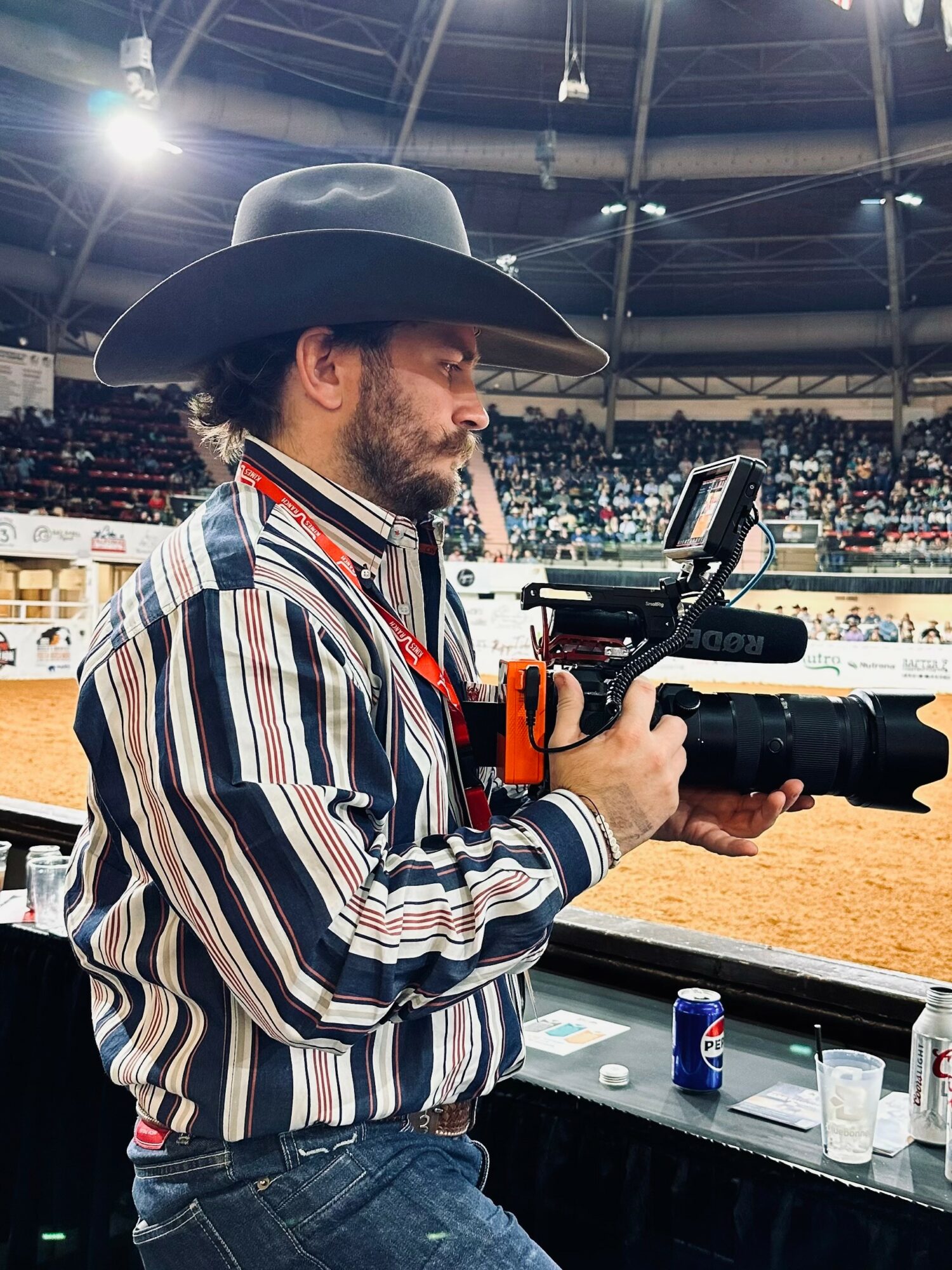
Early on in my career I started to specialize in videography and gained a reputation of someone who not only can collect great content, but can also edit quickly and efficiently for almost any content medium.
I think what I’m most proud of as far as my professional life is concerned is we’ve built a quick and efficiently creative team here at APHA. We are often highly regarded in our industry for our creative content and our members loves what we produce.
Before we let you go, we’ve got to ask if you have any advice for those who are just starting out?
I would tell anyone starting in the content creation industry is to not lock in on photographing or videoing one industry. In my experience people tend to stick to one industry (for example rodeo photography) and never really go past that. I believe part of my personal and professional success is I’ve been willing to create content for everything that interests me. I collect content of rodeos, horse shows, landscapes, wildlife, outdoor recreation and several other subjects because I don’t want to limit myself to just one subject. I think working in several different industries not only expands your portfolio, but you can learn creative styles in one and apply it to another.
Also to just give yourself time, no one ever became a professional photographer or videographer overnight. It took years and several mentors for me to get where I’m at, and I still seek out new opportunities or advice to continue honing my skills.
Contact Info:
- Instagram: https://www.instagram.com/dylansdavidson/
- Facebook: https://www.facebook.com/dylan.davidson.967/
- LinkedIn: https://www.linkedin.com/in/dylan-davidson-97627b172/
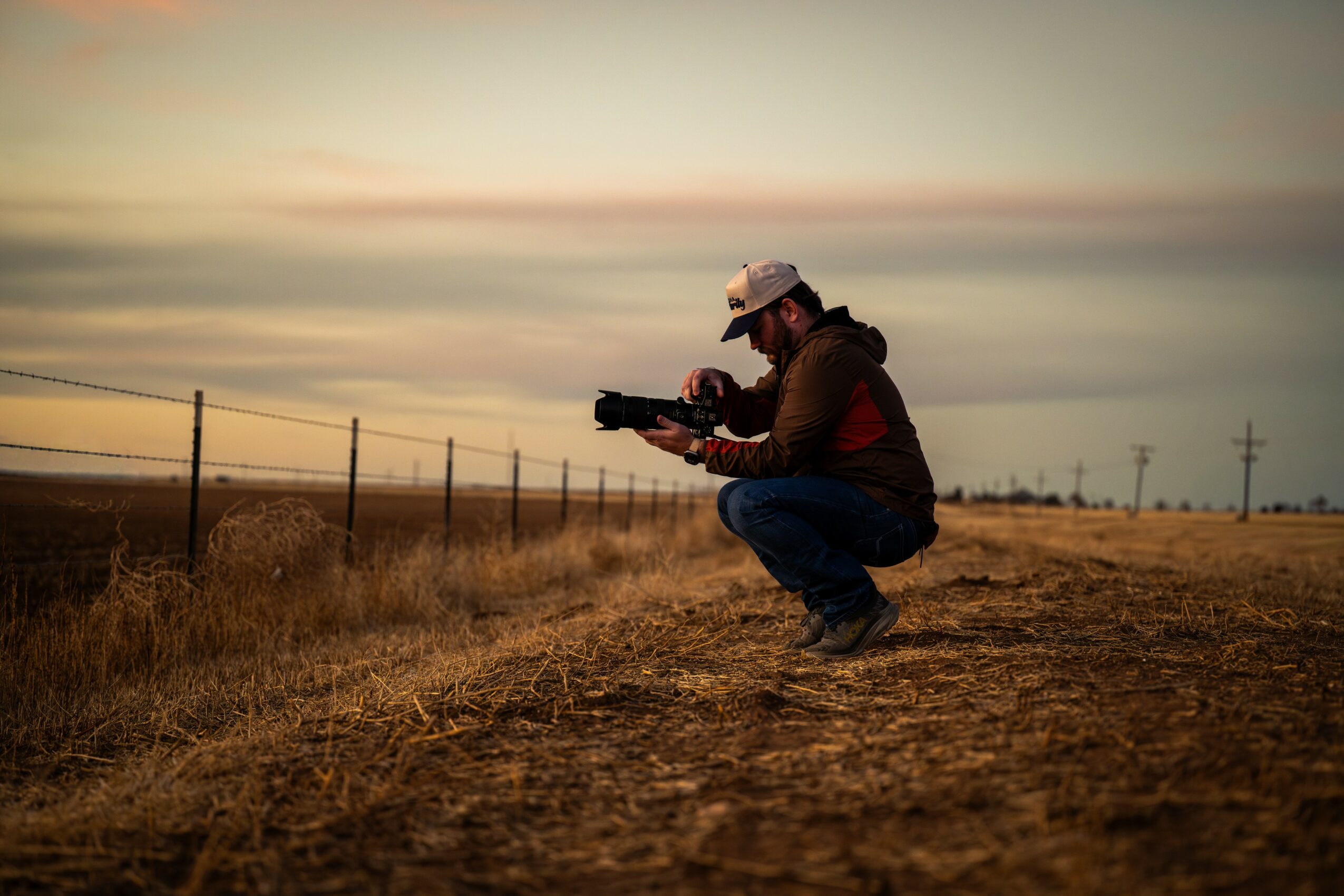
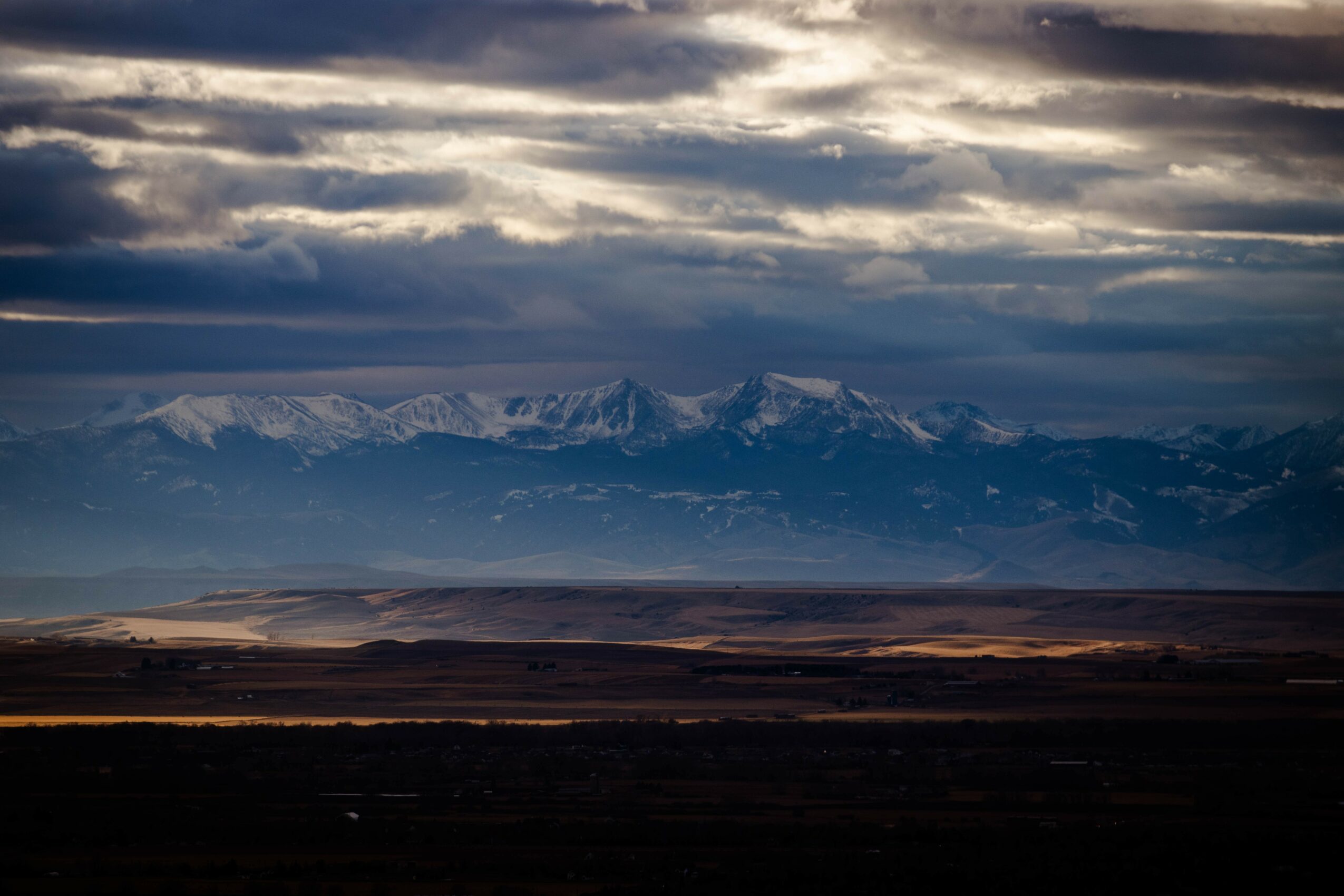
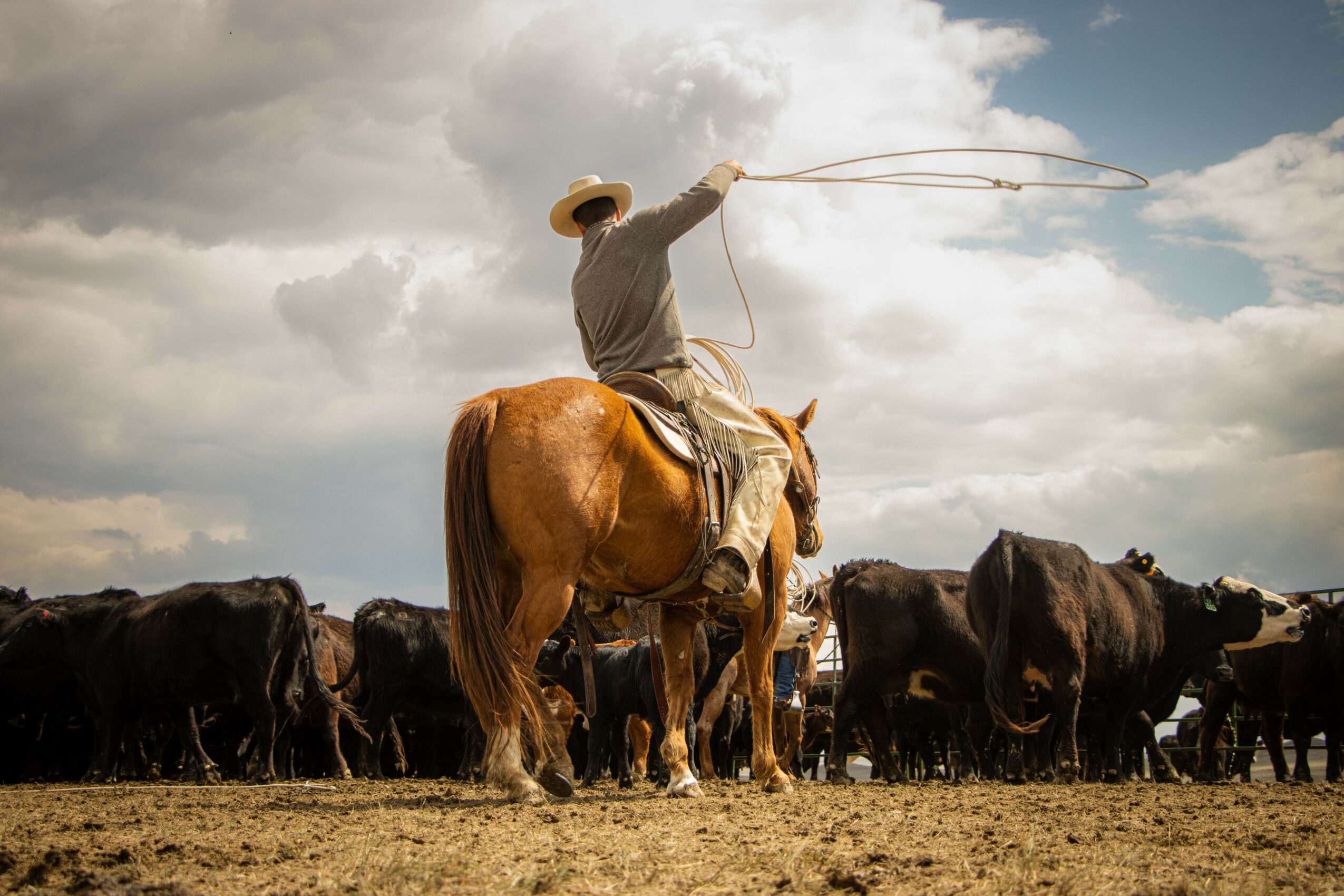
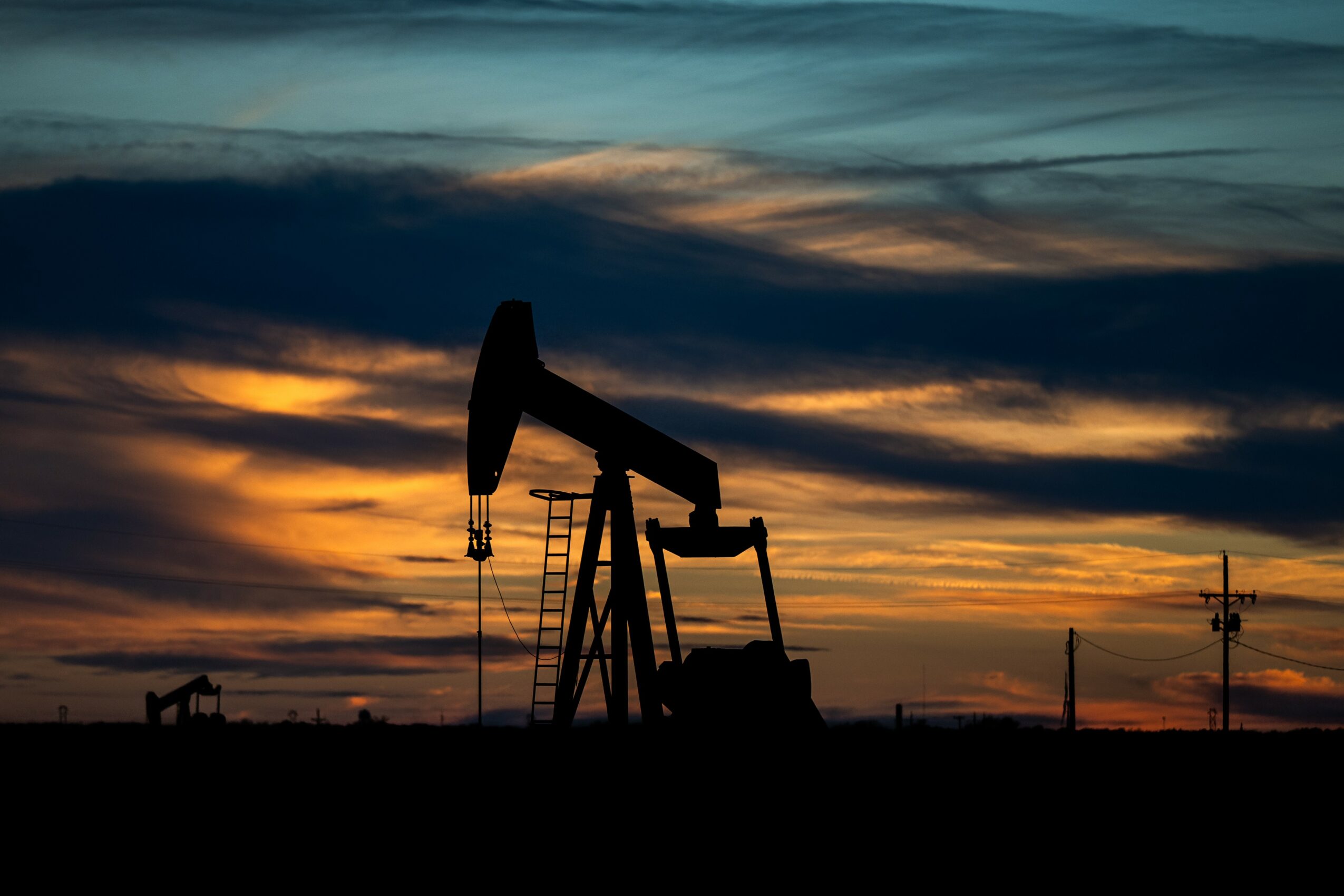
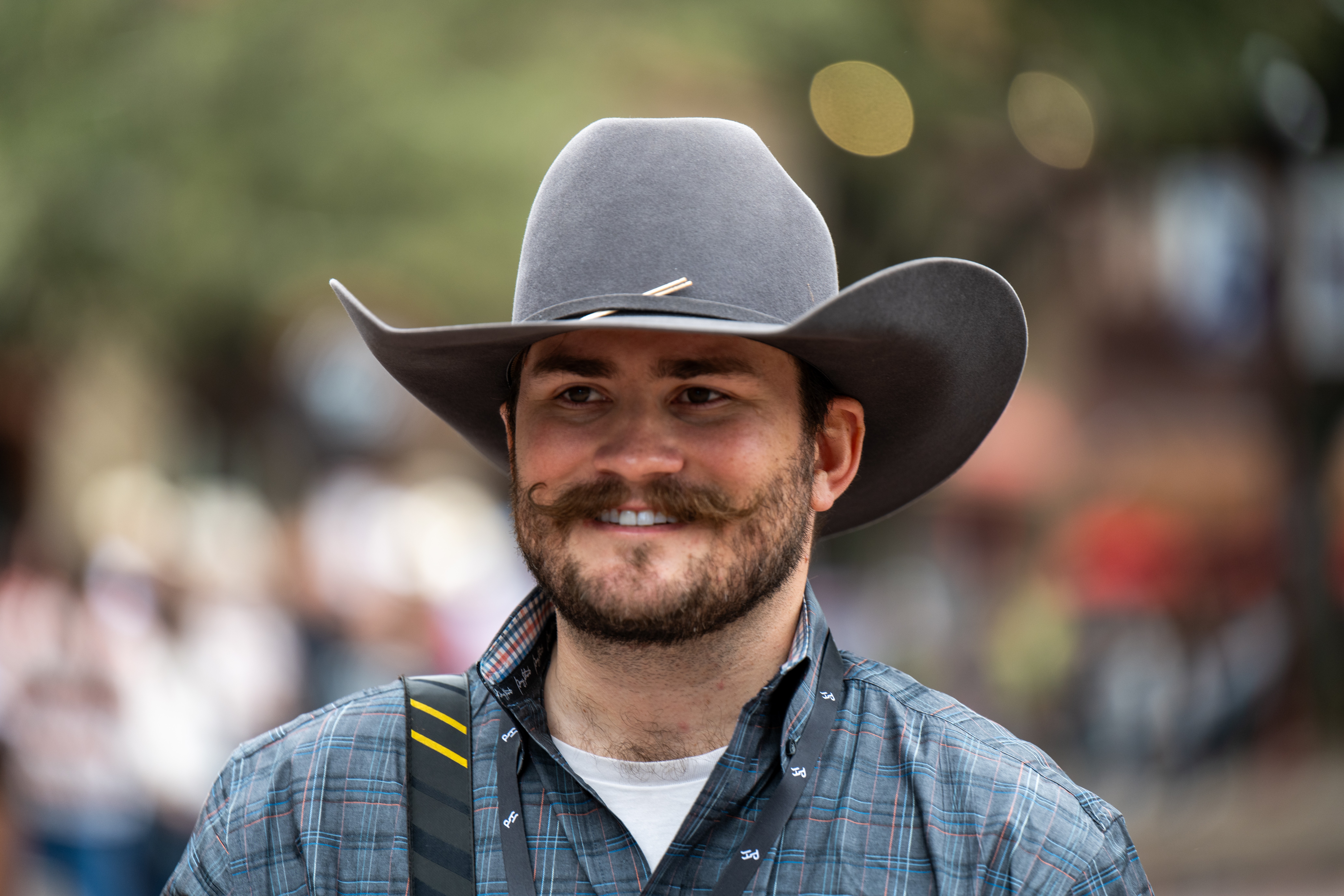
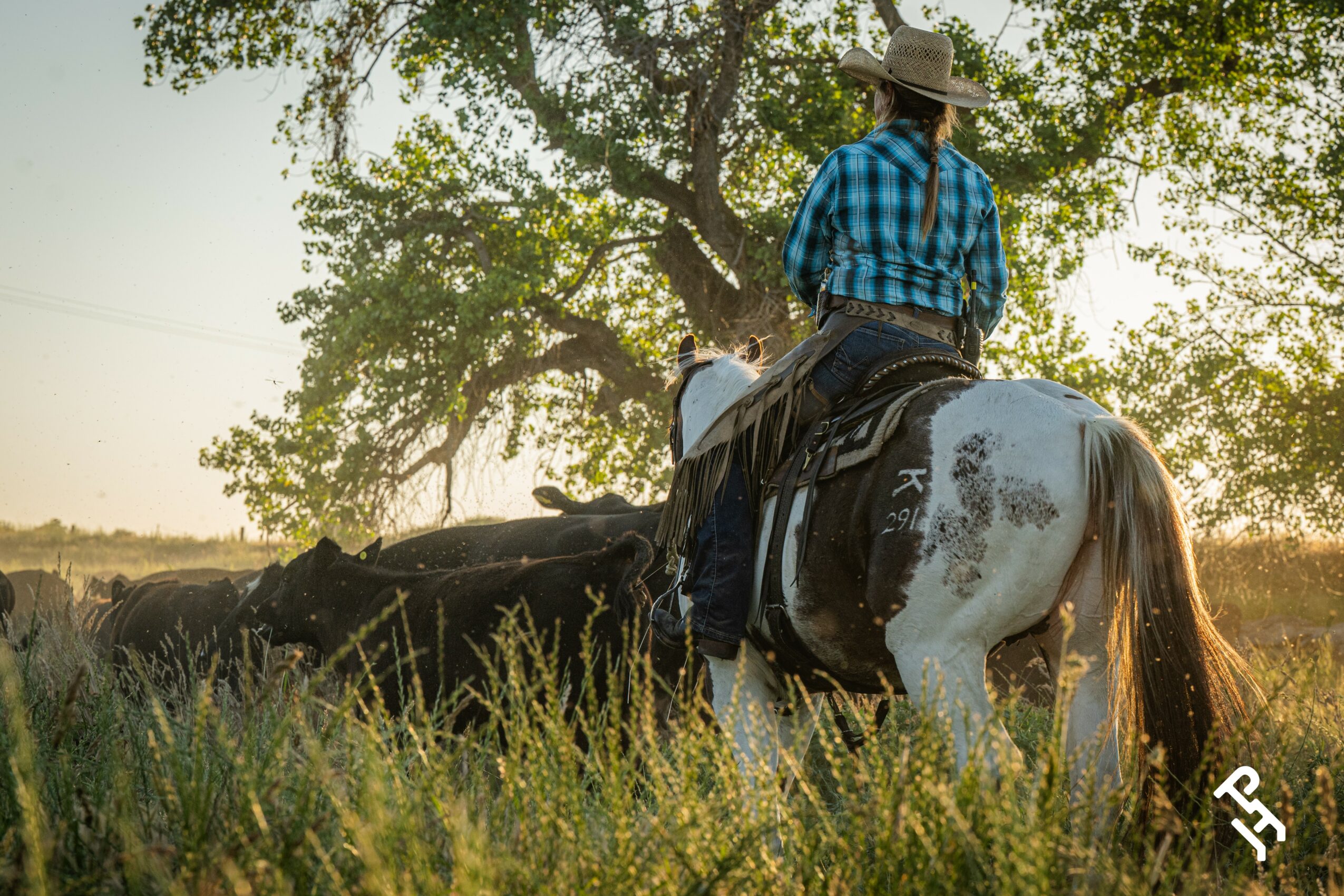
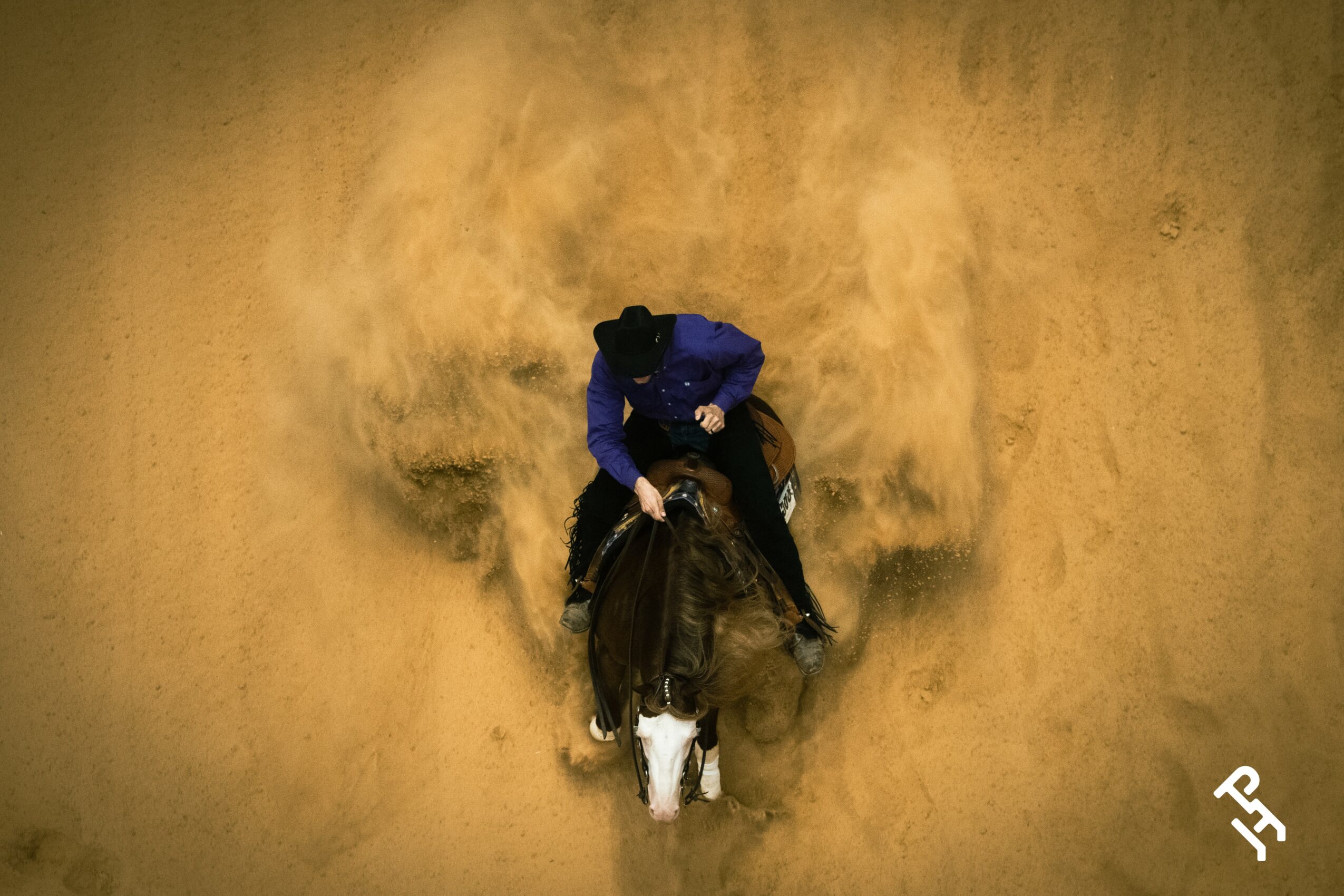
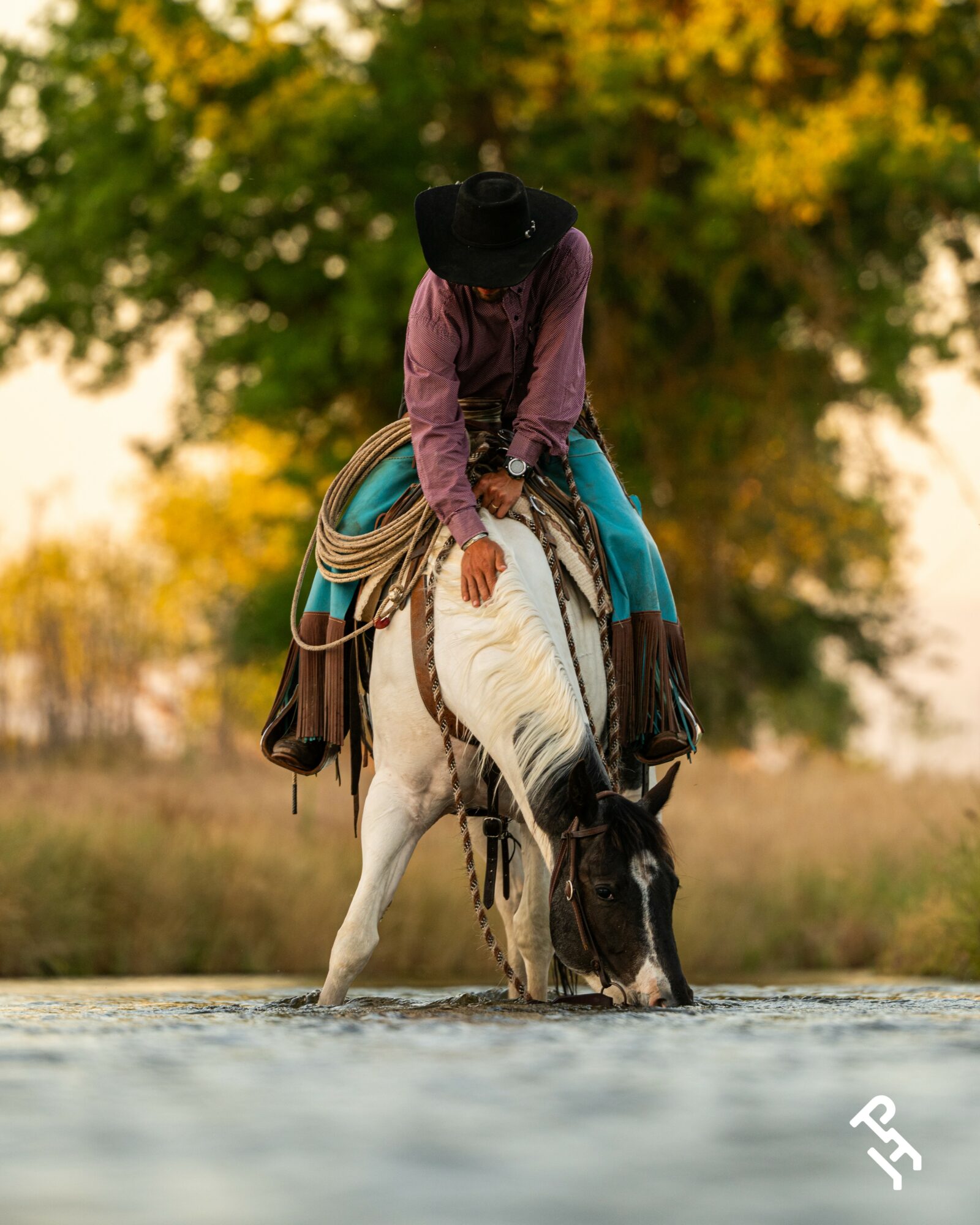
Image Credits
Two photos of me: Morgan Kaufmann of Westward Media
Three photos with the APHA watermark: American Paint Horse Association