



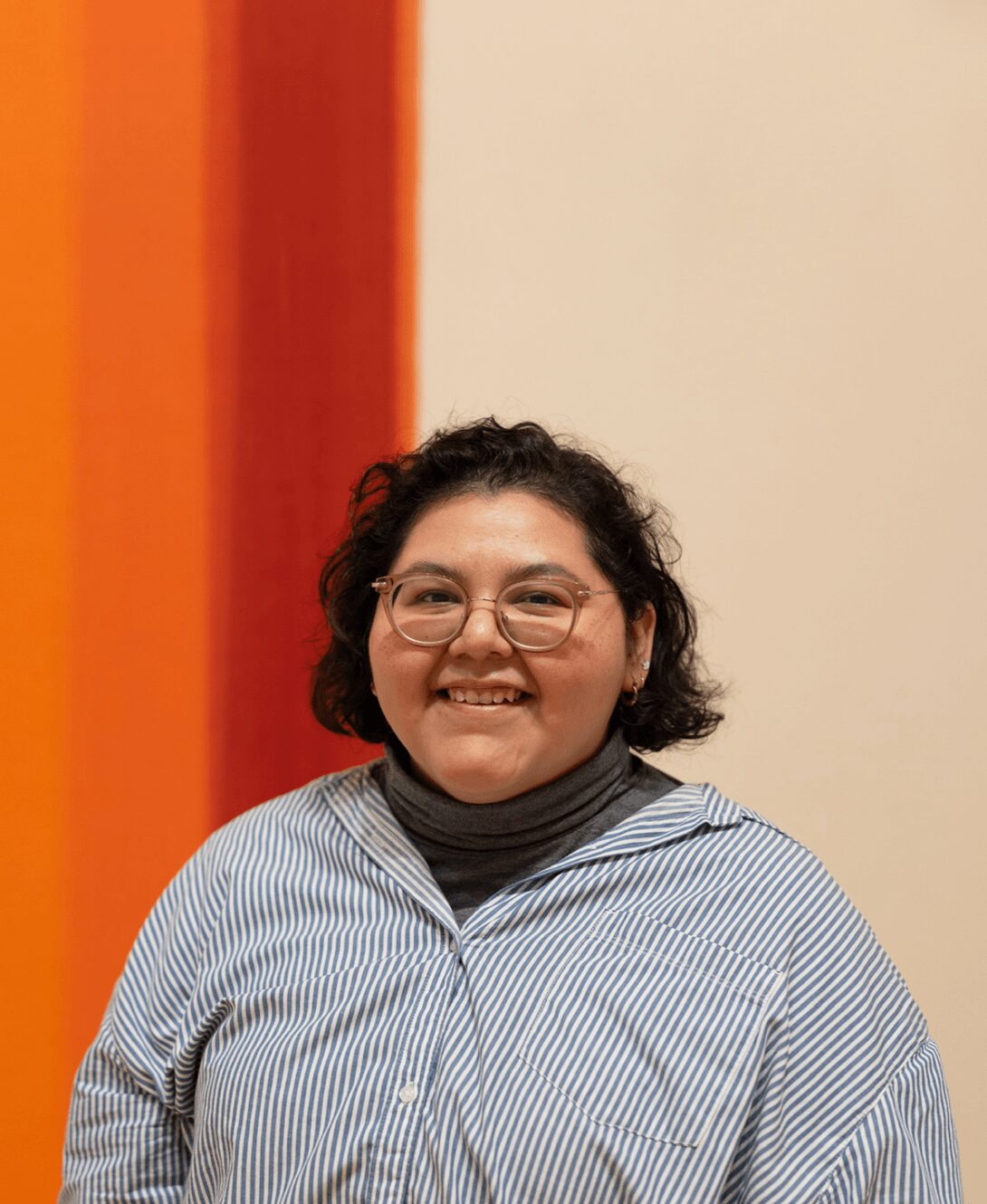
Today we’d like to introduce you to Maria Barrientos.
Alright, so thank you so much for sharing your story and insight with our readers. To kick things off, can you tell us a bit about how you got started?
I was born and raised in Fort Worth, Texas, on the southeast side of town. My parents moved here in the late ’80s and worked really hard to build a sense of community for our family through church, home, and the people around us. My sisters also played a huge role in shaping who I am — they introduced me to art and museums at a young age. We’d go to free events at places like the Modern and the Kimbell, and that’s really where my interest in the arts began.
I eventually attended Texas Christian University, where I started in Art Education before switching to Studio Art. The professors there became important mentors to me, and I still keep in touch with many of them today. Fort Worth’s art community is pretty close-knit, so having that support gave me the confidence to start showing my work and thinking beyond just the local scene.
After earning my MFA from University at Buffalo, I was able to really expand my research and develop my artistic practice. Since then, I’ve exhibited work in places like New York and South Korea, and most recently at Cedars Union’s Boedecker exhibition. Later this year, I’ll also be showing work in China as part of an art festival.
Professionally, I’ve worked in museums, galleries, and education spaces, which naturally led me toward museum education and teaching. Right now, I’m an adjunct professor at Tarrant County College teaching Drawing and Art Appreciation. A big part of my teaching philosophy is creating a welcoming space where people feel comfortable being curious, asking questions, and exploring new ideas.
Overall, it’s been a pretty unexpected and interesting journey, but I’m really grateful for all the people and experiences that helped shape it.
Can you talk to us a bit about the challenges and lessons you’ve learned along the way. Looking back would you say it’s been easy or smooth in retrospect?
Yes and no. One of the biggest challenges for me was confidence, both as an artist and as a storyteller. Making art came naturally to me, and university really pushed me to turn my ideas into something real and meaningful. That part felt exciting. Financially, though, it was much harder. Even with scholarships and awards, money was always tight.
Coming from the Poly area of Fort Worth and then finding myself in spaces like Texas Christian University and University at Buffalo, I sometimes felt caught between worlds, that feeling of “ni de aquí, ni de allá.” Navigating race, class, and academic spaces that were very new to me could be difficult at times.
But honestly, things worked out because of the support system around me thanks to my family, mentors, friends, and community all played a huge role in helping me keep going.
Alright, so let’s switch gears a bit and talk business. What should we know about your work?
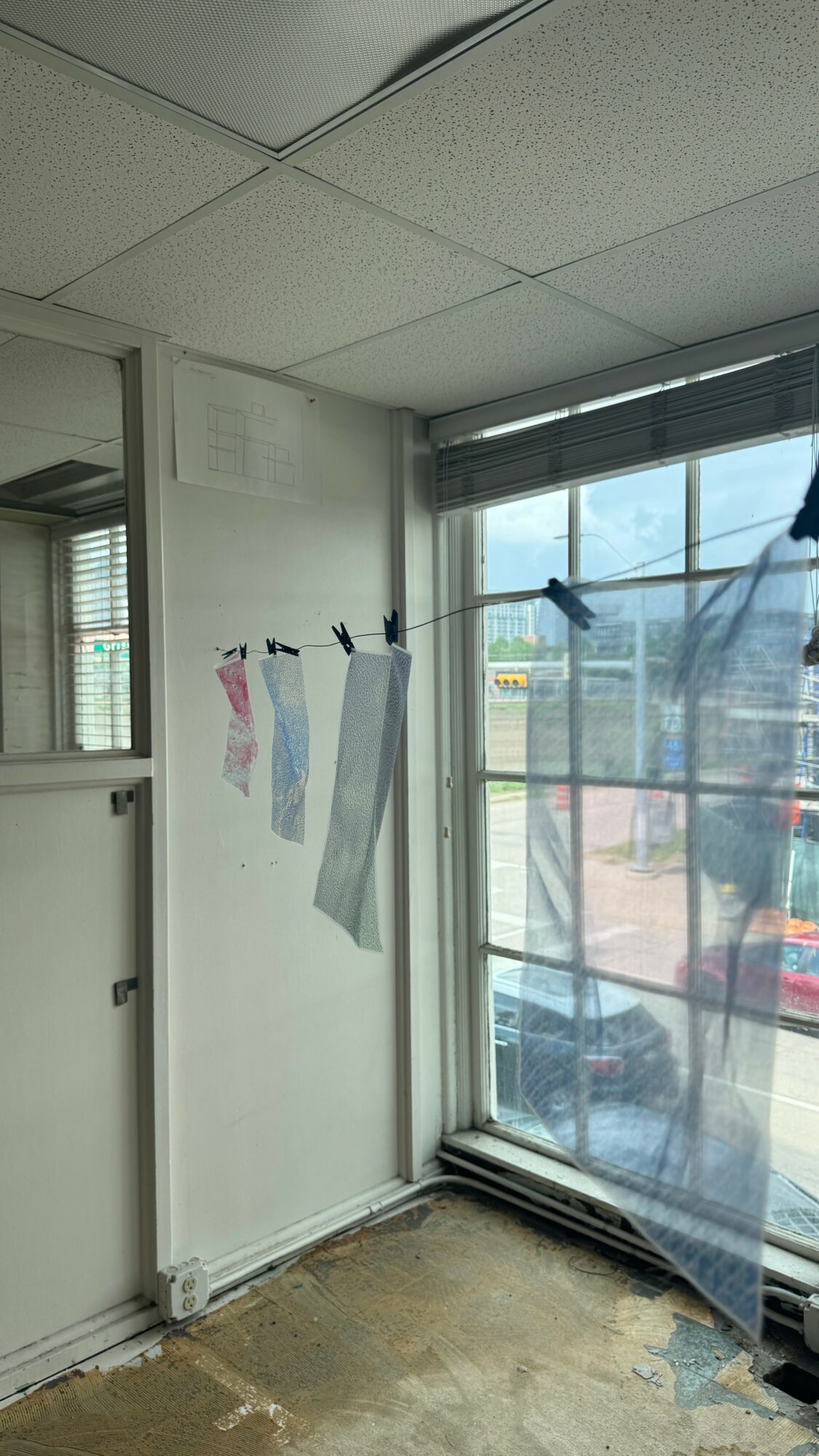
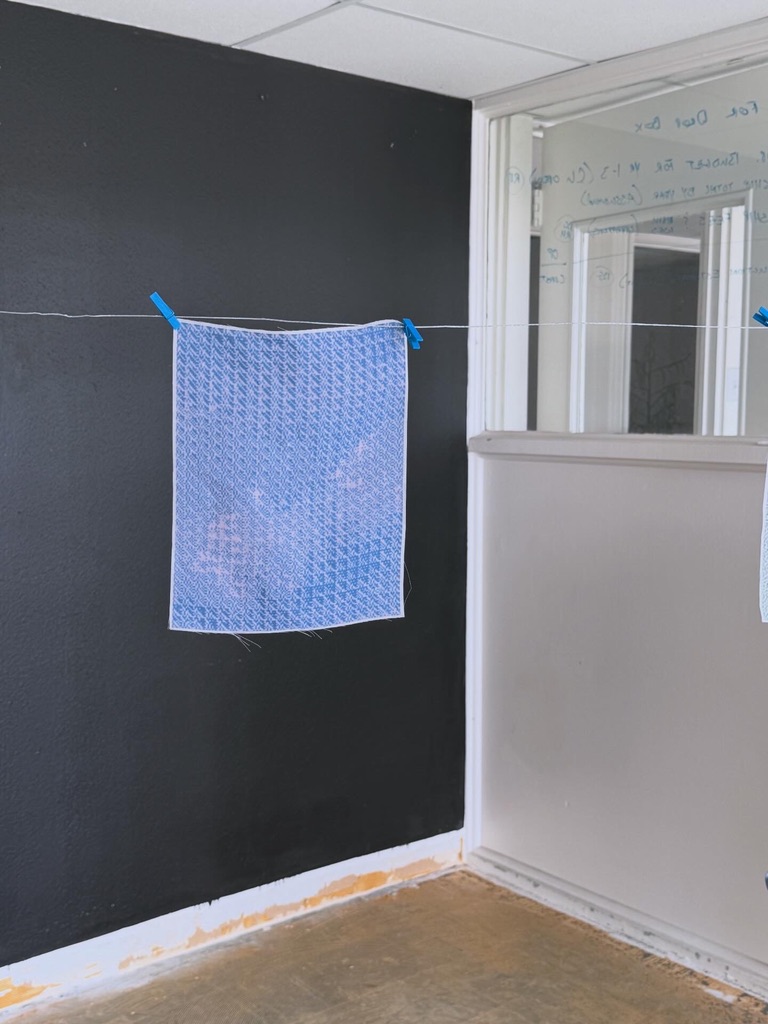
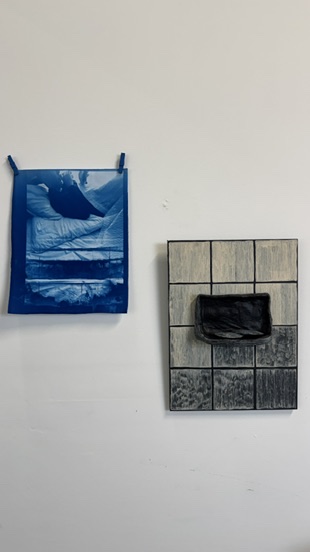
A lot of my work focuses on in-between spaces like duality, ephemera, memory, and the ways ordinary moments can feel slightly unfamiliar or “off.” I’m interested in taking everyday experiences and shifting them just enough to make people pause and reconsider them.
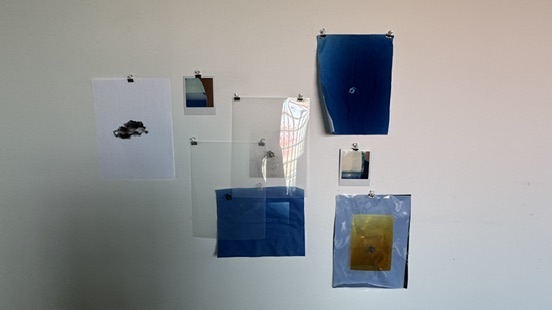
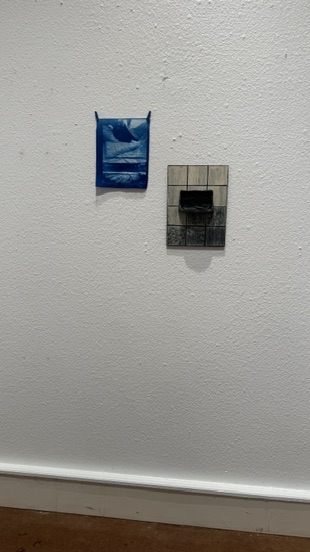
I’m probably most known for my use of the idea of ghosts. Not ghosts in the traditional horror or cartoon sense, but ghosts as memories, emotions, or moments that linger. I often think about them as something that feels alive for a brief moment, like a blurry photograph or a memory frozen in time. That feeling of something being present and absent at the same time really inspires the way I approach image-making and storytelling.
A lot of my practice also explores nostalgia, synthetic memories, and the way people connect emotionally to images and objects. Even when the stories are personal, I want viewers to see parts of themselves in the work too.
What I’m most proud of is being able to tell my story honestly and share it beyond my immediate community from local exhibitions in Fort Worth to showing work nationally and internationally. I think what sets me apart is the balance between personal memory and universal experience. I want the work to feel intimate, but also familiar to people who may have lived completely different lives.
Risk taking is a topic that people have widely differing views on – we’d love to hear your thoughts.
I think one of the biggest risks I’ve taken was moving from Fort Worth to Buffalo, New York for my MFA during the pandemic. It was far from home, completely unfamiliar, and honestly a huge shift culturally, financially, and emotionally. But that experience really changed the way I see the world and myself as an artist. It pushed me to become more open to uncertainty, experimentation, and travel.
Since then, I’ve embraced stepping outside of my comfort zone more often. I recently traveled to Ho Chi Minh City, Vietnam for a week, and it was incredibly inspiring. I took hundreds of photos and came back creatively energized by the experience, the pace of the city, and the everyday moments I encountered there.
I think risk is necessary if you want to grow. Every major step in my life has involved some kind of risk from applying to universities, showing my work publicly, moving across the country, or even just making work that feels personal and vulnerable. There’s always uncertainty involved, but I’ve learned that some of the most meaningful experiences come from taking those chances.
Contact Info:
- Instagram: https://instagram.com/maimiaa
- LinkedIn: https://www.linkedin.com/in/maria-barrientos