






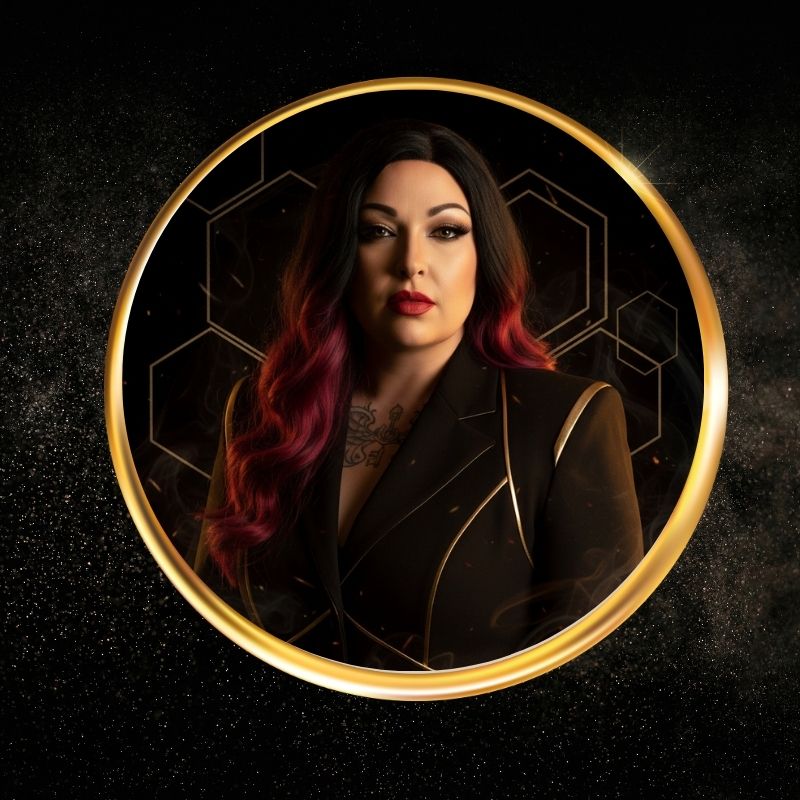
For JenLyn Ford, Sing Your Song isn’t just a film—it’s an evolving creative ecosystem. Working alongside director and screenwriter Carey Corr, Ford has helped design an open, participatory model that invites audiences to witness and engage with the filmmaking process long before the premiere. Rather than developing the project behind closed doors, the team is intentionally building the story in public, allowing viewers to experience the creative heartbeat as it forms. By transforming audiences from passive observers into participants, Ford hopes to explore a more relational future for cinema—one where storytelling becomes a shared cultural experience rooted in curiosity, transparency, and connection.
JenLyn, for readers who are just discovering Sing Your Song, can you share what first sparked this project and why you felt called to build a film that invites people into the process rather than presenting a finished product?
Sing Your Song began with Carey Corr’s screenplay and his deep intuitive understanding that this story was not meant to be created in isolation. From the beginning, he felt the film needed people; not just as viewers, but as witnesses and contributors to its evolution.
My role has been different but complementary. I built the architecture that makes that instinct executable. The governance. The participation model. The economic structure. The nervous-system safety that allows transparency without chaos.
We didn’t decide to “market a film.”
We decided to build a living organism around a film.
Instead of polishing something in secrecy and unveiling it at the end, we are letting people feel the heartbeat as it forms. It is important to us in the age of AI especially to deepen the relationship between people and art.
You describe SYS as a “stadium with the top and doors open” instead of a closed set—how does developing a film in public change the creative energy, both for you as a filmmaker and for the audience experiencing it in real time?
Traditional film production is a closed cathedral.
What we’re building is open. You can see the sky. You can feel the weather. You can hear the crowd breathe.
Carey holds the creative spine as director. The screenplay is his. The vision is his. That creative authority remains intact.
What changes is the energetic field around it.
Developing in public doesn’t mean crowdsourcing the story. It means allowing people to witness the making of meaning. That witnessing creates co-regulation instead of consumption. It builds emotional investment long before premiere night; shifting pressure to resonance.
The film explores voice and the moment someone stops living on mute; how has this theme shown up in your own personal journey and in the way you’re choosing to make this work?
The film explores the moment someone stops living on mute.
That theme is not theoretical for me.
For years, I could articulate systems, build frameworks, see architecture but there were spaces where I still softened my edges. Where I translated myself to be digestible.
Building Sing Your Song this way is part of my own unmuting.
It is choosing transparency over perfection.
Process over polish.
Structure over approval.
It is saying: we trust people enough to let them see the scaffolding.
And that is a voice decision.
You’re reimagining the audience from passive observers into active participants—what do you think this shift could mean for the future of cinema and storytelling as a shared cultural experience?
Cinema has historically been a broadcast medium. Story flows one direction.
But culture has changed. Nervous systems are overstimulated. Trust is fragile. People are tired of being marketed to and talked at.
When the audience becomes participant, something fascinating happens:
- Ownership increases.
- Emotional regulation improves.
- Meaning becomes metabolized instead of consumed.
We are not just making a film.
We are experimenting with participatory storytelling as civic practice.
If it works, it suggests a future where cinema becomes less industrial and more relational. Less extraction, more reciprocity.
Not chaos. Not crowd control. Designed participation.
As this is the first time you’re speaking about Sing Your Song in this way, what excites you most about this current phase of development, and what do you hope people feel when they step inside the film’s atmosphere now, long before the premiere?
This phase is electric because it is still formative.
The screenplay is Carey’s. The direction is his. The spine is strong.
And now the architecture is in place for people to step inside early; to become Citizens of the Story, to understand how the system works, to see how funding, governance, and creative authority interrelate.
What excites me most is watching the shift in people’s eyes when they realize:
They are not being asked to donate.
They are being invited to belong.
What I hope people feel right now long before premiere is this:
Curiosity, ideation about what their participation could look like, and childlike wonder at the possibilities. Above all else, Sing Your Song’s open design is about having an adventure with people who love cinematic storytelling.
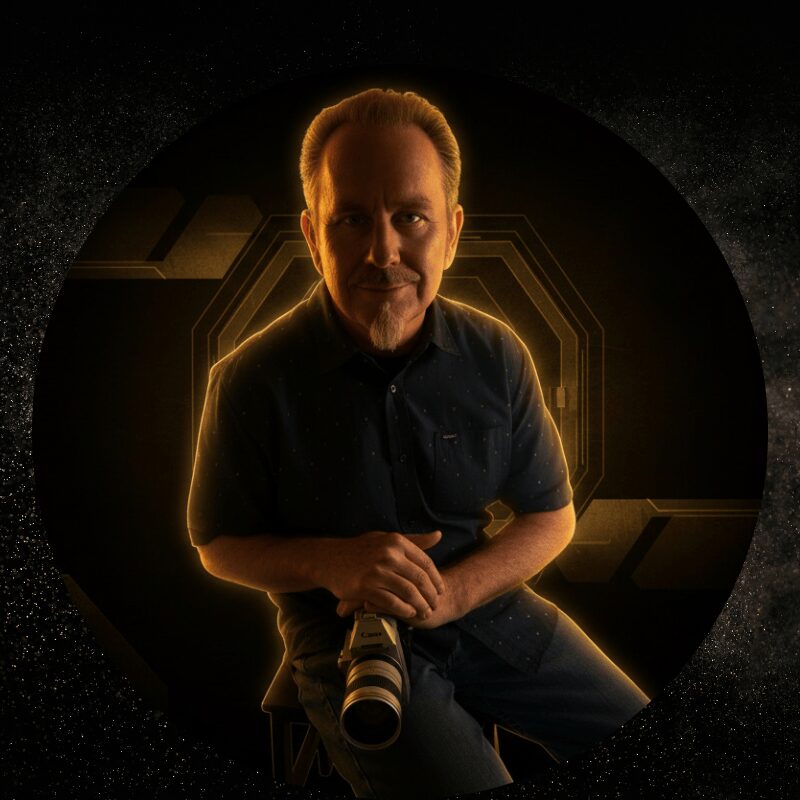
Image Credit:
Business partner, Carey Corr; Sing Your Sing logo