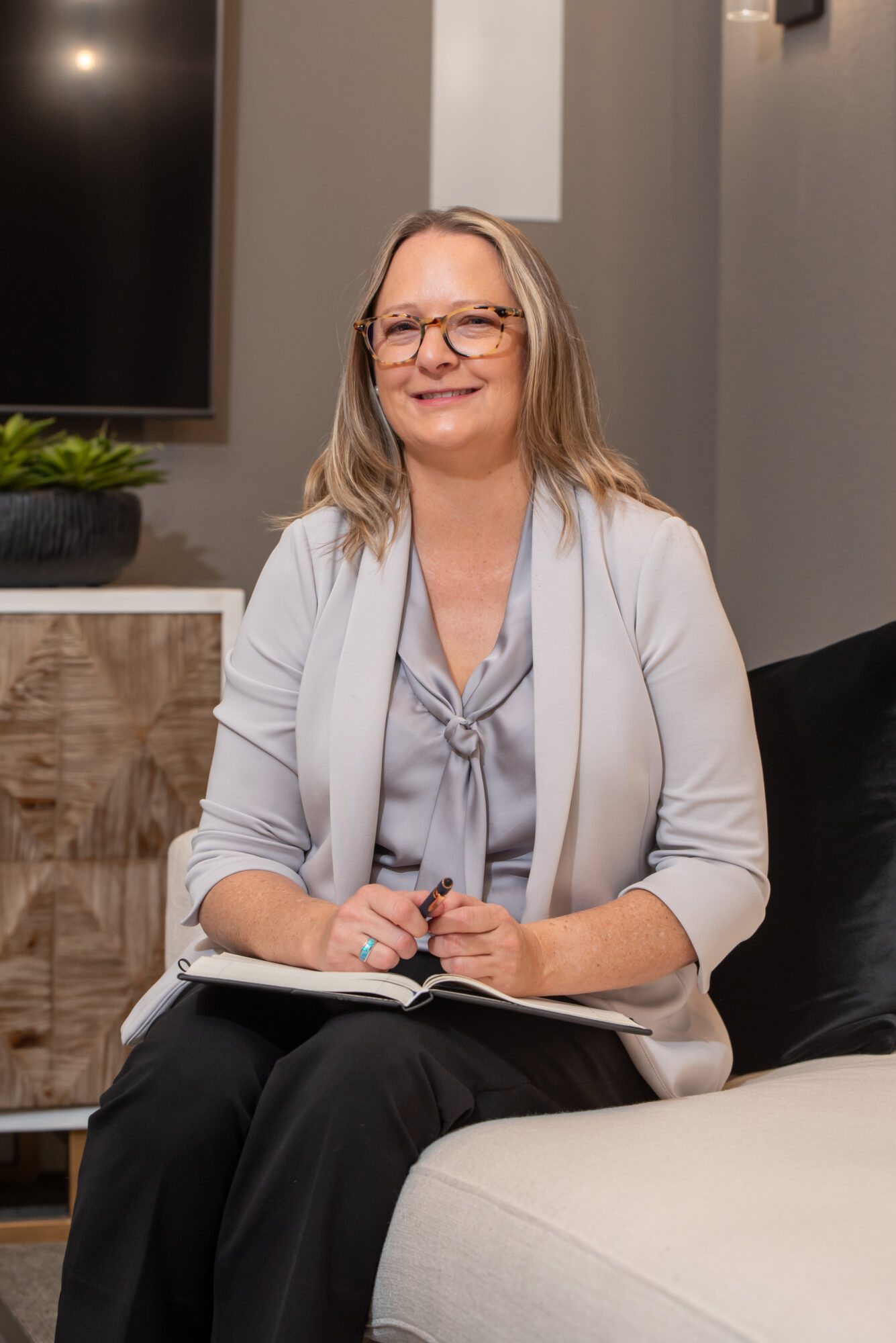






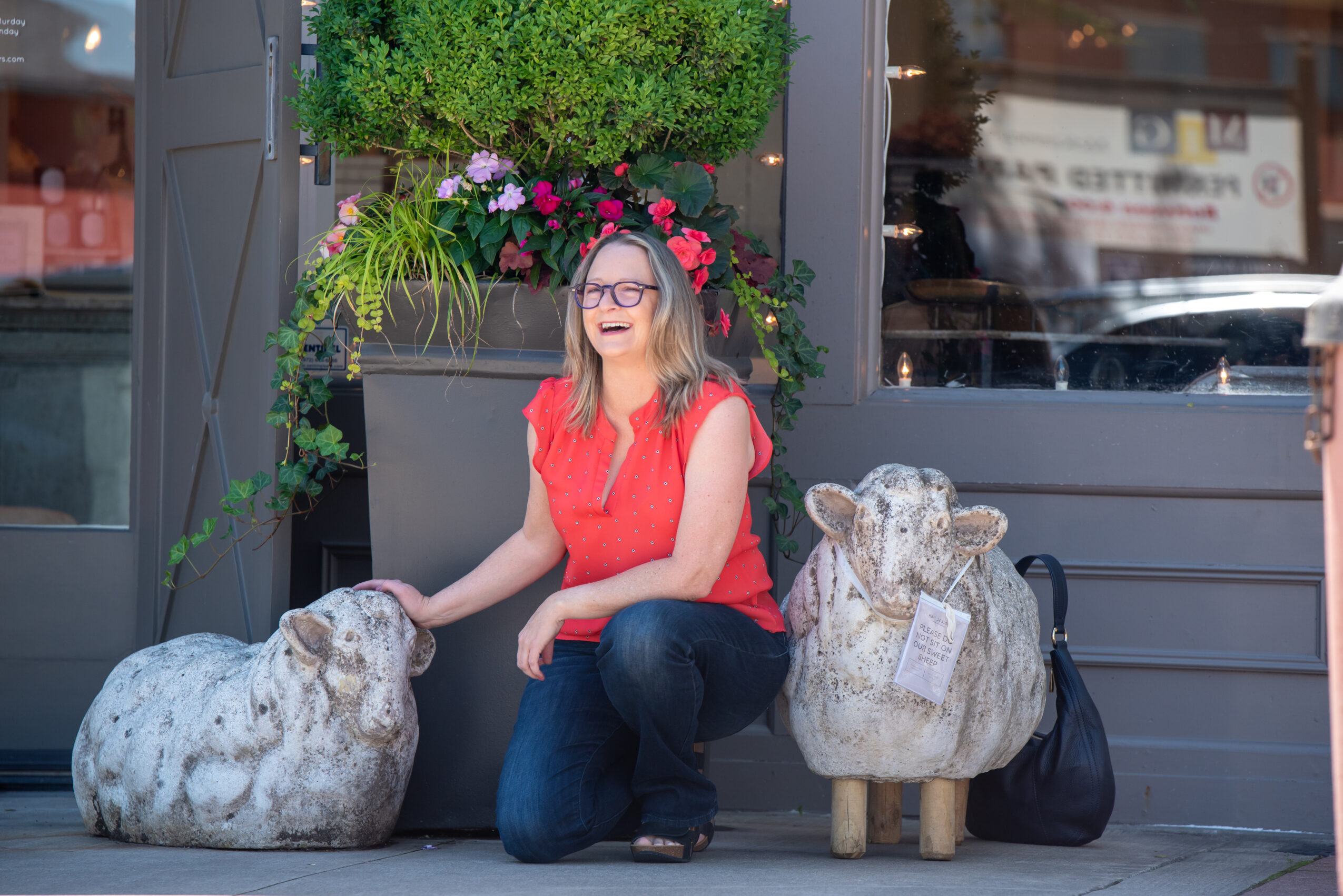
For coach and mentor Heather Gill, many high‑functioning women lose touch with their inner authority after years of conditioning that rewarded self‑sacrifice, people‑pleasing, and external validation. Through her framework known as the Sovereignty Wheel, Gill helps women map the internal patterns that shape their decisions from boundaries and intuition to truth‑telling and self‑trust. Often emerging after major life transitions like divorce or faith shifts, this work invites women to rebuild what she calls “inner governance,” replacing approval‑seeking with self‑leadership. At its core, Gill says reclaiming sovereignty begins with a simple but powerful step: telling the truth to yourself and honoring it through small, consistent acts of alignment.
Heather, your work explores why so many high functioning women lose touch with their inner authority. What patterns do you most often see in women who have experienced religious conditioning, divorce, or major identity shifts?
One of the most common patterns I see is that many women were taught very early that being a “good woman” meant being agreeable, self sacrificing, and externally guided. They learned how to read the room, meet expectations, and perform competence. Many of them became very successful at it.
The problem is that somewhere along the way they stopped listening to themselves.
When a woman goes through something like divorce, a faith transition, or a major life shift, the identity she built her life around can collapse. What often surfaces is the realization that she has spent years living according to roles and rules that were never truly hers.
These women are not weak or lost. In fact they are usually extremely capable. But they have been conditioned to trust authority outside of themselves. My work helps them remember that their own inner wisdom was never actually gone. It was simply buried under years of adaptation.
You developed the Sovereignty Wheel as a model for reclaiming personal power. Can you explain how this framework helps women reconnect with their own inner governance?
The Sovereignty Wheel is a visual and practical way for women to understand how they relate to their own power.
Most women are taught how to manage responsibilities but not how to govern themselves internally. The Sovereignty Wheel helps them see the different aspects of their inner world. It includes things like truth telling, boundaries, intuition, emotional regulation, self trust, and personal responsibility.
When women see these elements mapped out, something shifts. Instead of feeling like their life is chaotic or broken, they begin to see patterns. They can identify where they have been over giving, where they have been silent, or where they have been ignoring their own instincts.
From there we begin rebuilding what I call inner governance. That means learning to make decisions that are aligned with truth rather than fear or approval seeking. The goal is not control. The goal is self leadership.
You often talk about “self abandonment” as something our culture quietly rewards. How does hustle culture and external validation make it harder for women to trust themselves?
Self abandonment often looks like productivity and achievement from the outside.
Our culture rewards women who over function. We praise the woman who can do everything, manage everyone, and still keep smiling. The problem is that this often requires a woman to override her own needs, intuition, and limits.
Hustle culture reinforces the idea that worth is measured by output. Social media amplifies that message because validation becomes visible and immediate.
Over time a woman can become very skilled at performing competence while feeling increasingly disconnected inside. She may know how to achieve but not how to listen to herself.
Reclaiming sovereignty means slowing down enough to ask a different question. Instead of asking “What will make me look successful?” she begins asking “What is actually true for me?”
That shift changes everything.
Your work is deeply informed by your own life experiences. How did your personal journey shape the philosophy behind the Sovereignty Wheel and the way you guide others today?
The Sovereignty Wheel was not something I created in theory. It emerged from my own process of rebuilding my life and identity.
I went through periods where many of the structures I had relied on fell apart. Relationships changed. My understanding of faith evolved. I had to confront parts of myself that had been shaped by fear, conditioning, and the desire to be accepted.
During that time I began studying psychology, archetypal work, and patterns of identity development in women. At the same time I was doing my own deep inner work. What I discovered is that many women go through a similar process but feel completely alone in it.
The Sovereignty Wheel became a way to articulate that journey. It gives women a language for what they are experiencing and a pathway for rebuilding trust with themselves.
Today my role is not to tell women who they should be. My role is to help them remember who they already are.
For women who feel disconnected from their own voice or direction, what is the first step toward reclaiming sovereignty and rebuilding trust with themselves?
The first step is surprisingly simple but often uncomfortable.
It is telling the truth to yourself.
Before a woman can reclaim her sovereignty she has to be willing to notice where she has been living out of obligation, fear, or habit. That does not mean blaming herself. Most of these patterns were learned for survival or belonging.
But honesty creates the turning point.
Once a woman begins telling herself the truth about what she feels, what she wants, and what no longer fits, something begins to reorganize internally. Her intuition starts to get louder. Her boundaries begin to form naturally.
Trust is rebuilt through small acts of self alignment. Each time she honors her own truth she strengthens that inner relationship.
Sovereignty is not a dramatic declaration. It is the quiet moment when a woman realizes she is allowed to lead her own life.
Link: